How Fast Largemouth Bass Grow in Nebraska Ponds
If you've ever spent time casting a line into a quiet Nebraska farm pond, you've probably wondered about the secrets beneath the surface. Specifically, how fast are those largemouth bass growing? It's a common question for both pond owners and dedicated anglers, and it's not just about curiosity. Understanding bass growth rates is absolutely key to managing a healthy, thriving fishery, whether you're dreaming of trophy bass or just want consistent action. This guide will take a deep dive into all the factors that impact largemouth bass growth in Nebraska's unique pond environments, give you a realistic idea of what to expect, and offer actionable tips to help those bass reach their full potential.
Understanding the Key Factors Influencing Largemouth Bass Growth in Nebraska Ponds
Largemouth bass growth isn't a simple, fixed equation. It's a complex interplay of environmental conditions, food availability, and population dynamics. For those of us who love chasing these aggressive predators, recognizing these factors is the first step toward understanding the fish we pursue. A bass in a lush, well-fed pond can grow dramatically faster than one in a struggling, overcrowded water body.
Forage Base and Food Availability
Think of it like this: a growing teenager needs plenty of nutritious food to reach their height potential. Bass are no different. The single most critical factor in how fast largemouth bass grow in a pond is the abundance and quality of their food source, or "forage base." These opportunistic predators need a steady supply of smaller fish, crayfish, and insects to fuel their growth.
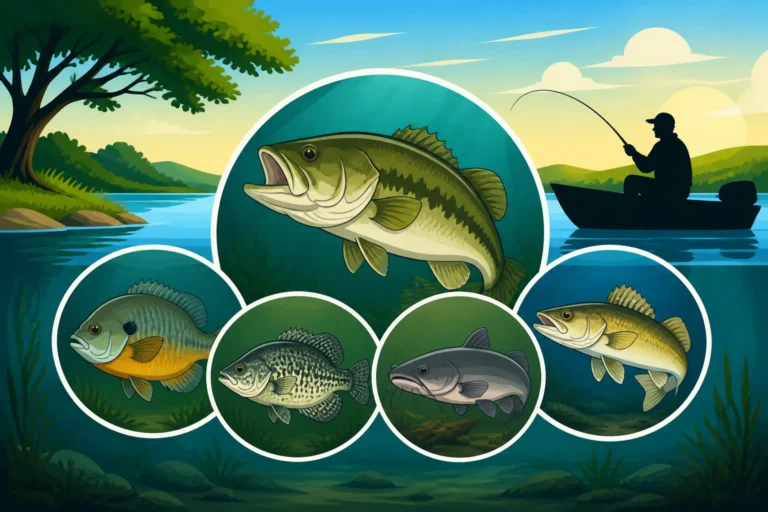
In many Nebraska ponds, the primary forage fish are species like bluegill and sunfish. A healthy population of these smaller fish, with various age classes, provides a continuous buffet for the bass. If bluegill are scarce, or if they're all too large for the bass to consume easily, bass growth will slow dramatically. Conversely, an overabundance of tiny bluegill, often a sign of too many small bass, can also indicate a problem, as neither species is growing efficiently. Some ponds might also contain gizzard shad, which are excellent forage due to their rapid reproduction and soft bodies, making them easy for bass to eat. If you're managing a pond, ensuring a diverse and plentiful forage base is paramount. You can even find guides on How to Catch Largemouth Bass in Farm Ponds that emphasize understanding the local food chain.
Water Quality and Habitat
Beyond what they eat, where they live is equally important. Water quality in Nebraska ponds plays a huge role in bass health and growth. Optimal dissolved oxygen levels, a stable pH, and appropriate water temperatures are non-negotiable for fast-growing bass. Ponds that suffer from low oxygen, especially during hot summer nights or under heavy ice cover, will stress bass and inhibit their growth. Similarly, extreme temperature fluctuations or chronically muddy water can make it harder for bass to feed and thrive.
Habitat structure within the pond provides both ambush points for bass to hunt and refuge areas for forage fish. Submerged timber, rock piles, brush piles, and even healthy beds of aquatic vegetation all contribute to a dynamic ecosystem where bass can efficiently find food and protect themselves. However, too much vegetation can be detrimental, leading to oxygen depletion or making it impossible for bass to hunt effectively. Balancing these elements is a true art. If your pond is prone to muddy conditions, you might want to learn How to Catch Largemouth Bass in Muddy Water, which can be a common challenge in our area.
Pond Size and Stocking Density
The size of your pond directly correlates to its carrying capacity—how many fish it can realistically support and grow to a healthy size. A small quarter-acre pond simply cannot sustain the same number of large bass as a five-acre lake. Overstocking is one of the most common mistakes in pond management. When too many bass are introduced or allowed to reproduce unchecked, competition for food becomes fierce, leading to a population of stunted, skinny bass. Everyone gets enough food to survive, but no one gets enough to grow big.
Conversely, understocking can also lead to issues, though less common for bass. If there aren't enough bass to properly thin out the forage fish, the bluegill population might explode and become too large and numerous for the bass to control, leading to a pond full of small bass and giant bluegill. Finding that "sweet spot" for stocking density is crucial for promoting rapid bass growth and a balanced fishery. This involves understanding your pond's specific characteristics and often requires a long-term management plan.
Typical Growth Rates and Size Expectations for Nebraska Largemouth Bass
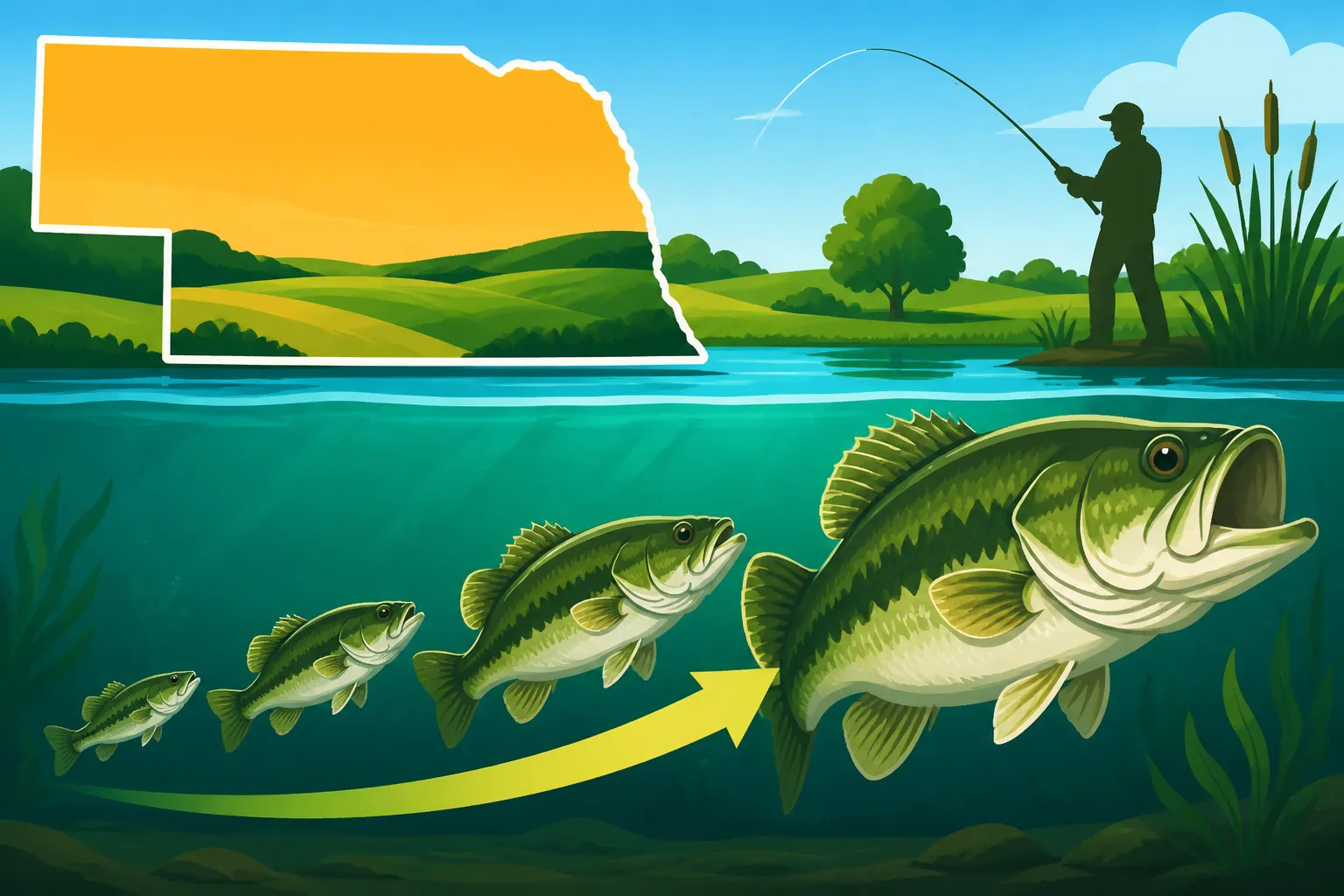
So, you're probably asking, "Just how fast do they grow?" While there's no single answer that applies to every pond, we can provide some general expectations for largemouth bass in Nebraska, assuming decent conditions. The journey from a tiny fingerling to a lunker is quite remarkable.
Age, Size, and Weight Progression
In a well-managed Nebraska pond with ample forage and good water quality, largemouth bass can exhibit impressive growth rates. Here's a general progression you might expect:
- Year 1 (Fingerling to Juvenile): A newly stocked fingerling of a few inches can, under ideal conditions, reach 6-10 inches and weigh anywhere from a quarter-pound to a full pound by the end of its first year. This initial growth is often the most rapid, as they have abundant, easily accessible food.
- Year 2 (Juvenile to Sub-Adult): These fish will continue to grow, often reaching 10-14 inches and weighing 1-2 pounds. They are now actively preying on a wider range of forage.
- Year 3 (Sub-Adult to Adult): By their third year, bass are becoming strong, formidable predators. They might be in the 14-17 inch range and weigh 2-3 pounds. These are often the "keepers" for many anglers, especially in public waters that enforce Nebraska Bass Length Limits.
- Year 4 and Beyond (Mature Adult to Trophy): From year four onward, growth rates might slow slightly in terms of length, but weight gain can still be significant. Bass can reach 17-20 inches and weigh 3-4.5 pounds. Truly trophy-sized bass, exceeding 20 inches and 5 pounds, will be older, perhaps 5 to 8+ years old, and require truly exceptional conditions, abundant food, and a bit of genetic luck.
It's important to remember that these are averages. A bass in a pond with poor forage might only be 6 inches at two years old, while one in an optimally managed pond could be 12 inches.
Here's a generalized table to illustrate potential largemouth bass growth in well-managed Nebraska ponds:
| Age (Years) | Typical Length Range (Inches) | Typical Weight Range (Pounds) | Notes for Nebraska Ponds (Well-Managed) |
|---|---|---|---|
| 1 | 6-10 | 0.25-1 | Rapid growth with plentiful small forage. |
| 2 | 10-14 | 1-2 | Strong growth, becoming significant predators. |
| 3 | 14-17 | 2-3 | Reaching a good "keeper" size, often sought after. |
| 4 | 17-20 | 3-4.5 | Approaching "lunker" status, excellent condition. |
| 5+ | 20+ | 4.5+ | Trophy potential, requiring consistent, high-quality forage and longevity. |
The Impact of Genetics and Pond Management
While food and habitat are crucial, genetics also play a role, though perhaps less overtly in the average Nebraska farm pond. Some bass strains, like the Florida-strain largemouth, are known for their potential to grow larger, though pure Florida-strain bass are typically not native or widely stocked in Nebraska. However, even within local populations, some fish may simply have a genetic predisposition for faster growth or larger ultimate size.
More impactful for most pond owners is their active pond management. A pond that sees selective harvest, where smaller, slow-growing bass are removed to reduce competition, will often produce larger, healthier bass for the remaining population. Supplemental feeding, while not always necessary or advisable, can also accelerate growth significantly in a controlled environment, turning "good" growth into "exceptional" growth. If you are serious about managing your pond, understanding the specific Nebraska Fishing Rules for Farm Ponds and Private Lakes is critical to ensure you're following all guidelines.
Strategies for Optimizing Largemouth Bass Growth in Your Pond
For those with a stake in their pond's health, active management can turn an average bass fishery into an exceptional one. It's about taking intentional steps, not just letting nature run its course, especially in smaller, contained environments. There's real satisfaction in seeing your efforts pay off with healthy, growing fish.
Strategic Stocking and Harvest
This is where many pond owners can make the biggest difference. Don't just stock fish randomly or allow them to reproduce indefinitely without intervention.
- Initial Stocking: When first stocking a new or renovated pond, get advice from a fisheries biologist or reputable fish supplier. They can help you determine the appropriate species and stocking densities for both bass and their forage. A common strategy is to stock bluegill a year before the bass, allowing the forage base to establish.
- Harvesting: This is often counter-intuitive for anglers who love to catch fish, but judicious harvesting is absolutely essential for managing bass growth. If you notice a high number of skinny, short bass, it's often a sign of overpopulation. Removing a certain number of these smaller bass allows the remaining fish more food and space, leading to faster growth for the individuals left behind. This is sometimes called "thinning the herd." While it might seem tough to take those smaller fish home, it's a vital part of helping the pond's overall bass population thrive. Remember that proper Catch and Release Best Practices in Nebraska are also important for the larger, trophy-sized fish you want to protect and release.
Forage Management and Supplemental Feeding
A robust forage base is the engine of bass growth.
- Managing Forage Fish: Regularly assess your forage population. Are there plenty of bluegill and sunfish in various sizes? Are they reproducing successfully? If your forage population declines, you might need to supplement it by stocking more bluegill or introducing other forage species like fathead minnows or even gizzard shad (check local regulations for stocking non-native species). You can often buy these from fish farms or suppliers.
- Supplemental Feeding: For landowners aiming for maximum growth, supplemental feeding can be an option. This usually involves high-protein pellets, often fed to forage fish like bluegill, which then grow larger and provide bigger meals for the bass. Some systems even allow for direct bass feeding with specially formulated pellets. However, this requires dedication and can impact water quality if not done correctly, so it’s not for every pond. If you're looking for Best Bait for Nebraska Walleye or bass, remember that live forage is usually king, but supplemental feeding can enhance the growth of that live forage.
Habitat Enhancement and Water Quality Control
Improving the living conditions for your bass directly translates to better growth.
- Adding Structure: Bass are ambush predators and love cover. Creating brush piles, sinking old Christmas trees (after they've dried and won't leach sap), or installing artificial habitat structures (which you can often find components for on Amazon) provides excellent hiding and hunting spots. These structures also offer refuge for forage fish and invertebrates.
- Controlling Aquatic Weeds: Healthy aquatic vegetation is good, but too much can choke a pond, deplete oxygen, and make fishing difficult. Develop a plan for vegetation management, which might involve biological controls (e.g., grass carp, if allowed), mechanical removal, or careful use of herbicides.
- Water Quality Monitoring: Regularly test your pond's water for pH, dissolved oxygen, and other key parameters. Aeration systems, which you can research on Amazon, can significantly improve dissolved oxygen levels, especially in deeper or stagnant ponds, helping fish thrive and grow faster. Keeping a clean shoreline and preventing nutrient runoff from fertilizers or livestock can also dramatically improve water quality over time. Understanding your pond's nuances helps you find fish without electronics too, as you'll know where they prefer to hide based on available cover.
Recognizing a Healthy Largemouth Bass Population and What It Means for Growth
So, you've put in the work. How do you know if your efforts are paying off? Recognizing the signs of a healthy bass population is crucial for continuous improvement and enjoying the fruits of your labor. It’s not just about catching fish; it’s about catching the right fish.
Signs of a Balanced Ecosystem
A healthy largemouth bass population in a Nebraska pond isn't just about big fish, it's about a balanced age and size structure. Here’s what to look for:
- Good Range of Sizes: You should be catching bass of varying sizes, from smaller juveniles to larger adults. If all your catches are tiny, or conversely, all are huge with no middle ground, it might indicate an imbalance.
- Plump, Healthy Fish: A healthy bass will have a good "shoulders" and a full belly, indicating it's getting enough to eat. Skinny, "football-headed" bass (large head, skinny body) are a clear sign of insufficient forage or overpopulation.
- Active Feeding: You'll observe bass actively feeding, chasing baitfish, or breaking the surface for insects. A pond where bass are visibly feeding is a good sign of an active, healthy population.
- Balanced Forage Fish: Observe the bluegill and other forage. Are they also healthy? Is there a mix of small and medium-sized forage for bass to eat, but not so many that the pond is overcrowded with tiny, stunted panfish? A healthy ecosystem often looks like a microcosm of what you'd find in What Fish Species Are in Branched Oak Lake – a variety of healthy, thriving species.
Common Pitfalls Leading to Stunted Growth
Even with the best intentions, pond management can sometimes go awry. Recognizing these common problems can help you correct course before growth rates really suffer.
- Overpopulation: This is probably the number one reason for stunted bass in Nebraska ponds. Too many bass chasing too few food items. If every cast brings in a 6-inch bass that looks like it hasn't eaten in a week, you've got an overpopulation problem. The frustration of catching dozens of small, skinny bass is a clear indicator that aggressive harvesting is needed for the smaller fish.
- Insufficient Forage: If the forage fish population crashes due to disease, overharvesting by anglers, or environmental factors, the bass will suffer. They simply won't have enough to eat, and their growth will slow to a crawl, even if there aren't many bass.
- Poor Water Quality: Chronic issues like low dissolved oxygen, extreme pH levels, or persistent muddy water will stress bass, make them less efficient predators, and divert energy from growth to survival. Regularly checking water quality with an affordable kit (many options available on Amazon) can give you early warning signs.
By actively observing your pond and its inhabitants, you can become a better steward of your fishery, ensuring that the largemouth bass growing in your Nebraska pond have every opportunity to reach their impressive potential.
Disclaimer
This article is for general informational purposes only and does not constitute professional advice. Laws, prices and regulations vary by location and change over time. Consult a qualified professional for guidance on your specific situation.