Best Fish Finder for Ice Fishing
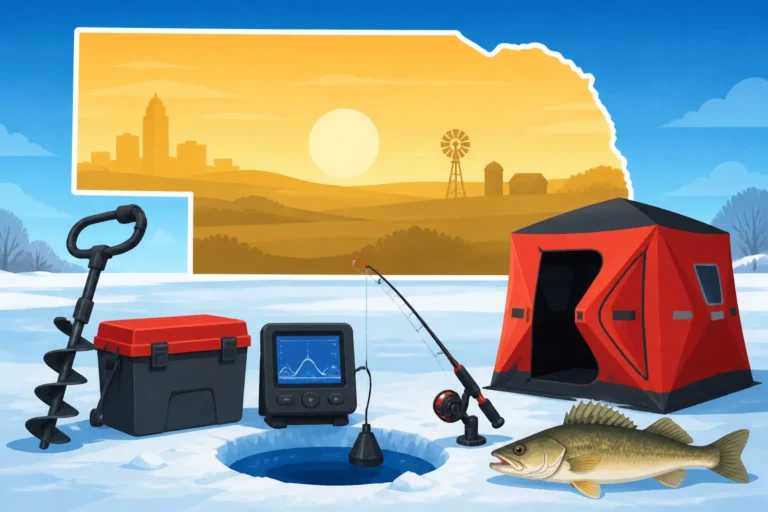
There’s nothing quite like the crisp air and quiet solitude of ice fishing in Nebraska, but let's be honest, staring down a hole for hours, wondering if there's anything beneath you, can get a little frustrating. The good news is, you don't have to fish blind anymore! This guide is here to walk you through everything you need to know about choosing the best fish finder for ice fishing, turning those quiet moments into exciting encounters with fish lurking below.
Why a Fish Finder is Essential for Nebraska Ice Fishing
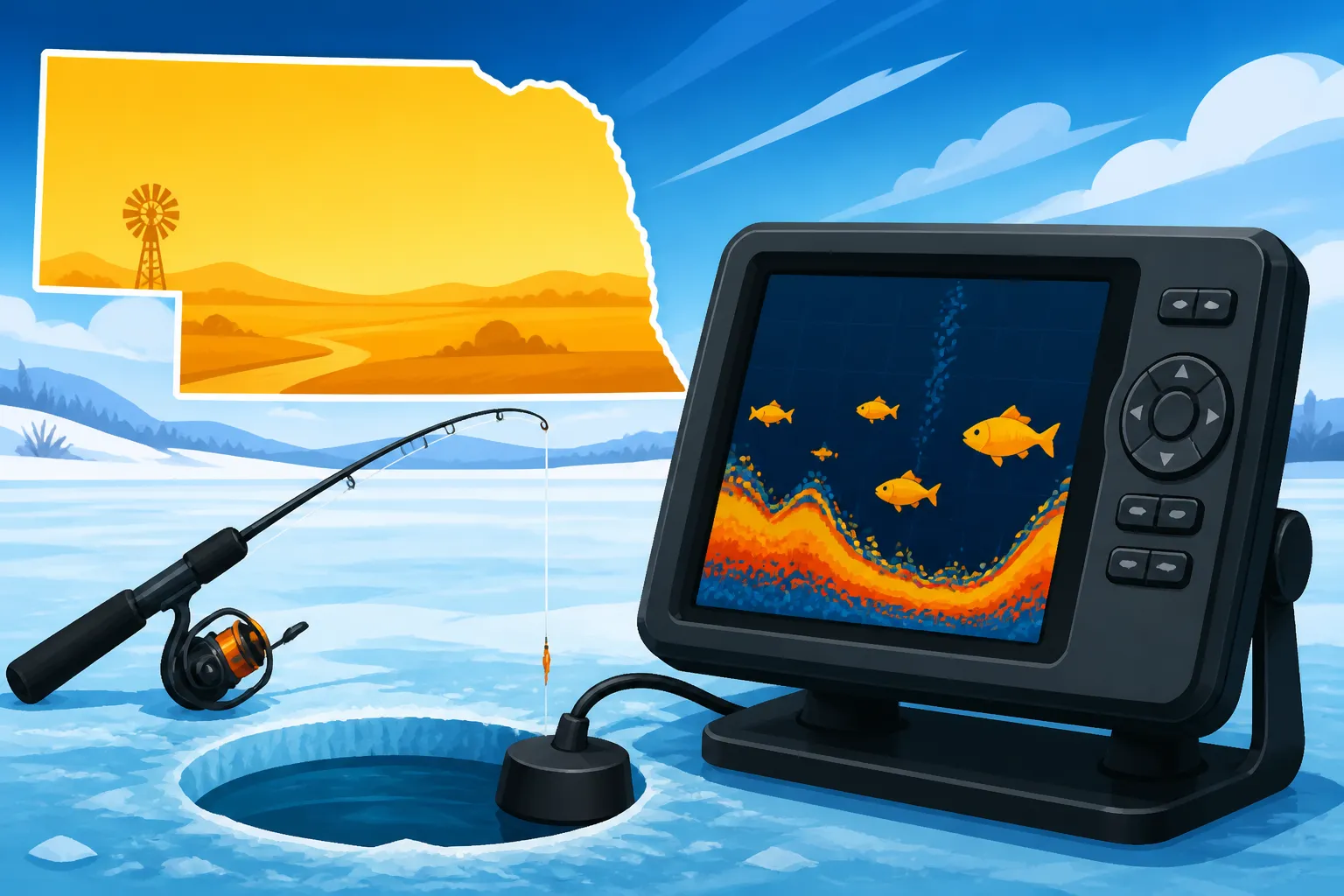
Ice fishing presents a unique challenge: you're limited to a tiny window into the underwater world. Unlike open water fishing where you can drift, troll, or cast widely, on the ice, you're pretty much committed to the small hole you've cut. This is where a quality fish finder becomes an absolute game-changer, transforming your experience from a guessing game into a strategic hunt.
The Advantage of Seeing Beneath the Ice
Imagine walking into a dark room without a flashlight. That's essentially what ice fishing without a fish finder is like. You're hoping for the best, relying on instinct, and maybe a little bit of luck. A fish finder acts as your underwater flashlight, illuminating what's happening beneath your hole in real-time. You can see the bottom, detect subtle changes in structure, and most importantly, identify fish. This isn't just about knowing fish are there; it's about understanding their behavior. Are they suspended? Are they hugging the bottom? How are they reacting to your jig? All these insights are invaluable.
Moreover, in Nebraska's diverse waters, from the vast expanses of Lake McConaughy to smaller urban ponds, understanding the subsurface can be crucial. Knowing whether you're over a weed line, a rocky drop-off, or a barren flat can dictate your success. It’s no longer just about drilling a hole and hoping; it’s about drilling a hole where you know fish are likely to be. This visual feedback lets you adjust your presentation, jigging style, or even bait choices almost instantly, providing a huge advantage over anglers fishing blind.
Saving Time and Increasing Success Rates
Time on the ice is precious, especially when the conditions are bitter cold. Drilling holes, setting up, and waiting for bites can be exhausting if you're not on fish. A good ice fishing fish finder dramatically cuts down on wasted effort. Instead of punching numerous holes in random spots, you can use your electronics to scout an area, identify promising structures, and even mark individual fish before you even drop a line. This efficiency means more time fishing in productive spots and less time moving around or waiting in barren ones.
Think about it: in Nebraska, where some days can be incredibly slow, knowing that fish are actively moving beneath you can be the difference between a successful outing and a frustrating one. You’ll spend less time wondering "Are they even here?" and more time focusing on presenting your bait effectively. This leads directly to a higher hook-up ratio and, let's be honest, a much more enjoyable day out on the hard water. It's a tool that pays for itself not just in fish caught, but in the sheer enjoyment and confidence it brings to your ice fishing adventures. This makes it an indispensable part of your Essential Gear Checklist for a First Ice Fishing Trip.
Types of Fish Finders for Ice Fishing
When you start looking at fish finders for ice fishing, you'll quickly realize there isn't a one-size-fits-all solution. Each type offers distinct advantages and disadvantages, making the "best" choice highly dependent on your personal fishing style, budget, and how much information you want at your fingertips. Understanding these differences is the first step to making an informed decision.
Flasher Units: The Traditional Choice
Flasher units are the old-school workhorses of ice fishing, and for good reason. They've been around for decades and are renowned for their real-time, instantaneous feedback. Instead of a traditional LCD screen showing a historical scroll, a flasher displays sonar returns on a circular dial using LED lights. The different colors and intensities of these lights indicate the strength of the sonar return, showing you the bottom, your lure, and any fish in the water column, all in real-time.
Anglers who swear by flashers love their simplicity and responsiveness. There’s virtually no lag, allowing you to see your jig descend, watch fish approach it, and even detect subtle changes as a fish inhales your bait. This direct, raw data is incredibly effective for active jigging. You can literally watch a fish move towards your presentation and anticipate the bite. Many ice anglers in Nebraska, particularly those targeting crappie or walleye, find flashers to be an intuitive and highly effective tool, offering quick target separation even in busy water. Brands like Vexilar and Marcum have built their reputation on robust, reliable flasher units that can withstand harsh winter conditions.
LCD/GPS Units: Modern Versatility
Moving into the more modern era, LCD (Liquid Crystal Display) or GPS fish finders offer a different experience. These are often units that are also designed for open-water use, adapted for ice fishing with specialized transducers and carrying cases. They provide a scrolling historical view of the sonar, much like what you'd see on a boat. This means you can track fish movements over time, see depth contours, and mark waypoints.
The biggest advantage of LCD units, especially those with built-in GPS, is their versatility. You can use them for open water fishing in the summer, and then easily convert them for ice fishing in the winter. The GPS feature is incredibly valuable for ice anglers, allowing you to mark productive holes, save hot spots, and navigate back to specific locations, perhaps a submerged hump you scouted at Harlan County Reservoir Fishing. Some units even offer pre-loaded lake maps or the ability to create your own contour maps. While they might have a slight delay compared to a flasher due to processing, the detailed graphical display and mapping capabilities make them excellent for understanding the broader underwater landscape and for those who appreciate more visual data beyond just real-time returns. Many anglers find the ability to record sonar and track historical movements particularly helpful for patterning fish. You can find excellent options from brands like Humminbird and Lowrance.
Panoptix/Live Sonar: The Game Changer
If flashers are the traditionalists and LCD/GPS units are the modern workhorses, then Panoptix (Garmin's version) or Live Sonar (Lowrance's ActiveTarget and Humminbird's Mega Live) are the absolute cutting edge, revolutionizing how we "see" underwater. These systems provide a live, real-time, three-dimensional view of what's happening around and beneath your hole. It's almost like having an underwater camera, but with sonar technology.
Instead of just a narrow cone directly below you, these advanced systems scan outward, showing you fish moving dozens of feet away from your hole, how they react to your bait, and even their direction of travel. This is an incredible advantage for active hunting. You can literally watch a school of crappie move into range, adjust your presentation, and see the individual fish react before they commit. While these units are significantly more expensive and require more power, for dedicated anglers targeting specific species like walleye or larger panfish, they offer an unparalleled level of insight. Imagine being able to see a trophy Nebraska Walleye Daily Bag Limit swimming 30 feet away and knowing exactly how to intercept it. This technology isn't just a fish finder; it's a real-time underwater observation system that dramatically changes the dynamics of ice fishing.
Key Features to Look for in an Ice Fishing Fish Finder
Choosing the right fish finder for ice fishing isn't just about picking a brand; it's about understanding the specific features that will genuinely make a difference when you're out on the frozen lakes of Nebraska. From braving sub-zero temperatures to deciphering subtle bites, your equipment needs to be up to the task.
Portability and Battery Life
When you're out on the ice, especially if you like to move and drill multiple holes, portability is paramount. You don't want to be lugging around a heavy, cumbersome setup. Look for units that come in a durable, often soft-sided, carrying case with a handle. This case usually houses the display unit, battery, and transducer, keeping everything organized and protected. A compact design that fits easily into a sled or backpack is a huge plus, particularly if you're hiking into remote spots at Box Butte Reservoir Ice Fishing.
Equally important is battery life. Unlike open water boats with charging systems, on the ice, you're relying solely on your battery. A full day of fishing, especially in cold weather which drains batteries faster, demands a long-lasting power source. Look for units that come with a good quality battery (often 12V, 7-9Ah lead-acid, or increasingly, more efficient lithium batteries). Some high-end units, especially those with larger screens or live sonar capabilities, will require even more robust batteries. Always consider bringing a spare or a portable power bank, particularly if you plan on an all-day or multi-day trip. You don't want your unit to die just as the fish start biting!
Screen Clarity and Resolution
Visibility is crucial, both in bright sunlight and in low-light conditions, or when battling snow glare. A clear, high-resolution screen will make a world of difference in your ability to interpret the sonar returns. Look for displays with good contrast and adjustable backlighting. On flashers, bright, distinct LED colors are key for differentiating between your lure, fish, and the bottom. For LCD units, a higher pixel count means a sharper image, allowing you to discern smaller details and fine-tune your jigging.
Screen size also plays a role. While smaller screens are more portable, a larger screen can be easier on the eyes, especially after hours of staring. If you're considering an LCD unit, a screen that's at least 5-7 inches is generally a good starting point for ice fishing, offering a balance between size and portability. The ability to zoom in on specific depths or areas of the water column is another feature that enhances clarity and helps you pinpoint fish.
Cone Angle and Transducer Performance
The transducer is the heart of your fish finder, sending and receiving sonar waves. For ice fishing, the cone angle of your transducer is incredibly important. This refers to the width of the sonar beam it sends out. A wider cone angle (e.g., 20-45 degrees) will show you a larger area beneath your hole, which is great for scouting for fish. However, it can also lead to less target separation and more "clutter" in deeper water. A narrower cone angle (e.g., 9-19 degrees) offers more precise target separation, allowing you to distinguish your bait from a fish, even if they're very close together. Many modern transducers offer multiple cone angles, allowing you to switch between wide for searching and narrow for precision jigging.
Consider the depth capabilities of the unit as well. While most Nebraska lakes aren't extreme deep-water fishing, some reservoirs can drop significantly, and you want a unit that can accurately read the bottom and detect fish at your target depths. Quality transducer construction, designed to withstand freezing temperatures and being dropped down a hole repeatedly, is also a factor to consider for long-term durability.
Additional Features: GPS, Mapping, and Recording
Beyond the core functions, many fish finders offer features that can elevate your ice fishing experience, especially for those who spend a lot of time on the water.
- GPS: As mentioned, GPS is fantastic for marking productive spots, navigating to specific contours, and safely returning to shore, particularly on large, featureless expanses of ice.
- Mapping: Some units come pre-loaded with detailed lake maps (like those from Lakemaster or Navionics), showing contours, weed lines, and structural elements. Others allow you to create your own maps using the sonar data you collect, which is incredibly powerful for discovering new hotspots and understanding specific bottom structures at Lake McConaughy Fishing Guide.
- Sonar Recording: The ability to record sonar data can be invaluable for reviewing your day, understanding fish behavior patterns, and identifying areas you might want to revisit.
- Temperature Sensor: Knowing the water temperature at different depths can provide clues about fish activity and where different species might be holding.
- Target Separation: High-end units boast superior target separation, meaning they can distinguish between individual fish, or between a fish and your lure, even when they're very close together. This precision is a huge advantage when fish are finicky.
While these features often come with a higher price tag, for the serious ice angler, they can provide a significant edge and enhance the overall enjoyment and success of your trips.
Popular Fish Finder Models for Nebraska Ice Anglers
Navigating the world of fish finders can feel overwhelming, with so many brands and models promising the moon. To help simplify your search, let's break down some popular options that Nebraska ice anglers often consider, from reliable entry-level choices to the cutting-edge technology. When checking them out, always remember that prices and specific features can change, so it's best to look up the latest details on the manufacturer's website or at retailers like Bass Pro Shops or Amazon.
Entry-Level Options for Beginners
For those just getting started with ice fishing or looking for a dependable unit without breaking the bank, several excellent entry-level flashers and basic LCD units offer fantastic value. These units typically prioritize core functionality – showing you fish and your jig – without all the bells and whistles of more advanced models.
A classic choice here is the Vexilar FL-8SE Genz Pack. This unit is legendary for its bulletproof reliability and ease of use. It’s a dedicated flasher, meaning you get that real-time, instantaneous display that's incredibly effective for vertical jigging. You’ll see your jig descend, watch fish approach, and immediately know when to set the hook. The Genz Pack is a complete system, coming with a sturdy case, battery, and transducer, making it ready to hit the ice right out of the box. It’s a simple, robust unit that has helped countless anglers catch more fish in Nebraska’s winter wonderland. For those seeking simplicity and reliability, this is often a top recommendation.
Another strong contender in the entry-level category is a portable Garmin Striker 4 Ice Fishing Bundle. While it's an LCD unit rather than a flasher, the Striker 4 offers excellent CHIRP sonar technology for clear target separation and includes GPS. The GPS is a fantastic bonus at this price point, allowing you to mark hot spots and navigate to specific locations. It comes with an ice fishing transducer, battery, charger, and a portable bag, making it a versatile option for anglers who might also want to use it for summer fishing from a kayak or small boat. It provides a more traditional scrolling sonar view, which some beginners might find easier to interpret initially, along with the added benefit of mapping. You can often find these types of bundles at outdoor retailers or online, like on Amazon, providing a solid starting point for your ice fishing adventures.
Mid-Range Workhorses for Serious Anglers
Stepping up a notch, mid-range fish finders offer a blend of advanced features, improved performance, and enhanced durability without venturing into the high-end price bracket. These are often the preferred choice for serious ice anglers who spend many days on the ice and want more detailed information.
The Marcum LX-7 is a prime example of a mid-range flasher-style unit that offers far more than its entry-level counterparts. It features a large, crisp LCD display that can be customized to show traditional flasher views, vertical graphs, or even a combination. This versatility allows you to choose your preferred display while benefiting from Marcum's renowned target separation and power. The LX-7 often comes with a detailed zoom function, allowing you to magnify specific sections of the water column to see even the most subtle bites. It's a highly capable unit that’s popular among walleye and perch anglers in places like Lake McConaughy Walleye Fishing, where precise lure presentation is key.
For those leaning towards feature-rich LCD units, the Humminbird HELIX 7 CHIRP GPS G4N Ice Fish Finder is a fantastic choice. This unit boasts a bright, high-definition 7-inch display, powerful CHIRP sonar, and robust GPS capabilities with built-in mapping. The G4N models also integrate networking features, allowing for future expansion with other accessories. What makes the HELIX 7 particularly appealing for ice fishing is its incredible detail and the ability to zoom in with precision. It offers different viewing options, including a flasher mode, making it versatile for various fishing situations. You can mark individual fish, track movements, and use the detailed maps to find structure and depth changes. These units are often available at stores like Bass Pro Shops, where you can compare different models and get expert advice. They provide exceptional value for anglers who want advanced performance and mapping in one package.
High-End Units for the Ultimate Edge
For the angler who demands the absolute best, who wants every possible advantage on the ice, high-end fish finders represent the pinnacle of technology. These units often feature large, ultra-bright screens, incredibly powerful sonar, and, most notably, live imaging capabilities.
The Garmin LiveScope Ice Bundle with a Garmin Echomap unit is a prime example of the ultimate ice fishing setup. LiveScope provides a real-time, live-scanning sonar image that shows you fish moving around your hole in a wide, forward or downward view. You can see your jig, the fish approaching it, and their reactions in stunning detail, up to 100 feet away in some conditions. This isn't just seeing fish; it's watching them in a way that was unimaginable just a few years ago. While it's an investment, the ability to see so much of the underwater world in real-time gives you an incredible edge, allowing you to intercept cruising fish or pinpoint schools of panfish. This technology is particularly game-changing for actively hunting down suspended fish or covering wider areas without drilling countless holes.
Similarly, Lowrance HDS Live with ActiveTarget Live Sonar or Humminbird HELIX with Mega Live Imaging offer comparable, cutting-edge live sonar experiences. These systems allow you to rotate your transducer to scan areas around your hole, providing a truly dynamic view. Imagine being able to see a walleye approach from 40 feet away at Merritt Reservoir Walleye Fishing and adjust your presentation to entice it. These high-end units typically feature large, touch-screen displays, advanced mapping, and exceptional processing power, ensuring a smooth, detailed, and responsive experience. They represent a significant investment in technology, but for the passionate ice angler who wants the most advanced tools available to maximize their success, these live sonar systems truly offer an ultimate edge.
| Feature / Model Type | Flasher Units (e.g., Vexilar FL-8SE) | LCD/GPS Units (e.g., Humminbird HELIX 7) | Live Sonar Units (e.g., Garmin LiveScope) |
|---|---|---|---|
| Display Type | Circular LED Dial | Digital LCD Screen | High-Resolution Digital LCD Screen |
| Real-Time Feedback | Excellent (Near Instantaneous) | Good (Slight Processing Delay) | Exceptional (Live Video-like) |
| View Area | Narrow cone directly below hole | Scrolling view below hole | Wide, adjustable view around and below hole |
| Target Separation | Very Good | Excellent | Phenomenal |
| Mapping/GPS | Limited/None | Often included/Excellent | Excellent (Typically built into main unit) |
| Battery Life | Generally Long | Moderate to Long | Shorter (Higher Power Draw) |
| Portability | Very Good (Compact) | Good (Larger Screen, More Components) | Moderate (More Components, Larger Battery) |
| Learning Curve | Moderate (Unique Display) | Easy (Familiar Scrolling) | Moderate to High (Interpreting 3D data) |
| Price Point | Entry to Mid-Range | Mid to High-End | Very High-End |
| Best For | Active jigging, direct feedback | General scouting, mapping, versatility | Actively hunting fish, observing reactions |
Setting Up and Using Your Ice Fishing Fish Finder
Getting a fish finder is one thing; making it work effectively on the ice is another. There's a small learning curve, but once you understand the basics of setup and interpretation, you'll wonder how you ever fished without it. Proper setup ensures you get the clearest readings, and knowing what you're looking at maximizes your chances of success.
Proper Transducer Placement in the Hole
The transducer is your fish finder's eye, and its placement is crucial for clear readings. For ice fishing, you'll typically be using a "float" or "arm" style transducer that sits just below the ice in your hole. The goal is to get the transducer submerged in the water without touching the sides of the ice or the bottom of the hole, and to ensure it's level.
Here’s how to do it right:
- Clear the Hole: After drilling your hole, use a skimmer to remove any ice chips and slush. This ensures a clear path for the sonar waves and prevents interference.
- Submerge and Level: Gently lower your transducer into the hole. Most ice transducers come with a foam float or a special arm designed to hold it at the correct depth and keep it level. The transducer should be fully submerged, about 1-2 feet below the surface is usually sufficient. Make sure it's not pressing against the ice walls, as this can cause interference (noise) on your screen.
- Check for Interference: Once submerged, turn on your fish finder. If you see a lot of random lines or clutter, try adjusting the transducer's depth or rotating it slightly. Sometimes, tiny air bubbles trapped under the ice or even strong currents can cause interference. For Nebraska Ice Fishing Regulations, you'll want to ensure you're in compliance with any rules regarding equipment.
- Avoid Weeds/Debris: If you’re fishing in an area with heavy weeds, try to find a spot where your transducer is clear of them. Weeds can absorb sonar signals, leading to inaccurate readings.
Correct placement makes all the difference, providing you with a clean, understandable picture of the underwater world.
Interpreting Your Fish Finder's Display
This is where the magic happens, but it can take a little practice, especially with flasher units.
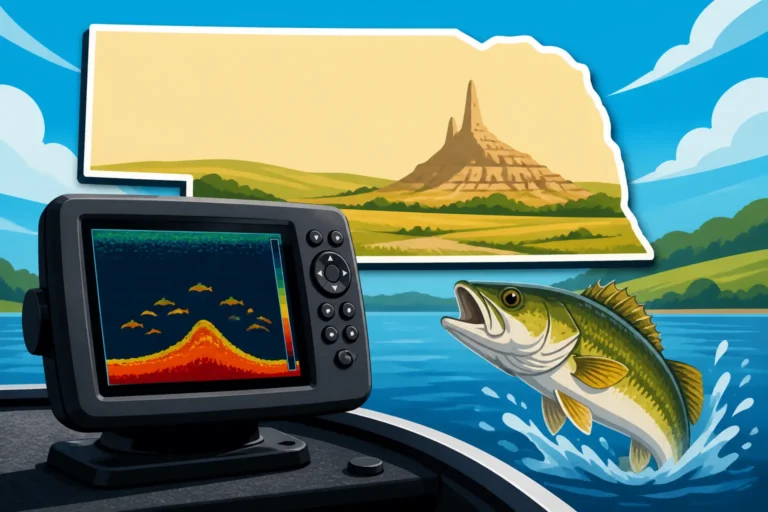
- Flasher Units: On a flasher, the different colored segments radiating from the center indicate depth and intensity.
- Bottom: Usually shown as a wide, consistent band of red or orange at the outer edge of the display. A harder bottom (rock, gravel) will show a thicker, brighter band. A softer bottom (mud, silt) will be thinner.
- Your Lure/Bait: This will appear as a distinct, often narrow, colored line or segment that you can track as you raise and lower your rod. You’ll see it move up and down on the dial.
- Fish: Fish appear as colored segments between your lure and the bottom. A stronger, thicker, or brighter return typically indicates a larger fish or a fish directly in the center of your cone. You'll see these segments "blink" or appear/disappear as fish swim in and out of the sonar cone. Observing how fish react to your lure (e.g., swimming up to it, moving away) is key.
- LCD Units: These are often more intuitive, resembling what you'd see on a boat.
- Bottom: Clearly drawn as a line or contour at the bottom of the screen.
- Fish Arches/Symbols: Fish can appear as "arches" (if the transducer and fish are moving relative to each other) or as fish symbols (if you have that feature enabled). A bigger arch or symbol generally means a bigger fish.
- Your Lure: Will appear as a distinct line or dot moving up and down the screen.
- Color Palette: LCD units often have different color palettes to highlight stronger returns, making it easier to distinguish fish from bait and bottom.
Spend time watching your display, even when you're not getting bites. This practice will help you recognize what a fish looks like versus debris, and how your lure appears at different depths. Many units have a demo mode you can use at home to get familiar with the display before you hit the ice.
Maximizing Battery Life on the Ice
Nothing sours an ice fishing trip faster than a dead battery. Here’s how to squeeze every drop of power out of your fish finder's battery:
- Keep it Warm: Cold weather drastically reduces battery efficiency. Store your battery in an insulated pouch, inside your jacket, or even in a small cooler with a hand warmer when not in use. Many ice fishing packs have dedicated, insulated battery compartments.
- Dim the Screen: The screen backlight is often the biggest power consumer. Adjust your screen brightness to the lowest setting that's still comfortable for viewing, especially on LCD units.
- Turn Off Unnecessary Features: If your unit has GPS, mapping, or other advanced features you're not actively using, turn them off. They can draw power even if you're not constantly interacting with them.
- Charge Properly: Always fully charge your battery before each trip. Follow the manufacturer's recommendations for charging and maintenance, especially for lead-acid batteries which benefit from a "maintainer" charger during storage.
- Consider an Upgrade: If you're a frequent ice angler, investing in a high-quality lithium-ion battery can be a game-changer. They are lighter, hold a charge better in the cold, and provide more consistent power throughout their discharge cycle. While more expensive upfront, they can be a worthwhile investment for serious anglers, especially for long days at Lake Ogallala Below McConaughy Dam Trout Fishing.
- Bring a Spare: For longer trips or very cold conditions, having a fully charged spare battery is excellent insurance.
By being mindful of these tips, you can ensure your fish finder stays powered up and helps you find fish all day long.
Tips for Ice Fishing with a Fish Finder in Nebraska
A fish finder is a powerful tool, but it's most effective when you combine its insights with smart fishing strategies. Understanding how to interpret what your screen is telling you and how to react to it can turn an average day on the ice into an exceptional one.
Locating Structure and Depth Changes
Fish, especially larger species like walleye or bass, are almost always associated with structure or significant depth changes. Your fish finder is your best friend for identifying these key areas, even through thick ice.
- Bottom Contours: Pay close attention to the bottom line on your display. A consistent, flat line indicates a featureless bottom, which might hold fish, but usually, they prefer more varied terrain. Look for areas where the bottom rises (humps, submerged islands) or drops off steeply (points, ledges). These are natural ambush points or travel corridors for fish. On an LCD unit with mapping, you can even pre-scout these areas before you drill a hole, making your initial setup much more efficient.
- Weed Lines and Timber: While hard to distinguish perfectly on all units, thick, "fuzzy" or inconsistent bottom returns can often indicate submerged weed beds or timber. These provide excellent cover and food sources for panfish, bass, and northern pike. If you see fish near these areas, try presenting your bait right at the edge of the cover.
- Suspended Structure: Sometimes, you might see "clutter" or faint lines suspended off the bottom. This could be anything from schools of baitfish to brush piles that don't quite reach the surface. Always investigate these areas, as game fish are often nearby, preying on bait or using the cover. This is especially true for crappie, which love to suspend around brush at Branched Oak Lake Crappie Fishing.
- Transitions: The most productive spots are often where different types of structure meet – a rocky point leading to a muddy flat, or a weed line next to an open channel. Your fish finder helps you pinpoint these crucial transition zones.
Identifying Different Fish Species
While a fish finder won't tell you the exact species, with experience, you can often make educated guesses based on behavior, depth, and the size/shape of their sonar return.
- Walleye: Often hug the bottom or suspend slightly above it, particularly around structure. Their returns can be strong and distinct. They may move slower and investigate a bait before committing. If you see a strong, elongated mark near a break line, it might very well be a walleye.
- Crappie/Perch: These panfish often school up and suspend in the water column, sometimes in dense clouds. Their individual returns might be smaller, but when they're stacked up, they'll create a large, impressive blob on your screen. They tend to be more active, chasing jigs and moving vertically.
- Catfish: While not as commonly targeted through the ice, catfish are powerful fish that often show up as strong, thick returns, typically near the bottom in deeper holes or river channels. They can be less responsive to fast jigging, often requiring more patience.
- Bass: Largemouth bass might relate to submerged cover or structure, appearing as strong marks. Smallmouth bass, more common in clear, rocky lakes and rivers, often relate to bottom transitions or humps. They can be aggressive, shooting up to hit a bait.
Over time, as you catch different species, you'll start to recognize patterns in how they appear and behave on your specific unit. This builds confidence and helps you fine-tune your approach for Nebraska Fish Species Identification Guide.
Combining Sonar with Jigging Techniques
Having a fish finder isn't just about seeing fish; it's about reacting to them. The real power comes when you integrate the visual feedback with your jigging techniques.
- Lure Presentation: Watch your lure on the screen. See how quickly it falls, how it twitches, and how fish react. If fish are sluggish, try a smaller jig or a more subtle presentation. If they're aggressive, speed up your jigging.
- Targeting Suspended Fish: If you see fish suspended at 15 feet in 25 feet of water, drop your bait just above them. Fish often look up for food, and presenting above them can trigger a strike. Your fish finder allows you to place your bait precisely where the fish are.
- Reacting to Follows: When you see a fish rise to investigate your lure but not commit, this is your cue to change something. Speed up, slow down, try a different twitch, or even lift your lure away slightly to trigger a chase instinct. With a flasher or live sonar, you can observe these subtle reactions in real-time.
- Deciphering Finicky Bites: Sometimes fish are there, but they're not hitting hard. A fish finder can show you tiny movements in your line or lure as a fish mouths it, indicating a bite you might not feel otherwise. This is especially true for panfish that might just lightly "peck" at your bait.
- Bait Selection: If you see fish ignoring your small jig, perhaps they're looking for something bigger. If they're only responding to a tiny offering, you know to downsize. The real-time feedback helps you make these decisions on the fly.
- Hole Hopping Strategy: Use your fish finder when moving from hole to hole. Before dropping a line, send your transducer down. If you don't see any promising marks or structure, move on to the next hole. This strategic approach to Nebraska ice fishing techniques saves time and energy, ensuring you're fishing in the most productive locations.
By actively engaging with your fish finder and adjusting your tactics based on what you see, you'll transform your ice fishing into a more dynamic and successful pursuit.
Disclaimer
This article is for general informational purposes only and does not constitute professional advice. Laws, prices and regulations vary by location and change over time. Consult a qualified professional for guidance on your specific situation.