Best Rod Holders for Bank Fishing
There’s nothing quite like the peace and quiet of bank fishing in Nebraska, but let's be real: constantly holding your rod, especially during those long waits for a bite, can turn a relaxing outing into a test of endurance. We’ve all been there, balancing a rod on a tree branch, propping it with a rock, or worse, watching it tumble into the water when that unexpected lunker hits. This guide is all about banishing those frustrations, showing you how the right rod holder can revolutionize your bank fishing experience, offering comfort, better bite detection, and crucial gear protection.
Why Rod Holders Are a Game-Changer for Bank Anglers
Bank fishing offers a unique charm – the freedom to explore, find that perfect quiet spot, and connect with nature. But it also comes with its own set of challenges, particularly when it comes to managing your fishing rods. This is where a good rod holder steps in, transforming your angling adventures from a constant vigil into a truly relaxed experience.
More Relaxation and Less Fatigue
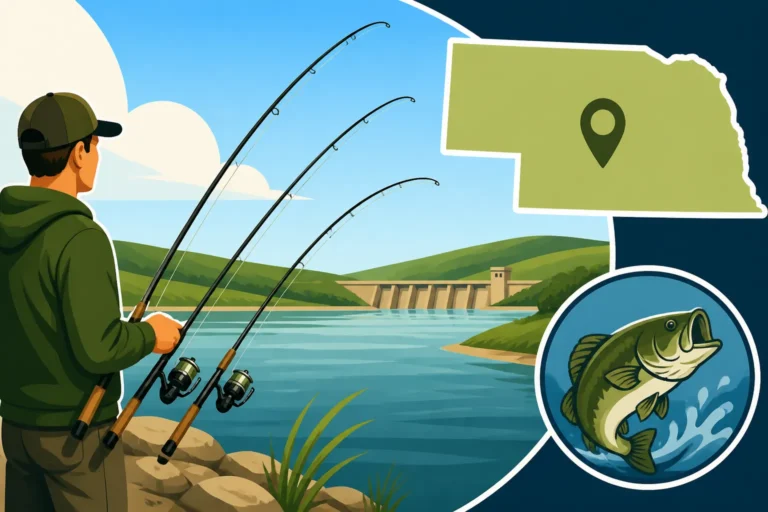
Imagine this: you're set up on the bank of Branched Oak Lake, the sun is just starting to dip, casting a golden glow over the water, and you've got a couple of lines out, hoping for a hungry channel cat. Instead of gripping your rod with a white-knuckle hold, your rod is securely nestled in a holder, its tip patiently watching the water. You can lean back in your camp chair, sip on your coffee, and simply enjoy the moment. This isn't just about comfort; it's about extending your time on the water. When your arms aren't aching from hours of holding a heavy rod, you're more likely to stay out longer, increasing your chances of success. For those long, patient waits often required when targeting species like walleye at Lake McConaughy Fishing Guide or larger catfish, this comfort is invaluable.
The physical strain of holding a rod for hours on end is real. It leads to shoulder fatigue, wrist strain, and a general feeling of being worn out, even if you haven't fought a fish. A quality rod holder eliminates this, allowing your muscles to relax. This is especially true if you're fishing with multiple rods, which many Nebraska anglers do, keeping an eye on Nebraska Rules on Number of Fishing Poles Per Angler. Without holders, juggling several rods quickly becomes a chaotic and tiring task. With them, you can easily manage two or three lines, spreading your chances across different baits or depths, all while remaining comfortable and alert.
Improved Bite Detection and Hooksets
One of the unsung heroes of a good rod holder is how it enhances your ability to detect bites. When your rod is stable, every subtle twitch, tap, or gentle pull is magnified at the rod tip. If you’re holding the rod, your own movements, even unconscious ones, can mask these delicate indicators. This is particularly crucial when targeting wary fish or when they’re feeding lightly. Think about those soft crappie bites or a cautious walleye nudging your bait – a stable rod in a holder gives you a much clearer picture of what's happening beneath the surface.
Furthermore, a well-placed rod holder can actually aid in your hooksets. When a fish takes the bait, and the rod is firmly planted, there’s often a clear bend in the rod. This tension allows you to react quickly, lifting the rod from the holder and executing a powerful, decisive hookset. There’s no fumbling, no delay from having to shift your grip, just a smooth transition from observation to action. For aggressive species like flathead catfish in the Platte River, where the bite can be sudden and powerful, a secure holder means your rod won't be yanked away before you even have a chance to react.
Protecting Your Valuable Gear
Let's face it: fishing gear isn't cheap. Rods, reels, and even expensive tackle can quickly add up. The thought of a prized rod being dragged into the murky depths or shattering against sharp rocks is enough to make any angler cringe. This is a very real danger for bank anglers who don't utilize proper rod support. A powerful strike, a strong current, or even a clumsy bump can send an unattended rod flying.
A sturdy rod holder acts as a safeguard for your investment. It keeps your rod securely in place, preventing it from being pulled into the water by a hard-hitting fish or knocked over by wind or an accidental kick. This is especially important when fishing from uneven banks, docks, or rocky shores, common scenarios across Nebraska's diverse waterways, from the rugged Missouri River banks to the serene shores of Merritt Reservoir. Beyond preventing catastrophic loss, rod holders also protect your gear from minor damage like scrapes, dings, and bent guides that can occur when rods are carelessly propped against trees or laid on the ground. A small investment in a good rod holder can save you a much larger expense in replacement gear down the line.
Types of Rod Holders for Bank Fishing in Nebraska
When it comes to keeping your fishing rod secure while bank fishing in Nebraska, you've got more options than just sticking it in the dirt. Different situations and personal preferences call for different types of rod holders. Let's break down the most popular choices and what makes them tick.
Spike/Stake Rod Holders
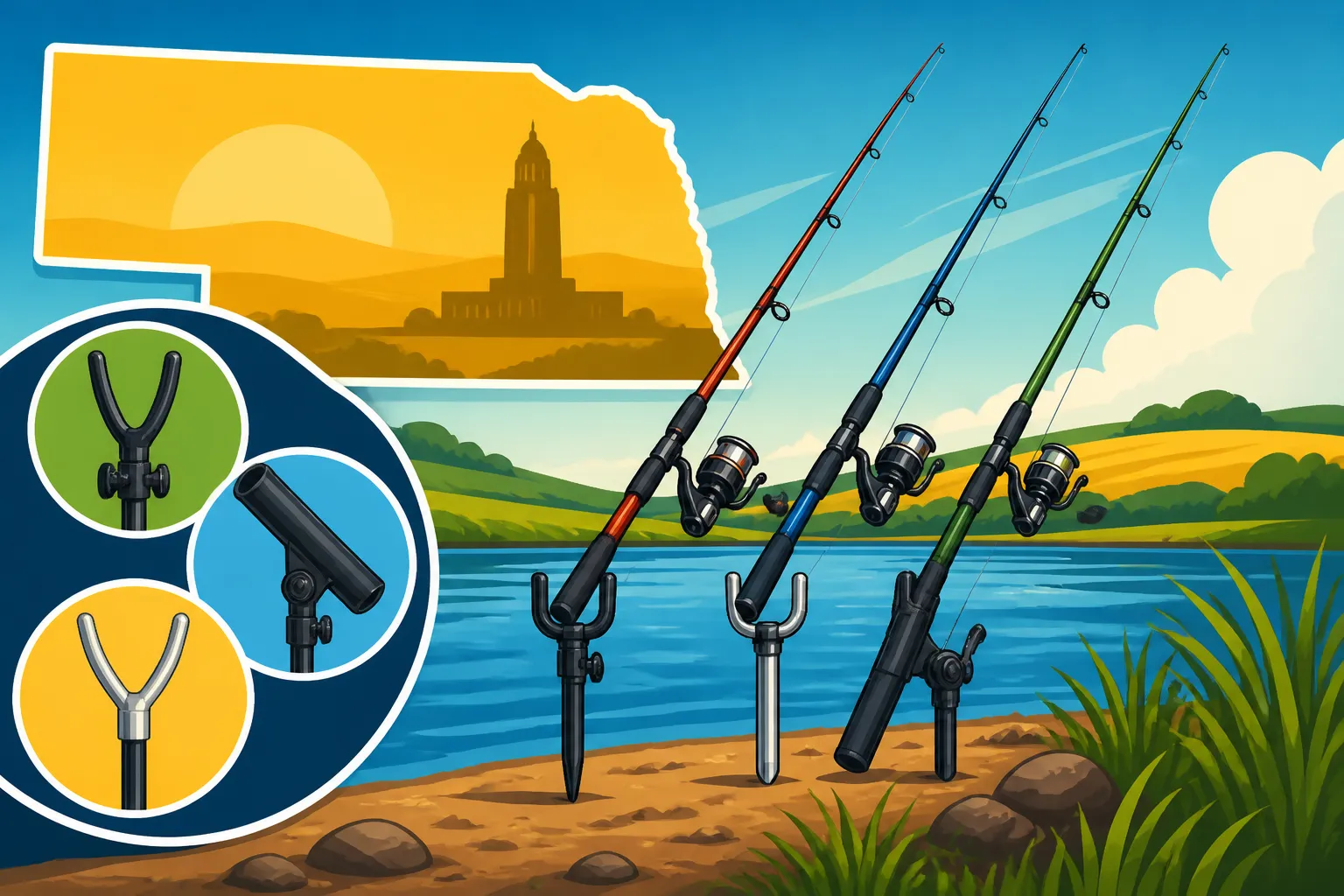
These are arguably the most common and simplest type of rod holder you'll see on the banks of Nebraska's lakes and rivers. A spike rod holder, often made of metal or sturdy plastic, features a pointed end that you drive into the ground. At the top, there's typically a U-shaped or conical cradle designed to hold the butt of your rod and another open cup or groove to support the rod shaft. They're incredibly straightforward – just push or hammer them into the dirt, slide your rod in, and you're good to go.
The pros of spike holders are numerous for the typical Nebraska angler. They are lightweight, compact, and highly portable, making them easy to carry to even the most secluded fishing spots. They're also relatively inexpensive, allowing you to buy several without breaking the bank. They excel in soft to moderately firm ground, such as the sandy banks along the Platte River or the soft soil around many of the state's public ponds and Nebraska Farm Pond Fishing Permission and Access locations. However, they do have their limitations. They aren't ideal for extremely rocky terrain where you can't get a good purchase, nor are they suitable for frozen ground during winter ice fishing season (though that's a different kind of "bank" fishing!). Angle adjustment can also be limited, often relying on how you orient them in the ground.
Tripod Rod Holders
When you need more stability or plan to use multiple rods, a tripod rod holder steps up to the plate. As the name suggests, these holders typically have three adjustable legs that spread out, creating a very stable base. At the top, they often feature a crossbar or multiple cradles designed to hold one, two, or even three rods. They are much more robust than single spikes and provide a more elevated and adjustable platform for your rods.
Tripod holders shine in situations where the ground is uneven, hard-packed, or you simply need rock-solid stability. This makes them excellent for fishing from concrete docks, rocky breakwaters, or areas with dense, compacted soil where a spike holder might struggle to penetrate. Many models offer significant adjustability in height and rod angle, allowing you to fine-tune your setup for optimal bite detection and rod tip positioning. For serious multi-rod setups, perhaps during a Nebraska Catfish Tournament Permit Rules event or a relaxed family outing where everyone has a line out at Fremont Lakes State Recreation Area Fishing, the tripod's capacity and stability are invaluable. The main downsides are their increased bulk and weight compared to spike holders, making them less ideal for long hikes to remote locations. They also tend to be more expensive, but the added stability and features can be well worth the investment.
Bank Sticks and Buzz Bars
Originating largely from European carp fishing traditions, bank sticks and buzz bars offer a highly modular and adjustable system for bank anglers. A "bank stick" is essentially an adjustable spike holder, often featuring a threaded top. A "buzz bar" is a horizontal bar that screws onto one or two bank sticks, providing multiple attachment points for rod rests (front supports) and bite alarms. This system allows for incredible precision in rod positioning and is popular with anglers who use electronic bite alarms.
The key advantage here is versatility and precision. You can adjust the height of each rod individually, angle them exactly as needed, and easily incorporate bite alarms for enhanced detection, especially during Nebraska Night Fishing Rules. Buzz bars come in various lengths, allowing you to fish two, three, or even four rods close together with excellent stability. This setup is particularly effective for targeting larger, more cautious species like carp or catfish, where fine-tuned presentation and immediate bite notification are crucial. While perhaps less common among casual Nebraska anglers, dedicated enthusiasts appreciate the control this system offers. The primary cons are that setting up a full bank stick and buzz bar system can be more involved than simply pushing a spike into the ground, and it can be a bit more of an investment upfront, requiring multiple components.
Bucket-Style or Standalone Holders
These types of rod holders are less common for active, hands-free fishing but serve useful purposes for organization and temporary rod storage. A bucket-style holder might involve a sturdy fishing bucket with integrated rod tubes or external holders, or it could be a simple, heavy base designed to hold a single rod upright. They are often used when you're moving between spots, need a place to stash a rod while re-tying, or are fishing in an area where traditional spike or tripod holders aren't feasible.
Their main advantage lies in their simplicity and portability for non-fishing purposes. A bucket with rod holders, for instance, can double as storage for bait, tackle, or even a seat. Standalone bases can work on hard surfaces like concrete without needing to be driven into the ground. However, for genuinely hands-free fishing where you need to detect subtle bites, they typically lack the stability and precise rod positioning of spike, tripod, or bank stick systems. They're more about convenience than active fishing support. For a casual day at a local pond or a quick stop at a Nebraska State Park Fishing Permit Rules area, they can certainly be handy for keeping your rods organized and out of the way.
Key Features to Consider When Choosing a Rod Holder
Selecting the perfect rod holder isn't just about picking the first one you see. Just like choosing the right bait or Best Rod Setup for Nebraska Catfish, there are specific features that can make a huge difference in your bank fishing experience. Thinking about these details beforehand will ensure your holder is effective, durable, and suited to your personal fishing style and the diverse environments Nebraska offers.
Material and Durability
The material your rod holder is made from directly impacts its lifespan and performance, especially given Nebraska's varied weather conditions. You want something that can stand up to the elements – sun, rain, dirt, and even the occasional rough handling.
- Stainless Steel: Often considered the gold standard for durability. Stainless steel is highly resistant to rust and corrosion, making it an excellent choice for any water body, including the often-muddy Missouri River or the alkaline waters of some Sandhills lakes. It's robust and can withstand considerable force from a striking fish or accidental bumps. The downside is that it tends to be heavier and more expensive.
- Aluminum: A great middle-ground option. Aluminum is lighter than steel, still offers good corrosion resistance (especially if anodized), and is generally strong enough for most bank fishing applications. It's a popular choice for tripod holders where weight is a factor.
- Plastic/PVC: Economical and very lightweight, plastic holders are often found in simpler spike designs or as components in more complex systems. Quality varies greatly; look for heavy-duty, UV-resistant plastics that won't become brittle in the sun or cold. While great for casual use or if you're on a tight budget, they may not offer the same longevity or brute strength as metal options, especially against powerful fish or repeated heavy use.
Consider the ground you'll be fishing on too. If you're constantly driving a spike into hard, rocky soil, a flimsy plastic spike might not last long. A sturdy metal one, whether stainless or heavy-gauge aluminum, will serve you far better. Investing in durable materials means your rod holder will be a reliable companion for many seasons to come, whether you pick it up at Bass Pro Shops or order it through Amazon.
Adjustability (Angle, Height, Multi-Rod)
The ability to adjust your rod holder is paramount for adapting to different fishing techniques, water levels, and bank conditions. A static holder limits your versatility, but a highly adjustable one can make all the difference.
- Angle Adjustment: This allows you to position your rod tip exactly where you want it. For still fishing with bait, you might want your rod tip low to the water to minimize wind interference and get a straight line to your bait. For detecting subtle bites with a bobber, you might prefer the rod tip higher. Adjustable angles also help prevent your rod from being pulled straight into the water if a powerful fish makes a run directly away from you. Look for holders with locking mechanisms or multiple preset angle options.
- Height Adjustment: Different rod lengths, bank heights, and personal preferences call for varying heights. A height-adjustable holder lets you keep your reel off the ground, prevent your line from dragging in shore debris, and position your rod comfortably for easy access. Telescoping legs on tripod holders or adjustable length on bank sticks are key features here.
- Multi-Rod Capacity: If you frequently fish with more than one rod – which is entirely legal in Nebraska up to the specified limits – a multi-rod holder is a game-changer. Tripod holders and buzz bar systems are designed specifically for this, allowing you to space your rods out, prevent tangles, and monitor multiple lines effectively. This can be incredibly useful when trying different baits or targeting multiple species simultaneously.
The more adjustable your rod holder, the more scenarios it can handle, offering a truly versatile tool for your bank fishing arsenal across Nebraska's diverse fishing opportunities.
Portability and Setup Ease
Think about how you get to your favorite fishing spots. Are you parking right next to the water, or do you have a long hike over uneven terrain to reach a secluded cove? The portability and ease of setup of your rod holder will directly impact your overall fishing enjoyment.
- Portability: Lightweight and compact designs are crucial if you're hiking to spots at places like Indian Cave State Park or exploring remote areas of the Platte River. Spike holders excel here, as they're typically just a single piece of metal or plastic. Tripod and multi-rod systems can be bulkier and heavier, so consider models that fold down compactly or come with a carrying bag. If you're fishing close to your vehicle, portability might be less of a concern, but it's always nice to have gear that doesn't feel like a burden.
- Setup Ease: The last thing you want to do when you arrive at your fishing spot, eager to cast a line, is struggle with complicated gear. Simple, quick setup is key. Spike holders are usually the quickest – just push them into the ground. Tripod holders should have intuitive leg adjustments and quick-release mechanisms for attaching rod cradles. Some bank stick and buzz bar systems, while offering great adjustability, can take a bit more time to assemble, especially if you're deploying multiple units and bite alarms. Consider how much time you're willing to spend setting up versus fishing. The ideal holder allows you to get your lines in the water quickly and efficiently, maximizing your angling time.
A good balance between features, durability, and ease of use means you'll be more inclined to bring and use your rod holder every time you hit the bank, leading to a more comfortable and productive fishing experience.
Setting Up Your Rod Holders for Success
Getting the right rod holder is only half the battle; knowing how to set it up effectively can make all the difference in your bank fishing success. A poorly placed or unsecured holder is almost as bad as no holder at all, potentially leading to missed bites or even lost gear. Let's dig into how to optimize your setup for Nebraska's diverse bank fishing environments.
Choosing the Right Location and Angle
The spot you choose for your rod holder is just as important as the spot you choose to cast your bait. It's all about creating an optimal presentation and ensuring maximum bite detection.
First, assess the bank itself. Is it sandy, muddy, rocky, or heavily vegetated? Spike holders work best in softer ground, while tripods offer stability on harder or uneven surfaces. Make sure there's enough clear space behind and around your holder to operate your rod without snags, especially if you need to quickly grab it for a hookset. Consider the proximity to obstacles like trees or brush that could foul your line.
Next, think about the water and your target species. If you're fishing for bottom-dwelling species like catfish, you might want your rod tip positioned lower to the water to minimize line sag and allow for a more direct line to your bait. This helps in detecting those subtle "pick-up" bites. If you're fishing with a bobber for crappie or bluegill, a higher rod tip might be better for visibility and to keep your line out of shallow water debris. The angle of the rod is crucial:
- Parallel to the bank: Good for minimizing the visual footprint and for subtle bites.
- Angled slightly towards the water: Often best for direct hooksets and reducing line slack.
- Angled perpendicular to the bank: Useful if you're trying to fish a specific deep channel or drop-off directly in front of you.
Always aim for an angle that allows the rod tip to bend naturally when a fish bites, without the rod being pulled excessively downward into the water or sharply sideways. This subtle bend is your primary indicator.
Securing Your Rod Holder and Rod
A rod holder is only effective if it's secure. There's nothing worse than watching a powerful fish yank your rod and holder right into the water!
For spike holders, ensure they are driven deep and firmly into the ground. If the ground is too hard, try to find a crack or crevice to get it started, or bring a small mallet or rock to assist. Wiggling it back and forth as you push can also help. Once in, give it a good tug to confirm it won't easily pull out. You want it to withstand the sudden jolt of a good bite.
With tripod holders, spread the legs wide for maximum stability. Adjust the leg length to level the holder on uneven ground. On slippery surfaces like concrete, ensure the rubber feet (if present) have a good grip. Some tripod models have pegs or loops at the base that allow you to stake them down for added security, which is a smart move if you're expecting big fish or fishing in windy conditions.
Once the holder is secure, place your rod gently but firmly in the cradle. Most rod holders have a retention mechanism – a clip, a deep cradle, or a U-shaped front rest – that keeps the rod from bouncing out. Make sure the rod butt is seated properly in the rear cup and the rod shaft is resting securely in the front support. Avoid jamming the rod in too tightly, as you'll need to grab it quickly. Conversely, if it's too loose, a powerful strike could send it flying. You want a snug fit that allows for easy, quick retrieval. For How to Catch Catfish From the Bank where bites can be aggressive, a robust, secure fit is non-negotiable.
Incorporating Rod Holders into Different Fishing Scenarios
Rod holders aren't just for passive bait fishing; they can be integrated into various techniques and situations.
- Multi-Rod Catfishing: For anglers targeting channel or flathead catfish, especially during Nebraska Night Fishing Rules, deploying multiple rods is common. Use several spike holders spaced appropriately or a multi-rod tripod. This allows you to present different baits at varying distances or depths, increasing your chances.
- Relaxed Family Outings: If you're fishing with kids or just want a chill afternoon, rod holders take the stress out of constantly supervising rods. Everyone can relax, enjoy the scenery, and still be ready for a bite.
- Targeting Wary Species: For fish that require long soak times or delicate presentations, such as trout in specific sections of the Niobrara River or shy panfish, a rod holder keeps your rod perfectly still, eliminating any unintended movement that might spook a fish.
- Fishing from Piers or Docks: Where the ground is inaccessible, clamp-on rod holders or heavy-duty tripod styles become indispensable. They provide the stability needed without requiring soft soil.
By thinking strategically about your setup, you can turn your rod holder from a simple accessory into a key component of a successful and enjoyable bank fishing trip.
| Rod Holder Type | Best Ground Type | Portability | Stability for Big Bites | Multi-Rod Capacity | Typical Setup Time |
|---|---|---|---|---|---|
| Spike/Stake | Soft to Medium Soil | Excellent | Moderate | 1-2 (with multiple) | Fast |
| Tripod | Any (incl. hard/uneven) | Good | Excellent | 1-3+ | Medium |
| Bank Stick/Buzz Bar | Soft to Medium Soil | Good | Excellent | 2-4+ | Medium to Slow |
| Bucket-Style | Flat, Hard Surfaces (temp) | Moderate | Low (for active fishing) | 1-4 | Fast |
Top Tips for Using Rod Holders Effectively in Nebraska
Once you've got your rod holders set up, there are a few extra tricks that can really help you maximize their potential and ensure a smooth, productive fishing trip across the Cornhusker State. These tips go beyond basic placement and delve into smarter angling habits.
Monitoring Multiple Rods Safely
Many Nebraska anglers enjoy the advantage of using multiple rods, especially when targeting species like catfish or walleye where patience is a virtue. However, managing several lines effectively and safely is crucial. While Nebraska Rules on Number of Fishing Poles Per Angler dictates how many rods you can legally use, it doesn't tell you how to keep track of them all.
The key is to space your rods out adequately. Don't cram them together where lines can easily tangle or you might trip over one in the excitement of a bite. Give yourself enough room to move between them and grab the active rod without disturbing the others. Position your rod holders in a way that allows you to have a clear line of sight to each rod tip. This means avoiding placing them behind dense brush or in your blind spot. When a fish hits, you need to identify which rod is active instantly.
Furthermore, prioritize accessibility. The rod that's most likely to get a bite, or the one you're actively monitoring, should be the easiest to reach. If you're fishing with someone else, assign specific rods to each person to avoid confusion. Remember, the goal of multiple rods is to increase your chances, not to create chaos.
Combining with Bite Alarms
For the ultimate in bite detection, especially when fishing for bottom feeders or during low light conditions, combining your rod holders with bite alarms is a game-changer. These devices amplify the signals from your rod, ensuring you don't miss even the most subtle takes.
- Bell Alarms: The simplest and most classic option. Small bells clip directly onto your rod tip. When a fish bites, the movement of the rod causes the bell to jingle, giving you an audible alert. They are inexpensive, easy to use, and require no batteries. They are fantastic for casual night fishing on a calm lake or for keeping tabs on a secondary rod.
- Electronic Bite Alarms: These are more sophisticated, often used with bank stick and buzz bar setups. They clip onto your rod and typically feature a roller wheel that detects line movement. When a fish pulls line, the alarm emits a beep and often has an LED light indicator. Many advanced models allow for adjustable sensitivity, volume, and tone. Some even have wireless receivers, so you can hear the alarm from a short distance away – perfect if you're relaxing in your camp chair or stepping away for a moment. They are invaluable for serious catfishing or carp angling, particularly when fishing at night or in windy conditions where visual cues can be difficult to discern. Look for brands known for durability and weather resistance, whether you're purchasing from Bass Pro Shops or online through Amazon.
Using bite alarms means you don't have to stare intently at your rod tips for hours on end, freeing you up to enjoy the surroundings or attend to other tasks, knowing you'll be alerted when it's time to act.
Maintenance and Care for Longevity
Like any piece of fishing gear, your rod holders will last longer and perform better with a little bit of tender loving care. Neglecting them can lead to rust, stiffness, or breakage, undermining their purpose.
- Clean After Every Use: This is especially critical if you've been fishing in muddy water, saltwater (unlikely in Nebraska, but good habit!), or brackish conditions. Rinse off all dirt, mud, and debris with fresh water. Pay particular attention to moving parts, threads on bank sticks, and any crevices where gunk can accumulate.
- Dry Thoroughly: Before storing, ensure your rod holders are completely dry. Trapped moisture, especially on metal components, can lead to rust and corrosion, even on stainless steel over time. Wiping them down with a rag and letting them air dry in a well-ventilated area is a good practice.
- Lubricate Moving Parts: If your rod holder has adjustable components, like telescoping legs on a tripod or screw threads on bank sticks, a light application of silicone lubricant or a marine-grade grease can keep them operating smoothly. This prevents seizing and ensures easy adjustment when you need it most.
- Inspect Regularly: Before and after each trip, quickly inspect your rod holders for any signs of wear, damage, or loose parts. Check for bent spikes, cracked plastic, or worn-out locking mechanisms. Addressing small issues early can prevent a major failure on the water.
- Proper Storage: Store your rod holders in a dry, cool place, away from direct sunlight which can degrade plastic over time. If they come with a carrying bag, use it to keep all components together and protected.
By following these simple maintenance tips, your rod holders will remain reliable tools for your Nebraska bank fishing adventures for many years to come.
Where to Find Quality Rod Holders in Nebraska
Now that you’re convinced a good rod holder is essential for your bank fishing game, the next step is finding one that fits your needs. Luckily, whether you prefer browsing in person or shopping from the comfort of your home, there are plenty of options right here in Nebraska and beyond.
Local Bait and Tackle Shops
There's something special about walking into a local bait and tackle shop. These places are often treasure troves of local knowledge, where you can chat with seasoned anglers who understand the unique conditions of Nebraska's waters. When it comes to rod holders, local shops are fantastic because you can actually hold the product in your hands, feel its weight, test its durability, and get a real sense of its quality before you buy.
The staff at these shops can provide invaluable, personalized advice based on their own experiences fishing Nebraska lakes and rivers. They can tell you which spike holders work best in the sandy banks of the Platte River, or which tripod might be more suitable for the rocky shores of Lewis and Clark Lake. You might even discover a lesser-known local brand or a clever solution you hadn't considered. Supporting these local businesses also strengthens the angling community and ensures these hubs of expertise continue to thrive. Plus, you can often pick up fresh bait, last-minute tackle, and get the latest fishing reports all in one go, making it a truly comprehensive stop before your trip.
Major Retailers and Online Options
For those who prefer a wider selection or the convenience of online shopping, major retailers and e-commerce platforms offer an extensive array of rod holders.
Big box outdoor stores like Bass Pro Shops are a popular destination for many anglers. They typically carry a vast inventory of fishing gear, including a wide range of rod holders from various manufacturers. You'll find everything from basic spike holders to advanced tripod systems and specialized bank stick setups. The advantage here is the sheer choice and the ability to compare multiple brands and models side-by-side. While you might not get the hyper-local advice of a small tackle shop, the selection is often unmatched.
Online retailers like Amazon provide unparalleled convenience. You can browse thousands of rod holder options, read countless customer reviews, and have your chosen item delivered right to your door. This is particularly useful if you're looking for a very specific type of holder or if you live in an area without easy access to a large outdoor store. When shopping online, pay close attention to product descriptions, materials, and user feedback regarding ease of use and durability. While you can't physically examine the product, detailed reviews and high-resolution images can help you make an informed decision. Just remember to compare shipping times and return policies.
DIY and Budget-Friendly Solutions
Not every angler needs a top-of-the-line, feature-packed rod holder. Sometimes, simple and creative solutions are all you need, especially if you're just starting out or working with a tight budget. For the resourceful Nebraska angler, there are several effective DIY options.
One common and effective DIY rod holder involves PVC pipe. A section of appropriately sized PVC pipe (usually 1.5 to 2 inches in diameter) cut at an angle at one end can be easily pushed into softer ground. You can even add a cap to the top for a more finished look or drill a hole for a tether. This is a very cost-effective solution, and PVC is durable and resistant to water. Similarly, a piece of rebar or thick metal rod can be bent into a U-shape at the top and sharpened at the bottom for driving into tougher soil. Just be sure to file down any sharp edges to protect your rod and hands.
These budget-friendly options are excellent for casual trips to a local pond or as backup holders. They might not offer the same level of adjustability or aesthetics as commercial products, but they certainly get the job done. They're a testament to the ingenuity of anglers and a great way to save a few dollars while still protecting your gear and enjoying a more relaxed fishing experience. Whether you're buying new from a store or crafting your own, the goal is the same: hands-free fishing enjoyment.
Disclaimer
This article is for general informational purposes only and does not constitute professional advice. Laws, prices and regulations vary by location and change over time. Consult a qualified professional for guidance on your specific situation.