Live Bait Versus Artificial Lures for Walleye
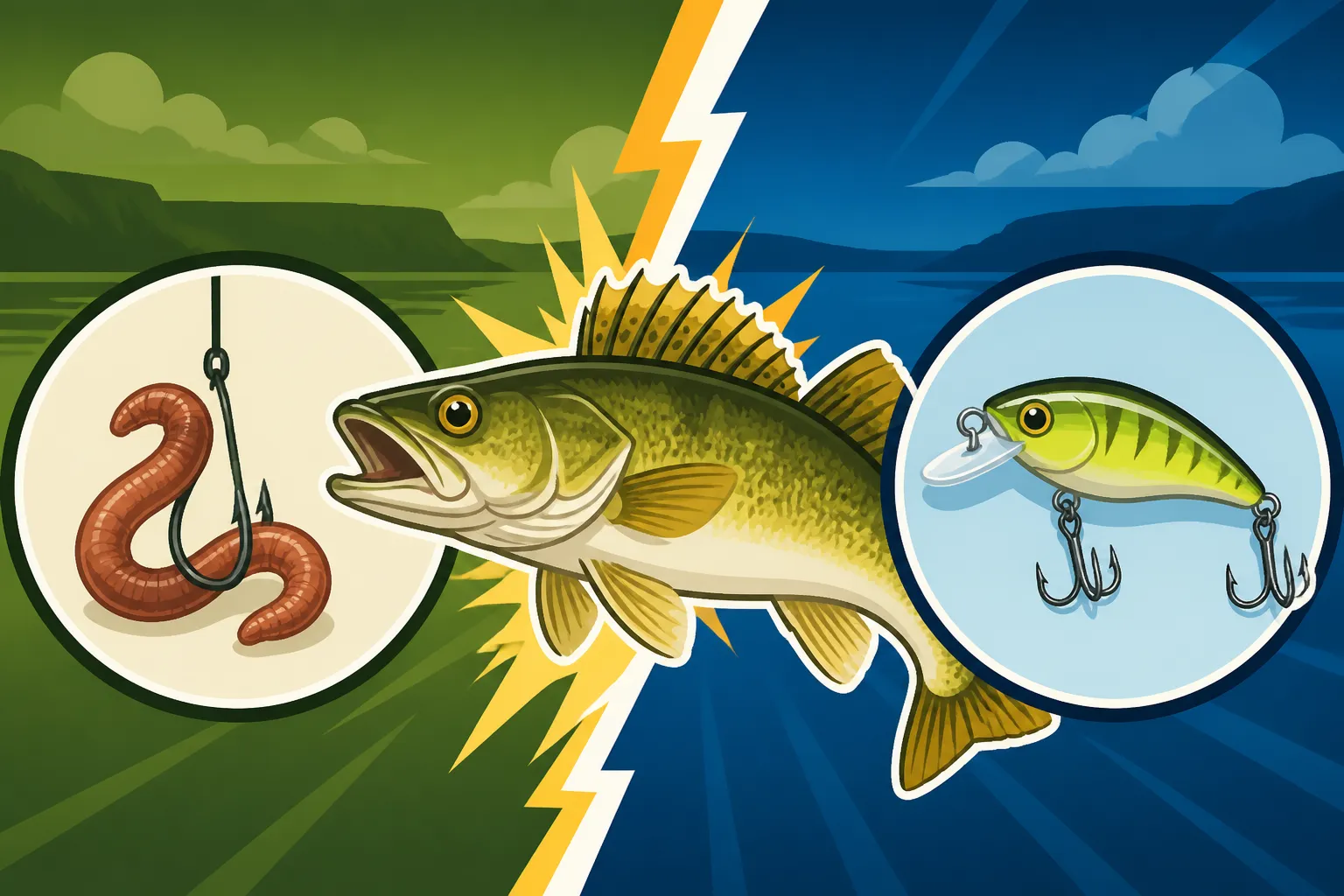
One of the most enduring debates among Nebraska walleye anglers, from the seasoned veteran to the eager newcomer, revolves around a fundamental question: should you rely on the natural appeal of live bait or harness the dynamic versatility of artificial lures? It's a choice that can feel daunting, especially when the bite is tough or you're fishing unfamiliar waters. This comprehensive guide aims to cut through the confusion, exploring the distinct advantages and disadvantages of both approaches so you can confidently decide what to tie on next time you hit the water.
The Enduring Appeal of Live Bait for Walleye
There's something deeply satisfying about feeling that tell-tale tap on your line, knowing a walleye has succumbed to the irresistible allure of a live offering. For many anglers, live bait is the classic, time-tested method for coaxing these finicky fish into biting. It taps into their primal instincts in a way artificials sometimes struggle to replicate.
Natural Presentation and Scent
The primary reason live bait shines is its unparalleled natural presentation and potent scent trail. Walleye are opportunistic predators, but they're also highly attuned to their environment. A live minnow, nightcrawler, or leech perfectly mimics the natural forage they encounter daily. Think about a shiner minnow, darting erratically then pausing, its silver sides flashing – that's a buffet bell ringing for a hungry walleye. The subtle, erratic movements of a live baitfish are often more enticing than even the most lifelike artificial lure, especially when walleye are lethargic or spooky.
Beyond movement, the scent released by live bait is a powerful attractant. Walleye have an incredible sense of smell, and the natural odors wafting from a struggling nightcrawler or a lively leech can draw fish from a significant distance, especially in stained or murky water where visibility is limited. This olfactory signature can be the difference-maker on days when walleye are not actively chasing and need a little extra persuasion to commit. It's like serving them a gourmet meal with an irresistible aroma, rather than just showing them a picture of it.
Consistency in Tough Conditions
When the bite gets tough, live bait often proves to be the most consistent producer. Walleye can be incredibly finicky, especially after a cold front, during periods of high fishing pressure, or in gin-clear waters where they become extremely wary. In these challenging scenarios, an artificial lure, no matter how expertly presented, might draw a follow but fail to seal the deal.
Live bait, however, often provides that extra edge. Its slow, natural action and scent can tempt a walleye that's otherwise unwilling to chase. Imagine fishing Lake McConaughy Walleye Fishing after a sharp drop in temperature; the walleye are hugging the bottom, barely moving. A slow-drifting live minnow on a Lindy rig, presented right in their strike zone, gives them ample time to inspect and eventually commit without expending much energy. It’s a low-effort meal for them, which is exactly what they seek when they're not in an aggressive mood. This consistency makes live bait a go-to for many experienced anglers when the chips are down.
Common Live Bait Options and Rigs
Nebraska walleye anglers typically rely on a few staple live baits, each with its own advantages and preferred rigging methods. Understanding these options is key to success.
Minnows: Shiners, fatheads, and chubs are classic walleye candy. They're especially effective in cooler water, like during Spring Fishing in Nebraska or late fall, when walleye are more actively feeding on baitfish. For rigging, a common approach is to use a slip bobber rig, suspending the minnow just above submerged structure or weeds. This keeps the minnow lively and enticing. Another popular choice is a Lindy rig or a simple plain hook and sinker combination, allowing the minnow to swim naturally near the bottom. Hooking them lightly through the lips or dorsal fin ensures they stay active.
Nightcrawlers: These wriggling wonders are a year-round favorite, especially in warmer water. Their vibrant movement and strong scent are irresistible. They're often fished on a "crawler harness" or "Walleye Rig," which features a series of hooks, often adorned with beads or small spinner blades, pulled behind a bottom bouncer or simply weighted. The spinner adds flash and vibration, while the crawler provides the natural appeal. For slow trolling or drifting, a simple hook and split shot with a partial nightcrawler can be deadly. You can find excellent quality nightcrawlers at local bait shops or sometimes even in bulk from places like Bass Pro Shops. For rigging, check out our guide on How to Use a Crawler Harness for Walleye.
Leeches: Often overlooked, leeches are a fantastic bait, particularly during the summer months when they are most active. They are incredibly hardy, staying alive on a hook for a long time, and their undulating movement drives walleye wild. Leeches are often presented on a plain hook under a slip bobber or slowly dragged behind a bottom bouncer or a small jig. Their resilience makes them a great choice for all-day fishing, as you don't need to re-bait as frequently as with minnows or crawlers.
The Strategic Advantage of Artificial Lures for Walleye
While live bait has its undeniable charms, artificial lures offer a completely different set of advantages. They provide an angler with incredible control, efficiency, and the ability to adapt quickly to changing conditions. In the hands of a skilled angler, artificials can be just as, if not more, productive than their live counterparts.
Efficiency and Durability
One of the most significant benefits of artificial lures is their sheer efficiency. Imagine you're trying to locate active walleye over a vast expanse of Branched Oak Lake Fishing Guide. Covering water quickly is paramount, and artificial lures excel here. You can cast them repeatedly, retrieve them at varying speeds, and cover large areas in a relatively short amount of time without constantly needing to check or re-bait your hook. This is a game-changer when you're on a search-and-destroy mission for active fish.
Furthermore, artificial lures are durable. Unlike live bait, which can be stolen by pesky panfish or easily fall off the hook, a well-made crankbait or jig can withstand numerous bites and continue fishing. This means more time with your lure in the water and less time fussing with bait. When you're in the middle of a hot bite, the last thing you want is to run out of bait or constantly have to re-rig. Having a selection of durable artificial lures in your tackle box, readily available from retailers like Amazon, ensures you can keep fishing consistently.
Versatility and Action
The world of artificial walleye lures is incredibly diverse, offering an astonishing array of shapes, sizes, colors, and actions. This versatility allows anglers to precisely match the conditions and the mood of the fish. From vertically jigging a spoon on a cold day to burning a crankbait across a shallow flat in summer, there's an artificial lure designed for nearly every scenario. How to Fish for Walleye in Nebraska often involves using a variety of artificials.
Jigs: Arguably the most versatile artificial, jigs can be tipped with soft plastics, live bait, or simply fished naked. They allow for precise control over depth and action, mimicking everything from a wounded baitfish to a darting insect. Jigging can be deadly when walleye are holding tight to structure or suspended in the water column.
Crankbaits: These lures are fantastic for covering water, especially when trolling or casting. They dive to specific depths, have built-in wobbling actions, and come in colors that imitate various baitfish. Whether you need a shallow runner for shoreline breaks or a deep diver for trolling open water, there's a crankbait for the job. Our guide on How to Troll for Walleye in Nebraska covers using these extensively.
Soft Plastics: Grubs, swimbaits, and worm imitators offer incredible lifelike action when rigged on a jig head. They can be incredibly subtle or wildly erratic, depending on how you work them. The ability to customize their action and color makes them highly effective for different water clarities and fish moods.
Blade Baits and Spoons: These lures are excellent for vertical presentations, especially in deep water or when ice fishing. Their flash and vibration can trigger aggressive reaction strikes from walleye that might ignore other offerings.
Matching the Hatch with Artificials
While live bait naturally matches the hatch, artificials allow anglers to strategically match it, often with more precision in certain aspects. This involves selecting lures based on the size, color, and behavior of the walleye's natural prey. For example, if you observe schools of emerald shiners in a clear lake, you'd reach for a silver or clear-bodied crankbait or soft plastic minnow imitator of a similar size. If the water is stained after a rain, you might opt for brighter, more contrasting colors like chartreuse or orange to ensure visibility.
Understanding the forage base in a particular body of water, such as Lake McConaughy Walleye Fishing, is crucial. Are the walleye feeding on gizzard shad, perch, or something else entirely? By observing baitfish activity, checking fish finders for schools of bait, and even examining the stomach contents of previously caught walleye, you can make an educated guess about what artificial lure will best imitate their preferred meal. The beauty of artificials is that you can quickly change your lure until you find the perfect match for the day's conditions and the fish's feeding patterns.
Making the Choice: When to Use Which
The ultimate decision between live bait and artificial lures often comes down to a combination of environmental factors, fish behavior, and your personal fishing style. There's no single "best" answer, but rather a "best for the moment" approach.
Factors Influencing Your Decision
Several key factors should influence your decision on whether to reach for live bait or an artificial lure.
- Water Temperature: In colder water, walleye metabolism slows down, making them less likely to chase fast-moving lures. This is when a slow-presented live minnow or leech often excels. As water temperatures rise, walleye become more active and aggressive, making them more receptive to crankbaits, jigs, and other artificials.
- Water Clarity: In clear water, fish have excellent visibility and can be spooked by unnatural presentations. Here, subtle, natural-looking live baits often outperform artificials. Conversely, in stained or murky water, the scent and vibration of live bait are strong advantages, but bright, noisy artificial lures can also be highly effective at attracting attention.
- Depth: Fishing very deep water can be challenging with delicate live bait. Artificials like heavy jigs, spoons, or deep-diving crankbaits are often more efficient for reaching and effectively working deep structure. For suspended fish at precise depths, both methods can work, but artificials might offer more consistent depth control through retrieve speed or trolling.
- Time of Year and Seasonality: The Nebraska Walleye Spawning Season might call for different tactics than mid-summer fishing. Early spring and late fall often favor live bait due to colder water and more sluggish fish. Summer, with its active fish, can be a prime time for artificials, especially during the morning or evening bite described in Best Time of Day to Catch Walleye in Nebraska.
- Fishing Pressure: Heavily pressured lakes often see walleye become "educated" and wary of common lures. In these situations, the natural look and smell of live bait can be the trick to fooling them.
- Personal Preference and Confidence: Honestly, if you have more confidence in one method, you're likely to fish it better and, therefore, catch more fish. Don't underestimate the power of confidence in angling success.
Scenario-Based Recommendations
Let's look at some common Nebraska fishing scenarios and which bait type might shine.
- Cold Front Blues: You've just experienced a significant cold front, and the walleye are shut down, barely moving. This is a classic live bait scenario. A slow-drifting Nebraska minnow rig or a subtle leech under a slip bobber will give those finicky walleye all the time in the world to make up their minds. Fish it slowly, deliberately, right on their nose.
- Aggressive Search on Open Water: You're on a big reservoir like Harlan County Reservoir Fishing and need to cover a lot of ground to find active fish. This is where artificials excel. Trolling crankbaits at various depths or casting swimbaits over main lake points allows you to efficiently locate concentrations of feeding walleye. Once you find them, you can switch to a more precise presentation if needed.
- River Fishing Current: When fishing rivers like the Platte, where current is a major factor, artificials often offer better control. Jigs tipped with plastics can be bounced along the bottom, or current-deflecting crankbaits can be cast to eddies and current seams. While live bait can work, maintaining its presentation in strong current can be challenging.
- Night Fishing for Walleye: Night fishing is a fantastic time for walleye, and both can be effective. However, the distinct thumping action of a crankbait or the glow of a jig tipped with a scented soft plastic can be incredibly attractive to walleye hunting in low light. The vibration and scent of live bait are also undeniable advantages.
Understanding Walleye Behavior
Ultimately, the choice comes down to understanding walleye behavior. Walleye are predators, but their predatory instincts vary based on environmental conditions and their metabolic needs.
- Reaction Strikes vs. Feeding Strikes: Artificials often trigger reaction strikes – the fish attacks out of instinct or aggression, not necessarily because it's hungry. This is common with fast-moving crankbaits or aggressively jigged spoons. Live bait, on the other hand, often elicits a true feeding strike, where the walleye decides to eat a natural meal.
- Mood of the Fish: Are they aggressive and actively chasing? Are they neutral and only eating easy meals? Or are they negative and barely biting at all? Matching your presentation, whether live or artificial, to their mood is paramount. An aggressive fish might hit anything, but a negative fish often requires the most natural, subtle offering possible, which is usually live bait.
- Location: Are the walleye suspended in open water, buried in dense weeds, or hugging rocky bottom transitions? Each location might lend itself better to a specific bait type and presentation. For instance, fishing weeds with exposed treble hooks on a crankbait can be frustrating; a weedless jig with a soft plastic or a Texas-rigged worm might be better.
Combining Forces: The Best of Both Worlds
Why limit yourself to one or the other when you can often combine the strengths of both live bait and artificial lures? Many savvy Nebraska walleye anglers recognize that the most effective strategy often involves a hybrid approach, leveraging the best characteristics of each.
Tipping Jigs and Rigs
One of the most common and effective ways to blend the two worlds is by "tipping" an artificial lure with a piece of live bait. This technique takes advantage of the artificial's action and presentation control while adding the irresistible natural scent and subtle movement of live bait.
Think about a jig. A bare jig with a plastic grub offers excellent action, but adding a small piece of nightcrawler or the head of a minnow can transform it. The live bait provides a scent trail and that extra bit of natural texture that can make a hesitant walleye commit. This is particularly deadly when jigging vertically or casting to specific spots. The artificial provides the flash and initial attraction, while the live bait seals the deal. Many anglers swear by tipping a jig with a minnow for How to Jig for Walleye in Nebraska.
Similarly, even crankbaits can be subtly enhanced. While less common than jig tipping, some anglers might add a small piece of nightcrawler to a trailing treble hook or a dropper setup, especially when slow trolling. This added scent can increase strike frequency, particularly on tough days.
Trial and Error on the Water
No matter how much preparation you do, fishing is an art, not a science. The conditions on any given day in Nebraska's diverse waters, from Merritt Reservoir Fishing Guide to Lewis and Clark Lake Fishing Guide, can change rapidly. The walleye might be biting minnows one hour and aggressively hitting chartreuse crankbaits the next. This is why constant trial and error is perhaps the most crucial "technique" for any angler.
Start with a hypothesis: "Given the cold water and clear skies, they're probably hitting live bait slowly presented." But be ready to pivot. If live bait isn't producing, don't be afraid to switch to artificials, experimenting with different colors, sizes, and retrieve speeds. Conversely, if artificials are only drawing follows, try tipping them with live bait or slowing down your presentation with a pure live bait rig. Many successful anglers will even run both options simultaneously, using one rod with live bait and another with an artificial lure, to quickly determine what the fish prefer on that particular day. Observing what other successful anglers are doing (without being intrusive!) can also provide valuable clues.
Gear Considerations for Both
While you might use the same rod for casting both a jig and a bobber rig, there are some specific gear considerations that can optimize your success when switching between live bait and artificial lures. Having the right tools can make all the difference, especially when you need to make quick changes on the water.
When fishing live bait, a slightly softer rod tip can be beneficial. This allows fish to take the bait without feeling too much resistance, leading to fewer dropped bites. For nightcrawlers and leeches, a medium-light or medium action spinning rod is often ideal. For bigger minnows or heavier Lindy rigs, a medium action might be better. Paired with a smooth spinning reel spooled with monofilament or fluorocarbon, it offers excellent feel and a forgiving stretch. If you need new gear, retailers like Bass Pro Shops or online platforms such as Amazon offer a huge selection. Our Best Rod Setup for Nebraska Walleye guide offers more specifics.
For artificial lures, especially jigs and crankbaits, a faster action rod is often preferred. This stiffer tip allows for better lure manipulation, more positive hooksets, and better feedback on what your lure is doing. A medium-heavy fast action rod, either spinning or baitcasting, excels at working jigs, casting crankbaits, or even vertical jigging. Braided line is also a popular choice for artificials due to its lack of stretch, which provides superior sensitivity and powerful hooksets.
| Feature | Live Bait (Minnows, Crawlers, Leeches) | Artificial Lures (Jigs, Crankbaits, Soft Plastics) |
|---|---|---|
| Pros | Natural scent & taste, subtle movement, high consistency in tough conditions, triggers feeding strikes, often preferred by finicky fish. | Durable, efficient for covering water, highly versatile actions & depths, triggers reaction strikes, less mess, no need for livewell. |
| Cons | Can be delicate/fall off, costly to resupply, messy, requires livewell/aeration, slower for covering large areas, prone to panfish nibbles. | Lacks natural scent/taste (unless scented), requires angler skill to impart action, can spook wary fish in clear water, may not trigger strikes from finicky fish. |
| Ideal Situations | Cold water, post-front conditions, clear water, finicky bite, slow presentations, precise depth targeting. | Warm water, aggressive bite, searching for fish, covering large areas, trolling, heavy current, when fishing structure. |
| Primary Walleye Trigger | Natural feeding instinct, scent trail, subtle movements. | Reaction strikes, flash, vibration, erratic movements. |
| Common Rigs/Methods | Slip bobbers, Lindy rigs, bottom bouncers, plain hook & sinker. | Casting & retrieving, trolling, vertical jigging, ripping. |
The reality is that both live bait and artificial lures have their rightful place in a Nebraska walleye angler's arsenal. Becoming proficient with both, and understanding when to deploy each, will make you a much more successful and adaptable angler. Don't be afraid to experiment, combine methods, and let the walleye tell you what they want on any given day.
Disclaimer
This article is for general informational purposes only and does not constitute professional advice. Laws, prices and regulations vary by location and change over time. Consult a qualified professional for guidance on your specific situation.