Best Bug Spray for Summer Fishing in Nebraska
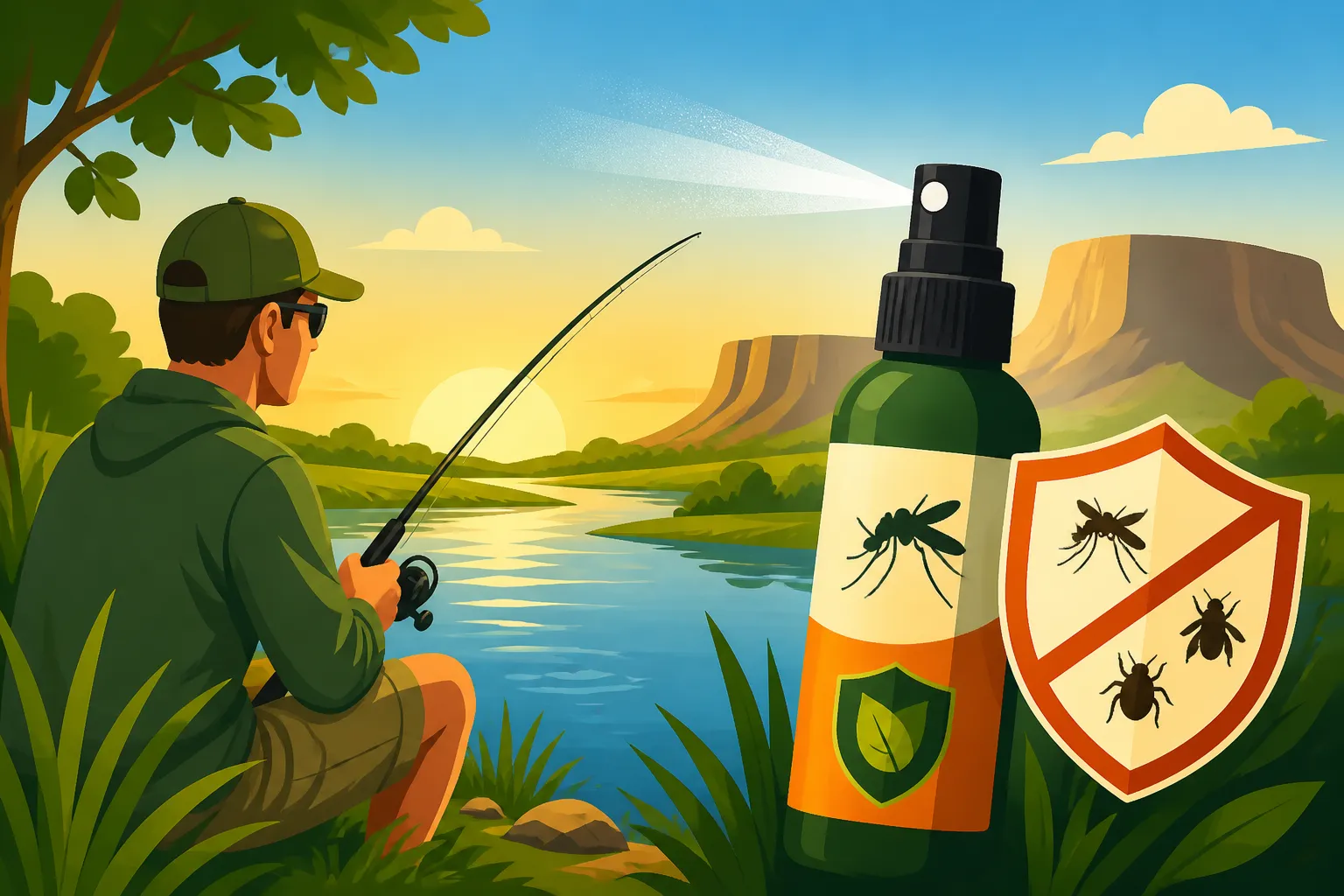
There’s nothing quite like the anticipation of a perfect Nebraska summer fishing day – the sun on your face, the gentle rocking of the boat, the thrill of a bite. But let's be real, that idyllic scene can quickly transform into a twitching, slapping nightmare if you're not prepared for the onslaught of biting insects. This guide will walk you through the frustrating reality of summer bugs in Nebraska and help you pick the absolute best bug spray to keep those pesky invaders at bay, ensuring your focus stays on the fish, not the bites.
Why Bug Control Is Crucial for Nebraska Summer Fishing
You've spent days planning your trip, checked the weather, packed your favorite lures, and even made sure your Nebraska Fishing License Guide is current. The last thing you want is for a swarm of mosquitoes or a tenacious tick to ruin all that effort. Beyond the sheer annoyance, ignoring bug protection can have real consequences for your health and overall enjoyment.
The Unwanted Guests: Common Nebraska Biting Insects
Nebraska summers are beautiful, but they're also prime time for a variety of biting insects that absolutely adore the same waters and humid conditions that we anglers cherish. It's a constant battle, and if you've spent any time on the water here, you know exactly what I'm talking about.
Mosquitoes are perhaps the most notorious culprits. They seem to materialize out of thin air, especially around dawn and dusk, or in shady, stagnant areas near the water's edge. Their high-pitched whine is enough to send shivers down your spine, and their bites leave behind itchy, red welts that can persist for days. If you're out for Summer Fishing in Nebraska, particularly near lakes or slow-moving rivers, you're practically guaranteed to encounter them. Then there are the gnats, tiny but numerous, often swarming around your face and eyes, making it almost impossible to concentrate on tying a knot or watching your bobber. While their bites are usually smaller, the sheer volume can be maddening.
And let's not forget about the more aggressive species. Horseflies and deer flies are notorious for their painful bites, often leaving a stinging sensation that lasts long after the fly has been swatted. They're particularly prevalent in wooded areas and around marshy shores, always seeming to find the exposed skin just as you're reeling in a lunker. Finally, the silent, creeping threat: ticks. These arachnids don't bite to annoy; they bite to feed, and they can cling on unnoticed for hours, even days. They’re masters of stealth, often found in tall grasses and brush, waiting patiently for a host to brush by. A peaceful morning of shoreline fishing access can quickly turn into a post-trip full-body check for these unwelcome hitchhikers. Trust me, finding a tick buried in your skin after a relaxing day of fishing is never a good time.
Health Risks Beyond Annoyance
It's easy to dismiss bug bites as just a minor nuisance, a small price to pay for a day on the water. However, the truth is, these tiny pests can pose significant health risks beyond simple irritation. While Nebraska might not have the same disease profiles as tropical regions, we still contend with some serious concerns that every angler should be aware of.
Mosquitoes, for instance, are well-known carriers of West Nile Virus. While many infected individuals show no symptoms, some can develop severe, life-threatening illnesses affecting the brain and spinal cord. It's not a common occurrence, but the risk is always there, especially during peak mosquito season. A single bite could lead to a lot more than just an itch. Similarly, ticks are vectors for Lyme disease and other tick-borne illnesses. Lyme disease, if not caught and treated early, can lead to chronic health issues affecting joints, the heart, and the nervous system. Checking for ticks after spending time in grassy or wooded areas, like those found around many Nebraska fishing spots, is crucial, but prevention is always the first line of defense.
Beyond diseases, some individuals can have more severe allergic reactions to bug bites. Large, painful welts, excessive swelling, or even systemic reactions, though rare, can significantly detract from your fishing experience and require medical attention. Even milder reactions, like widespread itching and discomfort, can disrupt sleep and make you utterly miserable after a long day of casting. So, when we talk about bug spray, we're not just talking about comfort; we're talking about protecting your health and ensuring your Nebraska Fishing Trip Around Weather is truly enjoyable and worry-free.
Understanding Your Bug Spray Options
When you walk into a store, the sheer number of bug spray options can be overwhelming. From sprays to lotions to wipes, and a dizzying array of active ingredients, how do you even begin to choose? It boils down to understanding what each main ingredient does, its pros and cons, and how it aligns with your specific fishing needs.
DEET: The Gold Standard With Caveats
For decades, DEET (N,N-Diethyl-meta-toluamide) has been the undisputed heavyweight champion of insect repellents, and for good reason. It's incredibly effective against a wide range of biting insects, including mosquitoes, ticks, fleas, and chiggers. It works by interfering with insects' ability to detect the carbon dioxide and lactic acid that humans emit, essentially making you "invisible" to them.
The strength of DEET is typically measured by its concentration, ranging from as low as 5% to as high as 100%. A common misconception is that higher concentrations mean better protection. In reality, higher concentrations generally mean longer-lasting protection, not necessarily better immediate repellency. For most fishing trips in Nebraska, a concentration between 15% and 30% is usually sufficient for several hours of protection. If you're planning an all-day excursion in an area known for heavy bug activity, like a deep woods excursion or a multi-day trip, something in the 40-50% range might be considered, but 100% DEET offers very little additional benefit over 50% for duration and can be quite potent.
However, DEET does come with its downsides. It has a distinct, often strong, chemical odor that some people find unpleasant. More importantly for anglers, it's known to damage certain plastics, synthetic fabrics, and even some fishing line. Spraying it directly onto your expensive Best Fishing Gear for Nebraska Anglers or your Best Kayaks for Nebraska Fishing could result in permanent damage, leaving a sticky residue or even melting plastic components. It can also feel greasy on the skin and, in rare cases, cause skin irritation. Therefore, while highly effective, DEET requires careful application, especially if you're handling sensitive fishing equipment or have sensitive skin.
Picaridin: The Modern Alternative
Emerging as a strong contender to DEET, picaridin is a synthetic compound modeled after a natural repellent found in pepper plants. It's gaining immense popularity among outdoor enthusiasts, and for good reason. Picaridin offers broad-spectrum protection against mosquitoes, ticks, flies, and gnats, similar to DEET, but often without many of DEET's drawbacks.
One of the biggest advantages of picaridin for anglers is its pleasant feel and lack of strong odor. It's typically non-greasy, non-sticky, and has a much milder scent, if any at all. This makes it far more comfortable to wear for extended periods, especially during a hot, humid Nebraska summer day. Crucially, picaridin is generally considered safe for use on plastics, fishing lines, and other synthetic materials, which is a huge relief for anyone worried about damaging their valuable gear. You won't have to stress as much if a little spray mist lands on your tackle box or your boat seats.
Picaridin's effectiveness is often comparable to DEET at similar concentrations. A 20% picaridin formula typically provides up to 8-12 hours of protection, making it excellent for a full day of fishing. While it might need slightly more frequent reapplication in extremely high bug pressure situations compared to the very highest concentrations of DEET, for most casual to avid anglers, it’s a fantastic choice. Its gentler nature on both skin and gear makes it a preferred option for many, especially those who find DEET too harsh or simply don't like the smell. It's a great choice for a long day out on Lake McConaughy Fishing Guide or when exploring the more remote sections of the Platte River.
Oil of Lemon Eucalyptus OLE: Natural Protection
For those who prefer to avoid synthetic chemicals, Oil of Lemon Eucalyptus (OLE), often marketed as PMD, is the most widely recognized and effective plant-based alternative. It's derived from the eucalyptus citriodora tree and, unlike pure eucalyptus oil, has been processed to concentrate its repellent properties. OLE is not the same as simple lemon eucalyptus essential oil, so be sure to check the active ingredient on the label.
OLE works by masking your scent and confusing insects, similar to how DEET and picaridin function. It provides effective protection against mosquitoes and deer ticks, although its efficacy against other biting flies might be slightly less consistent than synthetic options. One of its main draws is its pleasant, fresh, citrusy scent, which many people find far more appealing than the chemical smell of DEET. It feels lighter on the skin and, being naturally derived, appeals to those seeking a "greener" option for their outdoor adventures.
However, OLE does have some limitations to consider for your Nebraska fishing trips. Its duration of effectiveness is generally shorter than DEET or picaridin; most OLE products offer around 4-6 hours of protection, meaning you'll need to reapply more frequently throughout a long day on the water. It’s also important to note that OLE is not recommended for children under three years old due to potential skin sensitivities. While it's a good natural choice for adults and older children, especially for shorter outings or when bug pressure isn't extreme, it might not be the go-to for an all-day, heavy-duty defense in truly mosquito-infested wetlands or during peak bug season.
Other Natural Options and Why They Might Fall Short
Beyond DEET, picaridin, and OLE, there's a whole world of other natural insect repellents, but their effectiveness for serious fishing trips can vary wildly. Many essential oils like citronella, peppermint, cedarwood, and geraniol are often touted as natural bug deterrents. While they might offer some very short-term, localized repellency, they generally don't provide the robust, long-lasting protection needed for a day of fishing in Nebraska's often bug-heavy environments.
Citronella, for example, is a common ingredient in candles and sprays, and it does have repellent properties, but its effect is typically fleeting. You might get an hour or so of mild deterrence, but it won't stand up to a persistent swarm of mosquitoes on the Missouri River. Other oils might work similarly for a very brief period, but requiring constant reapplication throughout the day can become a real hassle, pulling your attention away from the fishing. These options are often best suited for very low-bug conditions or in conjunction with other, more powerful repellents.
Then there's permethrin, which is often mistakenly grouped with skin-applied repellents. Permethrin is actually an insecticide, not a repellent, and it's designed to be applied to clothing and gear, not directly to your skin. When applied to fabric, it binds tightly and can remain effective through multiple washes, killing insects that come into contact with it. This makes it an excellent complementary strategy for anglers, providing an invisible barrier on your fishing shirts, pants, hats, and even mosquito nets. It's fantastic for treating items you'd wear while How to Fish From Shore in Nebraska or wading. However, it’s crucial to remember that permethrin does not provide direct skin protection and should never be used as such. It’s a powerful tool in your bug-fighting arsenal, but it's not a standalone skin repellent.
Choosing the Right Bug Spray for Your Nebraska Fishing Trip
Making the right choice for bug spray isn't a one-size-fits-all decision. Your ideal repellent depends on several factors specific to your outing. Considering these elements will help you zero in on the perfect product that offers effective protection without unnecessary drawbacks.
Factors to Consider: Duration, Activity, and Location
Before you grab the first bottle off the shelf, take a moment to think about your specific fishing plans. Will you be out for a quick couple of hours, or are you committing to an all-day fishing marathon? The duration of your trip is paramount. For a short, early morning or late evening stint, a lower concentration of DEET or picaridin, or even OLE, might suffice. However, if you're planning to spend eight or more hours tackling the walleye at Lake McConaughy Walleye Fishing or exploring remote stretches of the Niobrara River, you'll want a product with a longer duration, typically 20-30% DEET or 20% picaridin, to minimize reapplications. Nobody wants to stop mid-fight with a big catfish to douse themselves in spray.
Your activity level also plays a role. Are you sitting relatively still in a boat, or will you be actively wading through tall grasses and brush along a riverbank? More vigorous activities, especially those that make you sweat, can reduce the effectiveness and duration of any bug spray, requiring more frequent reapplication. For activities like wade fishing on the Platte River, where you might be brushing against vegetation, tick protection becomes just as important as mosquito protection.
Finally, consider your fishing location. Different environments harbor different bug populations. A breezy, open reservoir might have fewer biting insects than a calm, marshy backwater or a heavily wooded riverbank. Areas with standing water, common along many Best Nebraska Rivers for Fishing, are mosquito breeding grounds. Knowing whether you're heading to an urban pond, a large lake, or a dense riparian zone will help you anticipate the bug pressure and choose a repellent with adequate strength and broad-spectrum coverage, particularly against ticks if you'll be venturing into tall vegetation.
Kid-Friendly and Sensitive Skin Options
Fishing is a fantastic family activity, and getting kids involved is a joy. However, when you're out there with the little ones, bug protection takes on a whole new layer of consideration. Children, and adults with sensitive skin, often react more intensely to bug spray ingredients, and their developing systems can be more vulnerable to certain chemicals. The good news is, there are plenty of effective options designed with their safety and comfort in mind.
For children, especially those over three years old, products containing 10% to 20% picaridin are often recommended. Picaridin is generally less irritating to the skin, has a milder odor, and is safe for use on children's clothing and gear. This makes it a stress-free choice for parents who want to ensure their kids can enjoy the outdoors without the bites or the worry of strong chemicals. DEET in concentrations of 10-30% is also considered safe for children over two months old by many health organizations, but its greasy feel and potential for plastic damage might make picaridin a more practical choice for a family fishing trip. For infants under two months, non-chemical methods like mosquito netting over strollers or carriers are the safest approach. Do Kids Need a Fishing License in Nebraska? also covers relevant age regulations for children.
For anyone with sensitive skin, performing a patch test on a small, inconspicuous area of skin before full application is always a smart move, regardless of the active ingredient. Look for fragrance-free or hypoallergenic formulations. Oil of Lemon Eucalyptus (OLE) can be a good natural option for adults and older children with sensitive skin, given its plant-based origin and pleasant scent, but remember its shorter duration. Ultimately, the best choice for sensitive skin or children is one that offers effective protection at the lowest effective concentration, applied judiciously and reapplied as needed, keeping comfort and safety as top priorities during your outing to places like Branched Oak Lake Fishing Guide or one of the urban ponds.
Application Best Practices for Anglers
Having the right bug spray is only half the battle; knowing how to apply it properly is crucial for maximum effectiveness and to protect yourself and your gear. Anglers, in particular, need to be mindful of a few specific best practices.
First, always apply bug spray to exposed skin after you’ve put on sunscreen. If you apply repellent first, the sunscreen can reduce its efficacy. For areas like your face and neck, spray a small amount into your hands first, then rub it onto these delicate areas, carefully avoiding your eyes and mouth. Don't spray directly onto your face. When applying to your body, hold the can about 6-8 inches away and spray in a slow, sweeping motion, ensuring even coverage. Don't forget often-overlooked spots like the back of your neck, your ears, and your ankles.
A critical tip for anglers: avoid getting bug spray on your hands if you're going to be handling bait, lures, or fish directly. The chemicals in most repellents, especially DEET, can have a strong scent that fish can detect, potentially turning them off your offerings. It can even transfer to your line or lures, further hindering your success. If you must apply it to your hands, do so sparingly and then wash them thoroughly with soap and water before baiting hooks or tying knots. Alternatively, consider wearing fishing gloves after applying spray to your forearms and hands, or use an applicator cloth to precisely apply repellent without contaminating your hands. Always read the product label for specific instructions on reapplication times, as environmental factors like sweat and water exposure can shorten its effectiveness. Reapplication is especially important if you've been splashing around or had a fish slime incident while practicing Catch and Release Best Practices in Nebraska.
Recommended Bug Sprays and Where to Find Them
Alright, let's get down to brass tacks: what should you actually buy? With so many options, it's helpful to have a few go-to recommendations tailored for the unique challenges of Nebraska summer fishing. Remember, always check the active ingredient and concentration.
Top Picks for Serious Anglers
For those committed to a full day on the water, battling stubborn fish and even more stubborn bugs, you need serious protection. This is where formulations designed for maximum duration and efficacy really shine.
For robust, long-lasting protection against mosquitoes and ticks, a bug spray with 20-30% DEET or 20% Picaridin is usually your best bet. Products from brands like Sawyer Permethrin, OFF! Deep Woods, or Repel 100 (which despite the name is often closer to 98% DEET, providing extreme duration) are excellent choices. A 20% Picaridin spray, such as those from Sawyer Products or Ben's, offers comparable protection to 30% DEET but without the worry of damaging your fishing line or delicate plastics on your Best Fish Finders for Nebraska Lakes. The less greasy feel and minimal odor are also huge plusses for continuous wear. These are your heavy hitters, perfect for those trips targeting Nebraska Walleye Bag Limits or Nebraska Channel Catfish Daily Limit where you're out from sun-up to sundown.
You can often find these higher-concentration DEET and Picaridin sprays at major outdoor retailers like Bass Pro Shops, which usually stocks a wide selection of fishing-specific bug repellents. They understand that anglers have unique needs. If you prefer the convenience of online shopping, Amazon also offers a vast array of these powerful repellents, often with various sizes and application types (aerosol, pump spray, lotion). Just remember to exercise caution with DEET around your fishing gear!
Best for Family-Friendly Outings
When you're bringing the whole family along, especially younger children, the priorities shift slightly towards gentler formulas that are still effective. You want to keep the bites away, but also prioritize comfort and peace of mind.
For family outings, especially with kids over three years old, a 10-20% Picaridin formula is often ideal. It provides several hours of solid protection against mosquitoes and ticks, feels light on the skin, and has virtually no scent. Brands like Sawyer Picaridin or Cutter Backwoods (check for picaridin as the active ingredient) offer good options. For an effective natural alternative for older children and adults, a product containing 30% Oil of Lemon Eucalyptus (OLE) is a great choice. Brands like Repel Lemon Eucalyptus or Coleman Botanicals often carry this active ingredient, providing a pleasant smell and good temporary protection.
These family-friendly and natural options are widely available. Again, Bass Pro Shops will have a selection geared toward outdoor family activities, and local sporting goods stores often carry them too. For sheer convenience and range of choice, checking Amazon online will present you with numerous brands and product types to find what best suits your family's needs and preferences. Look for sprays that clearly state they are safe for children (always verify age recommendations on the label) and offer a pleasant application experience. These are perfect for teaching a kid how to fish at Fremont Lakes State Recreation Area Fishing or enjoying a relaxed afternoon at Holmes Lake Fishing in Lincoln.
Combining Strategies for Maximum Defense
Sometimes, even the best bug spray isn't enough, or you want to minimize skin exposure to repellents. That's when combining strategies creates an almost impenetrable defense, allowing you to truly focus on landing those fish.
One of the most effective complementary strategies is using permethrin-treated clothing. As mentioned earlier, permethrin is an insecticide that kills bugs on contact. You can buy clothing pre-treated with permethrin, or purchase permethrin spray to treat your own shirts, pants, socks, hats, and even mosquito nets. This creates an invisible barrier on your fabric that repels and kills ticks and mosquitoes before they even reach your skin. Imagine wading through tall grass along the Elkhorn River without constantly worrying about ticks – permethrin makes that possible! This works exceptionally well in conjunction with a skin-applied repellent for exposed areas like your hands and face.
Beyond sprays and treated clothing, don't underestimate physical barriers. Light-colored, long-sleesleeved shirts and long pants provide a physical barrier against bites, and light colors make it easier to spot ticks. A head net can be a lifesaver in areas with severe gnat or mosquito swarms, allowing you to breathe and see clearly without insects buzzing in your face. For boat fishing or stationary bank fishing, mosquito coils or portable thermacell repellents can create a localized zone of protection, emitting an insect repellent into the air. These can make a huge difference in comfort, especially during calm evenings. Layering these methods – treating your clothing, applying repellent to exposed skin, and perhaps adding a protective zone around your fishing area – will give you the best possible defense against Nebraska's summer bugs.
Bug Spray Active Ingredient Comparison
| Active Ingredient | Target Insects | Typical Concentration | Duration (Approx.) | Pros | Cons | Best Use Case |
|---|---|---|---|---|---|---|
| DEET | Mosquitos, ticks, flies | 15-30% | 4-10 hours | Highly effective, long-lasting | Strong odor, can damage plastics/synthetics, greasy feel | Heavy bug pressure, long outings, remote areas |
| Picaridin | Mosquitos, ticks, flies | 10-20% | 4-8 hours | Low odor, non-greasy, safe on gear | May require more frequent reapplication than high DEET | General fishing, sensitive skin, kids, gear protection |
| Oil of Lemon Eucalyptus (OLE) | Mosquitos, deer ticks | 30% (as PMD) | 4-6 hours | Natural, pleasant scent, non-greasy | Shorter duration, not for children under 3, less broad-spectrum | Shorter outings, low bug pressure, natural preference |
| Permethrin | Mosquitos, ticks | 0.5% (for fabric) | Weeks (on fabric) | Kills bugs on contact, long-lasting on fabric | Clothing treatment only, not for skin, insecticide | Complementary clothing/gear treatment |
Disclaimer
This article is for general informational purposes only and does not constitute professional advice. Laws, prices and regulations vary by location and change over time. Consult a qualified professional for guidance on your specific situation.