Lake McConaughy Fishing Guide
Lake McConaughy, often lovingly called "Big Mac," is a true jewel in the heart of Nebraska, a vast expanse of water that can feel both exciting and incredibly intimidating to anglers. Its sheer size and ever-changing conditions mean that what worked yesterday might not work today, leading to frustration for even seasoned pros. This comprehensive guide is here to demystify Lake McConaughy, offering realistic, in-depth strategies to help you navigate its waters and find fishing success.
Understanding Lake McConaughy: Nebraska's Big Mac
Stepping onto the shores of Lake McConaughy, you're not just at a typical Nebraska lake; you're at a colossal, vibrant ecosystem unlike almost anywhere else in the state. This isn't your average farm pond or small reservoir; Big Mac demands respect, knowledge, and often, a bit of patience. Its unique characteristics are what make it such a phenomenal fishery, but also what can make it a head-scratcher.
A Giant in the Plains: Size and Depth
Lake McConaughy isn't just big; it's massive. We're talking about Nebraska's largest reservoir, stretching approximately 22 miles long and up to 4 miles wide, with over 100 miles of shoreline when full. That's a lot of water to cover, and it can be overwhelming trying to decide where to even start. Imagine trying to find a needle in a haystack, but the haystack is also moving and changing shape! The deepest points can plunge to over 140 feet near Kingsley Dam, creating incredible stratification and diverse habitats for different fish species depending on the season. This depth allows for colder water species like trout to thrive, especially in the outflow areas.
The varying depths mean fish can be anywhere from just a few feet under the surface to tucked away in deep canyons. Understanding the lake's topography, its submerged points, old river channels, and sudden drop-offs, is crucial. These structural elements act like highways and homes for fish, guiding their movements and concentrating them in certain areas. Without a good depth finder or a reliable map, you might feel like you're fishing in a giant bathtub, blindly hoping for a bite. The dynamic nature of the lake also means water levels can fluctuate, sometimes dramatically, throughout the year, impacting boat ramp access, shoreline fishing, and fish behavior. It pays to check the Lake McConaughy Water Level and Fishing Conditions regularly before planning your trip.
The Ecosystem and Water Dynamics
Lake McConaughy is fed primarily by the North Platte River, bringing in a constant supply of nutrients and, at times, sediment. This riverine influence creates a fascinating, ever-changing environment. The water clarity can range from crystal clear in the main body, particularly further west, to slightly stained or even turbid near the river inlet or after heavy rains. This variation in clarity directly impacts what lures and techniques will be most effective; what works in gin-clear water won't necessarily entice fish in murkier conditions.
Beyond just clarity, the lake's extensive size allows for significant thermal stratification during the summer months. This means the water forms distinct layers of different temperatures, with cooler, oxygenated water often found deeper. Fish, especially species like walleye and trout, will seek out these preferred temperature zones. Understanding this "thermocline" is key to locating active fish, as they'll rarely be found in uncomfortable water. The wind, which can blow relentlessly across the open plains of Nebraska, also plays a huge role. It creates current, pushes baitfish, and concentrates active feeding fish on wind-blown points and shorelines. Far from being a nuisance, smart anglers learn to use the wind to their advantage, recognizing its power to influence fish behavior and identify productive fishing grounds.
Key Access Points and Marinas
Given Lake McConaughy's vast size, knowing where to launch your boat or find good shoreline access is paramount. There are numerous boat ramps scattered around the lake, but not all are usable year-round, especially if water levels drop significantly. Popular ramps include Cedar View, Otter Creek, and Lemoyne, which offer concrete ramps and often have nearby amenities. These are great starting points, especially if you're pulling a larger boat.
For those without a boat, or looking for a different experience, there are ample opportunities for shore fishing. Many state recreation areas around the lake, like Lake Ogallala below Kingsley Dam, provide excellent bank access. Lake Ogallala itself is a renowned trout fishery, making it a great spot for a different kind of angling experience. When planning your trip, consider using a resource like FishingBooker to find local guides who are intimately familiar with these access points and the best current conditions. Their expertise can save you hours of searching and ensure you spend more time fishing and less time navigating. Before you head out, remember to secure your Nebraska Fishing License Guide to ensure compliance with all state regulations.
Targeting Walleye at Lake McConaughy
Walleye are undoubtedly the crown jewel of Lake McConaughy. Anglers come from all over to chase these elusive, delicious fish, and for good reason—Big Mac consistently produces trophy-sized walleye. But catching them requires understanding their seasonal movements, feeding patterns, and preferred habitats in this immense body of water.
Spring Walleye Spawning Runs and Post-Spawn Tactics
As the ice retreats and water temperatures begin to climb in early spring, usually late March through April, the walleye population in Lake McConaughy shifts into spawning mode. They'll migrate from the main lake to shallower rocky areas, riprap shorelines, and the dam face, seeking out suitable places to lay their eggs. This is a prime time for targeting aggressive pre-spawn fish, which are often concentrated and actively feeding to build energy reserves. Jigs tipped with minnows, soft plastics, or paddle tails worked slowly along these transitions can be deadly. Long casting crankbaits that imitate baitfish can also be incredibly effective, especially during low light conditions or after dark.
Once the spawn is complete, usually by late April into May, the walleye can be a bit more scattered and less aggressive as they recover. This "post-spawn funk" can be frustrating, but knowing where they're heading is key. They'll often move to slightly deeper water near structure, such as submerged points, humps, and the edges of old river channels, seeking out deeper cover to rest and begin feeding again. This is when a more subtle approach often pays off. Try slip bobber fishing with leeches or nightcrawlers over submerged timber or pitching lighter jigs with plastics. The key is to match the hatch and present your bait naturally. Don't forget to check the specific Nebraska Walleye Spawning Season dates and regulations before you head out.
Summer Deep Water and Trolling Strategies
When the Nebraska summer really heats up, Lake McConaughy's walleye will push deeper, seeking cooler, more oxygenated water. This means anglers need to adapt their strategies to target fish in 20 to 50 feet of water, or even deeper. Trolling becomes an incredibly effective technique for covering vast amounts of water and locating scattered schools of fish. Long-lining crankbaits that dive to specific depths, or using planer boards to spread out multiple lines, allows you to present a wide array of baits at different depths and distances from the boat. Popular choices include deep-diving crankbaits from brands like Rapala or Berkley.
Another highly productive summer technique is using bottom bouncers with crawler harnesses. This setup allows you to present a lively nightcrawler just off the bottom, an irresistible meal for walleye cruising along ledges, humps, and main lake points. Drifting with the wind or using your trolling motor to slowly work these areas is very effective. Remember, walleye in summer can be finicky, so experimenting with different crankbait colors, retrieve speeds, and crawler harness bead patterns is crucial. Pay close attention to your electronics; a good fish finder can reveal subtle depth changes and even mark individual fish or schools of bait, making the difference between a slow day and a successful outing. For more detailed insights, explore our guide on How to Fish for Walleye in Nebraska.
Fall Feast: Aggressive Bites and Winter Prep
As autumn colors paint the landscape and water temperatures begin to drop, Lake McConaughy experiences a phenomenon known as the "fall turnover." This process re-oxygenates deeper water and triggers a massive feeding frenzy among walleye as they prepare for winter. This is arguably one of the best times to catch both numbers and trophy-sized walleye. The fish will move shallower again, often congregating on main lake points, rocky reefs, and the edges of weed beds, relentlessly chasing baitfish.
Trolling crankbaits remains a top tactic, but don't shy away from casting stickbaits or large jigs with plastic swimbaits along breaklines and structure. Vertical jigging spoons or blade baits over deep humps and structure can also be incredibly productive when fish are concentrated. The key in fall is aggression; walleye are looking to gorge themselves, so don't be afraid to use larger, more erratic presentations. As winter approaches, the walleye will eventually settle into deep, stable areas, often near the dam or in the deepest parts of the main lake, where they can be targeted through the ice if conditions allow. Many anglers consult guides available through platforms like FishingBooker to pinpoint these elusive fall hotspots and maximize their chances during this epic feeding period. Our article on the Best Time of Year to Fish Lake McConaughy for Walleye provides further details on seasonal strategies.
Hooking Striped Bass and Wipers at Lake Mac
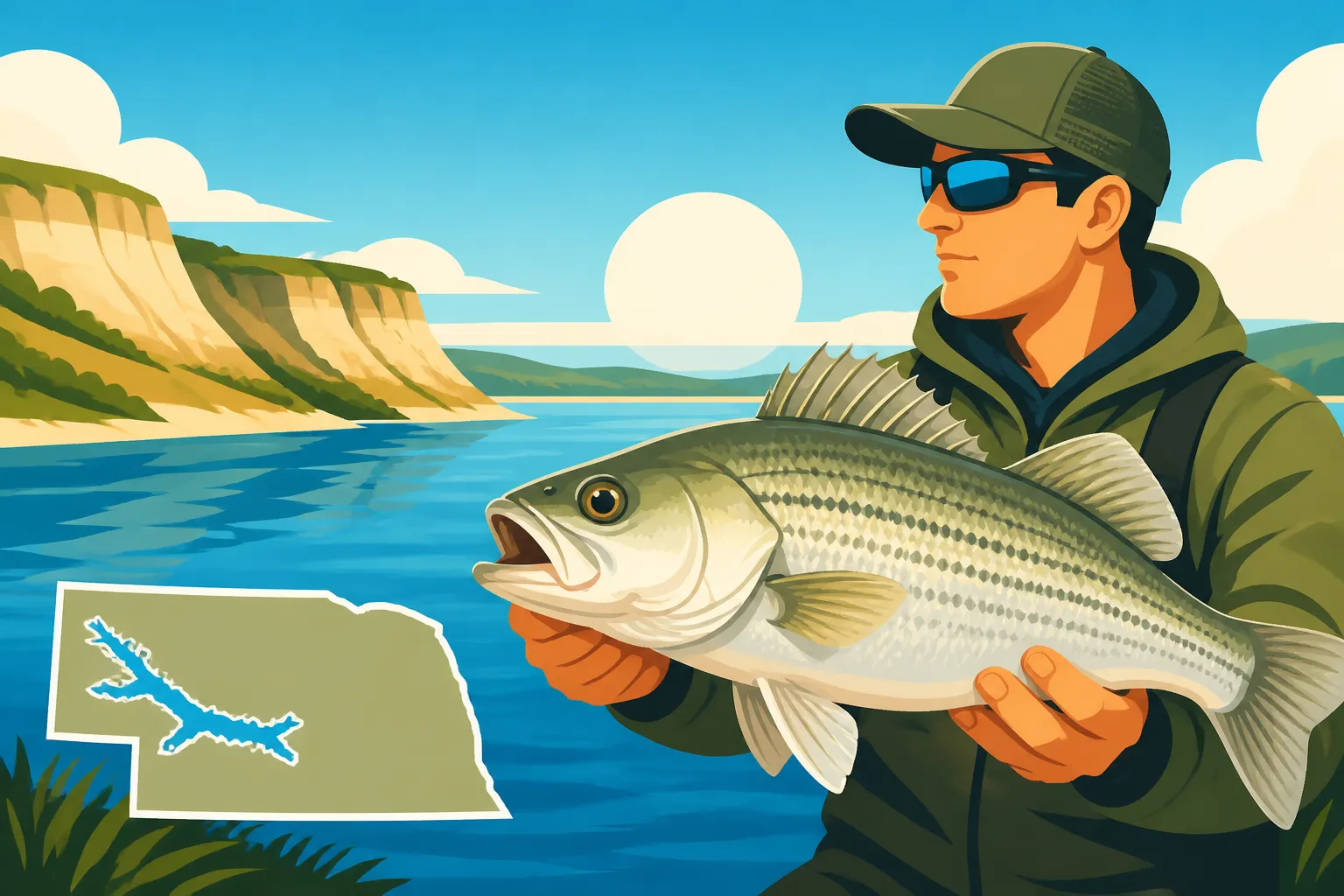
While walleye might be the most sought-after, the aggressive power of striped bass and wipers (a hybrid cross between striped bass and white bass) offers an incredible, hard-fighting experience at Lake McConaughy. These fish are true pelagic predators, constantly on the move, chasing down schools of baitfish.
The Thrill of the Chase: Locating Schools
Stripped bass and wipers are notorious for their nomadic behavior, which can be both challenging and exhilarating. Unlike walleye that often relate to specific bottom structure, these fish are usually found suspended in the water column, actively chasing schools of shad and other baitfish. Your best friend for finding them is a good fish finder, especially one with side imaging or down imaging capabilities. Look for large schools of baitfish, often appearing as dense clouds on your sonar screen, and the tell-tale arches of predator fish lurking nearby or underneath.
Bird activity can also be a massive clue. Gulls and other diving birds will often hover and dive where baitfish are being pushed to the surface by feeding stripers and wipers. Seeing a flock of birds aggressively working a certain area is like a flashing neon sign telling you where to cast. These schools can pop up anywhere on the main lake, making it a constant game of searching and observing. Don't be afraid to cover a lot of water with your boat, constantly scanning your electronics and keeping an eye on the surface for any signs of activity.
Topwater Action and Live Bait Rigs
When stripers and wipers are actively busting bait on the surface, topwater lures provide some of the most exciting fishing imaginable. Poppers, walk-the-dog style baits, and prop baits can trigger explosive strikes that will get your heart pounding. The key is to cast beyond the school and retrieve your lure through the feeding frenzy, mimicking a fleeing baitfish. These fish hit hard and fast, so be ready for an instant fight!
If topwater isn't happening, or if the fish are slightly deeper, live bait is often the most consistent producer. Shad, gizzard shad, or large shiners are irresistible to these predators. A common setup involves using a Carolina rig or a simple plain hook with a weight, allowing your live bait to swim naturally in the vicinity of the school. Drift fishing with live bait or slow-trolling with planer boards can also be highly effective for covering water and presenting your bait naturally. Just be prepared; when a big striper or wiper hits, it's like hooking a freight train, so strong tackle is a must. For more on this exciting fishery, check out our dedicated guide on Lake McConaughy Striped Bass Fishing.
Seasonal Movements and Best Times to Target
The activity of striped bass and wipers at Lake McConaughy is highly dependent on water temperature and the location of baitfish. Spring and fall often see increased activity as temperatures are more moderate, and baitfish are more accessible in shallower to mid-depth ranges. During the summer, they will often retreat to deeper, cooler waters, much like walleye, but will still make forays into shallower areas during low light conditions or when actively herding bait.
Early mornings and late evenings are typically prime times for both topwater action and live bait fishing, as these are peak feeding periods. Overcast days can also extend the bite throughout the day. In the hottest parts of summer, finding deep-water concentrations of bait and stripers/wipers with your electronics is critical. Vertical jigging spoons or heavy swimbaits in these deep schools can yield impressive results. Winter fishing for these species through the ice is less common but can occur in open water if conditions are mild enough or in very deep areas where they congregate.
Chasing Channel Catfish and Other Bottom Dwellers
While walleye and stripers might get most of the glory, Lake McConaughy boasts an incredible population of channel catfish, offering a different kind of angling adventure. These opportunistic feeders provide fantastic action, often without the need for specialized boats or electronics, making them a great target for bank anglers and families.
Setting Up for Success: Baits and Rigs
Channel catfish are not particularly picky eaters, which is part of their charm! They are primarily scent-driven predators, so strong-smelling baits are often the most effective. Classic choices include chicken livers, cut bait (like shad or sunfish), shrimp, and commercial stink baits. Earthworms and nightcrawlers can also work, especially for smaller to medium-sized cats. The key is to present a bait with a strong odor that disperses in the water, attracting catfish from a distance.
For rigging, a simple Carolina rig is incredibly effective. This involves a slip sinker (egg sinker or bullet sinker) above a swivel, followed by a leader (12-24 inches) and a sharp circle hook. Circle hooks are fantastic for catfish because they are designed to hook the fish in the corner of the mouth, reducing gut-hooking and making for easier release. A heavier sinker might be needed in areas with current or strong winds to keep your bait stationary on the bottom. When targeting these whiskered warriors, having a reliable rod holder, like those from Berkley or Cabela's, can make bank fishing much more comfortable, allowing you to relax while waiting for a bite.
Prime Spots for Catfish Action
Catfish are found throughout Lake McConaughy, but certain areas tend to be more productive. The North Platte River inlet and delta area, where the river meets the lake, is a perennial hotspot. The current brings in food, and the varying depths and submerged structure provide ideal ambush points. The shallower, warmer coves and bays on the lake's western end are also excellent, especially during the spring and early summer when catfish move into these areas to feed and spawn.
Points and drop-offs along the main lake can hold larger channel cats, particularly during the summer and fall. Look for areas where flats transition into deeper water, offering both feeding grounds and nearby sanctuary. Don't overlook submerged timber or brush piles, as these provide cover and attract baitfish, which in turn attract catfish. Even simple sandy or muddy flats can hold catfish, especially if there's an abundance of natural forage. Remember that night fishing for these fish can be exceptionally rewarding, as they often become more active under the cover of darkness.
Night Fishing for Big Ones
If you're serious about catching big channel catfish at Lake McConaughy, night fishing is almost a necessity. As the sun sets and boat traffic dwindles, catfish emerge from their daytime hiding spots and become much more aggressive foragers. The cooler nighttime temperatures also make for a more comfortable angling experience during the peak of summer. Just be sure to have all your safety gear, including proper lighting and bug repellent, if you're out on the water after dark.
When night fishing, using glow-in-the-dark beads or tackle can sometimes enhance your presentation, though the scent of your bait is usually the primary draw. Many anglers will set up multiple rods along a promising stretch of shoreline or anchor their boat near a channel or deep hole, letting their baits soak. Patience is a virtue in night catfishing, but the reward of a powerful, unseen tug on your line followed by a strong fight in the darkness is an experience you won't soon forget. Don't forget to review Nebraska Night Fishing Rules before heading out after sunset.
Unlocking the Secrets of Panfish and Bass
Beyond the popular walleye and hard-fighting stripers, Lake McConaughy offers excellent opportunities for panfish and both largemouth and smallmouth bass. These species often provide steady action, making them perfect targets for family outings or when you just want to bend a rod.
Crappie Hotspots and Seasonal Patterns
Crappie are abundant in Lake McConaughy, providing fantastic action, particularly in the spring and fall. These panfish love structure, so concentrate your efforts around submerged timber, brush piles, old fence lines, and bridge pilings. The calmer, shallower bays and coves on the western end of the lake, particularly those with standing timber or weed beds, are perennial crappie magnets.
In the spring, as water temperatures rise, crappie move into shallow water to spawn, often in less than 5 feet of water. This is when they are highly susceptible to small jigs tipped with minnows or soft plastic crappie baits fished under a bobber. As summer progresses, they'll retreat to deeper water, often suspending around submerged brush piles or timber in 10-20 feet of water. Vertical jigging or slow-trolling small crankbaits can be effective then. Fall sees them moving back shallower as they feed aggressively before winter. For specific techniques, our guide on How to Catch Crappie in Spring offers excellent tips relevant to Big Mac.
Bass Fishing: Structure and Cover
Both largemouth and smallmouth bass call Lake McConaughy home, though largemouth tend to prefer the shallower, weedy backwater areas, while smallmouth gravitate towards rocky points and deeper, clear water. For largemouth, target areas with abundant aquatic vegetation, submerged timber, and laydowns, especially in the western arm of the lake or in protected coves. Spinnerbaits, jigs, plastic worms, and topwater frogs can all be effective.
Smallmouth bass, on the other hand, are often found on the main lake, particularly around rocky points, riprap shorelines, and along the dam face. They love chasing crankbaits, jerkbaits, and tube jigs that mimic crayfish or baitfish. A good pair of polarized sunglasses will help you spot these elusive bronze backs cruising the rocky edges in clear water. Look for drops and current breaks where they can ambush prey. Nebraska Bass Length Limits are in place, so always check the current regulations before keeping any bass.
Panfish for Family Fun
For a fun, low-stress fishing experience, targeting bluegill and other sunfish at Lake McConaughy is tough to beat. These feisty little fish are perfect for kids and beginner anglers, and they can be found in abundance in many of the same areas as crappie and largemouth bass. They thrive in shallower, warmer water with plenty of cover.
Simple tactics are best for panfish: a small hook (size 8 or 10), a piece of nightcrawler, a red worm, or a small piece of corn, all fished under a bobber. Focus on sheltered coves, around docks, and near any visible structure like submerged branches or lily pads. The action can be nonstop, providing hours of entertainment and a great way to introduce someone to the joy of fishing. Remember, a valid Nebraska Fishing License Guide is still required for adults, even when targeting panfish for family fun.
Essential Gear and Tactics for Lake McConaughy
Fishing a lake as diverse and expansive as McConaughy means being prepared with the right gear and understanding how to adapt your tactics. From basic rod and reel setups to advanced electronics, having the right tools can significantly improve your success rate.
Must-Have Rods, Reels, and Line
For general all-around fishing at Lake McConaughy, especially for walleye and catfish, a medium-heavy spinning or baitcasting rod (6'6" to 7'6") paired with a reliable reel spooled with 10-15 lb test monofilament or fluorocarbon line is a great starting point. If you're specifically targeting the hard-fighting stripers and wipers, you might want to bump up to a medium-heavy to heavy action rod with 20-30 lb braided line and a fluorocarbon leader for abrasion resistance. Braided line offers superior sensitivity and casting distance, crucial for covering large areas.
For panfish and smaller bass, a lighter action spinning rod (5'6" to 6'6") with 4-8 lb monofilament will provide maximum fun and sensitivity. Having a variety of setups allows you to quickly switch between techniques and target different species. Don't forget a good quality landing net – Big Mac has some truly huge fish, and you don't want to lose a trophy at the boat! Our article on the Best Fishing Gear for Nebraska Anglers offers a more detailed breakdown of essential equipment.
Navigating the Big Water: Boat and Electronics Tips
Given the sheer size and potential for rough water on Lake McConaughy, a reliable boat is often essential for accessing the best fishing grounds. If you plan to fish the main lake, especially in windy conditions, a deeper V-hull boat capable of handling chop is highly recommended. Smaller boats like jon boats or kayaks can be used in calmer conditions or in sheltered coves, but always exercise extreme caution and be mindful of changing weather. Remember that all boats in Nebraska, including kayaks and canoes, have Nebraska Boat Registration and Fishing Rules you need to follow.
Modern marine electronics are practically a necessity for effectively fishing Lake Mac. A quality fish finder with GPS capabilities is invaluable. GPS allows you to mark productive spots, navigate safely, and return to hotspots precisely. Down imaging and side imaging technologies on your fish finder will help you visualize submerged structure, identify bait schools, and even distinguish individual fish, making it easier to pinpoint where to cast. Brands like Humminbird and Lowrance offer excellent options that can make a huge difference in your success. Investing time in learning how to use your electronics effectively will pay dividends on such a vast body of water.
Baits and Lures That Consistently Produce
While fish preferences can change daily, certain baits and lures consistently produce results at Lake McConaughy. For walleye, live nightcrawlers, leeches, and minnows (either fished on jigs, crawler harnesses, or slip bobbers) are hard to beat. Artificial lures like deep-diving crankbaits (Bandit, Berkley Flicker Shad), jigging spoons, and paddle tail swimbaits are also highly effective.
For stripers and wipers, live shad or large shiners are king, but aggressive artificials like topwater poppers, large bucktail jigs, and heavy spoons can also trigger explosive bites. Catfish are less finicky, responding well to cut bait, chicken livers, and various stink baits. For bass, plastic worms, jigs, spinnerbaits, and crankbaits are staples. And for panfish, simply a small piece of worm on a tiny hook will do the trick. Always carry a variety of baits and lures, and don't be afraid to experiment until you find what the fish are hitting on that particular day.
Planning Your Lake Mac Fishing Trip: Regulations and Safety
A successful and enjoyable fishing trip to Lake McConaughy isn't just about catching fish; it's also about being prepared, understanding the rules, and prioritizing safety. Big Mac is a powerful body of water that demands respect.
Understanding Nebraska Fishing Regulations
Before you even wet a line, you need to ensure you're compliant with all Nebraska fishing regulations. Every angler 16 years of age and older needs a valid Nebraska fishing permit, which can be purchased online through the GoOutdoorsNE system, at various retail vendors, or from park offices. You can easily find out Where to Buy a Nebraska Fishing License near you. Additionally, certain species might require an Aquatic Habitat Stamp or a Trout Stamp, so always check the specific requirements for your target species.
Lake McConaughy, like all Nebraska waters, has specific daily bag and possession limits for various species. These limits are designed to protect the fishery and ensure sustainable populations for future generations. For example, walleye often have length limits and specific bag limits that can change, so always consult the most current Nebraska Fishing Regulations Explained booklet or the Nebraska Game and Parks website. Ignorance of the law is no excuse, and wardens regularly patrol the lake, especially during peak fishing seasons. Knowing these rules ensures your trip remains enjoyable and penalty-free.
Safety First: Weather, Boating, and AIS
Lake McConaughy's exposed nature means weather can change rapidly and dramatically. A calm morning can quickly turn into a windy, white-capped afternoon, making boating treacherous, especially for smaller vessels. Always check the marine forecast before heading out and keep a close eye on the sky. If bad weather rolls in, don't hesitate to seek shelter or head back to the ramp. Everyone on your boat, especially children, should wear a properly fitted life jacket at all times, and it's legally required to have enough USCG-approved life jackets for every person onboard.
Beyond weather, protecting Lake McConaughy from aquatic invasive species (AIS) is paramount. Zebra mussels, for instance, pose a significant threat to the lake's ecosystem and infrastructure. Always follow the "Clean, Drain, Dry" protocol for your boat and gear after every outing. This means cleaning off any visible mud, plants, or debris; draining all water from your boat, livewells, and bilge; and allowing everything to thoroughly dry before launching in another body of water. There's also a mandatory Nebraska Aquatic Invasive Species Stamp that helps fund these critical prevention efforts. Failure to comply with AIS regulations can result in hefty fines and potential closure of access points. The future of Lake Mac's fishery depends on all anglers doing their part. For more details on boat cleaning, refer to our guide on How to Clean a Boat to Prevent Zebra Mussels in Nebraska.
Choosing the Right Time to Visit
The "best" time to visit Lake McConaughy for fishing really depends on what you're hoping to catch. Spring and fall are generally considered prime times for trophy walleye, with aggressive feeding patterns as water temperatures fluctuate. Summer offers excellent action for stripers, wipers, and channel catfish, especially during early mornings, evenings, and at night, but daytime heat can be intense. Ice fishing for walleye and other species can be phenomenal in winter, but only when ice conditions are safe and stable.
Consider the time of year, your target species, and the kind of experience you're looking for. If you prefer quieter waters and don't mind bundling up, a fall or early spring trip might be ideal. If you're looking for non-stop action and warm weather, summer is your friend, but be prepared for more boat traffic. No matter when you go, being informed and prepared will make your Lake McConaughy fishing adventure a memorable one.
Here's a quick overview of seasonal targets:
| Season | Primary Target Species | Key Techniques | Recommended Baits/Lures | General Water Depths |
|---|---|---|---|---|
| Spring | Walleye, Crappie, Catfish | Jigging, Trolling, Slip Bobber | Minnows, Jigs, Crankbaits, Worms | Shallow to Mid-depth (5-20 ft) |
| Summer | Striped Bass, Wipers, Catfish, Walleye | Trolling, Live Bait, Topwater | Shad, Cut Bait, Deep Crankbaits, Spoons | Mid to Deep (15-50+ ft) |
| Fall | Walleye, Striped Bass, Wipers, Crappie | Trolling, Casting, Vertical Jigging | Crankbaits, Jigs, Swimbaits, Minnows | Shallow to Mid-depth (10-30 ft) |
| Winter | Walleye, Perch, Crappie | Ice Jigging, Tip-ups | Spoons, Jigging Raps, Minnows, Grubs | Deep Structure (20-60 ft) |
Disclaimer
Fishing conditions and regulations are subject to change. Always consult the latest Nebraska Game and Parks Commission regulations booklet or website before heading out on the water. This guide is for informational purposes only and does not guarantee fishing success. Exercise caution, practice safe boating, and respect the environment.