Missouri River Nebraska Catfish Fishing Access
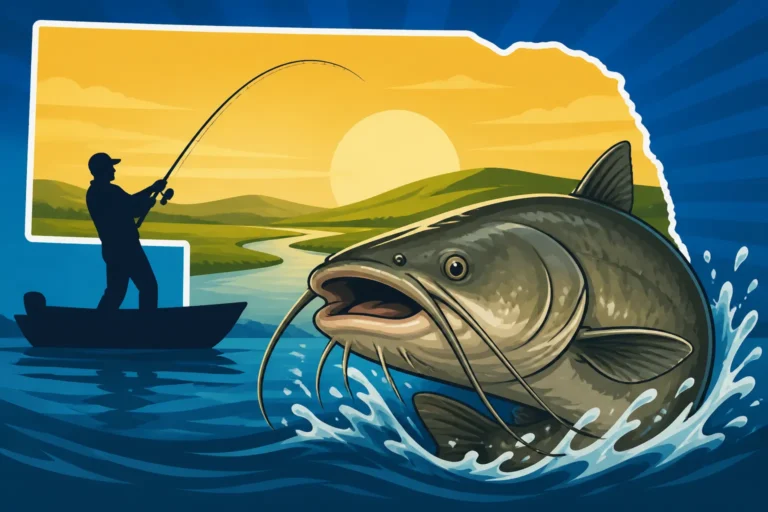
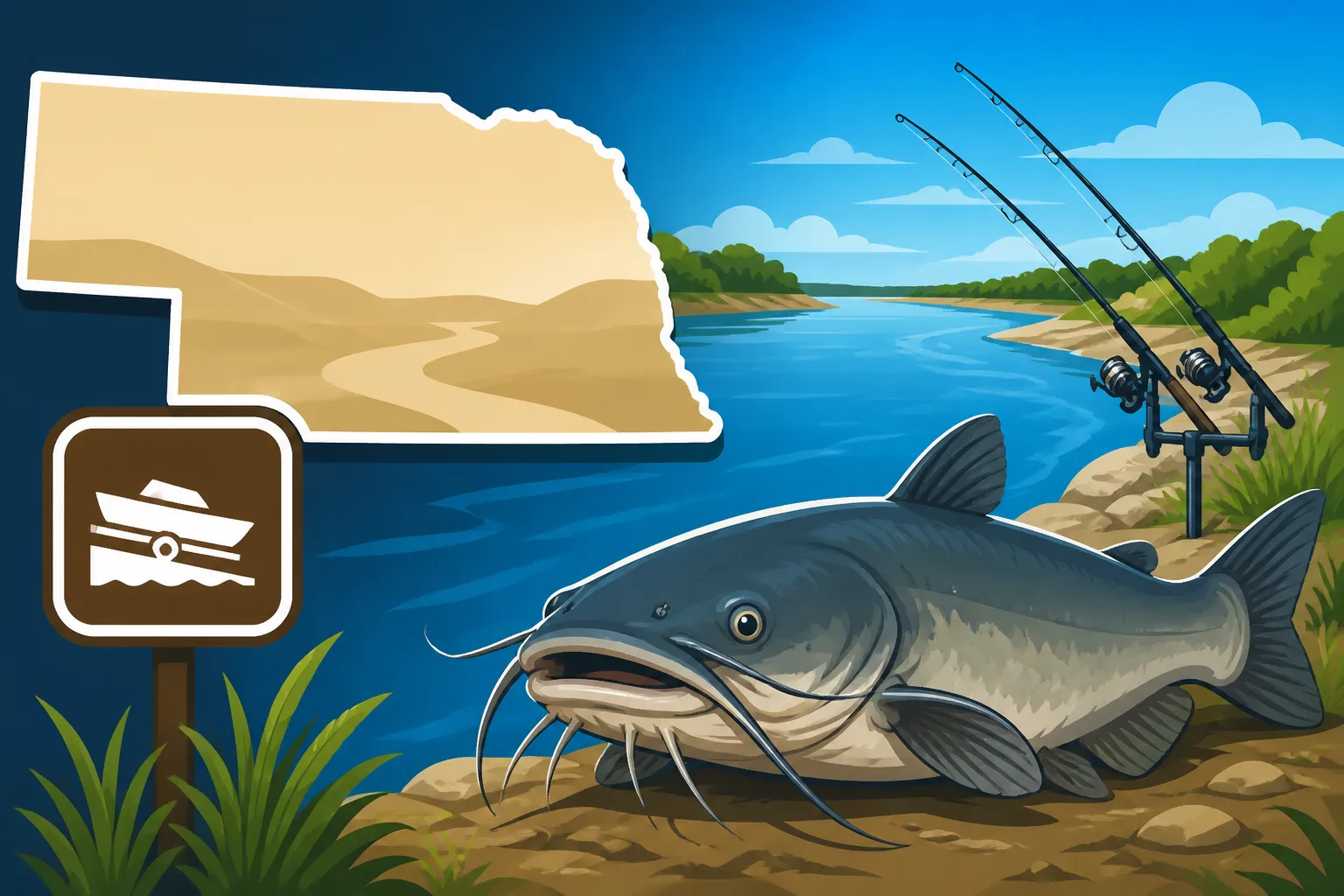
Fishing for catfish on the mighty Missouri River can be an incredibly rewarding experience, but let's be honest, it can also feel like looking for a needle in a haystack. This massive, sprawling river, marking much of Nebraska's eastern border, offers incredible opportunities for channel cats, flatheads, and even some blues, but knowing where to drop your line and how to approach such a vast system is often the biggest hurdle. This guide is designed to cut through that confusion, helping you unlock the best public access points along the Nebraska side of the Missouri for your next epic catfishing adventure.
Understanding the Missouri River for Catfish
The Missouri River isn't just a big ditch; it's a dynamic, ever-changing ecosystem with immense power and incredible fish-holding potential. For catfish anglers, understanding its nuances is the first step to success. From its powerful currents to its diverse bottom structures, the river presents both challenges and rewards.
Key Characteristics of the Nebraska Missouri River
Along the Nebraska border, the Missouri River takes on several distinct personalities. Upstream, near the Gavins Point Dam area, it's a bit more controlled, but as you move downstream, it widens, deepens, and develops more complex features. The defining characteristic is always the current. This isn't a stagnant lake; the water is constantly moving, carving out deep holes, building sandbars, and piling up debris.
You'll find a mix of bottom compositions, from rocky stretches and gravel beds to soft, silty areas. Crucially, the river is dotted with man-made structures like wing dikes (often called wing dams) and riprap along the banks, all designed to control erosion and maintain navigation channels. These structures, while functional for river management, are absolute magnets for catfish. The border water aspect also means you might be fishing very close to, or even within, Iowa or South Dakota waters. It's crucial to understand the rules, and a good starting point is always to consult the official Nebraska Fishing Regulations Explained before heading out.
Prime Catfish Habitats and Behavior
Catfish, regardless of species, are masters of using the river's current to their advantage, often seeking out areas where they can expend minimal energy while waiting for food. This means looking for current breaks – places where the fast-moving water slows down, allowing debris and food to settle.
Think about areas directly downstream of wing dikes, behind large submerged logs or rock piles, and in the eddies formed by points and bends in the river. Deep holes, especially those scoured out on the outside bends of the river or below dams, are classic holding spots for larger flatheads and blue catfish. Channel catfish are often more widespread and tolerant of varying conditions, frequently found cruising along flats, near brush piles, or around tributary mouths where smaller baitfish and insects wash in. Understanding Nebraska Channel Catfish Daily Limit and other species-specific regulations will also guide your approach to these varied habitats.
Top Public Access Points for Catfishing
Finding a good spot to fish the Missouri River without a private boat launch can feel daunting. Thankfully, Nebraska offers a variety of public access points, from developed state parks to lesser-known boat ramps, that put you right on the water.
Popular Bank Fishing Locations
For many anglers, especially those just starting or without a boat, bank fishing is the way to go. The key is finding spots with good bank access that also offer nearby structure or deeper water.
- Gavins Point Dam Area: This is a fantastic option, particularly on the Nebraska side near Yankton, South Dakota. Below the dam, the churning water and deep channels are renowned for producing impressive catfish. There's ample shoreline access and even some fishing platforms. The fast current here demands heavy tackle, but the rewards can be significant, especially for trophy-sized blues and flatheads. This area is also popular for other species, so you might want to learn about Missouri River Fishing in Nebraska in general.
- Ponca State Park: Located near Ponca, Nebraska, this state park offers excellent access to the Missouri River. There are numerous spots to fish from shore, including along developed trails and near certain boat launches. The park features diverse river conditions, from riprap-lined banks to natural tree lines, providing varied habitat for channel and flathead catfish. The park also has amenities like restrooms and camping, making it a great destination for a longer trip.
- Brownville State Recreation Area: Further downstream, near the historic town of Brownville, you'll find another excellent option. This area provides good bank access, often with opportunities to fish around older structures or along the main channel. It's a bit more rural, offering a quieter experience, and is known for solid channel catfishing, with flatheads also present.
When planning a bank fishing trip, consider using resources like FishingBooker to find local guides who specialize in shore-based catfishing trips. They can share invaluable local knowledge about the best, often hidden, bank fishing spots that might not be immediately obvious on a map.
Boat Ramp Access for River Anglers
For those with a boat, the Missouri River truly opens up. You can reach those elusive wing dikes, deep channel edges, and secluded log jams that bank anglers can only dream of. However, boating on the Missouri requires caution due to strong currents, submerged hazards, and barge traffic. Always refer to Nebraska Boat Registration and Fishing Rules before launching.
- Weigand Marina (Gavins Point Dam): This is one of the premier boating access points in northeast Nebraska, offering multiple ramps and amenities for serious anglers. From here, you can easily access the waters below Gavins Point Dam or head further downstream to target channel swings and wing dikes.
- Ponca State Park Boat Ramp: As mentioned earlier, Ponca State Park also has a well-maintained boat ramp. It's a great launch point for exploring the river upstream and downstream from the park, offering access to diverse habitat including natural banks, snags, and shallower flats.
- Niobrara State Park: Further upriver, near the confluence of the Niobrara and Missouri Rivers, Niobrara State Park provides boat access. This area can be particularly good during periods when catfish are moving into or out of the Niobrara River.
- Omaha Area Ramps (e.g., Dodge Park, Riverfront Access): For those closer to the metropolitan area, there are various public and private boat ramps that provide access to the Missouri River around Omaha and Council Bluffs (on the Iowa side). These areas offer diverse fishing, with strong currents, deep holes, and numerous wing dams. While often busier, they provide convenience for urban anglers.
When launching a boat, be mindful of the current, especially during high water. Always have your safety equipment readily accessible, and consider carrying extra anchors in case you need to hold position in a strong flow.
Border Water Considerations and Reciprocity
Fishing the Missouri River often means dealing with border water regulations. The river forms the border between Nebraska and South Dakota, and Nebraska and Iowa. The general rule is that if you possess a valid fishing license from either state bordering the Missouri River, you can fish the main stem of the river and its non-landlocked chutes and backwaters shared by both states.
However, this reciprocity does not extend to tributaries or landlocked oxbow lakes that lie entirely within one state. For example, if you have a Nebraska license, you can fish the Missouri River, but you cannot fish a landlocked oxbow lake entirely within Iowa, or a tributary stream in South Dakota, without the appropriate license for that state. It's always best to check the specific regulations for Nebraska Nonresident Fishing License Guide or the regulations of the bordering state if you plan to venture beyond the main channel or into specific tributaries.
| Access Point | Type of Access | Primary Target Species | Key Features for Catfishing | Amenities (General) |
|---|---|---|---|---|
| Gavins Point Dam Area | Bank & Boat | Blue, Flathead, Channel Cat | Deep channels, strong current, dam scour holes | Parking, restrooms, marina, camping |
| Ponca State Park | Bank & Boat | Channel, Flathead Cat | Riprap, log jams, diverse natural banks, varied current | Camping, trails, restrooms, boat ramp |
| Brownville State Rec. Area | Bank | Channel, Flathead Cat | Main channel access, quieter stretches, some natural banks | Parking, limited restrooms |
| Weigand Marina (Gavins Point) | Boat | Blue, Flathead, Channel Cat | Direct access to dam tailwaters, open river | Multiple ramps, fuel, bait, store |
| Niobrara State Park | Boat (limited bank) | Channel, Flathead Cat | Confluence zones, river bends | Camping, basic boat ramp |
| Dodge Park (Omaha) | Boat (limited bank) | Channel, Flathead Cat | Wing dams, urban access, diverse depths | Parking, restrooms, nearby services |
Essential Techniques and Baits for Missouri River Catfish
Once you've found your spot, knowing how to present your bait effectively is crucial for coaxing those hard-hitting Missouri River catfish onto your line. The river's constant flow and the sheer size of the fish you might encounter demand specific tactics.
Effective Rigs and Presentations
Fishing in current requires rigs that can hold bottom and present bait naturally. You'll want to focus on getting your bait into those current breaks and deep pockets we talked about earlier.
- Slip Sinker Rig: This is a classic for a reason. A weight (pyramid, coin, or no-roll sinker) slides freely on your main line, above a swivel, to which your leader and hook are tied. This allows the fish to take the bait without feeling immediate resistance from the sinker. It’s effective for all catfish species and works well when fishing slower currents or directly into current breaks.
- Three-Way Swivel Rig (Carolina Rig variation): Ideal for stronger currents, this rig uses a three-way swivel. One eye is tied to your main line, another to a short dropper line with a heavy weight, and the third to your leader and hook. The weight holds bottom, while your bait drifts slightly off the bottom, making it very visible and natural. This rig is particularly deadly for flatheads and blue cats holding in deeper channels.
- Bank Sinkers and Fixed Rigs: When the current is ripping, sometimes you just need to get a heavy bank sinker down and hold it there. A fixed rig, where the weight is crimped or tied above the swivel, can also work, but be prepared for more resistance when a fish bites. The key is to use enough weight to keep your bait from washing away. For more general advice on How to Catch Catfish in Nebraska, these rigs are often the starting point.
When targeting flatheads, you typically want to present live bait right on the bottom near heavy cover. For channel cats, a more active presentation, or letting prepared baits soak on cleaner bottom areas, can be effective. Blue catfish often favor deeper, faster water and will readily hit large cut baits.
Baits That Bring in the Big Ones
The right bait can make all the difference, and on the Missouri River, fresh is usually best, especially for bigger fish.
- Live Bait for Flatheads: Flathead catfish are ambush predators that prefer live prey. Shad, sunfish, bluegill, or even small carp caught directly from the river make excellent baits. Rig them through the back or lips on a large circle hook, allowing them to swim naturally. You can find guides on FishingBooker that specialize in flathead fishing and can often provide insights on where to catch the best live bait.
- Cut Bait for Channel and Blue Catfish: Both channel and blue catfish are attracted to the scent trail of fresh cut bait. Shad, skipjack herring, suckers, or even cut carp are all excellent choices. Fillet the fish and cut it into strips or chunks, ensuring there's plenty of surface area to release scent. The fresher the cut bait, the better.
- Prepared Baits and Stink Baits for Channel Catfish: While big flatheads and blues might turn up their noses, channel catfish are notorious for hitting prepared "stink baits" or punch baits. These baits are designed to be extremely smelly and are often molded onto specialized treble hooks. Brands like Catfish Charlie and Sonny's Super Sticky are popular choices among Nebraska anglers. They're particularly effective in warmer water and for catching numbers of smaller to medium-sized channel cats.
- Nightcrawlers and Worms: Don't underestimate the humble nightcrawler! While not typically a trophy bait for massive river cats, a wad of nightcrawlers can be irresistible to channel catfish, especially smaller ones, and can also pick up other species. They’re a great all-around bait, particularly if you're fishing near calmer eddies or tributary mouths. You can get more specific insights on Best Bait for Nebraska Catfish in a dedicated guide.
Always bring a variety of baits if you're unsure what the fish are biting on. Water clarity, temperature, and current can all influence a catfish's preference on any given day.
Planning Your Missouri River Catfishing Trip
A successful catfishing trip on the Missouri River goes beyond just knowing where to go and what bait to use. Safety and proper preparation are paramount when dealing with such a powerful body of water.
Safety First on the Big River
The Missouri River, for all its beauty and fishing potential, demands respect. It's not a place to take chances, especially when dealing with strong currents and heavy boat traffic.
- Life Jackets (PFDs): This is non-negotiable. Everyone on your boat must have a properly fitting life jacket, and it's highly recommended that they be worn at all times, especially in moving water or when fishing alone. The river can be unpredictable, and emergencies can happen fast. You can find detailed rules regarding required safety equipment in Nebraska Boat Registration and Equipment Requirements.
- Weather Awareness: River conditions can change rapidly. Monitor weather forecasts closely for thunderstorms, high winds, and rapidly changing water levels. High winds can make boating extremely dangerous on open stretches of the river, creating large waves.
- Navigation and River Hazards: The Missouri River has a navigation channel marked by buoys, but outside of it, you'll encounter wing dams, submerged logs, sandbars, and shallow areas. Always use caution, especially if you're unfamiliar with the specific stretch of river. If you're new to river boating, consider hiring a guide through platforms like FishingBooker who knows the river like the back of their hand. They can teach you the ropes safely.
- Communication: Always let someone know where you're going and when you expect to return. Carry a fully charged cell phone, and if boating, a marine radio can be a lifesaver in areas with poor cell service.
- Night Fishing Precautions: Catfishing is often best after dark. If you plan for Nebraska Night Fishing Rules, ensure your boat has all required navigation lights, and carry a powerful spotlight or headlamp. Be extra cautious of submerged objects and other boats.
Gear Up for Success
River catfishing isn't a finesse game. You need robust gear that can handle powerful fish and heavy current.
- Rods and Reels: Opt for heavy-action rods (7-9 feet) with stout baitcasting reels capable of holding a lot of heavy line. Look for reels with good drag systems, as a big blue or flathead in current can peel line quickly.
- Line: Braided line (50-80 lb test) is a popular choice for its strength, sensitivity, and lack of stretch, which is essential for setting hooks in deep water. Pair it with a fluorocarbon or monofilament leader (30-60 lb test) to reduce visibility and provide some abrasion resistance.
- Sinkers and Hooks: Bring a variety of heavy sinkers (2-8 ounces or more, depending on current) to ensure your bait stays put. Circle hooks (5/0 to 10/0) are highly recommended, as they typically hook fish in the corner of the mouth, making for easier release and reducing gut-hooking.
- Other Essentials: A sturdy landing net designed for large fish is crucial. Heavy-duty pliers for hook removal, a good headlamp or lantern for night fishing, a cooler for bait and your catch, bug spray, and appropriate sun protection are all must-haves. Don't forget your Nebraska Fishing License Guide!
Ultimately, the Missouri River offers some of the most exciting catfishing opportunities in Nebraska. With careful planning, the right approach, and a healthy respect for the river, you're well on your way to a memorable trip and some impressive catches.
Disclaimer
Fishing regulations and conditions can change. Always consult the latest Nebraska Game and Parks Commission regulations before planning your fishing trip. This guide is for informational purposes only and does not constitute legal advice. Adherence to all local, state, and federal laws is the responsibility of the angler.