How to Jig for Walleye in Nebraska
Ah, the walleye. That elusive, highly prized fish that gives so many anglers a run for their money here in Nebraska. It's frustrating when you spend hours on the water, meticulously casting, only to come up empty-handed while others seem to reel them in with ease. But I'm here to tell you that one of the most consistent and rewarding ways to put those tasty 'eyes in the cooler is through jigging, and this guide is going to walk you through everything you need to know to master it right here in the Cornhusker State.
Understanding Walleye Behavior for Effective Jigging
Before you even think about dropping a jig in the water, you've got to get inside the head of a walleye. These fish aren't just swimming aimlessly; they're creatures of habit, driven by hunger, comfort, and the need to spawn. Understanding their typical behaviors, especially where they prefer to hang out and why, is the first step to successful jigging in any Nebraska waterbody, from the massive expanse of Lake McConaughy to smaller reservoirs and river systems.
Locating Walleye Hotspots
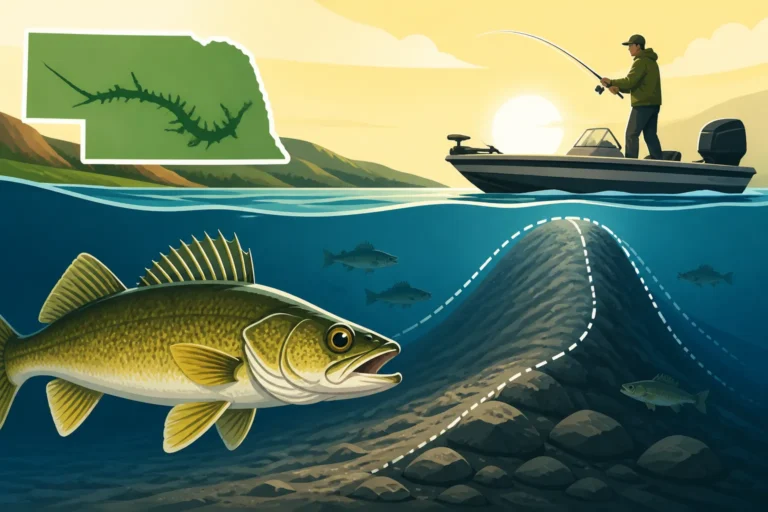
Walleye are masters of camouflage and often prefer to stick to structure. Think about it: they're ambush predators, and structure provides perfect hiding spots from which to dart out and grab unsuspecting baitfish. This structure can be anything from rocky points, submerged humps, and old creek channels to brush piles, standing timber, or even man-made features like bridge pilings and riprap. In Nebraska's larger reservoirs, these deep, defined structures are key. For instance, at Sherman Reservoir, looking for old riverbeds or submerged roadbeds can be incredibly productive.
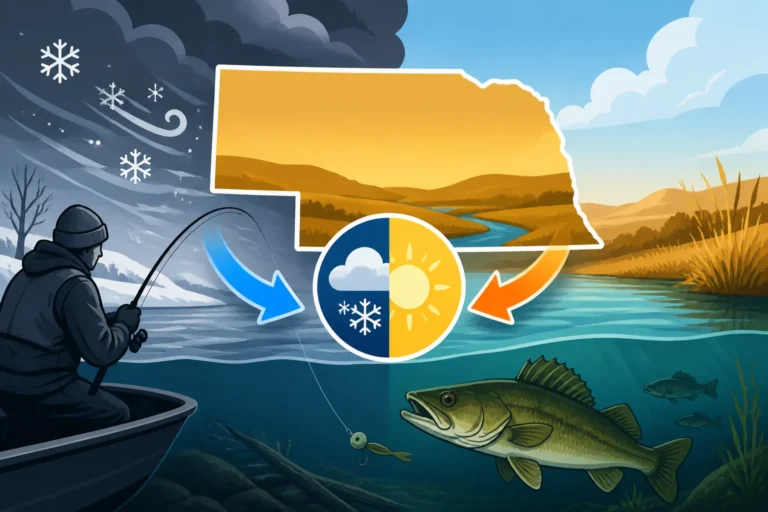
Beyond physical structure, walleye are also very sensitive to light and temperature. They have excellent low-light vision, which is why they often feed most aggressively during dawn, dusk, or under cloudy skies. During bright days, they’ll typically retreat to deeper, cooler water or seek shade under docks or thick vegetation. This means your jigging strategy needs to adapt: shallow presentations during low light, and deeper, more precise presentations when the sun is high. Knowing the contour of the lake bottom and where these fish might be staging is paramount. Many experienced anglers spend just as much time scouting with their electronics as they do fishing.
Seasonal Walleye Movements in Nebraska
Walleye behavior changes dramatically with the seasons, and understanding these shifts is critical for knowing where to present your jig. In Nebraska, we experience a full four seasons, each dictating a different approach.
- Spring (Pre-Spawn & Post-Spawn): As ice melts and water temperatures rise into the 40s and 50s, walleye begin their pre-spawn migration towards traditional spawning grounds – often rocky shorelines, riprap, or tributary mouths. This is a fantastic time for jigging, as the fish are actively feeding to build energy. Post-spawn, they’ll often recuperate in slightly deeper water nearby before scattering to summer feeding grounds. Check out our guide on Walleye Fishing in Nebraska for more details on these seasonal patterns.
- Summer: When water temperatures push into the 70s, walleye generally move to deeper, cooler, oxygen-rich waters. They'll often suspend over deep basins or hug the bottom along humps, ledges, and deep points. This is when you'll be focusing on vertical jigging or pitching jigs to these deep structures. Learning How to Fish Deep Structure for Summer Walleye is essential for success during this period.
- Fall: As water temperatures begin to drop, walleye sense winter approaching and go on a major feeding binge to fatten up. They'll often be found transitioning between deep summer haunts and shallower areas, following baitfish that are also moving. This can be one of the best times to jig, as active walleye will readily strike.
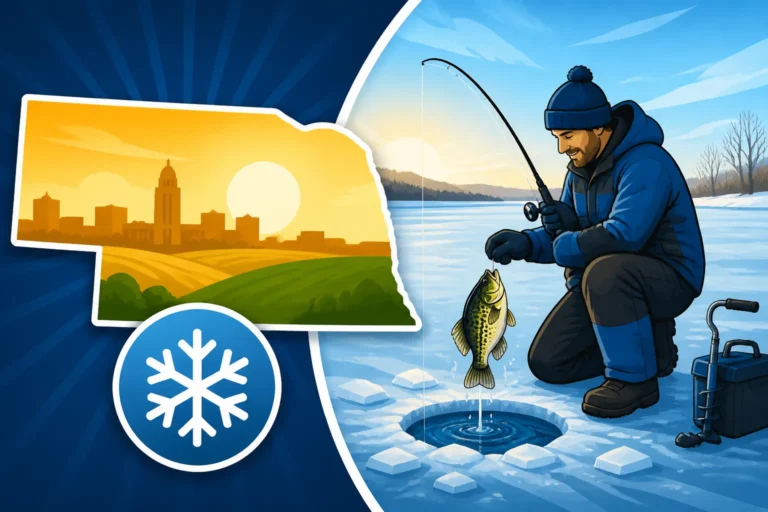
- Winter (Ice Fishing): When Nebraska's lakes freeze over, walleye can still be caught through the ice. They tend to stick to specific areas like sharp breaks, humps, and points, and aggressive jigging with spoons or heavier jigs can be very effective, especially during low-light periods. Ice fishing for walleye is a unique experience, and jigging is often the primary technique.
Essential Gear for Jigging Walleye in Nebraska
Having the right tools for the job can make all the difference, especially when you're trying to coax a subtle bite from a finicky walleye. It's not about having the most expensive gear, but rather the right gear that complements your technique and the conditions you're facing on the water.
Rods, Reels, and Fishing Line
For jigging walleye, sensitivity is paramount. You need to feel those light "thumps" or even just a slight weightlessness as a walleye inhales your jig.
- Rods: A fast-action spinning rod, typically 6'6" to 7'6" in length, with a medium-light to medium power, is ideal. The fast action means the rod tip is flexible for detecting bites, but the backbone is stiff enough to set the hook. Graphite rods are preferred for their superior sensitivity. Many anglers find specific "walleye rods" from brands like St. Croix or Fenwick offer the perfect balance, but there are plenty of excellent, more affordable options available on platforms like Amazon. Our article on Best Walleye Rods for Nebraska Reservoirs goes into more depth on this.
- Reels: Pair your rod with a lightweight spinning reel in the 1000 to 2500 size range. Smooth drag is crucial for fighting larger walleye, and a good retrieve ratio will help you pick up slack quickly. Match the reel to the rod for a balanced setup that feels comfortable to cast and hold for long periods.
- Line: This is where opinions can vary, but most serious jigging anglers opt for braided line as their main line, typically 6-10 lb test, due to its incredible sensitivity and lack of stretch. However, braid is visible, so it's critical to tie on a fluorocarbon leader (6-12 lb test, 3-6 feet long) with a knot like the FG or Alberto. Fluorocarbon is nearly invisible underwater and provides a bit of shock absorption. Some anglers still prefer straight monofilament or fluorocarbon, especially in very clear water, but the stretch can make bite detection harder. For a deeper dive, check out our guide on Best Fishing Line for Nebraska Walleye.
Jig Types and Sizes for Nebraska Waters
The world of walleye jigs is vast, but understanding the basics will set you up for success. Different jig designs excel in different conditions and presentations.
- Ball Head Jigs: These are the most common and versatile. They have a round head and a hook that protrades straight back. Great for vertical jigging, pitching, and tipping with live bait or plastics.
- Stand-Up Jigs: Designed with a flat bottom, these jigs stand upright on the bottom, presenting your bait in a more visible, enticing manner. Excellent for dragging or slow presentations where you want the bait to "perch" on the bottom.
- Mushroom Head Jigs: Often used for finesse presentations with soft plastics, their lighter weight and mushroom shape allow for a more natural, subtle fall.
- Weighted Jigging Spoons: While technically not a "jig" in the traditional sense, spoons are often jigged, especially for ice fishing or when walleye are actively feeding on baitfish in deeper water. They flutter on the fall, mimicking a wounded baitfish.
Weight Selection: Jig weight is critical and depends on depth, wind, and current. The goal is to use the lightest jig possible that still allows you to feel the bottom and control your presentation.
| Jig Weight | Depth (Approximate) | Conditions | Ideal Usage |
|---|---|---|---|
| 1/16 oz | 0-10 feet | Calm, no current | Shallow finesse, vertical ice jigging |
| 1/8 oz | 5-20 feet | Light wind/current | Most versatile, casting/vertical |
| 1/4 oz | 15-35 feet | Moderate wind/current | Deeper water, stronger currents |
| 3/8 oz | 30-50+ feet | Heavy wind/current | Very deep water, strong river currents |
| 1/2 oz+ | 40-60+ feet | Extreme conditions | Deepest water, heavy current, large lakes |
Remember, these are general guidelines. Strong winds on large bodies of water like Lewis and Clark Lake can necessitate heavier jigs even in shallower water to maintain bottom contact. You can find a huge variety of these jigs, in various colors and weights, readily available on Amazon. For specific recommendations, check out our guide on Best Jigs for Nebraska Walleye.
Baits and Scents for Jigging
The right dressing for your jig can make it irresistible. You have options here, each with its own advantages.
- Live Bait: Nothing beats live bait for many walleye anglers.
- Minnows: Shiners, fatheads, or even larger chubs are classic walleye baits. Hook them through the lip or lightly through the back to keep them lively. Their natural scent and action are hard to beat, especially in colder water.
- Nightcrawlers: Often threaded onto a jig or used with a 'worm blower' to make them float enticingly. Their wiggling action and scent are highly effective, particularly in warmer water.
- Leeches: A favorite for their durability and consistent action. They stay on the hook well and provide a natural, undulating presentation.
- Soft Plastics: These have come a long way and offer incredible versatility, especially when fish are aggressive or you're covering a lot of water.
- Paddle Tails/Grubs: Mimic baitfish and provide vibration. Great for casting and retrieving or swimming vertically.
- Minnow Imitations: Soft plastic versions of a minnow, often with a slit tail or thin profile for subtle action.
- Creature Baits/Worms: Can be effective, especially when tipped with a scent.
- Scents: Adding a scent to your live bait or soft plastic can mask human odor and encourage walleye to hold onto the bait longer, giving you more time to set the hook. Brands like Berkley PowerBait or Pro-Cure offer effective gels and sprays.
The choice between live bait and soft plastics often comes down to conditions and angler preference. Live bait generally shines in tougher conditions or colder water, while plastics can be more efficient for covering water and targeting active fish. A blend of both strategies, adapting to what the fish are telling you, is often the most successful approach. Many anglers stock up on a variety of soft plastics from reputable brands found on Amazon before hitting the water. Our guide on Best Live Bait for Walleye at Lake McConaughy dives deeper into bait selection.
Mastering Jigging Techniques for Nebraska Walleye
Now that you've got your gear sorted and a grasp of walleye behavior, it's time to talk about the actual "how-to" of jigging. It's not just about dropping a weight to the bottom; it's an art of presentation, feel, and anticipation. Each technique has its optimal situation, and learning to differentiate them will significantly boost your catch rate.
Vertical Jigging: Precision and Feel
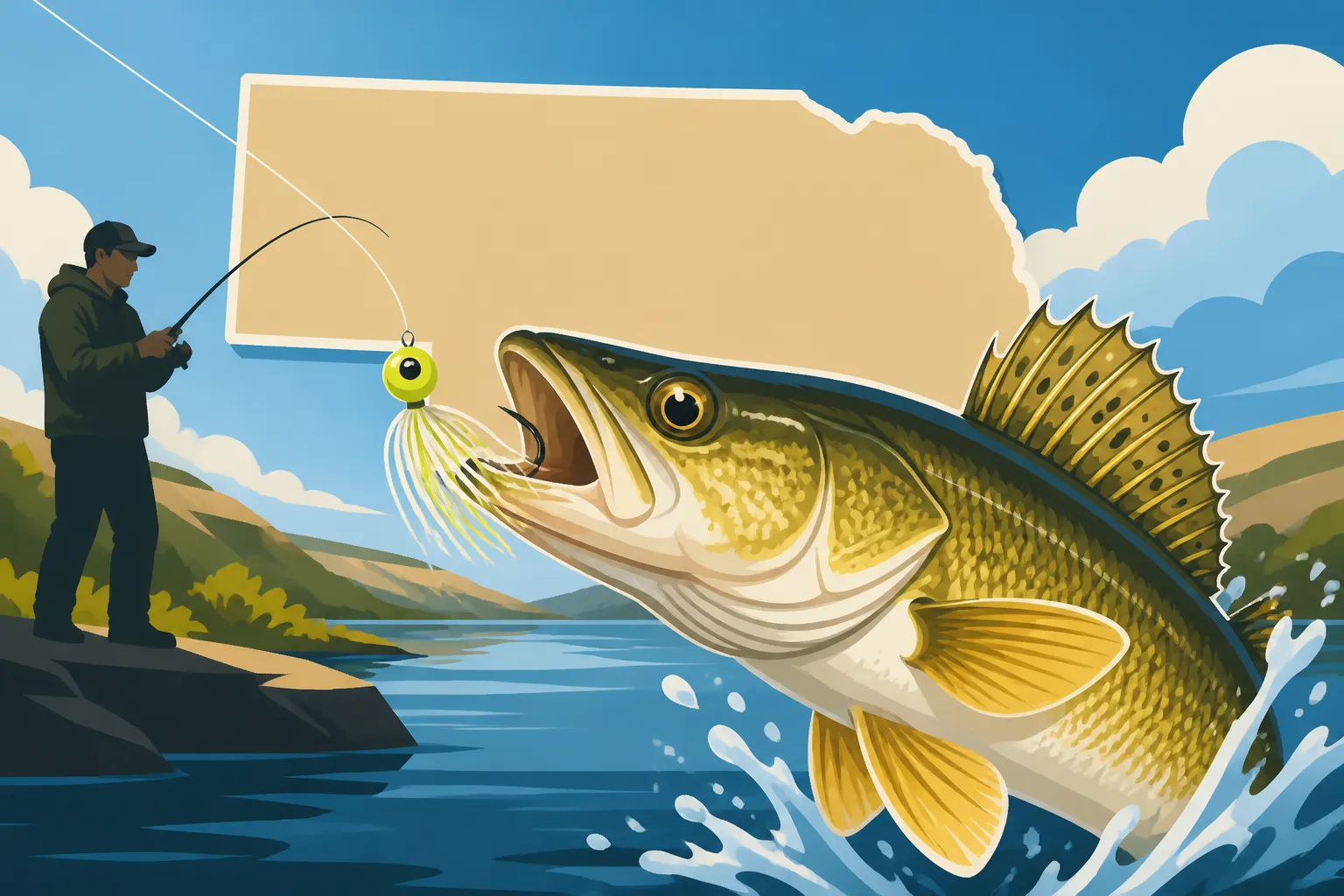
Vertical jigging is perhaps the most precise and direct way to present a jig to walleye, especially when they are holding tight to structure or schooled up in deeper water. This technique involves positioning your boat directly over the fish or structure you intend to target, then dropping your jig straight down.
To execute a perfect vertical jig, you need to maintain a nearly vertical line. Use your trolling motor to keep the boat positioned, either by spot-locking with a GPS-enabled motor like a Minn Kota Ulterra or by making small, precise adjustments. Once your jig hits the bottom, you typically lift it 6-12 inches with a sharp wrist snap, then let it fall back down on a semi-slack line. The bite often occurs on the fall, so pay extremely close attention to your line – any twitch, pause, or change in tension could be a walleye.
This technique is incredibly effective on deep humps, along sharp breaks, or over submerged timber in lakes like Branched Oak or Harlan County Reservoir. It allows you to feel the contours of the bottom, understand the structure, and present your bait directly to fish you've identified on your fish finder. It’s a slow, methodical approach that requires patience but can be incredibly rewarding when walleye are sluggish or concentrated.
Pitching and Dragging: Covering Water and Triggering Bites
While vertical jigging is about precision, pitching and dragging techniques are about covering more water and enticing fish that might be slightly off the main structure or more spread out.
- Pitching Jigs: This involves casting your jig out away from the boat, letting it sink to the bottom, and then working it back towards you. Cast to a specific spot, let the jig hit bottom, then use short hops, drags, or sweeps of the rod to impart action, pausing frequently. The key is to maintain light tension on the line as the jig falls and retrieve, as bites can occur at any point. This method is excellent for shallower water, covering flats, or approaching points where walleye might be cruising. It's also effective when the wind makes vertical jigging difficult, allowing you to cast upwind and drift back, working your jig across the bottom.
- Dragging Jigs: Often done while drifting or slowly trolling with your electric motor, dragging involves letting your jig trail behind the boat, maintaining bottom contact, and letting the natural movement of the boat impart action. Use a longer rod for this technique, letting it rest in a rod holder or holding it comfortably. Periodically lift and drop the rod tip to create subtle hops or pauses. This can be particularly deadly in stained or murky water where walleye rely more on scent and feel, or when fish are scattered across a large flat. It's a great way to locate fish before switching to a more precise technique. Many anglers find success dragging jigs tipped with a nightcrawler or leech when How to Troll for Walleye in Nebraska might be too fast or aggressive.
Snap Jigging: Aggressive and Reactionary Strikes
Snap jigging is an aggressive technique designed to trigger reactionary strikes from walleye. Instead of subtle lifts, you employ a much more forceful snap of the rod.
To snap jig, cast your jig out, let it hit the bottom, then make a sharp, upward snap with your rod, lifting the jig quickly off the bottom (often 2-4 feet). Immediately let the jig fall back down on a slack line. The aggressive snap creates a sudden darting motion, often mimicking a fleeing baitfish, and the rapid fall can entice a following walleye to strike instinctively. The bite almost always occurs as the jig falls back to the bottom, so you need to be watching your line intently for any unnatural movement.
This technique is particularly effective when walleye are actively feeding or when you're trying to cover water quickly and locate aggressive fish. It shines in clear water, or when fish are holding in slightly deeper areas where a more dramatic presentation is needed to get their attention. It can be a game-changer on larger, wind-swept lakes like Lake McConaughy when the fish are chasing bait.
Seasonal Adjustments for Jigging Success
Nebraska's diverse waters and distinct seasons mean your jigging strategy needs to be dynamic. What works in April won't necessarily work in August. Adapting your approach to the water temperature, walleye metabolism, and baitfish availability is the mark of a seasoned angler.
Spring and Pre-Spawn Jigging
As the ice retreats and water temperatures hover in the 40s to low 50s, walleye start their pre-spawn movements. They'll be shallower, often migrating towards rocky points, riprap banks, or river mouths where they'll eventually spawn. This is an incredible time for jigging, but the fish can be lethargic due to the cold water.
- Technique: Focus on slow, methodical presentations. Vertical jigging or slow pitching near these staging areas is key. Use lighter jigs (1/8 to 1/4 ounce) tipped with live minnows or small plastics. Keep your lifts subtle, just enough to hop the jig off the bottom a few inches, then let it settle. The walleye might not chase, so you need to put the bait right in front of them and give them time to react. Early spring mornings, especially on a cloudy day, can offer some of the Best Time of Day to Catch Walleye in Nebraska.
- Locations: Look for areas protected from harsh winds that warm up slightly faster. Northern shores or shallow bays connected to deeper water can be hotspots. River sections where walleye migrate upstream to spawn, like parts of the Platte or Loup River, can also be fantastic jigging grounds.
Summer Deep Water Strategies
Once Nebraska's summer heat fully sets in and water temperatures climb into the 70s, walleye retreat to the cooler, oxygenated depths. They'll be found on deep structures like offshore humps, main lake points, ledges, and channel edges. This is where your electronics become invaluable.
- Technique: This is prime time for vertical jigging directly over deep structure. Use heavier jigs (1/4 to 3/8 ounce, sometimes even 1/2 ounce on large, windy reservoirs) to maintain bottom contact. Pay close attention to your fish finder to locate schools of walleye or large bait balls. Adjust your jigging cadence from subtle lifts to more aggressive snaps depending on how active the fish appear on your screen. Often, a small soft plastic paddle tail or a jig tipped with a piece of crawler can be very effective. This is truly where mastering How to Fish Deep Structure for Summer Walleye comes into play.
- Locations: Search for the deepest parts of reservoirs like Lake McConaughy or Merritt Reservoir. Don't be afraid to experiment with different depths; walleye might suspend at different levels depending on baitfish movements or thermocline depth.
Fall Turnover and Post-Spawn Feeding Frenzy
Fall is a transition period, often bringing with it a phenomenon called "fall turnover" in many lakes. As surface waters cool, they become denser and sink, mixing with the deeper, warmer water. This can temporarily disperse fish, making them harder to find. However, once turnover stabilizes, walleye go on a major feeding binge.
- Technique: During turnover, fish can be anywhere, so pitching jigs to cover water or slow dragging can help you locate them. After turnover, when water temperatures are dropping but still comfortable for walleye (50s to 60s), they become very aggressive. Snap jigging with larger jigs or jigging spoons can be incredibly effective as walleye gorge themselves on baitfish. They'll often be found transitioning between deep and shallow structures, following bait.
- Locations: Look for areas where baitfish are congregating – creek mouths, main lake points, or even shallow flats adjacent to deep water. Lakes like Harlan County Reservoir are known for excellent fall walleye fishing as they fatten up for winter.
Winter Ice Jigging
Nebraska offers some fantastic ice fishing opportunities for walleye, and jigging is the go-to technique. Walleye metabolism slows down, but they still feed actively, especially during low light.
- Technique: Use lighter jigs (1/16 to 1/8 ounce) or small jigging spoons. A common technique involves drilling multiple holes along a breakline or hump and moving between them until you find active fish. Jig aggressively to attract attention, then slow down to a subtle quiver or dead stick the bait to entice a bite. Tipping your jig with a live minnow head or a piece of plastic is often essential.
- Locations: Target sharp drop-offs, underwater humps, and points. Early ice can be great in shallower areas, while mid-winter often sees walleye moving to deeper basin edges. Always prioritize safety on the ice!
Common Challenges and Troubleshooting Walleye Jigging
Even with the right gear and techniques, walleye can be notoriously finicky. It's easy to get frustrated when you know the fish are there but they just won't bite. Learning to read the conditions and adapt your approach is crucial for overcoming these common challenges.
Dealing with Wind and Current
Nebraska lakes, especially the larger reservoirs like Lake McConaughy or Lewis and Clark Lake, are famous for their wind. And if you're fishing rivers like the Missouri or Platte, you're constantly battling current. Both can make jigging incredibly difficult.
- Wind: High winds make it hard to maintain boat position, feel light bites, and keep your line vertical.
- Solution: Increase your jig weight significantly. If you'd normally use a 1/8 oz jig, jump to 1/4 oz or even 3/8 oz. The extra weight helps cut through the water and maintain bottom contact. Use your trolling motor aggressively to "fight" the wind and keep your boat as stationary as possible over your target. Consider drifting with the wind, using a drift sock to slow your progress, and dragging a heavier jig. For bank anglers, casting upwind with a heavy jig and letting it drift back can be an option.
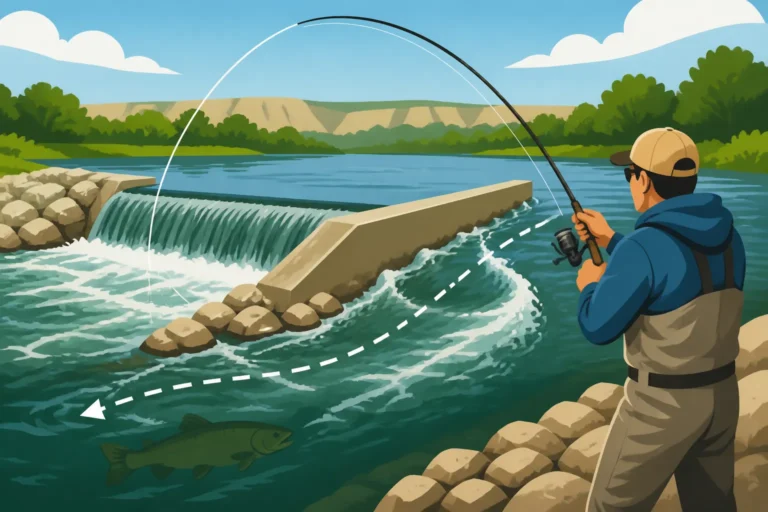
- Current: River currents, or current caused by dams (like below Kingsley Dam at Lake McConaughy for Lake Ogallala trout fishing), will sweep your jig away from the target and create slack in your line, making bite detection nearly impossible.
- Solution: Again, heavier jigs are key. Position your boat upstream from your target and let the current carry your jig to the spot, then retrieve. Alternatively, fish directly downstream, casting upstream and working your jig with the current, or anchoring strategically and casting to eddies or current breaks. Using braided line with a fluorocarbon leader is especially important here due to braid's low diameter and sensitivity, helping to cut through the water better.
Finesse vs. Aggressive Bites: Reading the Fish
Sometimes walleye will hammer your jig, leaving no doubt that you've got a bite. Other times, they'll be incredibly subtle, just "mouthing" the bait or causing a slight weightlessness in your line. Learning to distinguish these subtle bites is perhaps the biggest hurdle for new walleye jigging anglers.
- Subtle Bites (Finesse Approach): When walleye are lethargic due to cold water, post-frontal conditions, or heavy fishing pressure, their bites can be almost imperceptible.
- Solution: Slow down your presentation dramatically. Use lighter jigs (if conditions allow) and smaller baits like a single minnow or a small plastic. Reduce your rod lifts to just a few inches, almost a quiver. Pay excruciating attention to your line – watch for any twitch, pause, or sudden sideways movement. Many bites feel like nothing more than your line going slack or feeling "mushy." This is where a super sensitive rod and braided line are invaluable. Don't be afraid to let the jig sit motionless on the bottom for extended periods, then just twitch it gently.
- Aggressive Bites (Reactionary Approach): When walleye are active, especially during dawn/dusk, pre-spawn, or fall feeding binges, they'll often hit a jig hard.
- Solution: Speed up your presentation. Snap jigging, described earlier, is perfect for this. Use brighter colors or jigs with more flash/vibration to get their attention. Don't be afraid to experiment with larger plastics or even a jigging spoon. The goal is to trigger a reaction strike, so a quick, erratic presentation can be more effective than a slow, subtle one. If you're marking a lot of fish on your How to Read a Fish Finder for Walleye but they aren't biting, sometimes a more aggressive presentation is what it takes.
Always start with a moderate presentation and adjust based on how the fish are reacting. If you're not getting bites, try slowing down first, then speeding up, and altering colors and bait size.
Advanced Tips for Consistent Walleye Catches
Beyond the basics, there are always little tricks and nuances that separate good anglers from great ones. These advanced tips focus on maximizing your understanding of the underwater environment and refining your presentation for truly consistent walleye success in Nebraska.
Reading Your Electronics Like a Pro
Your fish finder isn't just for showing depth; it's a window into the underwater world. Learning to interpret what it's telling you is crucial for advanced jigging.
- Target Identification: Learn to distinguish walleye from other fish species. Walleye often appear as distinct arches or blobs hugging the bottom or suspended slightly above structure. Pay attention to the size and density of the marks. For example, a "Christmas tree" display on your sonar might indicate a school of baitfish, and walleye are often found lurking below or around them.
- Bottom Composition: Modern fish finders can often tell you about the hardness of the bottom. A harder bottom (rock, gravel) will show a thicker return than a soft bottom (mud, silt). Walleye often prefer harder bottoms. This helps you identify productive areas even before you drop a jig.
- Thermocline: In summer, many lakes develop a thermocline – a layer where water temperature changes rapidly. Walleye and baitfish will often suspend just above or within this layer, seeking comfortable temperatures and oxygen. Identifying the thermocline on your sonar helps you know what depth range to focus your jigging efforts.
- Side Imaging/Down Imaging: If your unit has these features, use them! Side imaging allows you to scan wide areas for structure and fish off to the sides of your boat, while down imaging provides a photo-like view directly beneath. These tools are invaluable for pinpointing specific submerged timber, rock piles, or old roadbeds that hold walleye. Many anglers upgrade their electronics, and a wide range of cutting-edge fish finders are available on Amazon.
Mastering Boat Control and Drifting
Precise boat control is arguably as important as your jigging technique. Whether you're vertical jigging or drifting, knowing how to position and move your boat effectively puts your jig where the fish are.
- Trolling Motor Precision: A quality electric trolling motor with GPS capabilities (like spot-lock) is a game-changer. It allows you to hold your position over a small piece of structure in wind or current, or to creep along a contour line with incredible precision. Without it, you're constantly fighting the elements instead of fishing.
- Controlled Drifts: When walleye are scattered or you're trying to locate them, controlled drifting can be highly effective. Use a drift sock (or two, depending on boat size and wind) to slow your drift speed. This allows you to present your jig more naturally and keep it in the strike zone longer. Experiment with different drift speeds and angles over known walleye areas like the main lake points at Johnson Lake.
- Fan Casting While Drifting: While drifting, don't just drop your jig straight down. Fan cast out from the boat, working different depths and angles as you move. This expands your coverage and increases your chances of encountering active fish. Once you get a bite, hit your spot-lock, and thoroughly vertical jig that area, as there are often more walleye nearby.
Color Selection and Subtle Details
While sometimes walleye don't care about color, other times it can make all the difference. Having a range of colors and paying attention to small details can turn a slow day into a successful one.
- Water Clarity:
- Clear Water: Natural colors like white, silver, black, or subtle greens and browns tend to be more effective. Translucent plastics can also work well.
- Stained/Murky Water: Brighter, more vibrant colors like chartreuse, orange, bright pink, or firetiger can be crucial for visibility. Jigs with glow-in-the-dark paint can also be deadly in low light or deep, murky conditions.
- Time of Day/Light Conditions: Low light often favors darker or glow colors, while brighter conditions might call for more natural or silver/gold finishes.
- Baitfish Imitation: Observe what the walleye are feeding on. If you see shad or minnows, try to match the hatch with a jig and plastic combination that mimics their size and color.
- The "Pop" of Color: Sometimes, a small pop of an accent color, like a chartreuse tail on a white jig, can be the subtle trigger they need. Don't be afraid to experiment.
- Hook Sharpness: This is often overlooked. Walleye have bony mouths, and a dull hook will result in missed hooksets. Always check your hooks and sharpen them or replace them if necessary. A super sharp hook is non-negotiable for jigging.
- Knot Tying: A strong, reliable knot is your lifeline. Learn and practice a few trusted knots, like the Palomar for tying jigs directly to fluorocarbon, or the FG/Alberto for connecting braid to a fluorocarbon leader. A good knot ensures your jig stays put and your line doesn't fail under pressure.
By combining a deep understanding of walleye behavior, selecting the right gear, mastering various jigging techniques, adapting to seasonal changes, troubleshooting common issues, and incorporating these advanced tips, you'll be well on your way to becoming a Nebraska walleye jigging expert. Remember to check the official Nebraska Fishing Regulations Explained before you head out, and always adhere to the Nebraska Walleye Bag Limits to ensure sustainable fishing for everyone.
Disclaimer
The information provided in this guide is for general informational purposes only. Fishing regulations, conditions, and fish behavior can change. Always consult the latest official Nebraska Game and Parks Commission regulations before fishing and prioritize safety on the water. Fishing involves inherent risks, and adherence to safety guidelines, including wearing appropriate personal flotation devices, is strongly recommended.