Best Bait for Nebraska Catfish
You know that feeling when you've got your line in the water, the sun is setting over a peaceful Nebraska lake or river, and you're just waiting for that tell-tale tug? But then, nothing. Or maybe you get a nibble from a small panfish when you’re really after that monster cat. It's frustrating when you know the fish are there, but they just aren't biting what you're offering. This guide is all about cutting through that frustration, diving deep into the best baits to lure in those hard-fighting Nebraska catfish, whether you're targeting a chunky channel cat, a massive flathead, or anything in between.
Understanding Nebraska Catfish and Their Diets
Before we even talk about specific baits, it's crucial to understand the main types of catfish you’ll encounter in Nebraska and what makes them tick. Not all catfish are created equal, especially when it comes to their dinner plate. Knowing their typical feeding habits is your first step to choosing the right bait and, ultimately, having a successful day out on the water. It’s like trying to bake a cake without knowing the ingredients – you’re just guessing!
Channel Catfish Preferences
Channel catfish are, without a doubt, the most widespread and popular catfish species in Nebraska. You'll find them in just about every major river, reservoir, and even many farm ponds. These guys are the ultimate opportunists, often described as the "garbage disposals" of the aquatic world. They have an incredible sense of smell, thanks to their barbels (those whisker-like protrusions), which allows them to track down food even in murky water or low light conditions.
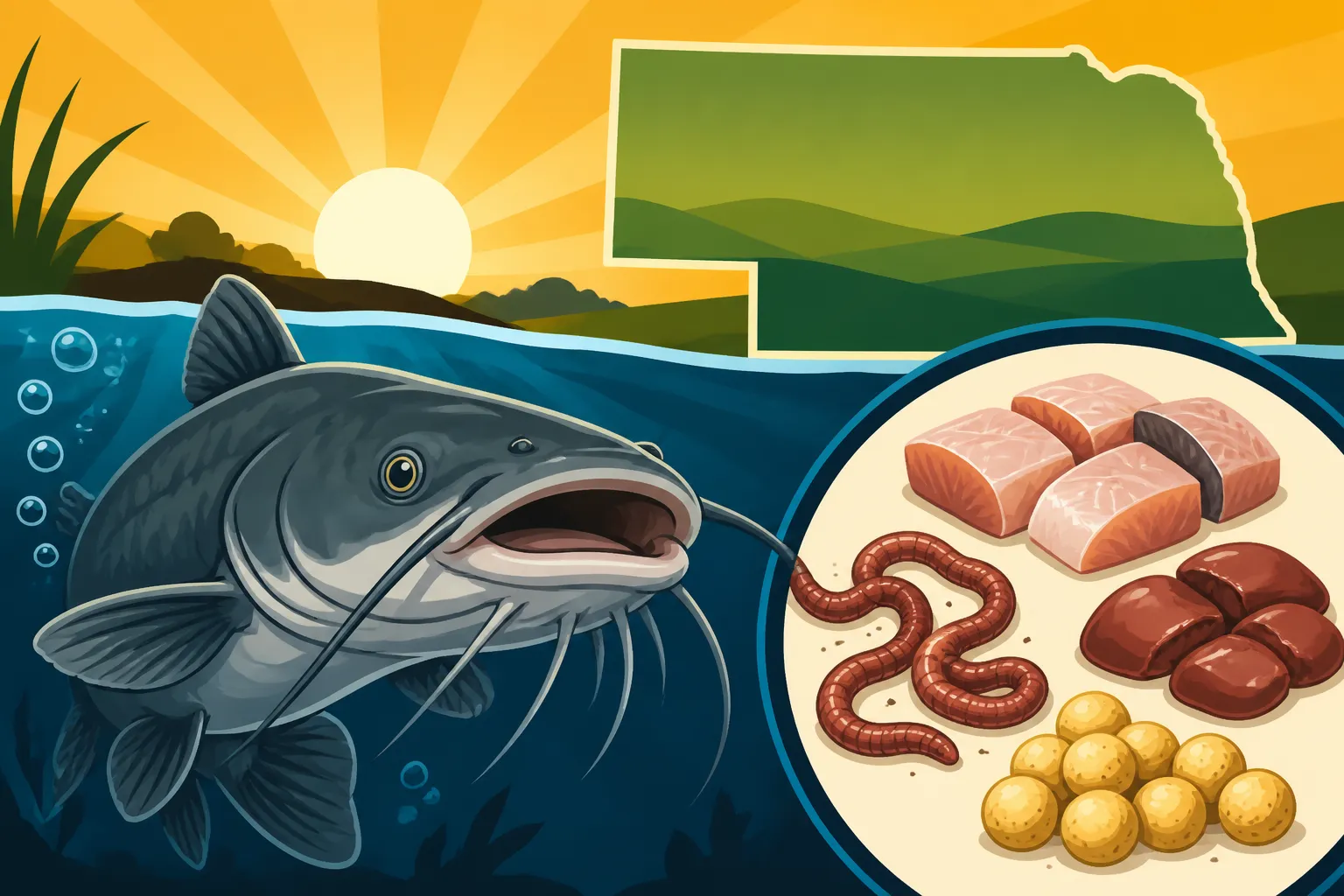
What do they love? Just about anything with a strong scent! Think about it: a decomposing shad, a chunk of chicken liver, or even a gloopy prepared bait emitting a powerful aroma. They're scavengers at heart, so baits that mimic decaying organic matter or distress signals from smaller fish are incredibly effective. Their diet in the wild often includes small fish, insects, crustaceans, and even plant matter. They aren't picky eaters, which is fantastic news for anglers because it means you have a wide array of options to entice them. The key is usually smell and making it easy for them to find. If you're wondering how to catch catfish in Nebraska, understanding the channel cat's love for strong scents is paramount.
Flathead Catfish Preferences
Now, the flathead catfish is a completely different beast, both in temperament and dining etiquette. While channel cats are the laid-back scavengers, flatheads are pure predators. They are powerful, aggressive hunters that prefer live, struggling prey. You won't typically find a flathead biting on a piece of chicken liver or a dough ball. Their diet consists almost exclusively of live fish – bluegill, sunfish, carp, drum, and even other catfish.
You'll usually find flatheads lurking in areas with heavy cover, like submerged logjams, undercut banks, or rock piles, waiting to ambush their next meal. They rely on sight and vibrations, rather than just scent, to locate their prey. This means your bait choice and presentation for flatheads need to be completely different from what you'd use for channel cats. If you’re serious about landing a trophy flathead, you’ll need to commit to live bait. It's a bit more effort, but the reward of hooking into one of these powerful fish is absolutely worth it. When considering Nebraska Flathead Catfish Fishing, remember: live bait is king.
Top Natural Baits for Nebraska Catfish
When it comes to putting a bend in your rod, sometimes going back to basics with natural baits is the best strategy. These baits often mimic what catfish are already eating in their natural environment, making them incredibly effective. They're also often readily available, either through purchase or by catching them yourself.
Cut Bait Classics: Shad, Bluegill, and Perch
Cut bait is a time-honored tradition for targeting channel catfish, and for good reason. It’s incredibly effective because it releases a strong, oily scent trail that these scent-oriented fish simply can't resist. The fresher the cut bait, the better, as it bleeds more and sends out those tantalizing distress signals.
- Shad: If you have access to gizzard shad or threadfin shad, you've got a goldmine. These oily baitfish are a staple in the diet of many Nebraska game fish, including channel catfish. Cut them into chunks or strips, depending on the size of the fish you're targeting. The head section, with its rich blood and oils, is often particularly appealing. Many anglers swear by shad as the ultimate cut bait.
- Bluegill/Sunfish: While often thought of as live bait for flatheads, smaller bluegill or other panfish cut into chunks work wonders for channel cats too. They’re usually easy to catch in most Nebraska waters, making them a convenient option. Just be sure to check local regulations on using game fish as bait.
- Perch: Yellow perch, if available, also make excellent cut bait, sharing some of the oiliness and strong scent profiles of shad. Their firmer flesh often stays on the hook better in current.
To really maximize the appeal of cut bait, consider putting it in a small mesh bait bag before hooking it. This prevents smaller fish from nibbling it away too quickly while still allowing the scent to dissipate. When learning how to rig cut bait for channel catfish, always aim to expose plenty of surface area for maximum scent dispersal. You can find quality circle hooks and weights for rigging your cut bait on sites like Amazon, ensuring you’re ready for action.
Live Baits for Flatheads: Sunfish and Minnows
As we discussed, flatheads are predators, and they want their meal alive and kicking. This means your bait needs to be lively, appealing, and able to withstand a strong cast and potential nibbles from smaller fish before the flathead decides to strike.
- Bluegill/Sunfish: These are arguably the best live bait for flathead catfish. A 4-6 inch bluegill, green sunfish, or even a small crappie, hooked through the back or lips, is practically irresistible to a hungry flathead. They provide a lot of action in the water, sending out vibrations that flatheads detect from a distance.
- Carp: Smaller carp, often called "goldfish" in the bait shop context, can also be effective, especially if you're looking for a really big flathead. They're hardy and can withstand being on the hook for extended periods.
- Suckers/Drum: These bottom-dwelling fish are also excellent choices for flatheads due to their hardiness and natural presence in many catfish habitats.
When using live bait, it's absolutely crucial to keep your bait fresh and lively. A good aerated bait bucket is a must. Hooking them properly is also key – through the lips allows them to swim naturally and breathe, while a careful hook through the back, above the lateral line, allows for good action without immediately killing the bait. You can find robust aerators and bait buckets on Amazon to keep your live bait in prime condition. For those truly dedicated, knowing the best bait for Flathead Catfish at Night often comes down to a perfectly presented live bluegill.
Worms and Crayfish: The Old Reliables
Sometimes, the simplest baits are the most effective, especially when you're dealing with a mix of species or just looking for a reliable bite. Worms and crayfish fall squarely into this category.
- Nightcrawlers/Red Wigglers: Earthworms, particularly large nightcrawlers, are universal fish magnets. While not usually the bait of choice for trophy flatheads, channel catfish absolutely devour them. They’re easy to obtain, simple to rig, and provide a wriggling, natural presentation that fish can't ignore. Bunching several nightcrawlers on a hook creates a larger profile and releases more scent, making it even more attractive. If you're out fishing with kids or just looking for consistent action, a handful of worms is always a good idea. They're excellent for smaller channel cats and also good for a mixed bag if other species are present.
- Crayfish: These freshwater crustaceans are a natural part of the diet for all catfish species, especially larger ones. Whether alive or freshly dead, crayfish are a fantastic bait. Their scent and natural movement, if alive, are a strong draw. You can often find them under rocks in shallow water or purchase them from bait shops. Hook a live crayfish through the tail for the best action, allowing it to move naturally on the bottom.
These natural baits require minimal fuss and are perfect for a relaxing day of fishing. They’re especially effective when you're trying to figure out what the fish are biting on a new body of water.
The World of Prepared and Stink Baits
For many channel catfish anglers, natural baits are just the beginning. The world of prepared and "stink" baits offers an almost endless variety of potent aromas designed specifically to trigger the channel cat's keen sense of smell. These baits are convenient, often shelf-stable, and can be incredibly effective when used correctly.
Commercial Stink Baits and Punch Baits
Walk into any bait and tackle shop, and you'll be greeted by an impressive (or perhaps overwhelming) array of commercially prepared catfish baits. These are specifically formulated to have a strong, lingering scent that appeals to channel catfish.
- Dip Baits: These are often thick, goopy concoctions that require a special applicator, like a ribbed worm or a small sponge, to hold them on the hook. Brands like Berkley's PowerBait for Catfish or Secret 7 have developed strong followings. They come in various pungent flavors, from cheese to blood to liver. The key is their ability to continually disperse a scent cloud in the water, attracting catfish from a distance.
- Punch Baits: These are a specialized type of stink bait, usually a thick, dough-like mixture often made with cheese, blood, or other strong-smelling ingredients. The "punch" method refers to how you load it onto a treble hook: you simply press the treble hook into the bait, scoop it up, and the sticky consistency adheres to the hook. Sonny's Super Sticky or Rippin' Lips are popular punch bait choices. They stay on the hook remarkably well, even in current, and emit a powerful odor.
- Pellet Baits: Some commercial baits come in pellet form, designed to slowly dissolve and release scent. These are often used by anglers who pre-bait an area, but smaller pellets can be threaded onto a hair rig or a small hook directly.
The convenience of these baits is a major draw. You don't have to worry about keeping them alive or cutting them up. Just open the jar, bait your hook, and cast. They are incredibly effective for channel catfish in both lakes and rivers. You can easily stock up on a variety of commercial stink baits on Amazon before your next trip.
Homemade Concoctions and Their Appeal
For the more adventurous or traditional angler, concocting your own catfish bait is a badge of honor. Homemade baits often allow for customization and can sometimes outperform commercial options, largely because you can tailor them to the local fish's preferences or simply create an even more potent (and often disgusting!) aroma.
Common ingredients for homemade stink baits include:
- Chicken Liver: A classic! Many anglers simply use chicken liver straight, but some let it sit in the sun for a day or two to really get it stinky. Others mix it with garlic, Kool-Aid, or other ingredients to create a unique scent profile.
- Cheese: Velveeta or other processed cheeses can be mixed with garlic powder, fish oils, or even a bit of soured milk to make a potent dough bait.
- Blood: Often mixed with flour or cornmeal to create a paste, dried blood or fresh animal blood (if you can source it) is a known catfish attractor.
- Oats/Cornmeal: These can be used as a base or binder for many homemade recipes, soaking up scents and releasing them slowly.
The appeal of homemade baits lies in the experimentation and the satisfaction of catching fish on something you created yourself. It's a bit of an art form, really! Just be warned, some of these recipes can be quite rank to prepare, so perhaps do it outside!
Dough Baits and Other Specialty Options
Beyond the dedicated stink baits, there are other prepared options that can be surprisingly effective for catfish, especially when they're feeding on smaller, softer items.
- Dough Balls: Simple dough balls, often made from flour, water, and cornmeal, sometimes with added flavors like vanilla or garlic, can attract catfish. They’re particularly good for smaller channel cats and panfish, but don't underestimate their ability to tempt larger cats, especially in ponds where they might be accustomed to similar baits.
- Marshmallows: Believe it or not, plain old marshmallows can catch catfish! They float, providing a unique presentation, and dissolve slowly, releasing a sweet scent. Some anglers soak them in garlic juice or a commercial scent for an added kick. They are especially popular for targeting bullheads and smaller channel catfish.
- Hot Dogs/Sausage: Sliced hot dogs or pieces of cheap sausage can be surprisingly effective for channel cats. Their processed meat smell and oils appeal to the opportunistic nature of these fish. A simple hot dog cut into chunks can save a slow fishing day.
These specialty baits might not always be your first choice, but it’s always smart to have a few different options in your tackle box. Sometimes, a change of pace is exactly what the catfish are looking for. They're easy to find in any grocery store, or in the case of specialized dough baits, you can find them on Amazon.
Strategic Bait Presentation and Rigging
Having the best bait in the world won't do you much good if you don't present it properly. How you rig your bait, and where you cast it, can make all the difference between a frustrating day and a successful one. Catfish are generally bottom feeders, but they will come up for a meal if the circumstances are right. Understanding different rigging techniques is key to adapting to various fishing conditions.
Simple Bottom Rigs for Still Water
For much of your channel cat fishing, especially in lakes, reservoirs, or slow-moving rivers, a basic bottom rig is all you need. These rigs are designed to keep your bait anchored near the bottom, right where catfish are often searching for food.
- Weight Above Hook (Slip Sinker Rig): This is perhaps the most common and versatile catfish rig. You thread an egg sinker or walking sinker onto your main line, followed by a bead (to protect the knot), and then tie on a swivel. To the other end of the swivel, tie a leader (usually 12-24 inches) and then your hook. The slip sinker allows the line to run freely through it, meaning a catfish can pick up the bait and swim away without immediately feeling the resistance of the weight. This provides a more natural presentation and reduces the chance of the fish dropping the bait. It's excellent for cut bait, worms, or dough baits.
- Fixed Sinker Rig (Carolina Rig Variant): For slightly heavier current or when you want your bait to stay in a very specific spot, a fixed sinker might be better. This is similar to a slip sinker rig, but the sinker is fixed above the swivel or tied directly to the end of the main line, with the leader and hook coming off above it. This rig is simple and effective.
When using these rigs in still water, consider where the fish are likely to be: near drop-offs, submerged structure, or channels. Cast your bait out, let it sink, and wait. Sometimes a slow retrieve or a slight twitch can help dislodge some scent from your bait.
Carolina Rigs for Rivers and Currents
Fishing in rivers introduces a new challenge: current. Your bait needs to stay in the strike zone without getting washed downstream too quickly or snagged too often. The Carolina rig, in its various forms, is excellent for this.
- Carolina Rig for Live Bait: While traditionally a bass rig, a heavier version of the Carolina rig is perfect for presenting live bait to flatheads in current. A lead sinker (often a flat, no-roll, or pyramid sinker to resist current) is threaded onto the main line, followed by a bead, and then tied to a heavy-duty swivel. A fluorocarbon or monofilament leader of 12-36 inches (or longer in clear water) is tied to the other end of the swivel, with a strong circle hook at the end. The heavy sinker keeps the rig anchored, while the leader allows your live bait to swim freely and naturally just off the bottom, irresistible to lurking flatheads.
- Three-Way Swivel Rig: This rig is a favorite for many river anglers. You tie your main line to one eye of a three-way swivel. To the second eye, tie a short leader (6-12 inches) with a pyramid or flat sinker at the end. To the third eye, tie a longer leader (18-36 inches) with your baited hook. This rig keeps your bait off the bottom, fluttering in the current, and reduces snags on rocky riverbeds. It’s particularly effective when targeting fish that might be suspended slightly or when fishing over debris. This works great for cut bait or large chunks of worms.
- Santee Cooper Rig: This is essentially a slip-sinker rig with a float added to the leader. After your slip sinker and swivel, tie a leader with a small foam float (often an in-line Cigar or egg float) positioned a few inches above the hook. This keeps your bait suspended just off the bottom, out of the muck, and in the strike zone, while the slip sinker allows the fish to take the bait without resistance. It's fantastic for areas with soft bottoms or vegetation.
When river fishing, always consider the current. Use enough weight to hold bottom, but not so much that your presentation looks unnatural. This is where a good Best Rod Setup for Nebraska Catfish really shines, as it needs enough backbone to handle the weight and fight strong fish in current. Anglers fishing the Platte River Catfish Fishing often rely on these heavier, current-adapted rigs.
Float Rigs for Suspended Catfish
While catfish are primarily bottom dwellers, they will absolutely move up in the water column if food is present or if water conditions dictate. This is where float rigs come into play, allowing you to present your bait at a specific depth off the bottom or even near the surface.
- Slip Bobber Rig: This is incredibly versatile. A slip bobber allows you to adjust the depth of your bait simply by sliding a bobber stop up or down your main line. You thread the bobber stop, then a bead, then the slip bobber, another bead, and finally tie on a swivel. To the swivel, add a leader and your hook, with a split shot or two on the leader to get the bait down. This rig is fantastic for targeting catfish that might be suspended over deeper water, or for fishing over submerged brush piles where you want to keep your bait just above the snags. It's particularly effective with worms, small pieces of cut bait, or even live minnows.
- Fixed Bobber Rig: For shallower water (usually less than 8-10 feet), a fixed bobber (like a clip-on or spring-loaded bobber) can work well. You simply attach the bobber to your line at the desired depth, add a split shot or two, and your baited hook. This is often a go-to rig for bank fishing in smaller ponds or targeting shallower areas of lakes.
Float rigs provide a visual indicator of a bite, which can be very exciting, especially when fishing with kids. They allow for a more active presentation and can be deadly when catfish are cruising in shallower water or feeding on baitfish near the surface. Remember, sometimes the fish aren't on the bottom, and being able to adjust your depth is a huge advantage.
Seasonal and Water Condition Considerations
Just like humans, catfish's behavior and feeding patterns change with the seasons and environmental conditions. What works in the heat of summer might be ignored in the chilly waters of spring or fall. Being able to adapt your bait and tactics to these changes is what separates a consistently successful angler from someone who just gets lucky once in a while.
Warm Water, Hot Bites: Summer Strategies
Summer is prime time for channel catfish in Nebraska. As water temperatures rise, their metabolism kicks into high gear, and they become incredibly active feeders. This means they're often willing to chase down a wider variety of baits.
- Increased Activity: In summer, catfish are constantly on the prowl. Their excellent sense of smell is even more effective in warm water, which disperses scent more rapidly. This makes strong-smelling baits like commercial stink baits, chicken liver, and oily cut bait particularly effective.
- Night Fishing: As temperatures soar, catfish often become more active at night to escape the midday heat and take advantage of cooler water and reduced boat traffic. This is when fishing How to Fish Overnight for Catfish can lead to some truly epic catches. Consider casting those stinky baits near deep holes, creek channels, or submerged structure where catfish retreat during the day.
- Deep Water vs. Shallow: During the heat of the day, catfish might hold in deeper, cooler water. Target the edges of channels, humps, and drop-offs. In the evening and early morning, they often move into shallower flats and points to feed.
Keep an eye on the Nebraska Channel Catfish Daily Limit as catches can really stack up quickly during these active summer periods.
Cooler Waters, Slower Metabolism: Spring and Fall
The shoulder seasons of spring and fall present different challenges and opportunities. Water temperatures are cooler, and catfish might not be as aggressively feeding as they are in summer. Their metabolism slows down, meaning they might prefer a slower, more easily digestible meal.
- Spring Spawning Season: In late spring, as water temperatures approach the 70s, channel catfish begin their spawning rituals. They become more territorial and might be less interested in feeding. However, pre-spawn and post-spawn periods can be excellent. In the pre-spawn, they are bulking up, and in the post-spawn, they are recovering from spawning and can be very hungry. Lighter scented baits or natural presentations like worms or small cut bait might be more appealing.
- Fall Fattening Up: As fall approaches and water temperatures begin to drop, catfish start to feed heavily to build up fat reserves for winter. This can be another fantastic time to fish. They're still interested in smelly baits, but live baits for flatheads can be particularly effective as they too are looking for substantial meals. Look for them moving into deeper water as the season progresses.
- Slow Presentation: In cooler water, a slower presentation is often key. Let your bait sit for longer periods before checking it. Catfish might not chase a bait very far, so putting it right in front of them is crucial.
During these transitional seasons, experiment with different baits and presentations. Sometimes, a subtle approach with a wriggling worm is better than an overpowering stink bait.
Adapting to Muddy vs. Clear Water
The clarity of the water you're fishing in has a direct impact on which baits will be most effective. Catfish rely heavily on their senses to find food, and different water conditions favor different senses.
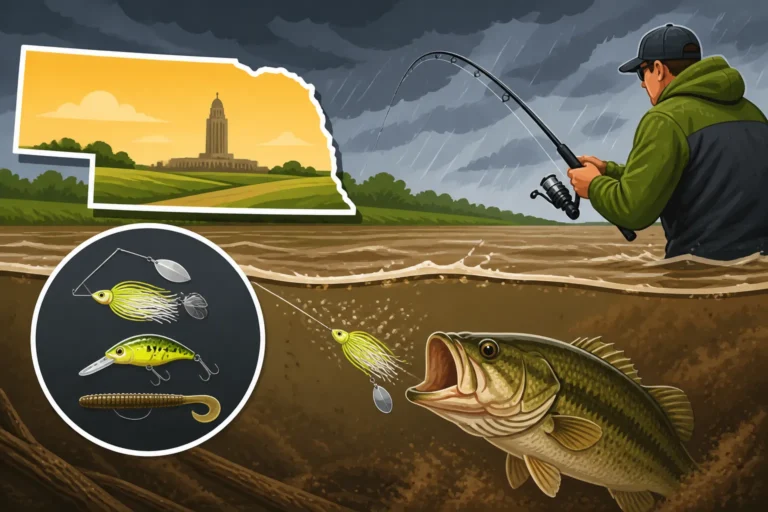
- Muddy Water: When the water is murky or muddy, visibility is practically zero. This is where the channel cat's incredible sense of smell truly shines. Pungent, oily, and highly scented baits are absolutely essential here. Think strong commercial stink baits, chicken liver, blood baits, or very fresh, oily cut bait. The more scent it throws, the better. The fish can't see your bait, so it must smell it.
- Clear Water: In very clear water, catfish, especially flatheads, can be more wary. They might rely more on sight and feel, and an overly strong scent could even deter them. This is when natural presentations truly excel. For flatheads, live bait is paramount, and ensuring your line is as inconspicuous as possible (e.g., fluorocarbon leader) can make a difference. For channel cats, fresh cut bait, worms, or even something like corn can be effective, especially if it looks natural. In clear water, fishing at night or during low light conditions can also be a significant advantage, as the fish feel more secure feeding.
Always observe the water conditions before you choose your bait. What worked last week might not work today if a rainstorm has muddied up the river or a cold front has cleared a lake.
Here's a quick comparison of common catfish baits:
| Bait Type | Target Species | Pros | Cons | Best Use Case |
|---|---|---|---|---|
| Cut Bait (Shad/Bluegill) | Channel Catfish, larger Flatheads | Strong scent, natural, readily available | Can be messy, smaller fish may pick at it | Muddy water, active channel cats, opportunistic flatheads |
| Live Bait (Bluegill/Sunfish) | Flathead Catfish (primarily) | Irresistible to flatheads, natural action | Requires keeping bait alive, more effort, can be regulated | Targeting trophy flatheads in structure, clear water |
| Nightcrawlers | Channel Catfish, Bullheads | Universal appeal, easy to use, readily available | Less selective, smaller fish will bite, can come off hook easily | General catfishing, beginners, mixed bag fishing |
| Commercial Stink Baits | Channel Catfish | Highly scented, convenient, designed specifically for channel cats | Can be very messy, often less effective for flatheads, strong odor | Muddy water, night fishing, consistent channel cat action |
| Chicken Liver | Channel Catfish | Very strong natural scent, cheap | Falls off hook easily, very messy, attracts smaller fish | Still water, heavy scent dispersal needed, close-range fishing |
| Crayfish | All Catfish Species | Natural food source, good scent, durable | Can be harder to find or catch, somewhat pricy if bought | Versatile, good in both clear/murky water, larger cats |
| Hot Dogs/Sausage | Channel Catfish, Bullheads | Easy to use, readily available, convenient | Less effective for large flatheads, can be out-fished by other baits | Quick trips, beginner-friendly, casual pond fishing |
Beyond the Bait: Essential Catfishing Gear and Tips
While bait is a massive part of the puzzle, it's just one piece. To truly succeed at catfishing in Nebraska, you need the right gear, the right mindset, and a little local knowledge. You don't need to break the bank, but having appropriate equipment will make your experience much more enjoyable and productive.
Rods, Reels, and Line for Nebraska Catfish
Having the right setup means you can cast effectively, handle heavy weights, and most importantly, land that monster cat when it strikes.
- Rods: For channel catfish, a medium-heavy to heavy action rod, usually 7 to 9 feet in length, is ideal. This length allows for long casts and provides enough backbone to fight strong fish. For flatheads, you'll want something even beefier – a heavy or extra-heavy action rod, 7.5 to 10 feet, capable of muscling fish out of heavy cover. The Best Catfish Rods for Big Nebraska Rivers will often lean towards the heavier side.
- Reels: A good quality spinning reel (size 4000-6000) or a baitcasting reel (round or low-profile, depending on preference) with a strong drag system is essential. Baitcasting reels are often preferred by serious catfishermen for their power and line capacity.
- Line: Monofilament line in the 15-30 lb test range is a good all-around choice for channel cats due to its stretch and abrasion resistance. For flatheads, or when fishing in heavy cover, braided line (30-65 lb test) offers superior strength, sensitivity, and resistance to nicks and cuts. A fluorocarbon leader can be useful in clear water to reduce visibility. For a more detailed look, check out our guide on the Best Rod Setup for Nebraska Catfish.
Hooks and Weights: Matching Your Bait
Matching your hook size and type to your bait and target species is crucial.
- Hooks:
- Circle Hooks: These are hands-down the best choice for catfishing, especially when targeting larger fish or practicing catch-and-release. The design of a circle hook virtually guarantees a hook-set in the corner of the fish's mouth, minimizing gut-hooking and making releases much easier. Sizes 4/0 to 8/0 are common for channel cats, while 8/0 to 12/0 are often used for flatheads. Learn more about choosing the Best Hook Size for Channel Catfish.
- Treble Hooks: Sometimes used with punch baits or dough baits, but generally less recommended due to higher rates of gut-hooking.
- Weights:
- Egg Sinkers/Walking Sinkers: Great for slip-sinker rigs in still to moderate current.
- Pyramid Sinkers/No-Roll Sinkers: Essential for river fishing to keep your bait from rolling downstream in stronger currents.
- Split Shot: Used for fine-tuning buoyancy on float rigs or adding a little extra weight for casting.
Location, Location, Location: Finding Catfish Hotspots
Even with the perfect bait and tackle, you won't catch fish if you're not where they are. Catfish are creatures of habit and prefer certain types of habitat.
- Rivers: Look for deep holes, outside bends, logjams, undercut banks, and tributary mouths. Current breaks are key. The Platte River Catfish Fishing guide can provide specific insights for that particular waterway.
- Lakes/Reservoirs: Focus on creek channels, submerged humps, points, sharp drop-offs, dam faces, and areas with standing timber or rock piles. Catfish often relate to structure.
- Farm Ponds: In smaller ponds, look for the deepest areas, around any fallen trees, or near aerators if present. Catfish might cruise the entire pond, so spreading out your baits can be effective.
Don't be afraid to move if you're not getting bites. Catfish will often congregate in certain areas, and finding those hotspots is a huge part of the challenge and reward. Remember that some lakes have Nebraska Catfish Bag Limits, so always be aware of the rules for the body of water you're fishing.
Ultimately, catfishing in Nebraska is a fantastic experience, blending patience with the excitement of a hard fight. By understanding the different species, selecting the right bait, perfecting your presentation, and knowing where to find them, you'll be well on your way to a successful and memorable outing.
Disclaimer
Fishing regulations and conditions can change rapidly. Always consult the latest Nebraska Game and Parks Commission regulations before heading out. This guide provides general information and recommendations, but local conditions and rules should always take precedence. Fishing can be dangerous; always prioritize safety.