Best Month to Catch Walleye at Lake McConaughy
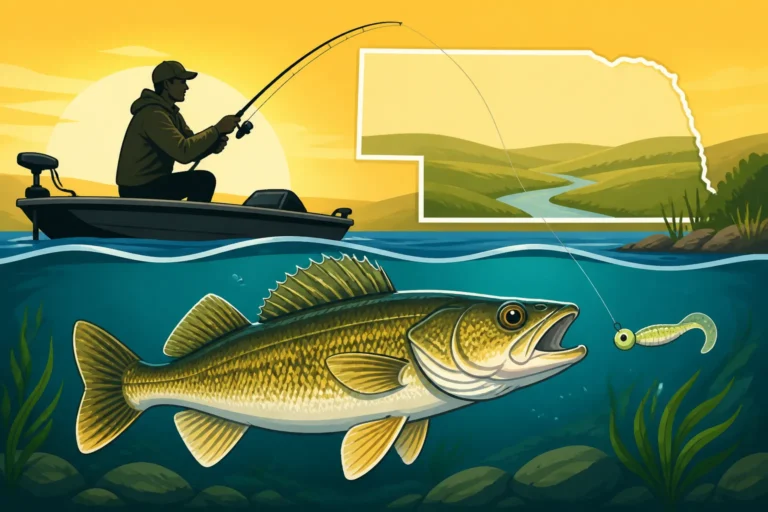
It’s a common question for any angler dreaming of that perfect walleye dinner: "When is the absolute best time to hit Lake McConaughy for walleye?" You’ve heard the legends of trophy fish coming out of Big Mac, but pinning down the prime season can feel like trying to catch a ghost, especially with Nebraska's unpredictable weather. Well, I’m here to tell you that while walleye can be caught year-round, there's definitely a sweet spot that seasoned Nebraska anglers eagerly await. This guide will walk you through the seasonal rhythms of Lake McConaughy to pinpoint exactly when and why you should plan your next walleye expedition.
Understanding Lake McConaughy's Walleye Dynamics
To really dial in on the best time to catch walleye at Lake McConaughy, you need to understand the fundamental drivers behind their behavior. It's not just about the calendar date; it's about what’s happening beneath the surface. Walleye are creatures of instinct, heavily influenced by their environment.
Walleye Spawning and Post-Spawn Activity
The lifecycle of a walleye is arguably the most significant factor dictating their movements and feeding patterns, especially in a massive reservoir like Lake McConaughy. Typically, walleye begin their spawning rituals when water temperatures hit a specific range, usually between 40 and 50 degrees Fahrenheit. At McConaughy, this often means late March through April. During this period, the fish move from their deeper wintering grounds to shallower, rocky areas or tributaries where they lay their eggs. This is a critical time, as their focus isn't primarily on feeding, making them tougher to catch consistently.
However, once the spawn is over, usually by late April or early May, a magical thing happens: the post-spawn bite. These walleye, exhausted from their reproductive efforts, become incredibly hungry and aggressive. They’re looking to replenish their energy stores, and this hunger drive can make them quite cooperative for anglers. They'll start moving out of the very shallow spawning areas, but often remain relatively accessible as they begin to cruise for easy meals. Understanding the Nebraska Walleye Spawning Season is key to predicting this crucial post-spawn window.
Seasonal Water Temperature Changes
Water temperature is the ultimate controller of walleye metabolism and activity. At Lake McConaughy, with its vast expanse and fluctuating depths, temperature changes are constant and have a profound impact.
- Spring Warm-up (April-May): As the ice recedes and the sun gains strength, surface waters begin to warm. This initial warming triggers the spawn. Post-spawn, as temperatures climb into the 50s and low 60s, walleye become very active. They'll frequent areas where they can find comfortable water and abundant food.
- Summer Heat (June-August): When water temperatures push into the upper 60s and 70s, walleye typically move to deeper, cooler water. They become less active during the hottest parts of the day, often feeding more aggressively during low-light conditions like dawn, dusk, and even at night. This is when oxygen levels in deeper water become more stable and comfortable.
- Fall Turnover (September-October): As air temperatures drop, the surface water cools and becomes denser, eventually sinking and mixing with the deeper, warmer water. This "turnover" can scatter fish for a short period, making them harder to locate. However, once the lake stabilizes, falling temperatures invigorate walleye, prompting a strong feeding binge before winter.
- Winter Cold (November-March): Under the ice, or in the deep, cold open water, walleye metabolism slows down considerably. They still feed, but often less frequently and in specific deep-water locations. This is a time for slow, precise presentations.
Keeping an eye on the Lake McConaughy Water Level and Fishing Conditions reports can give you real-time insights into temperature trends.
Forage Base and Walleye Movement
Walleye are opportunistic predators, and their location is almost always tied to their primary food source. Lake McConaughy boasts a diverse forage base, including gizzard shad, emerald shiners, perch, and even juvenile game fish.
- Baitfish Schools: Walleye will follow schools of baitfish, which are themselves influenced by water temperature, light conditions, and available nutrients. In spring, baitfish might be shallower, drawing walleye with them. In summer, schools can be found suspended in open water or near deep structure, and walleye will often suspend below them.
- Shoreline Invertebrates: Early in the season, particularly after the spawn, walleye will often target invertebrates and small fish in shallower rocky areas, especially where plankton blooms attract smaller prey.
- Predator-Prey Dynamics: Big Mac is a healthy ecosystem. The presence of larger predators like striped bass and wipers can also influence walleye movements, pushing baitfish into different areas, which in turn can concentrate walleye. Knowing What Walleye Eat in Nebraska Lakes can really help you choose the right bait.
Understanding these dynamics—spawn, temperature, and food—is like having a secret decoder ring for walleye behavior. It helps you anticipate their movements and be in the right place at the right time.
The Best Month: When Walleye Fishing Peaks at McConaughy
Alright, let's get down to brass tacks. While there are certainly walleye opportunities throughout the year, if you’re looking for the absolute sweet spot for consistent action and potential trophy fish at Lake McConaughy, one period truly stands out.
Prime Time: Late May Through June
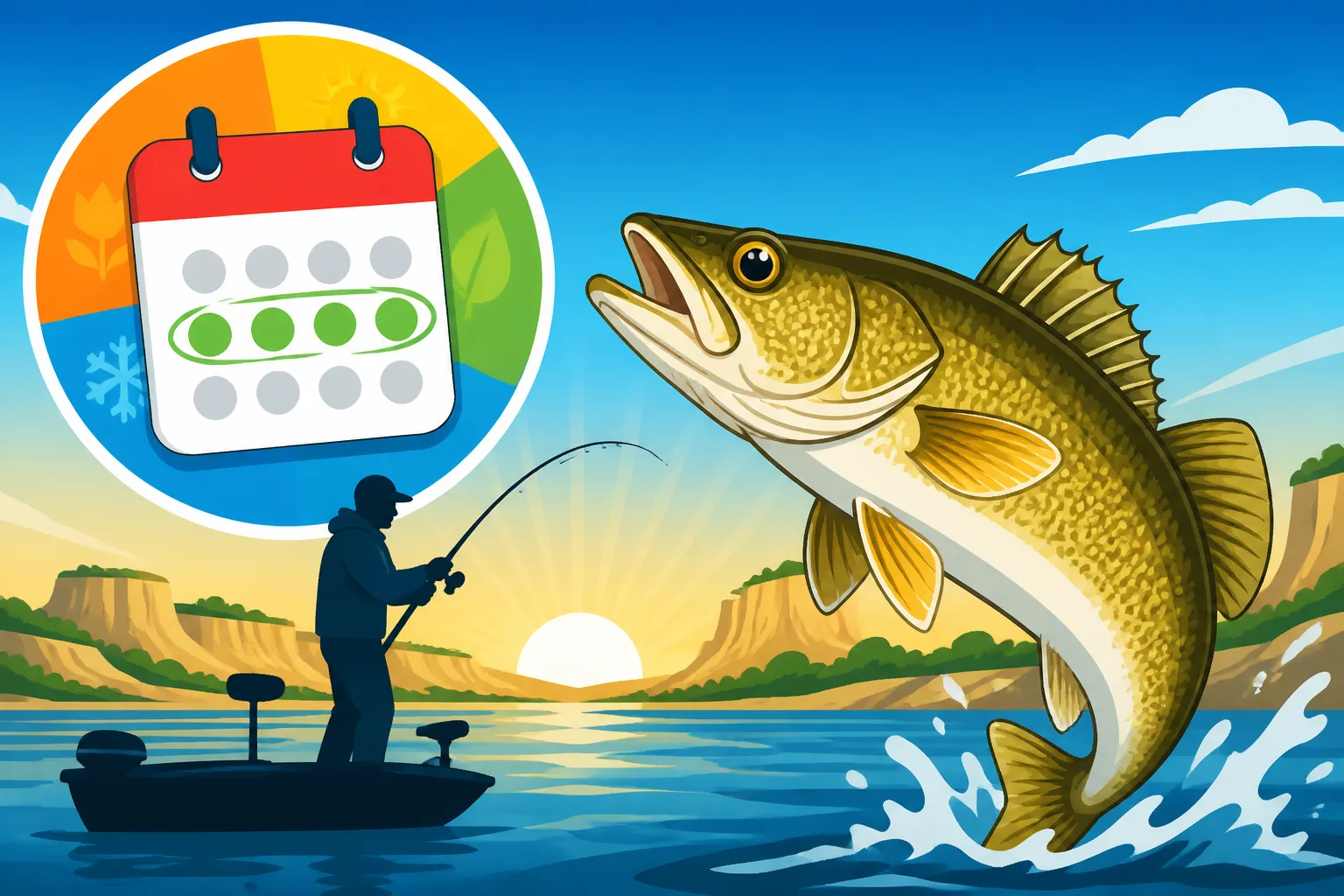
Hands down, late May through June is widely considered the best time to catch walleye at Lake McConaughy. Why this specific window? It’s the perfect storm of post-spawn recovery, rising water temperatures, and an increasingly active forage base.
- Post-Spawn Aggression: By late May, the majority of walleye have completed their spawning rituals and are actively recovering. Their hunger is at its peak, and they’re less finicky about what they'll strike. They’re still relatively shallow compared to mid-summer, making them accessible to a variety of techniques.
- Ideal Water Temperatures: The water in late May and June is typically in the prime feeding range for walleye, often hitting the upper 50s to low 70s Fahrenheit. This makes them active and willing to chase baits.
- Concentrated Fish: Walleye tend to group up more reliably in specific areas during this time, often staging on main lake points, submerged humps, and along sharp drop-offs near their spawning grounds or migratory routes. This concentration makes it easier for anglers to locate schools.
- Prime Feeding Windows: While you can catch them all day, the early morning and late evening bites are often exceptional. On overcast days, the bite can extend throughout the day, providing incredible opportunities.
This is the time when anglers often report catching both numbers of fish and some of the lake's biggest walleye. It's the period when McConaughy really lives up to its reputation as a premier walleye fishery. If you're looking for a Nebraska State Record Walleye Weight and Location story, chances are it happened in this window.
The Transition Months: April and July
While late May and June are prime, don't overlook the shoulder months of April and July. They offer fantastic fishing, albeit with slightly different challenges and strategies.
- April: The Pre- and Early-Spawn: April can be feast or famine. Early April, before the main spawn, can offer excellent fishing for pre-spawn staging walleye that are gorging themselves before their reproductive duties. They’ll be heavy with roe, making for impressive catches. However, once the spawn kicks in, they can become very difficult to entice. The key here is timing and knowing when to switch tactics. If you hit it right, pre-spawn walleye are often aggressive and can be found closer to shore or in river channels leading into the main lake.
- July: The Deep Summer Pattern: As June transitions into July, the lake continues to warm significantly. Walleye will largely shift to their deep summer patterns, moving to cooler, deeper water, often suspending over structure or in the main lake basin. This is when locating fish with electronics becomes crucial. The bite can still be excellent, but it requires a different approach, often involving trolling or vertical jigging in deeper water. The low-light bites remain strong, and night fishing can be incredibly productive during the heat of July.
These months, while not as consistently "easy" as late May-June, still offer incredible potential for anglers willing to adapt their strategies.
Lesser Known Opportunities: Fall and Early Winter
Don't hang up your walleye gear just because summer is over! Fall and early winter at Lake McConaughy offer unique and often uncrowded opportunities for those who brave the cooler weather.
- Fall Feeding Frenzy (September-October): After the summer heat, as water temperatures begin to drop and stabilize (post-turnover), walleye experience another strong feeding period. They're bulking up for winter, and this can lead to an aggressive bite. They might be found shallower again, particularly on sunny days, or relating to main lake points and humps. The fishing pressure is often much lower, making for a more peaceful experience.
- Ice Fishing (December-March): If Lake McConaughy freezes over sufficiently (which doesn't happen every year for the entire lake, but parts often do), ice fishing for walleye can be fantastic. While their metabolism slows, they still need to eat. This requires specific ice fishing gear and techniques, like jigging spoons or small lipless crankbaits, often near deep structure or where currents create open water. It's a test of patience but can yield some truly massive walleye. You can learn more about Nebraska Ice Fishing Regulations if you plan to venture out in winter.
| Month/Season | Typical Water Temps (Surface) | Walleye Behavior | Recommended Techniques | Notes |
|---|---|---|---|---|
| April | 40-55°F | Pre-spawn staging, early spawn. Active then slower. | Jigging, slow trolling stickbaits, vertical jigging. | Focus on rocky points and river mouths. Can be hit-or-miss with spawning. |
| Late May | 55-65°F | Peak Post-Spawn Aggression. Active feeding. | Jigging, slip bobbers with leeches, trolling crankbaits. | Excellent numbers and quality. Fish shallower main lake points and humps. |
| June | 65-72°F | Continued strong feeding. Transitioning deeper. | Trolling crankbaits, bottom bouncers with spinners/crawlers. | Prime time for consistent action. Focus on deep structure, edges of flats. |
| July | 70-78°F | Deep summer pattern, low-light feeding. | Deep trolling, vertical jigging, night fishing. | Requires finding cooler water. Best early morning, late evening, or after dark. |
| August | 75-80°F | Deep, lethargic during day. Strong night bite. | Deep trolling, night jigging. | Can be challenging during the day. Focus heavily on night fishing. |
| September | 60-70°F | Fall feeding spree, post-turnover stabilization. | Trolling, jigging, bottom bouncers. | Walleye fattening up for winter. Often less pressure. |
| October | 50-60°F | Aggressive feeding before winter. | Trolling, casting shallow crankbaits, jigging. | Good potential for larger fish, can find them shallower again. |
| Nov-March (Ice) | 32-40°F | Slow metabolism, concentrated in deep holes/structure. | Ice jigging with spoons, small baits; deadsticking. | Requires specific ice gear and safety. Patience is key. Check ice conditions. |
Proven Techniques for McConaughy Walleye Success
Knowing when to go is only half the battle; you also need to know how to approach these smart fish. Lake McConaughy's size and varied structure demand a flexible approach.
Spring Tactics: Shallow Water and Spawning Runs
In April and May, when walleye are either staging for the spawn or recovering from it, shallow to mid-depth areas are your best bet.
- Jigging: One of the most effective methods, especially in rocky areas or around submerged timber. A 1/8 to 1/4 oz jig tipped with a minnow or a soft plastic grub (like a Berkley Gulp! Minnow, easily found on Amazon) can be deadly. Work it slowly along the bottom with short hops. This is where mastering How to Jig for Walleye in Nebraska comes in handy.
- Slip Bobbers: For suspended fish or when you need to keep your bait in a specific strike zone, a slip bobber rig with a leech or a piece of nightcrawler can be incredibly effective. Fish these along weed lines, over submerged rocks, or near drop-offs.
- Slow Trolling: Early in the season, slow trolling shallow-running crankbaits (think Rapalas or Walleye Divers) parallel to rocky shorelines or over emerging weed beds can pick up aggressive post-spawn fish. Experiment with speeds and depths until you find what they're hitting.
Summer Tactics: Deep Water and Trolling
As the water warms in June and July, walleye push deeper, and your tactics need to follow suit.
- Trolling: This becomes the king of summer walleye fishing at McConaughy. Longlining crankbaits or using bottom bouncers with spinner rigs (tipped with a nightcrawler or leech) are highly effective. You’ll be covering a lot of water to find scattered schools. Look for main lake humps, points, and structural elements in 20-40 feet of water. For details, check out How to Troll for Walleye in Nebraska.
- Vertical Jigging: If you mark a school of fish on your electronics over deep structure, dropping a jigging spoon or a heavier jig straight down can often trigger bites. This is a precise technique that works well when fish are concentrated.
- Night Fishing: Don’t underestimate the power of night fishing during the summer. Walleye often move shallower under the cover of darkness to feed. Trolling shallow crankbaits or casting stickbaits in low-light conditions can lead to incredible action.
Essential Gear and Bait Recommendations
Having the right tools for the job can make all the difference.
- Rods and Reels: For McConaughy walleye, a medium-light to medium power spinning rod (6'6" to 7'6") with a fast action tip is versatile for jigging and casting. Pair it with a 2500-3000 size spinning reel. For trolling, a medium power baitcasting setup or a dedicated trolling rod with a line counter reel is often preferred.
- Line: 8-10 lb monofilament or fluorocarbon is good for jigging and casting. For trolling, many anglers opt for 10-15 lb braided line for its no-stretch sensitivity, often with a fluorocarbon leader.
- Lures:
- Jigs: Fuzz-E-Grubs, bucktail jigs, or simple ball head jigs in sizes from 1/8 oz to 1/2 oz. Colors like chartreuse, white, and perch patterns are popular.
- Crankbaits: Shad Raps, Flicker Shads, Husky Jerks, and Wally Divers are all excellent choices. Vary colors based on water clarity, from natural perch or silver to brighter firetiger or orange.
- Bottom Bouncers & Spinners: A must-have for trolling. Pair them with blades (Colorado, Indiana, Willowleaf) in various colors and sizes.
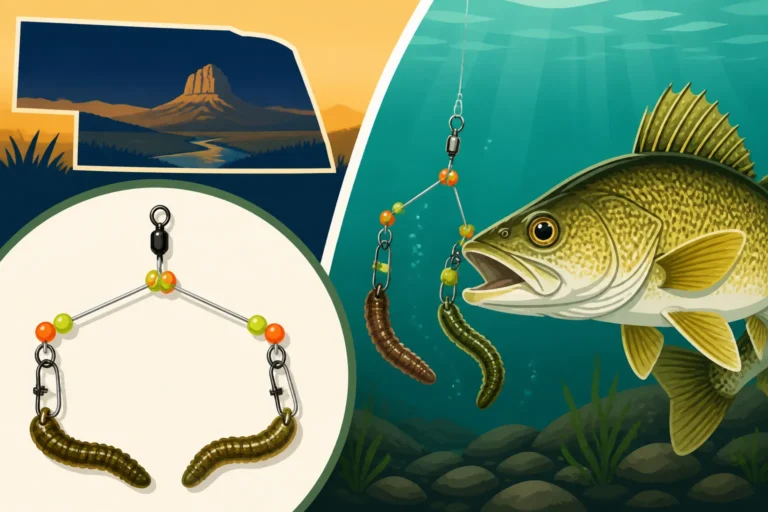
- Live Bait: Nightcrawlers and leeches are walleye magnets, especially under a slip bobber or on a spinner rig. Minnows are also highly effective, particularly in cooler water. You can find excellent bait shops near McConaughy, but for specific lure types, a quick search on Amazon will show you the latest and greatest. Dive deeper into specific recommendations with Best Bait for Nebraska Walleye.
Navigating Lake McConaughy's Challenges
Lake McConaughy is a fantastic fishery, but it's also a vast, dynamic body of water that presents its own set of challenges. Being prepared can turn a tough day into a successful one.
Dealing with Wind and Changing Water Levels
Big Mac is famous (or infamous!) for its strong winds. A calm morning can quickly turn into white-capping waves, making boat control and precise presentations difficult.
- Wind Strategies: On windy days, try to fish areas that offer some protection, like leeward shorelines or coves. If you must brave the open water, use your trolling motor or main engine to maintain boat control and presentation speed. Fishing with the wind, using a drift sock, can help you cover water efficiently and present baits naturally. Always prioritize safety; if the wind is too strong, it’s better to reschedule or find a calmer spot.
- Water Levels: Lake McConaughy’s water levels can fluctuate significantly, especially during irrigation seasons. These changes impact where fish hold, expose or submerge structure, and affect access to boat ramps. Always check the current Lake McConaughy Water Level and Fishing Conditions before you go. Adapt your fishing spots based on whether the water is high or low. For instance, low water might concentrate fish in deeper channels, while high water could open up new flooded timber areas.
Utilizing Electronics for Walleye Location
In a lake as large and complex as McConaughy, good electronics are not a luxury; they’re a necessity, especially if you're targeting those deep summer walleye.
- Side Imaging and Down Imaging: Modern fish finders with side imaging can scan large areas to either side of your boat, helping you quickly locate humps, points, submerged timber, and most importantly, schools of baitfish and walleye that are relating to them. Down imaging provides a clearer, photographic-like view directly beneath your boat.
- 2D Sonar: The traditional sonar is still crucial for marking fish directly below, especially when vertical jigging. Pay attention to arches (fish), bait balls, and variations in the bottom contour.
- GPS and Mapping: Use your GPS to mark waypoints for productive spots, follow contours, and navigate safely. Detailed lake maps are essential for identifying hidden structure that might hold walleye. Many anglers load their preferred mapping chips (also widely available on Amazon) into their units to get the most detailed view of the underwater topography. Learning How to Read a Fish Finder for Walleye will significantly boost your success rate.
Respecting Regulations and Conservation
As a responsible angler, it's vital to know and follow Nebraska’s fishing regulations. These rules are in place to ensure the health and sustainability of the walleye fishery for generations to come.
- Licenses and Stamps: Always ensure you have a valid Nebraska fishing license and any required stamps, such as the Aquatic Habitat Stamp. Details can be found in the Nebraska Fishing License Guide.
- Bag and Length Limits: Lake McConaughy typically has specific regulations for walleye, including daily bag limits and minimum or slot length limits. These can change, so always consult the most current Nebraska Fishing Daily Bag and Possession Limits or the annual Nebraska Fishing Guide. Violations can result in hefty fines.
- Catch and Release: While keeping some walleye for a meal is a cherished part of fishing, practicing responsible catch and release, especially for larger breeding-size fish, helps maintain the population. Handle fish gently, minimize their time out of water, and use proper de-hooking tools.
By understanding the lake's dynamics, employing the right techniques for the season, adapting to conditions, using your electronics wisely, and respecting the regulations, you'll be well on your way to consistent walleye success at Lake McConaughy.
Disclaimer
The information provided in this guide is for general informational purposes only and is subject to change. Fishing regulations, conditions, and fish behavior can vary. Always consult the latest official Nebraska Game and Parks Commission regulations before fishing. Always prioritize safety on the water.