Best Flies for Nebraska Trout Fishing
There's nothing quite as frustrating as showing up at a promising trout stream in Nebraska, seeing those beautiful fish rising or holding in the runs, and then drawing a blank because you just can't seem to figure out what they're eating. We've all been there, staring into our fly box, overwhelmed by the sheer number of options, and wondering which tiny piece of feather and fur will actually fool a Nebraska trout. This guide is here to cut through the confusion and walk you through the very best flies for Nebraska trout fishing, ensuring you spend more time bending a rod and less time scratching your head.
Understanding Nebraska's Diverse Trout Habitats
Nebraska might not be the first state that comes to mind when you think "trout fishing," but believe me, we have some fantastic opportunities if you know where to look and, more importantly, what to throw. Our trout waters are surprisingly diverse, from the cold, clear tailwaters below our big reservoirs to the pristine Sandhills streams, and even some urban ponds that get stocked regularly. Each of these environments presents its own set of challenges and demands a slightly different approach when it comes to fly selection. Understanding these differences is your first step to consistent success.
Coldwater Streams and Tailwaters
These are arguably Nebraska's premier trout destinations. Think of places like the North Platte River below Lake McConaughy, especially the section often referred to as Lake Ogallala, or the Niobrara River's cold springs. These tailwaters offer consistent cold water temperatures, which means a stable environment for aquatic insects to thrive year-round. You'll find a good mix of wild and stocked trout here, and they can be incredibly discerning. Fish in these areas are often accustomed to a steady diet of specific nymphs and emergers, and they can be quite wary of anything that doesn't look precisely like the real thing.
For instance, the section below Kingsley Dam, leading into Lake Ogallala, is famous for its trout, including some beautiful browns and rainbows. Anglers here often find success with tiny midge patterns, especially in the colder months, or a variety of caddis and mayfly nymphs when those hatches are present. The clear water demands perfect presentation and often smaller flies, sometimes down to size 20 or even 24. These trout see a lot of pressure, so imitating the natural insect life is paramount. If you're looking to explore this area more, check out our guide on How to Catch Trout Below Kingsley Dam.
Stocked Ponds and Urban Waters
Nebraska Game and Parks does an excellent job stocking trout in various community ponds and urban lakes, particularly during the cooler months of fall, winter, and spring. These waters provide accessible opportunities for anglers, often right within city limits in places like Omaha and Lincoln. Trout in these environments behave a bit differently than their wild counterparts. They're typically less wary and more opportunistic feeders, having grown up in hatcheries. This means your fly selection can be a bit more forgiving, and attractor patterns often shine.
When you're fishing a recently stocked pond, the trout are still adjusting to their new surroundings and are often eager to hit anything that looks like an easy meal. This is where bright, flashy flies, or even simple Woolly Buggers, can be incredibly effective. Small nymph patterns like a Prince Nymph or a Copper John will also consistently produce. The key here isn't always a perfect "match the hatch" scenario but rather offering something enticing that mimics a general food source. Our piece on When Trout Are Stocked in Nebraska Lakes can help you time your visits perfectly.
Sandhills Streams
The hidden gems of Nebraska trout fishing lie within the unique ecosystems of the Sandhills. Streams like the Snake River, Pine Creek, and even parts of the Niobrara River host populations of wild brown and rainbow trout. These waters are characterized by their spring-fed clarity, cool temperatures, and abundant vegetation, which provides excellent habitat and a diverse insect base. Fishing here is often an adventure, requiring a bit more effort to access, but the reward of a wild Nebraska trout is truly special. To learn more about these unique locales, read our guide on What Streams Hold Wild Trout in Nebraska.
The flies you choose for Sandhills streams need to reflect the wilder, more natural environment. Dry flies are often incredibly effective here, especially during the prolific hatches of caddis and mayflies that occur from spring through fall. Terrestrial patterns, like grasshoppers and ants, also become deadly in late summer when these insects invariably tumble into the water. Unlike the pressured tailwaters, these trout might be a little less shy, but their diet is still dictated by the local insect populations. Focusing on classic, natural-looking patterns will give you the best chance for success.
Essential Dry Flies for Nebraska Trout
There’s nothing quite like watching a trout rise to a perfectly presented dry fly. It’s the visual strike that keeps many of us coming back to fly fishing, and Nebraska's trout waters offer plenty of opportunities for this exhilarating experience. When trout are actively feeding on the surface, choosing the right dry fly that mimics the natural insects fluttering above or floating on the water is absolutely critical.
Caddis Patterns
Caddisflies are super important to Nebraska trout. You’ll find them hatching throughout the warmer months, from early spring right through fall, and they often hatch in impressive numbers, prompting a feeding frenzy. Trout love these fuzzy, tent-winged insects, and having a few reliable caddis patterns in your fly box is non-negotiable for success in our waters.
The undisputed champion here is the Elk Hair Caddis. It's simple, floats well, and trout absolutely devour it. I always carry them in various sizes, from a small size 18 for picky fish up to a beefy size 12 when there's a big hatch going on. Fish it dead drift or with a little twitch to imitate a struggling insect. The subtle movement can often trigger a strike from a hesitant trout. Another great one is the X-Caddis, especially in emerger stages, as it sits lower in the water film, mimicking a caddis struggling to break free. If you're looking for where to find these, many reputable fly shops carry them, and you can always stock up on your favorites through online retailers like Amazon.
Mayfly Patterns
Mayflies are another cornerstone of a trout's diet, and their delicate, upright wings make them a distinct meal. While specific hatches can be incredibly localized and short-lived, general mayfly patterns will often fool trout even when no obvious hatch is occurring, simply because they represent such a common food source. Matching the size and general color is often more important than the exact species.
The Parachute Adams is a classic for a reason. It's incredibly versatile, imitating a wide variety of mayflies, and its parachute post makes it highly visible on the water, which is a huge plus for aging eyes like mine! I always have a range from size 12 to 20 in my box. Another must-have is the Blue-Winged Olive (BWO), especially in sizes 18-22. These tiny mayflies hatch during cooler, overcast days, often in early spring and late fall, and can bring even the most sluggish trout to the surface. When you encounter a BWO hatch, having the right size and color can make or break your day.
Terrestrial Patterns
When summer hits in Nebraska and the water temperatures start to climb, insects from the land—terrestrials—become a significant food source for trout. Think about it: a grasshopper lands clumsily in the water, a beetle tumbles from an overhanging branch, or an ant gets washed off the bank. These are often substantial meals for a trout, and they'll readily take a terrestrial pattern even if they’re not actively rising to aquatic insects.
Grasshopper patterns, like the Dave's Hopper or the Foam Hopper, are fantastic in late summer and early fall, especially along grassy banks of streams like the Snake River or Merritt Reservoir's inlets. Don't be shy about fishing larger sizes, like a size 8 or 10. For smaller, more subtle opportunities, ant and beetle patterns (sizes 14-18) can be incredibly effective, particularly on those bright, sunny days when trout are looking for something easy and unassuming. I often fish these near undercut banks or overhanging vegetation, where natural terrestrials would typically fall into the water.
Go-To Nymphs for Subsurface Success
Let's face it, most of a trout's diet consists of insects living under the water's surface, in their nymph, larva, or pupa stages. This means that if you're not fishing nymphs, you're missing out on a huge percentage of potential bites. Nymphing can be incredibly productive, sometimes even when nothing seems to be happening on the surface. It requires a different kind of observation and feel, but once you get the hang of it, it's a game-changer for Nebraska trout fishing.
Pheasant Tail and Hare's Ear Nymphs
These two nymphs are the workhorses of any serious trout angler's fly box, and for good reason. They are incredibly versatile, representing a wide array of aquatic insects, from various mayfly species to tiny stoneflies. If you could only have two nymphs, these would be them, hands down. They’re generalist patterns that just consistently catch fish.
The Pheasant Tail Nymph is a master of imitation, especially effective in sizes 16-22. Its slim profile and subtle segmentation closely mimic many mayfly nymphs. I typically fish it as a dropper below a larger, perhaps flashier nymph, or beneath a dry fly when I'm "dry-dropper" fishing. Its natural look makes it deadly in clear water conditions, often found in Nebraska's tailwaters. For tips on nymphing techniques, our article on How to Fly Fish for Trout in Nebraska provides a great starting point.
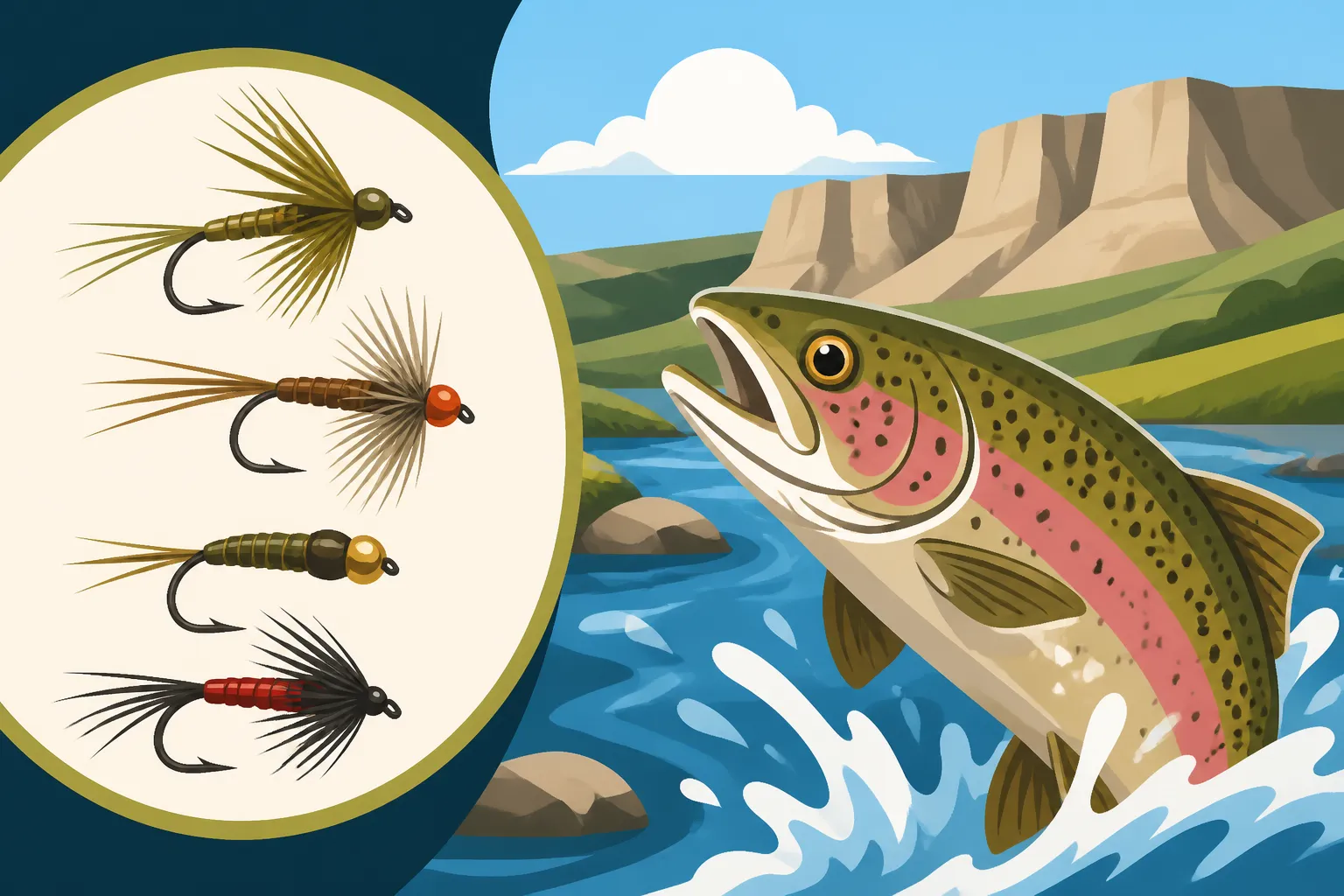
The Hare's Ear Nymph, particularly in a natural or olive color, is another all-star. It's a bit bulkier and spikier than the Pheasant Tail, making it a great imitator of caddis larvae and larger mayfly nymphs. I love fishing these in sizes 12-18, especially when I want a fly with a bit more "buggy" appeal. Both the Pheasant Tail and Hare's Ear are available with tungsten beads, which is a lifesaver for getting them down quickly in deeper runs or faster currents, common in places like the Platte River. You can easily find these classic patterns on Amazon or at local fly shops.
Prince Nymph and Copper John
Sometimes, trout need a little extra flash or a distinct profile to get their attention, especially in slightly off-color water or when they're not keying in on a specific natural insect. That's where attractor nymphs like the Prince Nymph and Copper John really shine. These flies don't necessarily mimic one particular insect perfectly but rather suggest a juicy, irresistible meal.
The Prince Nymph is instantly recognizable by its white biots and peacock herl body. It's a fantastic all-around nymph, effective in a variety of situations. I find it particularly useful in sizes 10-16 when I'm prospecting new water or fishing a system where I'm not sure what insects are present. It's also a great point fly in a two-nymph rig, helping to sink smaller, more subtle patterns. Its contrast and movement are often enough to draw strikes when other flies fail.
The Copper John is another brilliant attractor, known for its rapid sink rate thanks to its copper wire body and often a tungsten bead. This fly is a fantastic option when you need to get down to the fish quickly, especially in deeper pockets or fast riffles. I prefer them in red, black, or copper, in sizes 12-18. They’re excellent for imitating stonefly nymphs or just acting as a general searching pattern. Many anglers find success fishing them in the early spring, when trout are still a bit sluggish and holding deep.
Midge Larva and Pupae
Don't let their tiny size fool you; midges are one of the most consistently abundant food sources for trout, especially in colder months. Trout feed on them year-round, but they become absolutely crucial when larger insects aren't active. If you're struggling to catch fish, especially in clear, slow-moving water, downsizing to a midge pattern is often the answer.
The Zebra Midge is a prime example of a simple, yet incredibly effective midge imitation. Its segmented body and bead head make it look realistic and get it down to the feeding zone. I always carry them in black, red, and olive, in sizes ranging from a tiny 22 up to a more visible 16. These are fished best with a very subtle indicator and light tippet, allowing for a natural drift. Midges are often the primary food source for trout in stillwater environments or slow sections of rivers, like parts of Lake Ogallala during winter. Don't underestimate the power of these little guys, especially if you're hitting the water for some Nebraska Trout Fishing when it's chilly out.
Streamers and Emergers for Aggressive Takes
While dry flies offer the visual thrill and nymphs provide consistent subsurface action, sometimes you need to appeal to a trout's predatory instincts. That’s where streamers and emergers come into play. These flies are designed to imitate larger prey items or insects caught in that critical transition phase, often provoking more aggressive strikes from bigger fish.
Woolly Buggers and Sculpins
If there's one fly pattern that has probably caught more species of fish than any other, it's the Woolly Bugger. This versatile streamer can imitate everything from baitfish and leeches to crayfish and large aquatic insects. Its pulsating marabou tail and hackle body give it an irresistible action in the water, making it a go-to for many Nebraska trout anglers.
I always carry Woolly Buggers in black, olive, and brown, in sizes 4-10. You can fish them in a myriad of ways: stripped aggressively, swung across current, or even dead-drifted like a large nymph. They are particularly effective when targeting larger brown trout that are looking for a substantial meal. In certain areas, like the deeper pockets of Merritt Reservoir, these can be absolute game-changers, especially for a chance at a trophy trout. Similarly, sculpin patterns, which imitate the small bottom-dwelling fish, are excellent for enticing aggressive strikes. These often have a wider, flatter head to mimic the real fish.
Soft Hackles and Emergent Patterns
The "in-between" stage of an insect's life cycle, when it's transitioning from nymph to adult (the emerger stage), is a super vulnerable time for the bug and a prime feeding opportunity for trout. These fish often key in on these struggling, partially emerged insects, making soft hackle and emergent patterns incredibly effective, especially when you see fish rising but they're refusing your dry flies. This is a common frustration, and knowing how to tie on an emerger can be the solution.
Soft hackle flies, like a Partridge and Orange or a simple Starling and Herl, are classic patterns that have been catching trout for centuries. Their sparse, flowing hackle gives them a natural, "breathing" movement in the water, mimicking an insect struggling out of its shuck. I typically fish these on a swing, allowing the current to animate the fly, or even dead-drifted in a soft current. They're often fished just under the surface film and can be especially effective during a subtle hatch where trout are sipping emergers.
Other emergent patterns, like a CDC Comparadun or a Sparkle Dun, represent mayflies with their shuck still attached or struggling to dry their wings on the surface. These flies sit very low in the water and are perfect for selective trout that are only taking emergers. When you're out there and you spot trout rising, but they're ignoring your traditional dry flies, try switching to an emerger – it might just be what they're looking for.
Matching the Hatch and Beyond
The concept of "matching the hatch" is central to fly fishing, and it’s about more than just having the right flies. It’s about observation, understanding, and adaptability. While it might sound intimidating, with a little practice, you'll start to recognize common insect behaviors and adjust your fly choice accordingly.
Observing the Water and Insect Life
Before you even make your first cast, take a few minutes to simply watch the water. Are there insects flying around? Are there shucks (shed exoskeletons) floating in the current? Are fish rising? If so, what do the rises look like? Gentle sips usually indicate small, delicate insects on the surface or just below. More aggressive splashes might mean bigger dries, terrestrials, or even fish chasing emergers.
If you can, try to catch one of the natural insects floating by or flying around. Look at its size, color, and profile. Does it have upright wings (mayfly), tent-shaped wings (caddis), or is it a clumsy land insect (terrestrial)? This direct observation is the fastest way to narrow down your fly choice. Without a specific hatch, revert to generalist patterns or attractor flies, especially if you're fishing areas that might have recently been stocked, like some of our urban fishing program ponds that get regular trout drops.
Adaptability and Experimentation
Even the most seasoned angler won't always "match the hatch" perfectly on the first try. Sometimes, trout are just plain picky, or they're keying in on something you can't readily see. This is where adaptability and a willingness to experiment come in. Don't be afraid to change flies frequently, try different sizes, or adjust your presentation.
If fish are rising but not taking your dry fly, try an emerger or a very shallow nymph. If nothing is happening on the surface, go subsurface with a nymph or a streamer. Vary your retrieve, try different depths, and explore different parts of the water column. The trout will tell you what they want eventually, but only if you're willing to try different options. Remember, fly fishing, especially for trout, is as much about problem-solving as it is about casting. The Nebraska Game and Parks provides excellent resources, and a quick read of the Nebraska Fishing Regulations Explained can offer insights into specific area rules that might influence your approach.
Must-Have Fly Box Essentials
To help you get started or refine your current setup, here's a table of essential fly types for Nebraska trout fishing, broken down by category and ideal conditions. Having these staples, available from your local fly shop or a large retailer like Amazon, will prepare you for most situations you'll encounter in our diverse trout waters.
| Fly Category | Specific Patterns | Best Conditions/Target | Typical Sizes |
|---|---|---|---|
| Dry Flies | Elk Hair Caddis, X-Caddis | Caddis hatches, general surface feeding | #12-18 |
| Parachute Adams, Blue-Winged Olive (BWO) | Mayfly hatches, subtle rises, overcast days | #14-22 | |
| Dave's Hopper, Foam Hopper, Ant, Beetle | Late summer, fall, grassy banks, terrestrials | #8-16 | |
| Nymphs | Pheasant Tail Nymph, Hare's Ear Nymph | All-around subsurface, general insect imitation | #12-20 |
| Prince Nymph, Copper John | Attractor, prospecting, faster/deeper water | #10-18 | |
| Zebra Midge (black, red, olive) | Cold weather, clear water, picky trout | #16-24 | |
| Emergers | CDC Comparadun, Sparkle Dun, Soft Hackle | Fish rising but refusing dry flies, subtle hatches | #14-20 |
| Streamers | Woolly Bugger (black, olive, brown), Sculpin | Aggressive trout, larger fish, searching patterns | #4-10 |
Equipping yourself with a good selection of these patterns will give you a solid foundation for tackling trout across Nebraska. Whether you're targeting wild trout in the Niobrara or recently stocked rainbows in a city park, having these versatile options means you're almost always prepared. Just remember to check the Nebraska Fishing Season Dates and Limits before you head out, to ensure you're fishing legally and responsibly.
Disclaimer
Please be aware that fishing regulations, including licensing requirements, bag limits, and specific area rules, can change. Always consult the latest Nebraska Game and Parks Commission regulations before heading out to fish. This guide is for informational purposes only and does not supersede official regulations.