Best Line Weight for Nebraska Walleye
One of the most common dilemmas I hear from fellow anglers, especially when chasing those elusive Nebraska walleye, is figuring out the perfect fishing line. It can feel overwhelming with all the choices out there – monofilament, fluorocarbon, braid, and then all those different strengths! Picking the wrong line weight can mean lost fish, missed bites, or just a generally frustrating day on the water. This guide is here to break down everything you need to know about selecting the best line weight for your walleye fishing adventures across the Cornhusker State.
Understanding the Importance of Line Weight for Walleye
When you're out there, whether it's jigging a deep break on Lake McConaughy or pulling crankbaits across Sherman Reservoir, your fishing line is your most direct connection to the fish. It's not just a string; it's a critical piece of equipment that impacts everything from how well your lure performs to whether you successfully land that trophy walleye. Choosing the right line weight isn't about arbitrary numbers; it's about matching your gear and technique to the specific conditions you're facing.
The Delicate Balance: Sensitivity vs. Strength
Imagine you're fishing for walleye, known for their light, subtle bites. A heavy, thick line might give you confidence in its strength, but it could also dampen the feel of those faint "ticks" or "thumps" that signal a walleye has picked up your bait. Lighter line, on the other hand, often translates to increased sensitivity. You feel more, which means you react faster and set the hook more effectively. However, this comes with a trade-off: reduced breaking strength. A lighter line is more prone to breaking if you hook into a really big walleye, especially around snags or when a fish makes a powerful run.
The key is finding that sweet spot. You want enough strength to handle the fish you expect to catch and the environment you're fishing in, but not so much that it sacrifices the sensitivity needed to detect those characteristic walleye bites. It's a constant negotiation, and what works perfectly for one situation might be a total bust in another. This balance is especially crucial when fishing clear Nebraska waters, where a fine line can make all the difference in getting a bite.
Water Clarity and Presentation
Nebraska's diverse waters range from the gin-clear depths of Lake McConaughy to the often-stained flows of the Platte River. Water clarity plays a huge role in how visible your line is to fish, and consequently, how willing they are to bite. Walleye are known for their keen eyesight, especially in clear water. If your line is thick and highly visible, it can spook wary walleye, making your presentation seem unnatural.
Lighter line generally has a smaller diameter, making it less conspicuous in the water. This can be a significant advantage when targeting pressured fish or in situations where stealth is paramount. A more subtle presentation, achieved with lighter line, allows your lure to move more naturally, mimicking real forage. On the flip side, in stained or murky water, line visibility becomes less of a concern, and you might opt for a slightly heavier line without much consequence to your bite ratio, gaining the benefit of added strength. This consideration directly ties into the choice of line material too, which we'll delve into later. For specific tactics, you might want to explore guides like How to Fish for Walleye in Nebraska.
Factors Influencing Your Walleye Line Choice in Nebraska
Choosing the best line weight isn't a one-size-fits-all deal. A variety of factors come into play, from the size of the fish you're targeting to the type of water and the lures you're presenting. Thinking through these elements before you even hit the water will drastically improve your success.
Target Walleye Size and Habitat
Let's be real, a 15-inch eater walleye is a different fight than a 30-inch behemoth from Lake McConaughy. The average size of walleye in the waters you're fishing should heavily influence your line weight. If you're consistently catching walleye in the 1-3 pound range, a lighter line (like 6-8 pound test) might be perfectly adequate. This lighter line offers better sensitivity and a more natural lure presentation, which can be key in getting those finicky bites.
However, if you're chasing those Nebraska giants, especially in lakes known for trophy walleye, stepping up your line strength is a smart move. When you're fishing waters like Lake McConaughy or Merritt Reservoir where state record-contending walleye swim, you'll want line that can withstand powerful runs and head shakes. Furthermore, consider the habitat. Are you fishing open water, or are there submerged trees, rocks, or heavy weed beds? Fishing around cover demands stronger, more abrasion-resistant line to prevent break-offs when a big fish tries to bury itself in structure.
Fishing Environment: Lakes, Rivers, Ice
Nebraska offers a diverse range of walleye habitats, each presenting unique challenges and requiring different approaches to line weight.
- Large Reservoirs and Lakes: On expansive waters like Lake McConaughy, Harlan County Reservoir, or Branched Oak Lake, you might encounter deeper water, wind, and varied structure. Trolling crankbaits in open water often allows for slightly lighter line, as you're not typically dealing with heavy snags. However, if you're jigging deep rock piles or fishing around flooded timber, increasing your line strength and abrasion resistance is wise. Wind can also make lighter line harder to manage, causing more bow in the line and reducing sensitivity.
- Rivers: The Missouri River or the Loup River, for example, present unique challenges like strong currents and potential snags from fallen trees or riprap. River walleye often fight harder in current, and the constant friction against structure can quickly fray lighter line. For river fishing, a more robust line choice is often preferred to contend with the environment and the fish.
- Ice Fishing: When ice fishing for walleye, especially through smaller holes, you're dealing with a vertical presentation and often lighter jigs. Here, sensitivity is king. You're trying to detect subtle bites in cold water. Lighter line, often 4-6 pound test fluorocarbon or monofilament, is frequently favored because it's less visible and offers superior feel. However, if you're specifically targeting larger walleye or fishing in areas with known underwater snags, you might bump up to 8-10 pound test. Check out resources on How to Ice Fish in Nebraska for more detailed tips.
Lure Type and Presentation
The specific lure and presentation you're using are paramount in dictating optimal line weight.
- Jigging: Whether you're vertical jigging with a lead-head and minnow or snap jigging soft plastics, sensitivity is key. Lighter lines (6-10 lb test) excel here, allowing you to feel every bump, tic, and subtle take. Fluorocarbon is a popular choice for its low stretch and invisibility. The better you feel your jig, the more effectively you can work it and detect bites.
- Trolling: For trolling crankbaits or spinner rigs, line diameter affects dive depth. Lighter, thinner lines will allow your lures to run deeper than heavier lines at the same speed. So, if depth is critical, a slightly lighter line (8-12 lb test) might be preferred. However, if you're trolling through weeds or over rocky bottoms, stepping up to a 12-15 lb test might prevent costly break-offs. Many anglers also use braided mainline with a fluorocarbon leader for trolling to get the best of both worlds – depth and invisibility. Guides like How to Troll for Walleye in Nebraska can offer more insights.
- Slip Bobber Fishing: When using slip bobbers with live bait, a slightly heavier monofilament (8-10 lb test) is often a good choice. Mono floats, which helps keep slack off the surface, and its stretch can be forgiving when a walleye makes a sudden move. The primary goal here is to present live bait naturally, and the line weight doesn't directly impact the lure's action as much as with jigs or crankbaits.
Finding the right gear means checking what's available. You can browse a wide array of options, from specialized walleye lines to general-purpose fishing lines, at trusted retailers like Bass Pro Shops or online through Amazon.
Recommended Line Weights for Different Walleye Techniques
Let's get down to the nitty-gritty and talk about specific line weights for the most common walleye fishing techniques you'll use here in Nebraska. Remember, these are general guidelines, and personal preference, along with the factors we just discussed, should always play a role in your final decision.
Light Tackle for Finesse Presentations
When walleye are finicky, the water is crystal clear, or you're fishing with light jigs or small live baits, finesse is the name of the game. This is where lighter line weights truly shine.
- Line Weight Range: 4-8 pound test
- Ideal Conditions: Clear water, light wind, highly pressured fish, small lures, delicate bites. Think early spring walleye in shallower areas or winter ice fishing.
- Techniques:
- Light Jigging: For small jig heads (1/8 oz to 1/4 oz) tipped with a minnow, plastic, or worm, 4-6 pound fluorocarbon or monofilament offers superior sensitivity. You'll feel those almost imperceptible bites that heavier line would mask. This setup is fantastic for vertical jigging structure or pitching shallow breaks.
- Live Bait Rigs: When using a Lindy Rig or similar snell rig with a plain hook and a lively minnow or crawler, a 6-8 pound fluorocarbon main line or leader can make your bait appear completely natural. The low visibility is paramount here.
- Ice Fishing: For ice fishing, many anglers drop down to 4-6 pound test fluorocarbon specifically. The minimal line visibility through the ice, combined with superior sensitivity, means you'll detect even the faintest inhale of your jig or spoon. The low stretch of fluorocarbon here is an absolute game-changer.
- Pros: Maximum sensitivity, very low visibility (especially fluorocarbon), allows lures to run deeper, promotes natural lure action.
- Cons: Less abrasion resistant, higher chance of break-offs with larger fish or snags, harder to manage in strong winds or current. This is not the line you want to use if you're trying to rip lures out of heavy weeds.
Medium Tackle for All-Around Walleye
This is the workhorse category for most walleye anglers in Nebraska. If you're looking for a versatile setup that can handle a variety of situations, this is likely where you'll spend most of your time.
- Line Weight Range: 8-12 pound test
- Ideal Conditions: Moderate water clarity, general purpose fishing, varied depths, targeting average to above-average size walleye, light to moderate cover.
- Techniques:
- Standard Jigging: For 1/4 oz to 1/2 oz jigs, whether casting or vertical jigging, 8-10 pound braided line with a fluorocarbon leader is an incredibly popular choice. The braid offers excellent sensitivity and hook-setting power, while the leader provides the invisibility you need. You can find robust options at Bass Pro Shops or various brands on Amazon.
- Crankbait Trolling/Casting: When pulling or throwing medium-sized crankbaits, 10-12 pound monofilament or fluorocarbon main line works well. Monofilament's stretch can be beneficial for treble hook baits, absorbing some of the shock of a strike. If you want more feel and less stretch, fluorocarbon is excellent, but remember it sinks, affecting dive curves.
- Bottom Bouncing: If you're pulling spinner rigs or walking weights with live bait, 10-12 pound monofilament or fluorocarbon is a solid choice. It's strong enough to handle light snags and the weight of the rig, while still offering decent feel.
- Pros: Excellent balance of sensitivity and strength, good abrasion resistance, suitable for most common walleye techniques, manageable in most weather conditions.
- Cons: Can still be visible in extremely clear water, might struggle with truly heavy cover or very large fish.
Heavy Tackle for Big Fish and Tough Cover
Sometimes, you just need to muscle 'em out. When you're deliberately targeting big walleye, fishing in notoriously snaggy areas, or trying to horse fish out of heavy cover, stepping up to heavier line is essential.
- Line Weight Range: 15-30 pound test (often braid, with a leader)
- Ideal Conditions: Stained or murky water, heavy current, thick vegetation, rock piles, submerged timber, targeting trophy walleye.
- Techniques:
- Heavy Jigging/Pitching: If you're pitching heavy jigs (3/4 oz to 1 oz+) into dense weed beds or around woody cover, 15-20 pound braided line is your friend. The braid cuts through weeds, and the strength allows you to break free from snags (or straighten hooks if needed). A short (1-3 foot) leader of 12-17 pound fluorocarbon is often tied on for invisibility, especially helpful when How to Rig a Jig for Nebraska Walleye.
- Trolling Large Crankbaits/Planer Boards: When pulling large deep-diving crankbaits, especially with planer boards, 15-20 pound braided line is preferred. It's strong, allows for better control of boards, and its thin diameter helps lures get deeper. The braid also handles the stress of fighting a big fish from a distance.
- Rip-Jigging: This aggressive technique, often used for active walleye, benefits from 15-20 pound braid. The instantaneous power transfer ensures solid hook sets and helps rip lures through weeds effectively.
- Missouri River Fishing: When tackling the strong currents and often snag-ridden bottoms of the Missouri River for walleye, many anglers opt for 20-30 pound braided main line, sometimes even heavier, particularly if using bottom rigs that get hung up. A heavy fluorocarbon leader (15-20 lb) ensures some stealth without sacrificing too much strength.
- Pros: Maximum strength and abrasion resistance, excellent for fighting big fish, can pull lures free from many snags, ideal for heavy cover.
- Cons: Reduced sensitivity, highly visible (especially braid without a leader), can negatively affect lure action (especially smaller lures), often more expensive.
Here's a quick overview of recommended line weights for various Nebraska walleye fishing scenarios:
| Scenario | Recommended Line Weight | Line Type Preference | Notes |
|---|---|---|---|
| Clear Water Finesse Jigging | 4-6 lb | Fluorocarbon, Mono | Max sensitivity, minimal visibility. For light jigs, delicate bites. |
| General Lake Jigging/Casting | 8-10 lb (Braid w/ Leader) | Braid main, Fluoro leader | Versatile, good sensitivity & strength. Handles varied conditions. |
| Deep Trolling (Crankbaits) | 10-12 lb (Mono/Fluoro) | Monofilament, Fluoro | Mono for shock absorption, Fluoro for deeper dives and less stretch. |
| Heavy Cover/Trophy Walleye | 15-20 lb (Braid w/ Leader) | Braid main, Fluoro leader | Power through weeds & snags, strong hooksets for big fish. |
| River Current/Bottom Bouncing | 12-15 lb (Mono/Fluoro) | Monofilament, Fluoro | Good abrasion resistance for current/structure, manage weight of rigs. |
| Ice Fishing (General) | 6-8 lb | Fluorocarbon, Mono | Excellent sensitivity in cold water. Use lighter for ultimate finesse. |
| Ice Fishing (Larger Walleye) | 8-10 lb | Fluorocarbon | Added strength for bigger fish or when fishing near submerged structure. |
Line Types: Monofilament, Fluorocarbon, and Braided for Walleye
Beyond just the breaking strength, the material your line is made of significantly impacts its performance. Each type has its own set of advantages and disadvantages that make it better suited for certain walleye fishing situations. Understanding these differences is crucial for making an informed choice.
Monofilament: The Classic Choice
Monofilament, or "mono," has been a staple for anglers for decades, and for good reason. It's affordable, easy to tie, and offers some unique properties that still make it a great choice for walleye in certain scenarios.
- Characteristics: Monofilament is made from a single strand of nylon. It's known for its stretch, which can be a double-edged sword, and its buoyancy, meaning it floats. It's generally transparent or comes in various colors, but even the clear versions are more visible than fluorocarbon.
- Pros for Walleye:
- Stretch: The inherent stretch in monofilament acts as a shock absorber. This can be beneficial when a walleye makes a sudden, powerful lunge, helping to prevent the hook from tearing out of its mouth, especially with treble-hooked baits like crankbaits. It's also forgiving if your drag isn't perfectly set.
- Buoyancy: Since mono floats, it's excellent for topwater presentations (though not common for walleye) or when you want your line to stay above weeds or debris. It's also great for slip bobber fishing, as it keeps your line off the water, reducing drag from wind and current on your bobber.
- Ease of Use: Mono is very easy to tie knots with and is generally more forgiving than other line types when it comes to knot strength.
- Cost-Effective: It's typically the most affordable line choice, making it a good option for anglers on a budget or for spooling up multiple reels.
- Cons for Walleye:
- Visibility: Monofilament is more visible underwater than fluorocarbon, which can be a disadvantage in clear Nebraska lakes where walleye are sight feeders.
- Sensitivity: Its stretch reduces sensitivity, making it harder to feel light bites or subtle changes in bottom composition, especially in deep water or with long casts. This is a major drawback for jigging.
- Abrasion Resistance: While decent, it's not as abrasion-resistant as fluorocarbon or braid, and can nick or fray when dragged over rocks or wood.
- Memory: Mono can develop "line memory" over time, especially on spinning reels, leading to coils and tangles.
- Best Application: Ideal for trolling crankbaits (especially with treble hooks where the stretch is a benefit), slip bobber fishing, and general casting in stained water where line visibility isn't a critical factor. Best Rods and Reels for Nebraska Fishing might pair well with mono lines.
Fluorocarbon: The Invisible Advantage
Fluorocarbon line has gained immense popularity among walleye anglers, and for good reason. It offers a unique blend of properties that make it highly effective, especially for wary fish in clear water.
- Characteristics: Fluorocarbon is made from polyvinylidene fluoride (PVDF), a dense material that makes it sink. Its refractive index is very close to that of water, making it nearly invisible underwater. It has very low stretch compared to monofilament, but more than braid.
- Pros for Walleye:
- Invisibility: This is its biggest selling point. Its near-invisibility underwater is a massive advantage when fishing clear lakes and reservoirs like Lake McConaughy, especially for targeting pressured or light-biting walleye.
- Sensitivity: With minimal stretch, fluorocarbon transmits vibrations much better than monofilament, allowing you to feel those subtle walleye bites and know exactly what your lure is doing.
- Abrasion Resistance: It's highly resistant to abrasion, making it a great choice for fishing around rocks, timber, and other structure that can fray other lines.
- Sinking Properties: Because it sinks, fluorocarbon helps your lures get to depth faster and stay there, which can be crucial when jigging deep breaks or trolling without weight.
- Cons for Walleye:
- Stiffness/Memory: Fluorocarbon can be stiffer than mono, especially in heavier weights, leading to more line memory and potential tangles on spinning reels if not spooled correctly.
- Knot Tying: It requires careful knot tying. Its slick surface and stiffness mean knots need to be cinched down slowly and wet thoroughly to prevent slippage or breakage.
- Cost: Generally more expensive than monofilament.
- Best Application: Excellent as a main line for finesse jigging (4-8 lb test) in clear water, and an outstanding leader material (8-17 lb test) for nearly all walleye techniques when paired with braided main line. It's a top choice for ice fishing too, given the vertical presentation and need for invisibility. Many anglers stock up on various fluorocarbon leaders from reputable brands like those found on Amazon.
Braided Line: Strength and Sensitivity
Braided line, often simply called "braid," is made by weaving together multiple strands of synthetic fibers. It's an incredibly strong and sensitive line that has revolutionized many fishing techniques, including walleye fishing.
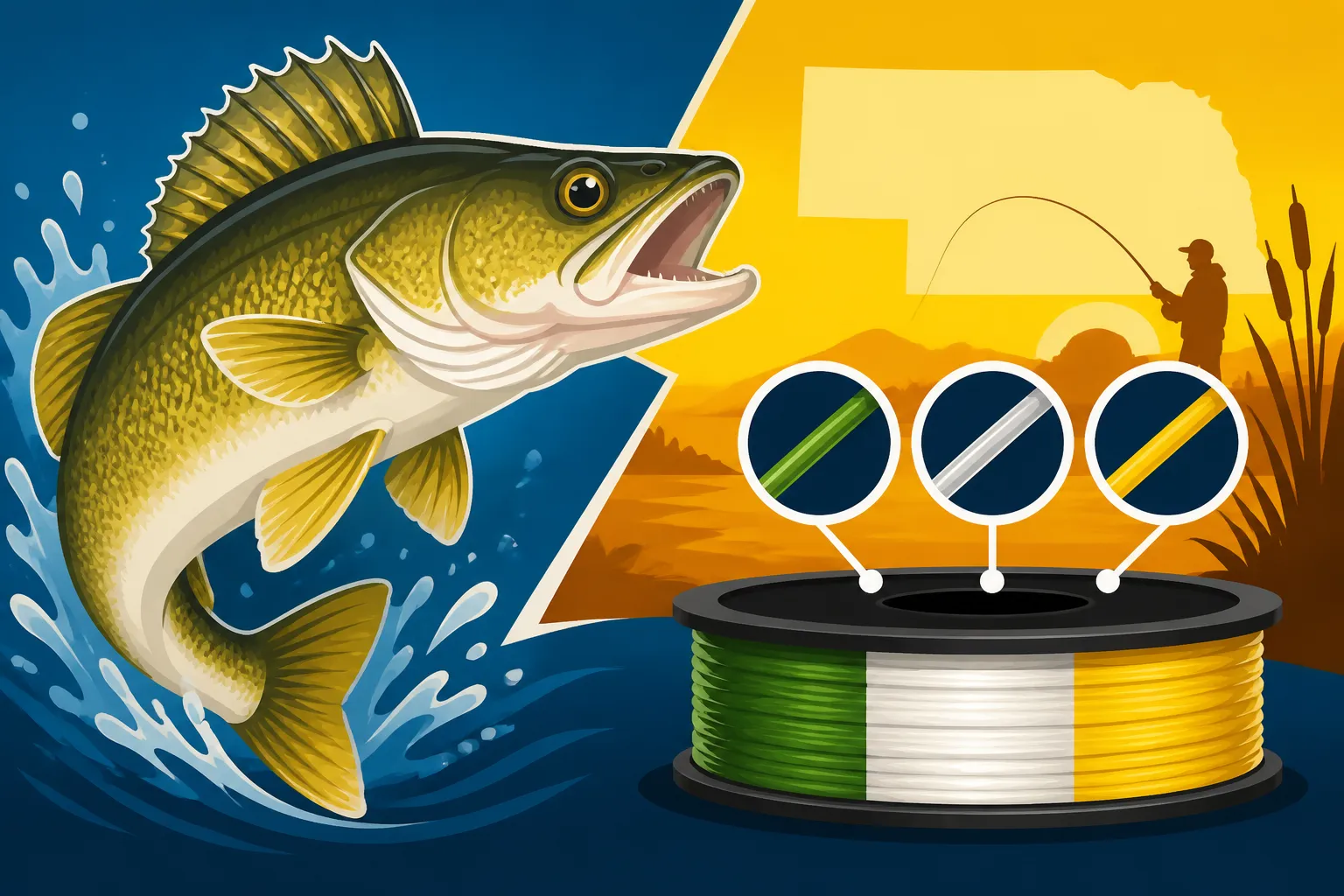
- Characteristics: Braided line has virtually no stretch, is incredibly strong for its diameter, and floats. It's opaque and comes in various colors (green, yellow, high-vis orange, etc.).
- Pros for Walleye:
- Zero Stretch/Max Sensitivity: This is braid's superpower. The lack of stretch provides unparalleled sensitivity, allowing you to feel the faintest bite, the lightest tap on your lure, and even the texture of the bottom. This also translates to incredibly powerful and efficient hook sets, even at long distances or in deep water.
- Exceptional Strength to Diameter Ratio: A 10-pound braided line has the diameter of about a 4-pound monofilament. This thin diameter cuts through water better, aids in deeper diving lures, and allows for more line on your spool.
- Durability and Longevity: Braid is incredibly durable and has a long lifespan. It doesn't degrade from UV light like mono and fluorocarbon, and it resists nicks and cuts very well.
- Casting Distance: Its slick, thin nature allows for longer casting distances, which can be crucial for covering water.
- Cons for Walleye:
- Visibility: Braid is highly visible underwater. This is its biggest drawback for wary walleye, especially in clear water.
- Abrasion Resistance: While strong, the individual fibers can sometimes fray against sharp rocks or zebra mussels, and it can "dig in" on itself on the spool if not spooled tightly.
- Knot Tying: Requires specific knots (like the Palomar or Uni knot) to ensure good strength, and often needs to be cinched down slowly and carefully.
- Cost: Generally the most expensive per spool, but its longevity often offsets this.
- Lack of Stretch: While a pro for sensitivity, the zero stretch means there's no shock absorption, putting more pressure on your rod, reel drag, and the hook-hold in the fish's mouth.
- Best Application: Ideal as a main line for nearly all walleye techniques where sensitivity and strength are paramount, provided it's paired with a fluorocarbon leader. It's excellent for jigging, trolling, bottom bouncing, and any situation where you need maximum feel and hook-setting power. For specific line types, you may want to investigate Best Fishing Line for Nebraska Walleye.
Ultimately, many seasoned Nebraska walleye anglers utilize a combination of lines: braided main line for sensitivity and strength, connected to a fluorocarbon leader for invisibility and some abrasion resistance. This "best of both worlds" approach often provides the optimal setup for tackling the varied conditions found across Nebraska's rich walleye fisheries. Don't be afraid to experiment to find what feels right for you and your preferred style of fishing!
Disclaimer
This article is for general informational purposes only and does not constitute professional advice. Laws, prices and regulations vary by location and change over time. Consult a qualified professional for guidance on your specific situation.