Nebraska Channel Catfish Size and Weight Records
One of the most thrilling experiences for any angler in Nebraska is feeling that unmistakable tug on the line and realizing you've hooked into a truly massive channel catfish. Many of us dream of landing a lunker, a fish so substantial it makes your arms ache and your heart pound, but understanding what truly constitutes a "trophy" — and even state record potential — can sometimes feel like a mystery. This guide aims to pull back the curtain on Nebraska's impressive channel catfish, exploring the state's official records, the factors that create these giants, and how you might just catch one yourself.
The Allure of Nebraska Channel Catfish
There’s just something about channel catfish that speaks to the soul of a Nebraska angler. Maybe it’s their widespread availability, the sheer fight they put up, or perhaps the promise of a delicious fish fry after a successful outing. Whatever the reason, these whiskered wonders are a cornerstone of our state’s fishing culture, drawing in beginners and seasoned veterans alike.
Why Channel Cats Capture Our Hearts (and Lines!)
Channel catfish are incredibly abundant across Nebraska, thriving in everything from our vast reservoirs and sprawling rivers to smaller ponds and quiet lakes. They’re adaptable, hardy, and, let’s be honest, often quite cooperative when it comes to taking a well-presented bait. This accessibility makes them a fantastic target for family fishing trips, but don't let their common nature fool you – they can grow to truly impressive sizes, offering a challenge that will test even the most experienced angler. The thrill of a big channel cat peeling line off your reel is an addiction many of us are happy to have.
They’re also incredibly democratic fish. You don't always need expensive gear or a fancy boat to catch them. A simple rod, some sturdy line, and a pungent bait can often be enough to tempt a respectable cat right from the bank. This makes Channel Catfish Fishing in Nebraska an inclusive pursuit, welcoming everyone who wants to experience the joy of fishing.
The Importance of Records and Recognition
For many anglers, it’s not just about catching fish; it’s about the pursuit of excellence, the challenge of besting a previous personal best, or even dreaming of a state record. State records provide a benchmark, a testament to the incredible potential of Nebraska's fisheries and the skill (or sometimes sheer luck!) of its anglers. These records inspire us, giving us something tangible to strive for and highlighting the amazing natural resources we have here. They also serve as a valuable indicator of fish health and habitat quality within our waters. Every time a new record is set, it reaffirms the incredible potential that lies beneath the surface of our lakes and rivers.
Nebraska's State Record Channel Catfish: A Deep Dive
When we talk about true giants, we’re often talking about fish that push the boundaries of what most people imagine for a channel catfish. Nebraska has a proud history of producing some truly monumental cats, and the state record stands as a testament to that.
Unveiling the Current Champion
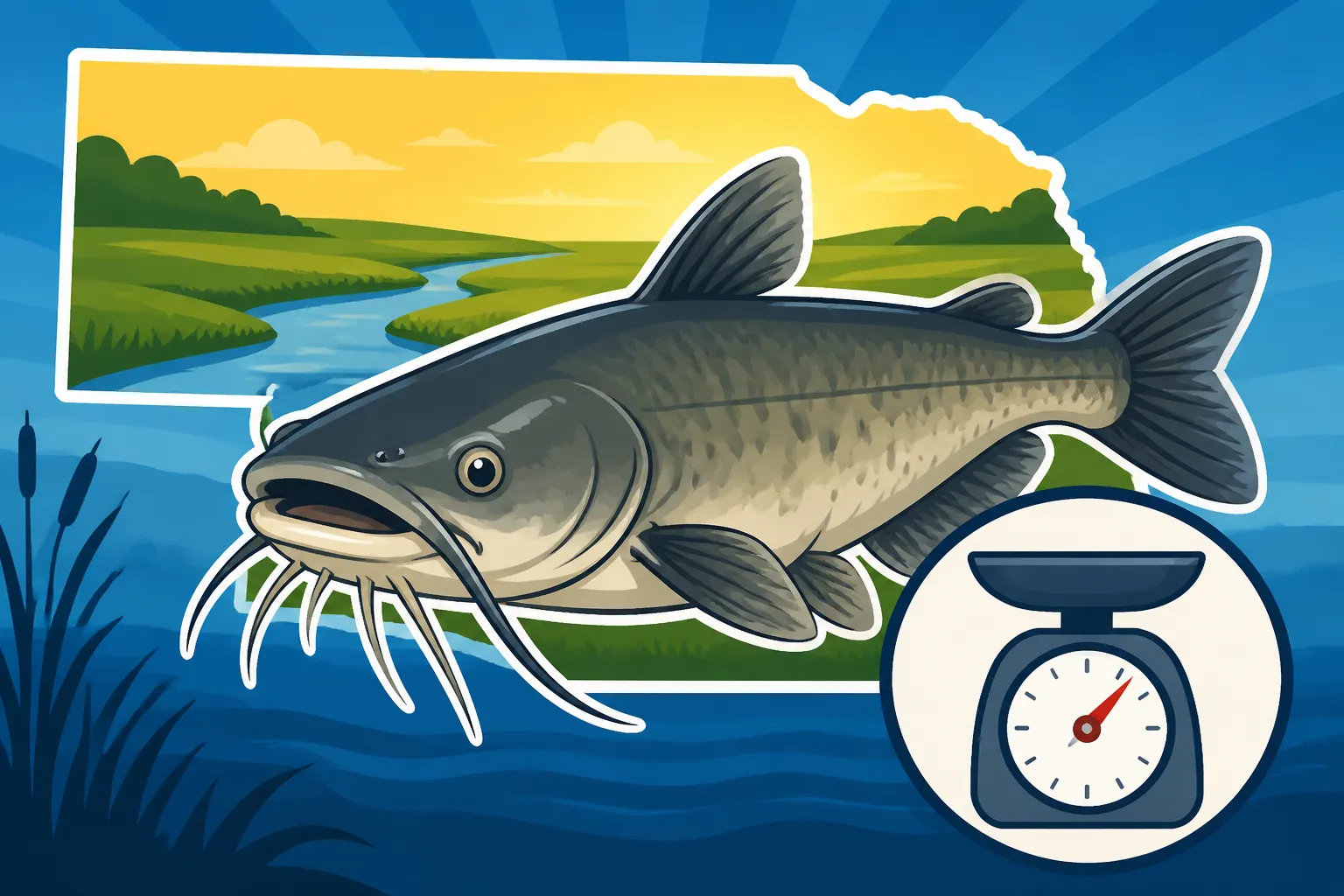
The official Nebraska state record for a channel catfish is a truly staggering fish. It weighs an incredible 41 pounds, 8 ounces! This magnificent specimen was caught by William R. McDaniels way back in 1980, pulled from the depths of a sandpit in Platte County. Imagine the fight that fish must have put up, the sheer excitement of bringing something that massive to the boat or shore! It's a weight that many anglers spend their entire lives chasing, and it speaks volumes about the quality of some of our overlooked waters.
This record has held strong for decades, a testament to the fish itself and the circumstances of its capture. It's truly a legendary catch in Nebraska angling history. If you're curious about more records, the Nebraska Game and Parks Commission website is always the definitive source for up-to-date information on all state records. For more details, you can always look up Nebraska State Record Channel Catfish Weight.
The Story Behind the Catch
While the official record book gives us the numbers, it's the stories behind these catches that truly captivate us. William R. McDaniels’ 41-pound, 8-ounce channel catfish from that Platte County sandpit wasn't just a number; it was an experience. Though the details have become part of local fishing lore over the years, you can imagine the quiet, unassuming day that suddenly turned into a battle of wills between angler and beast. Sandpits, often overlooked for bigger, more famous reservoirs, can be hidden gems for trophy fish because they often provide stable, rich environments with plenty of forage and structure for large, mature fish to thrive.
Many record fish are caught not necessarily by those specifically targeting a record, but by anglers simply enjoying their time on the water, who happen to stumble upon a once-in-a-lifetime opportunity. It's a reminder that every cast holds the potential for something truly special, which is part of what makes fishing so endlessly appealing.
Understanding Channel Catfish Growth and Factors Affecting Size
Ever wonder what makes one channel cat grow into a monster while another stays relatively modest? It's a complex interplay of several crucial factors, from their inherent biology to the environment they call home.
Genetics and Environmental Influence
Just like people, fish have genetic predispositions that can influence their potential size. Some strains of channel catfish simply have the genes to grow bigger and faster than others. However, genetics alone aren't enough. The environment plays a colossal role. Water temperature, oxygen levels, and available cover all contribute to whether a fish can reach its maximum potential. A stable environment with minimal stress allows fish to dedicate more energy to growth rather than survival. This is why certain waters consistently produce larger fish – they offer the perfect combination of genetic potential and ideal living conditions.
Consider a deep, cool sandpit versus a shallow, stagnant farm pond. The sandpit often has more stable temperatures, better oxygenation, and ample deep-water refuge, creating an ideal nursery for a channel catfish to really pack on the pounds over many years.
Food Availability and Water Quality
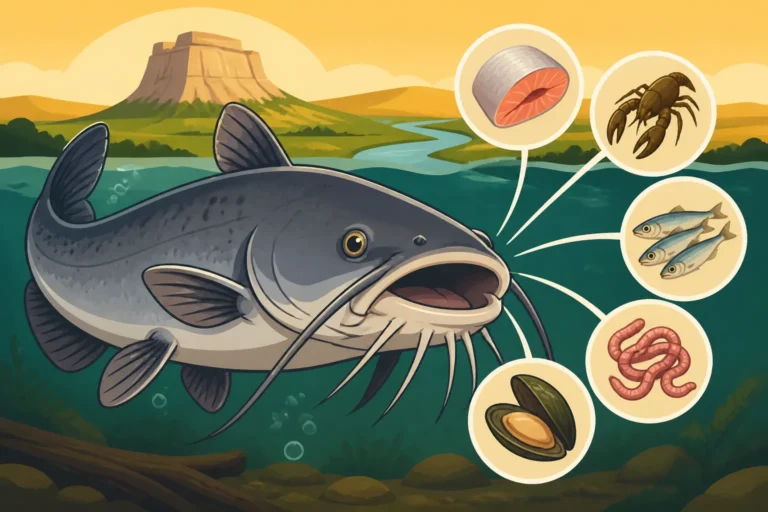
Perhaps the most critical factors for growing truly huge channel catfish are abundant food and excellent water quality. Channel cats are opportunistic feeders, eating almost anything they can get their mouths around, from insects and crustaceans to smaller fish and even vegetation. Waters with a rich food chain – plenty of baitfish, aquatic invertebrates, and other forage – mean the catfish don't have to expend excessive energy searching for food. They can simply eat, grow, and get fat.
Coupled with food, good water quality is non-negotiable. Clean, well-oxygenated water free from pollutants is essential for fish health. Poor water quality stresses fish, making them more susceptible to disease and inhibiting their growth. A channel cat living in pristine conditions with an endless buffet will simply grow bigger, faster, and healthier. This is a key reason why How Big Channel Catfish Get in Nebraska varies so much from one body of water to another. Some of our lakes and rivers are simply better at supporting large, healthy fish populations due to these factors.
Habitat and Age
Channel catfish are relatively long-lived fish, and age is obviously a huge factor in size. A fish needs time to grow! In good conditions, channel catfish can live for 15-20 years or even longer. The longer they live, the more opportunities they have to feed and grow. Prime habitats offer them not just food, but also safety from predators and environmental extremes. Deep holes, submerged timber, rock piles, and undercut banks provide shelter and ambush points, allowing older, larger fish to survive and thrive.
A channel catfish that can successfully navigate years of angling pressure and natural challenges in a rich environment is the one that eventually reaches record-breaking proportions. Their slow, steady growth over many seasons, fueled by a steady diet and protected by good cover, is what ultimately leads to those truly impressive weights.
Where to Find Trophy Channel Catfish in Nebraska
So, if you’re dreaming of a trophy channel cat, where should you cast your line? Nebraska offers a fantastic variety of waters that consistently produce big fish, each with its own unique characteristics.
Top Nebraska Waters Known for Giants
While Platte County holds the state record, several other bodies of water across Nebraska are renowned for producing colossal channel catfish.
Missouri River: This mighty river is a perennial favorite for big cats. Its vastness, deep channels, snags, and abundant forage create an ideal environment for channel catfish to grow to incredible sizes. Anglers often target its turbulent waters below dams or its slower oxbows and backwaters. The current carries plenty of food, and the varied structure provides endless hiding spots.
Platte River: Another major river system, the Platte, particularly its deeper sections and slower moving bends, can yield impressive channel cats. While often shallower than the Missouri, its rich ecosystem supports a strong population. Platte River Catfish Fishing is a popular pursuit, and for good reason—it consistently turns out big fish.
Lake McConaughy: While famous for walleye, Lake McConaughy also boasts a healthy population of large channel catfish, particularly in its deeper basin areas and around creek channels. The sheer size of this reservoir means there’s ample room and food for them to grow.
Harlan County Reservoir: Located in south-central Nebraska, Harlan County is another fantastic spot for big channel cats. Its expansive waters and diverse structure, including submerged timber and old creek beds, offer perfect habitat.
Branched Oak Lake: Near Lincoln, Branched Oak is a popular spot that consistently produces good numbers of channel catfish, including some real bruisers. Its fertile waters and varied shoreline make it accessible for many anglers.
For a more comprehensive list and deeper insights, make sure to check out Best Lakes in Nebraska for Trophy Channel Catfish.
River vs. Reservoir: Prime Habitats
When it comes to targeting large channel catfish, both rivers and reservoirs have their distinct advantages, and understanding these differences can significantly boost your success.
Rivers: Rivers like the Missouri and Platte offer a constant flow of nutrients and food, which means active, healthy fish. The current forces fish to be stronger, often making for a more spirited fight. Look for deep holes, log jams, rock piles, and outside bends where the current carves out deeper pockets. Below dams is often a hotspot as well, where disoriented baitfish and other food sources are concentrated. The challenge in rivers is often dealing with current and finding structure, but the rewards can be enormous. Using heavy enough gear to hold bottom in current is key.
Reservoirs: Large reservoirs provide vast expanses of water, often with more stable conditions than rivers. They offer a diverse range of habitats, from open water to submerged timber, old roadbeds, and creek channels. In reservoirs, channel cats will often relate to structure and depth changes. Points, humps, and the edges of old river channels can be particularly productive. Night fishing in reservoirs, especially during warmer months, can be incredibly effective as large cats move into shallower areas to feed under the cover of darkness. The sheer volume of water in reservoirs also means less fishing pressure on individual fish, allowing them to grow undisturbed for longer periods.
Here's a quick comparison of some prime habitat types:
| Habitat Feature | River Advantages | Reservoir Advantages |
|---|---|---|
| Food Source | Constant flow of natural forage and current-borne food | Abundant baitfish, diverse invertebrate life |
| Structure | Log jams, rock piles, deep scour holes, undercut banks | Submerged timber, old creek channels, humps, points, roadbeds |
| Current | Strong current provides fight, concentrates food | More stable water, less current to contend with |
| Depth | Deep scour holes, navigation channels | Variable depths, often deep basin areas |
| Accessibility | Can be challenging to access due to current/terrain | Many boat ramps, diverse shoreline access |
| Trophy Potential | Excellent, especially for strong, robust fish | Excellent, especially for older, long-lived fish |
Understanding Nebraska Fishing Daily Bag and Possession Limits is also crucial, no matter where you fish, to ensure you're fishing responsibly and legally.
How to Target Record-Breaking Channel Catfish
Catching a truly massive channel catfish isn't always about luck. While some luck is certainly involved, a thoughtful approach to gear and technique will put you in the best position to land that fish of a lifetime.
Essential Gear for Monster Cats
When you're after a potential state record, you can't skimp on your gear. These are powerful fish, and a weak link in your setup will likely result in a lost trophy and a broken heart.
First, your rod needs to be stout. A heavy-action casting rod, typically 7 to 9 feet long, is ideal. This length provides leverage for long casts and the backbone needed to turn a big fish in current or pull it out of heavy cover. Look for brands known for durability on Amazon, as a reliable rod is paramount. Pair that with a robust baitcasting reel capable of holding a substantial amount of heavy line. Look for models with a smooth, powerful drag system, which is crucial for fighting a big fish without breaking your line.
Speaking of line, forget the light stuff. You'll want a strong monofilament, fluorocarbon, or braided line, typically in the 20-50 pound test range, depending on the cover and current you’re fishing. Many trophy hunters prefer braided line for its incredible strength, small diameter, and lack of stretch, which provides excellent sensitivity. You can often find great deals on bulk spools of line on Amazon. Don't forget heavy-duty swivels, strong hooks (circle hooks are highly recommended for responsible catch-and-release and excellent hook-ups), and sinkers heavy enough to hold your bait in place, especially in river current. For a deep dive into specific setups, check out Best Catfish Gear for Nebraska Rivers.
Proven Techniques for Lunker Channel Cats
Targeting trophy channel cats requires patience and often specific strategies. These aren't always the same fish you'll catch on a bobber with a worm.
One of the most effective techniques is still fishing with natural, smelly baits. Large channel cats are primarily scavengers and are drawn to strong odors. Best Bait for Nebraska Catfish often includes options like cut bait (shad, carp, perch), chicken liver, prepared stink baits, or even large nightcrawlers. Present your bait on or near the bottom, often using a slip sinker rig that allows the fish to take the bait without feeling immediate resistance. Cast to likely holding areas: deep holes, the base of log jams, sharp drop-offs, or submerged rock piles.
Fishing at night is another incredibly productive tactic for trophy cats. Larger fish often become more active and move into shallower feeding grounds under the cover of darkness. The low light conditions give them confidence to roam and forage more freely. Many anglers set up camp for an overnight session, using multiple rods baited with different offerings to increase their chances. Be prepared with headlamps and lanterns, and always make safety your top priority when fishing after dark. For more general tactics, refer to How to Catch Catfish in Nebraska.
Locating Prime Feeding Zones
Beyond just gear and bait, understanding where these big fish feed and hide is critical. In rivers, pay close attention to current seams, areas where fast water meets slow water, as these create natural ambush points. Also, look for woody debris and deep scour holes that offer refuge. On reservoirs, focus on the edges of old creek channels, submerged humps, and prominent points that drop off into deeper water. Using a good fish finder can be invaluable here to map out bottom structure and depth contours. These areas provide both cover and access to food, making them ideal hunting grounds for a hungry channel cat.
Preserving the Legacy: Conservation and Responsible Angling
Catching a trophy channel catfish is an unforgettable experience, but it also comes with the responsibility of ensuring these magnificent fish continue to thrive for future generations.
Catch and Release Best Practices for Big Fish
While keeping a smaller channel catfish for the dinner table is perfectly acceptable (and delicious!), releasing those truly large, older fish is a vital part of conservation, especially if they approach or exceed state record size. These large fish are often the prime breeders in the population, contributing significantly to future generations.
When you land a trophy, handle it with extreme care. Keep the fish in the water as much as possible. If you must remove it for a quick photo, do so quickly, supporting its entire body horizontally to avoid damage to its internal organs or spine. Use wet hands or a wet towel to minimize slime coat removal, which protects the fish from disease. Always use a large, knotless rubber landing net. Circle hooks are excellent because they typically hook in the corner of the mouth, making removal easier and less traumatic for the fish. Have your camera ready before the fish is out of the water to minimize its time in the air. For more detailed guidance, consult Catch and Release Best Practices in Nebraska.
Reporting Your Potential Record Catch
Imagine the moment: you've landed a fish that looks and feels like it could be a new state record. What do you do? First and foremost, remain calm and keep the fish alive and healthy if possible.
Here's a general outline of the steps to take:
- Do NOT attempt to weigh it on your personal scale. These are rarely certified.
- Contact Nebraska Game and Parks: Immediately reach out to the Nebraska Game and Parks Commission (NGPC) or a local conservation officer. They will guide you through the official process. You can find contact information on their website.
- Find a Certified Scale: The fish must be weighed on a state-certified scale. This is typically found at grocery stores, bait shops, or official weigh stations. The NGPC will help you locate the nearest one.
- Have Witnesses: You'll need at least one witness (unrelated to you) to verify the catch and the weighing process.
- Documentation: The NGPC will require specific documentation, including photographs of the fish, the angler, and the weighing process.
- Species Identification: A Game and Parks biologist may need to verify the species, especially if it's a close call with another catfish species.
The process is rigorous because it needs to be. A state record is a significant achievement, and accuracy is paramount. Even if your fish isn't a new record, reporting unusually large catches can provide valuable data to fisheries biologists, helping them monitor and manage our beloved channel catfish populations. While it’s not about reporting a violation, you can find general contact info on How to Report a Fishing Violation in Nebraska which might help you get in touch with the right people.
Disclaimer
This article is for general informational purposes only and does not constitute professional advice. Laws, prices and regulations vary by location and change over time. Consult a qualified professional for guidance on your specific situation.