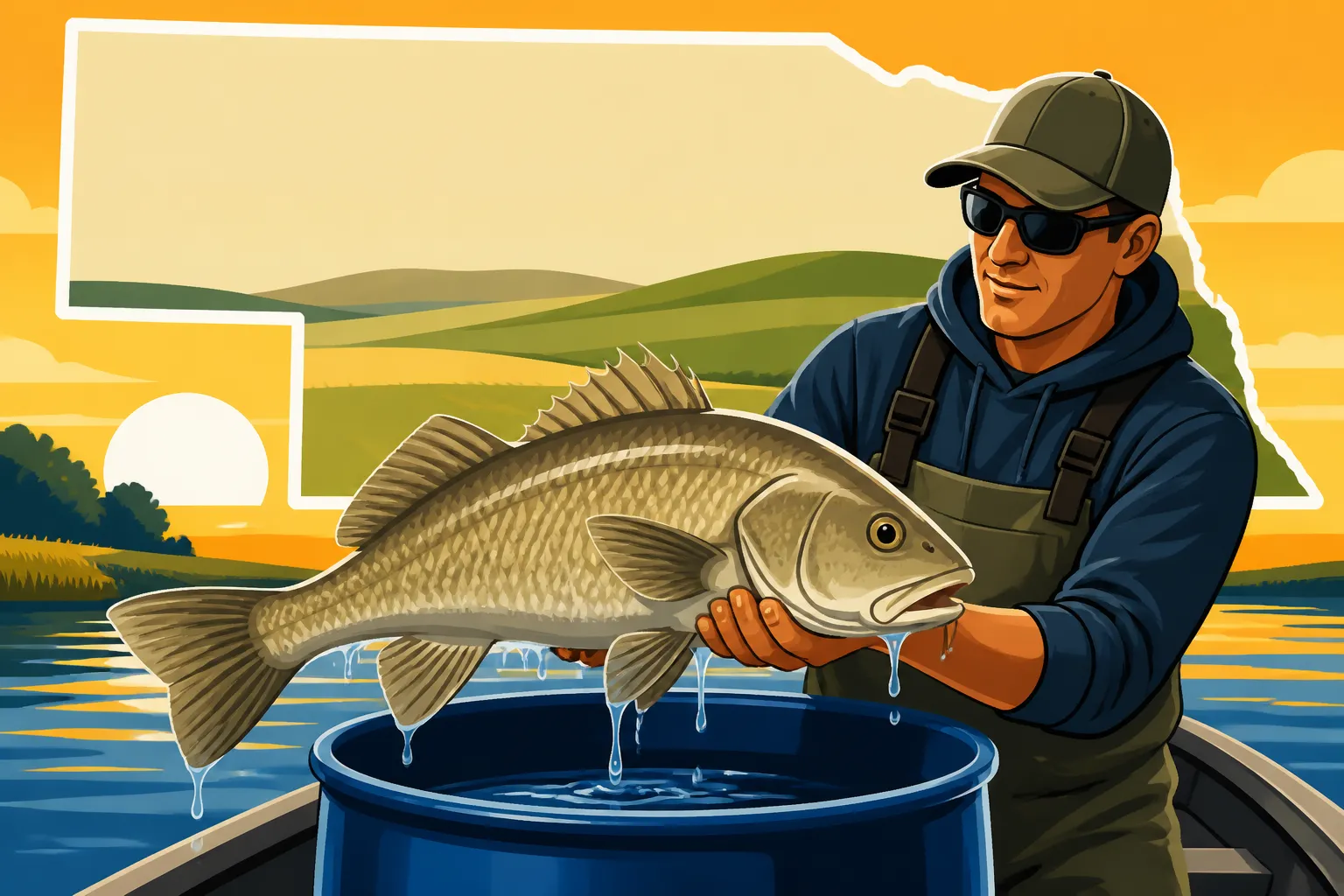
Nebraska Drum Fishing
It's easy to get caught up chasing the "glamour" fish in Nebraska, isn't it? We all dream of those trophy walleye or the massive flathead catfish. But often, in that pursuit, we overlook some truly incredible fighters that are abundant and accessible, like the freshwater drum. Many anglers dismiss them as "rough fish" or accidental catches, missing out on some fantastic action. This guide aims to shine a light on Nebraska drum fishing, helping you identify them, find their haunts, and master the techniques to catch these surprisingly spirited fish.
What Exactly is a Freshwater Drum?
When you pull in a fish you're not quite sure about, especially one that puts up a serious tussle, it might just be a freshwater drum. These fish are often misunderstood and unfairly labeled, but once you get to know them, you'll appreciate their unique place in Nebraska's aquatic ecosystems. They're a truly native species, having been around for a very long time, and they play an important role in the food chain.
Identifying Features and Look-Alikes
Freshwater drum, often called sheepshead or croakers by old-timers, have a very distinctive look. They typically have a silvery, somewhat brassy body that can range from a light silver-gray to a darker bronze on the back, fading to white on the belly. Their bodies are deep and compressed, giving them a stocky appearance, and they have a high, arched back. One of their most noticeable features is their long dorsal fin, which is split into two sections: a spiny anterior part and a much longer soft-rayed posterior part that almost runs the length of their back.
Another key identifier is their mouth. It's subterminal, meaning it's located underneath the snout, perfectly designed for grubbing along the bottom for food. They also possess large, prominent scales and, if you're lucky enough to hear it, they can actually make a drumming or grunting sound using muscles vibrating against their swim bladder – hence the name "drum"! If you're ever uncertain about a catch, cross-referencing with a Nebraska Fish Species Identification Guide can be incredibly helpful. You might mistake them for a carp at first glance due to their bottom-feeding habits, but carp have barbels (whiskers) around their mouths, which drum do not.
Drum Lifespan, Diet, and Behavior
Freshwater drum are quite hardy fish, with some individuals living up to 15 years or more in Nebraska waters. They're slow growers compared to some other species, but they can reach impressive sizes, with large adults weighing over 15 pounds. Their diet is primarily made up of invertebrates they find on the bottom, such as mussels, snails, crayfish, and insect larvae. They have powerful pharyngeal teeth (throat teeth) that allow them to crush the shells of their prey, which is a fascinating adaptation.
Behaviorally, drum are schooling fish, particularly when they're younger. You often find them in groups, especially in deeper channels or around submerged structures. They are most active during the day, but they can be caught at night as well, especially during warmer months. During spawning season, which typically occurs in late spring to early summer in Nebraska, they become particularly active, moving into shallower areas to lay their eggs. Understanding these behaviors can greatly increase your chances of a successful outing.
Where to Find Drum in Nebraska
One of the best things about freshwater drum is their widespread distribution across Nebraska. You don't need to travel to some remote, secret spot to find them; they're quite at home in many of our most popular fishing locations. This accessibility makes them a fantastic target for anglers of all skill levels, from beginners to seasoned veterans looking for a good fight.
River Systems and Main Channels
Nebraska's major river systems are prime real estate for freshwater drum. The Missouri River, of course, is a powerhouse, offering ample opportunities to hook into large drum, especially in the deeper channels, around wing dams, and in areas with slower current. They love those spots where the river washes up food and creates eddies. Other rivers like the Platte River, particularly its lower reaches, and even the larger sections of the Niobrara and Elkhorn Rivers, can hold good numbers of drum.
When fishing rivers, look for areas with a soft, muddy, or sandy bottom, which is where their preferred food items like mussels and aquatic insects are most abundant. Deeper holes, channel bends, and the downstream side of submerged structures or islands are always good bets. Best Nebraska Rivers for Fishing provides excellent insights into accessing these productive areas, and many of the same principles that apply to finding catfish in rivers will also lead you to drum.
Reservoirs and Lake Habitats
Don't think drum are just river dwellers! Nebraska's larger reservoirs also boast thriving drum populations. Lakes like Lake McConaughy, Harlan County Reservoir, Lewis and Clark Lake, and even Branched Oak Lake can offer fantastic drum fishing. In these environments, drum tend to congregate around main lake points, submerged humps, old creek channels, and anywhere there's a good break in depth with a soft bottom. They'll often be found near riprap shorelines or dam faces, where baitfish and invertebrates gather.
While they might not be the primary target for most anglers heading out to these big bodies of water, they are a very common bycatch, especially for those targeting walleye or catfish. Knowing they're there and actively targeting them can add a lot of excitement to your day. They're particularly prevalent in the deeper, more turbid sections of reservoirs.
Effective Techniques for Catching Nebraska Drum
Catching freshwater drum doesn't require a highly specialized approach, which is another reason they're so much fun to pursue. Many of the techniques and gear you'd use for catfish or walleye will work perfectly for drum, making it easy to add them to your target list without investing in a whole new setup.
Essential Gear and Tackle for Drum
For freshwater drum, you want a setup that's robust enough to handle a strong fight but sensitive enough to detect subtle bites. A medium to medium-heavy spinning or baitcasting rod, about 6.5 to 7.5 feet long, is ideal. Pair this with a reel spooled with 10-20 pound test monofilament or braided line. Braided line, in particular, offers excellent sensitivity and strength, which can be a huge advantage when fishing in current or trying to feel those light taps on the bottom. You can often find reliable rod and reel combos for beginners that will serve you well on Amazon, providing a good balance of durability and performance.
Terminal tackle should include sturdy hooks (size 1 to 4/0, depending on bait size), swivels, and weights appropriate for the current or depth you're fishing. A common setup involves a slip sinker rig (Carolina rig style) or a simple three-way swivel rig, which keeps your bait near the bottom where drum feed. Don't forget a good landing net; while drum aren't known for their sharp teeth, their strong thrashing can make them difficult to handle, especially larger ones.
Best Baits and Lures for Drum
Drum are bottom feeders, and their diet of mussels and crayfish gives us a big clue about what baits they'll readily take. Live baits are often the most effective. Nightcrawlers are a perennial favorite and will catch drum reliably. Shrimp, either fresh or frozen, is another excellent option, as is cut bait, especially from oily fish like shad or bluegill. For a more detailed look at effective baits, checking out Best Bait for Nebraska Catfish can provide some crossover ideas, as many of the same scent-rich baits appeal to drum.
| Bait Type | Effectiveness | Pros | Cons |
|---|---|---|---|
| Nightcrawlers | High | Readily available, universally appealing | Can be picked apart by smaller fish |
| Shrimp | High | Strong scent, firm flesh | Can be more expensive, less durable |
| Cut Bait | Medium-High | Strong scent, attracts larger fish | Can attract other species (catfish), messy |
| Crayfish | Medium-High | Natural food source, very effective | Harder to find/keep alive |
| Mussels/Clams | Medium | Natural food, very specific | Difficult to collect and prepare |
| Artificial Lures | Low-Medium | Reusable, can cover water | Less scent, requires active presentation |
While less common, artificial lures can also tempt drum, especially if you're actively working them near the bottom. Jigs tipped with soft plastics that mimic crawfish or grubs can be effective, particularly when jigged slowly along the riverbed or lake bottom. Just remember, scent is a major attractant for drum, so don't be afraid to add some commercially available scent attractants to your artificial offerings.
Fishing Methods: From Shore to Boat
Whether you prefer to fish from the bank or from a boat, there are effective ways to target drum. From shore, look for accessible areas along rivers or reservoirs with deeper water close to the bank. Casting a slip-sinker rig with a nightcrawler or cut bait out into the channel or over a submerged hump and letting it sit on the bottom is a classic and very productive method. If you're fishing a relatively clear spot, you might even be able to spot schools of drum on your fish finder before casting. Remember to abide by Nebraska Rules on Number of Fishing Poles Per Angler to ensure you're fishing legally.
From a boat, you have more versatility. Anchoring upstream of a promising spot in a river and letting your baits drift down into a hole or current seam is very effective. In reservoirs, drifting over deep flats or slowly trolling bottom-bouncing rigs can also produce results. Many anglers catch drum while still-fishing for catfish or walleye, so if you're seeing a lot of drum action, consider adjusting your baits and techniques to specifically target them for some non-stop fun.
Why Drum Are a Great Sport Fish
Despite their "rough fish" reputation, freshwater drum are, in fact, an excellent sport fish. They offer an accessible, exciting fishing experience that many anglers often overlook. If you're looking for a reliable fight and a plentiful catch, drum should definitely be on your radar.
The Unexpected Fight of a Freshwater Drum
If you've ever hooked into a big freshwater drum, you know exactly what I'm talking about. These fish fight hard! They're often compared to channel catfish or even smallmouth bass in their tenacity. When hooked, a drum will typically make powerful, head-shaking runs, often digging deep and refusing to come up easily. They use their broad, deep bodies to their advantage, leveraging the water pressure to resist your retrieve.
This strong fighting ability makes them a fantastic target, especially for those days when other species are finicky. It's not uncommon for a 5-pound drum to feel like a much larger fish on the end of your line, providing a thrill that can surprise even experienced anglers. This fighting spirit, coupled with their abundance, means you can expect consistent action, which is perfect for keeping things exciting, especially if you're fishing with kids.
Accessibility and Abundance for Anglers
One of the most appealing aspects of drum fishing in Nebraska is their sheer accessibility. They're found in virtually every major river system and many large reservoirs across the state, from the Missouri River to the smaller impoundments. This means you likely have a productive drum fishing spot within a reasonable drive, no matter where you are in Nebraska. This widespread presence contrasts with species that might have more limited habitats or specific seasonal windows.
Because they are so abundant, bag limits are usually quite generous, and sometimes there are no limits at all. This makes them a great species for those who simply want to catch a lot of fish or practice their angling skills without worrying about strict regulations. They're also often willing biters, meaning you don't always need highly refined techniques or expensive gear to have a successful day on the water. A simple worm on the bottom can often do the trick! Remember to check current Nebraska Fishing Regulations Explained before heading out.
Are They Good to Eat? Debunking the Myths
Ah, the age-old question for any "rough fish": are they good to eat? The short answer for freshwater drum is a resounding YES! This is perhaps one of the biggest misconceptions about the species. Many people believe they are poor table fare, often due to their bottom-feeding habits or the occasional muddy taste associated with fish from certain waters. However, when properly handled and prepared, drum can be delicious.
The key is treating them like any other game fish you intend to eat. Bleed them immediately after catching, keep them on ice, and fillet them quickly. The meat is firm, white, and flaky, with a mild, slightly sweet flavor. It holds up well to various cooking methods, including frying, baking, or grilling. Many anglers describe their taste as similar to walleye or even red snapper, which is a high compliment! So, next time you catch a drum, don't just release it – consider taking one or two home for a tasty meal.
Common Misconceptions and Drum Fishing Tips
It's easy to fall prey to old wives' tales and outdated perceptions when it comes to fish like the freshwater drum. Let's tackle some of these head-on and then equip you with a few extra tips to help you land more and bigger drum.
Dispelling the "Rough Fish" Stigma
The term "rough fish" often carries a negative connotation, implying that a species is undesirable, doesn't fight well, or isn't good to eat. For freshwater drum, this couldn't be further from the truth. This stigma likely arose from their prolific nature and their habit of living on the bottom, often in murky waters, which somehow led to the assumption that they aren't "clean" fish.
However, as we've discussed, drum are powerful fighters and can be excellent table fare. They are also native to Nebraska and play a vital role in the ecosystem, consuming invertebrates that might otherwise overpopulate. Embracing them as a legitimate sport fish opens up a world of accessible and exciting fishing opportunities. Instead of viewing them as a nuisance, consider them a valuable and underrated resource that provides thrilling action and a good meal.
Advanced Tips for Targeting Larger Drum
While a basic bottom rig will catch plenty of drum, if you want to target the larger, trophy-sized specimens, a few adjustments can make a big difference.
Firstly, focus on bigger baits. While a piece of nightcrawler will tempt smaller drum, a whole nightcrawler, a large chunk of cut bait, or even a live crayfish will be more appealing to the behemoths. These larger baits also help deter smaller panfish from nibbling your offering away. You can scout for these larger bait options, or even check Amazon for larger sized hooks or rigs designed for bigger fish, making sure your tackle is up to the task.
Secondly, pinpoint structure. Big drum often relate to significant underwater structure like deep rock piles, pronounced channel edges, large log jams, or even old bridge pilings in rivers. These areas provide ambush points and access to deeper water, which larger fish prefer. Using a quality fish finder can help you locate these hidden gems. For general fish finding techniques that can be adapted for drum, consider reviewing resources like How to Read a Fish Finder for Walleye.
Lastly, consider fishing during periods of low light or after dark. While drum are active during the day, the really big ones can be more cautious. Fishing early morning, late evening, or through the night, especially during the warmer months, can increase your odds of connecting with a true trophy. These larger fish are often more solitary than their smaller counterparts, so patience is key. And always remember to practice Catch and Release Best Practices in Nebraska if you're not planning to keep your catch, ensuring these feisty fish continue to thrive.
Disclaimer
This article is for general informational purposes only and does not constitute professional advice. Laws, prices and regulations vary by location and change over time. Consult a qualified professional for guidance on your specific situation.