Nebraska Fishing Guide License Requirements
Thinking of turning your passion for fishing in Nebraska into a guiding business? It's a dream many of us share – spending our days on the water, sharing our love for angling, and helping others reel in the big one. But before you can hang out your shingle and start leading clients to those secret fishing spots, there's a crucial step: understanding and fulfilling the Nebraska Fishing Guide License Requirements. This guide will walk you through all the necessary steps, cutting through the confusion so you're fully prepared to launch your venture legally and confidently.
Understanding the Basics: What is a Fishing Guide License?
It's easy to assume that if you have a regular Nebraska fishing license, you're good to go for everything related to fishing. However, once you start taking payment for your expertise, or even just advertising your services, you cross a line from recreational angler to commercial operator. That's where the fishing guide license comes in. It's not just another piece of paper; it's a recognition by the state that you meet certain standards to professionally lead others on the water, ensuring their safety and protecting Nebraska's valuable natural resources. It’s about building trust, both with your clients and with the governing bodies.
Who Needs a Nebraska Fishing Guide License?
This is where some folks get tripped up. The Nebraska Game and Parks Commission (NGPC) defines a fishing guide as anyone who, for compensation or hire, transports or accompanies another person for the purpose of helping them hunt or fish. This definition is pretty broad, and it’s intentionally designed that way to cover a range of scenarios. So, if you're charging a fee—whether it's cash, goods, or even a bartered service—to take someone out fishing and provide them with advice, instruction, or access to fishing spots, you absolutely need this license.
Consider this: if you regularly take your buddy out fishing and he just covers gas and bait, you're probably fine. That's a friendly outing. But if you post an ad online, even on social media, offering "guided fishing trips" for a set daily rate, even if you’re just covering "expenses," you're now operating commercially. This applies whether you're taking clients out on a large reservoir like Lake McConaughy for walleye, floating the Niobrara River for smallmouth bass, or even just teaching kids to fish on a local pond near Omaha. It's all about that exchange of services for compensation. Even if you're working for an outfitter, ensure they hold the necessary licenses and that you, as an individual guide, are also properly credentialed. It’s always best to be proactive and reach out to the NGPC directly if you're unsure about your specific situation.
Why the Nebraska Game and Parks Commission Requires Them
The regulations around guide licenses aren't just bureaucratic red tape designed to make your life harder. Far from it, they serve several critical purposes that benefit everyone, from the fish themselves to your future clients. First and foremost, safety is paramount. When you’re responsible for clients, often in unfamiliar or potentially hazardous environments like a river with strong currents or a large, windy lake, their well-being is in your hands. The licensing process ensures that guides have a basic understanding of safety protocols, including things like boating safety and first aid. You can find detailed information about general fishing rules in the comprehensive guide on Nebraska Fishing Regulations Explained to ensure you're always operating within legal boundaries.
Beyond safety, these requirements contribute significantly to conservation efforts. Licensed guides are expected to be role models for ethical angling. This means adhering strictly to bag limits, length limits, and seasonal closures, and teaching clients about sustainable fishing practices. It's about protecting the very resource that provides your livelihood. Moreover, licensing helps professionalize the industry. It sets a standard, weeding out individuals who might be ill-prepared or operate unsafely, thereby enhancing the reputation of legitimate guides and ensuring a higher quality experience for everyone who hires one. It's a way for the state to say, "We trust these individuals to represent Nebraska's outdoor recreation responsibly."
The Application Process: Step-by-Step Requirements
So, you're ready to take the plunge? Great! The application process, while it might seem daunting at first glance, is quite manageable if you break it down. Think of it as an investment in your legitimate business. The Nebraska Game and Parks Commission has worked to streamline this as much as possible, often utilizing the online GoOutdoorsNE system, which many anglers are already familiar with for purchasing their regular fishing permits.
Eligibility Criteria and Documentation
Before you even fill out a form, you need to check if you meet the fundamental criteria. Generally, you need to be at least 18 years old. This isn't just an arbitrary age; it ensures you have the maturity and legal capacity to be responsible for others. You’ll also need to prove your residency status if you're seeking a resident guide license, which typically requires a Nebraska driver's license or state ID. For specific details on what constitutes residency for a regular fishing permit, you might want to look at Nebraska Resident Fishing License Requirements.
Expect to provide personal identification, which could include your social security number, and potentially undergo a background check. This is standard procedure to ensure public safety. You don't want someone guiding clients who has a history of serious offenses. While details can change, typically, you'll need to confirm that you haven’t had any serious fish or game violations in recent years. This is about trust – both from the state and from your future clients. Keep all your documentation organized, including your driver’s license, any boating safety certificates, and proof of first aid/CPR training, as you’ll need to provide copies or reference numbers.
Application Submission and Fees
Once you’ve gathered all your supporting documents and confirmed your eligibility, it’s time to submit the actual application. The most convenient way to do this for many permits, including often guide licenses, is through the GoOutdoorsNE online permit system. This platform is designed to be user-friendly, allowing you to upload documents and pay fees digitally. If you're new to the system, a quick visit to How to Set Up a GoOutdoorsNE Account can help you get started.
When filling out the application, be meticulous. Double-check every field, ensuring all information is accurate and matches your supporting documents. Incomplete or inaccurate applications can lead to delays, which nobody wants when you're eager to get your business off the ground. There will be an application fee, which helps cover the administrative costs of processing licenses and supporting the NGPC's work in conservation and resource management. This fee varies, so it’s always best to check the current rates directly on the NGPC website or through the GoOutdoorsNE system before applying. For context, you can compare this to the costs of other permits, such as the Nebraska Annual Fishing Permit or specific stamps like the Nebraska Aquatic Habitat Stamp Explained, to understand the overall fee structure for fishing in the state.
Essential Certifications
Beyond the basic guide license application, there are often critical certifications you’ll need to hold, primarily focused on safety. These aren't just "good ideas"; they're usually non-negotiable legal requirements for operating as a professional guide.
- Boating Safety Education: If you'll be operating a motorized boat to transport clients, you’ll almost certainly need to complete a Nebraska-approved boating safety course. This course covers everything from navigation rules and hazard identification to emergency procedures. It’s vital for protecting yourself, your clients, and other boaters on the water. Many courses are available online or in person. It’s important to understand the full scope of Nebraska Boat Registration and Fishing Rules and also Nebraska Boating Age Requirements for Operating Alone if you plan to have younger assistants.
- First Aid and CPR Certification: This is absolutely non-negotiable for anyone leading groups outdoors. Accidents happen, and being certified in First Aid and Cardiopulmonary Resuscitation (CPR) means you’re equipped to handle medical emergencies effectively until professional help arrives. Imagine a client getting a hook stuck, having an allergic reaction, or experiencing a sudden medical event – your ability to respond quickly and correctly could be life-saving. Organizations like the American Red Cross or the American Heart Association offer widely recognized certification courses. You can often find equipment like a well-stocked first aid kit, essential for any guide, on popular online marketplaces like Amazon.
Beyond the License: Ongoing Responsibilities and Best Practices
Getting your fishing guide license is a fantastic achievement, but it's just the beginning. The world of guiding requires continuous diligence, a commitment to safety, and a deep respect for the natural environment. Think of it as earning your stripes; now you need to keep polishing them.
Maintaining Compliance and Renewals
Like your personal fishing license, your guide license isn't a one-and-done deal. It requires regular renewal, typically annually. It's your responsibility to keep track of the expiration date and ensure you renew it promptly. Missing a renewal can lead to delays in operation or even penalties, which can be a real headache when you have clients booked. The GoOutdoorsNE system usually sends out reminders, but it’s always wise to mark your calendar as well. You can review information on Nebraska Fishing License Renewal to understand the general process.
Beyond just the license, you need to stay current with all Nebraska fishing regulations. These aren't static; they can change from year to year based on fish populations, environmental factors, and conservation goals. As a guide, you're expected to be an expert on these rules, not just for yourself but for your clients. Keep a current copy of the Nebraska fishing guide (either physical or digital on your phone) readily accessible. This includes bag limits, length limits, tackle restrictions, and any special regulations for specific bodies of water. For example, knowing the current Nebraska Walleye Daily Bag Limit or Nebraska Largemouth Bass Length Limit is crucial. Remember, ignorance of the law is not an excuse, especially when you're operating professionally.
Insurance and Liability Considerations
This is a really big one that often gets overlooked by new guides, but it's absolutely vital. As a fishing guide, you're taking people out into a dynamic natural environment, often in a boat. This inherently carries risks. While you might be the most careful person on the water, accidents can still happen—a client might slip, a piece of gear might malfunction, or even another boater could cause an incident. Without proper insurance, you could face significant financial hardship if a client is injured or property is damaged.
You need to carry adequate liability insurance specifically for a commercial fishing guide operation. Your personal boat insurance policy likely won't cover commercial activities. Look for policies that cover bodily injury, property damage, and potentially even professional liability (errors and omissions) if you’re offering instructional services. Shop around and talk to insurance brokers who specialize in outdoor recreation businesses. This isn't an area to cut corners. While it's an expense, it’s a non-negotiable one that protects your livelihood and provides peace of mind. A good insurance policy is like having a reliable life jacket for your business – it's there to protect you when things go unexpectedly wrong.
Ethical Guiding and Conservation
Beyond the letter of the law, a great fishing guide embodies the spirit of ethical angling and conservation. You are an ambassador for the sport and for Nebraska's natural heritage. This means practicing catch and release when appropriate, especially for sensitive species or trophy fish, and always handling fish with care to maximize their survival if released. It means educating your clients not just on how to catch fish, but why we respect limits and protect habitats.
Ensure your boat and gear are clean and free of aquatic invasive species, always following the "Clean, Drain, Dry" protocol before moving between different bodies of water. The Nebraska Aquatic Invasive Species Stamp and related regulations are there for a reason – to protect our fisheries. A true professional guide also fosters a positive, respectful atmosphere on the water, demonstrating good sportsmanship and courtesy to other anglers and boaters. Your actions speak volumes about your values and can inspire your clients to be better stewards of the environment themselves. This commitment to conservation is what ensures that future generations of anglers will have the same opportunities you do.
Common Questions and Pitfalls for Aspiring Guides
Embarking on a guiding career is exciting, but it's natural to have questions and worries about potential missteps. Addressing these proactively can save you a lot of grief down the line.
What Happens If You Guide Without a License?
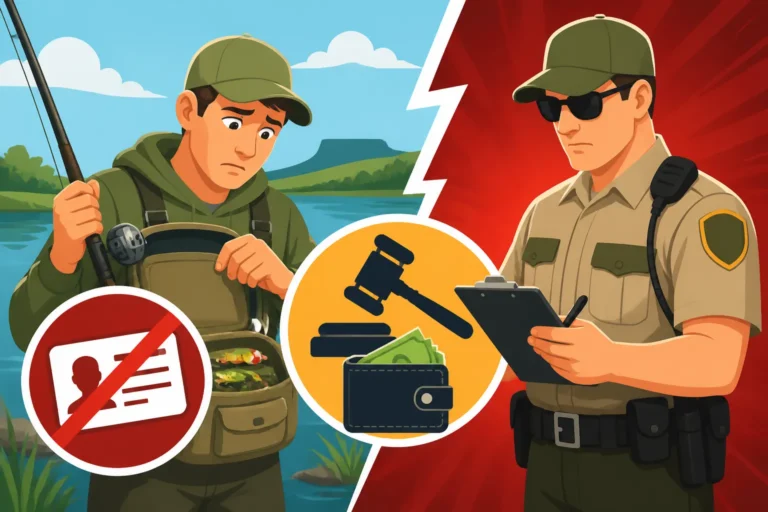
This is a risk you absolutely do not want to take. Operating as a commercial fishing guide in Nebraska without the proper license is illegal and carries significant penalties. Game wardens are highly trained and observant, and they do check for compliance. You might think you can fly under the radar, but it's simply not worth the gamble.
The consequences of guiding without a license can range from hefty fines to the confiscation of your gear, boat, and even your vehicle. You could also face legal charges, potentially leading to jail time, especially for repeated offenses. Furthermore, you'll likely lose any valid fishing licenses you hold, and you could be prohibited from obtaining any fishing or hunting permits in Nebraska for a period of time. Imagine having your passion shut down because you skipped a few steps. It’s not just about the legal repercussions; your reputation as a guide would be shattered, making it incredibly difficult to ever establish a legitimate business. Always prioritize compliance to avoid these severe and career-ending pitfalls. Information on Nebraska Fishing Violation Penalties can provide more details on the seriousness of such offenses.
Tips for a Successful Guiding Business
Beyond the regulatory requirements, building a successful guiding business involves a lot of entrepreneurial spirit and strategic thinking. Here are a few tips to help you thrive:
- Invest in Quality Gear: While you don't need to break the bank, having reliable, well-maintained equipment is crucial. This includes your boat, motor, electronics, and even the rods and reels you provide for clients. Clients expect a professional experience, and that often starts with the gear. You can often find a wide range of reliable fishing gear, from basic to advanced, on platforms like Amazon, allowing you to compare options and read reviews. Having an understanding of Best Fishing Gear for Nebraska Anglers can help you make informed choices.
- Master Your Craft: This sounds obvious, but continuous learning is key. Stay updated on fishing techniques, local patterns, and the behavior of target species. Knowing How to Fish for Walleye in Nebraska or How to Catch Catfish in Nebraska in various conditions will set you apart. The more you know, the more confident your clients will be in your abilities.
- Client Relations are King: Your clients are your best advertisement. Provide excellent customer service, communicate clearly, and make their experience memorable, regardless of the number of fish caught. Be patient, a good teacher, and fun to be around. Word-of-mouth referrals are priceless.
- Effective Marketing: How will people find you? A professional website, active social media presence, and local partnerships (bait shops, tourism offices, local hotels) can significantly boost your visibility. Highlight your unique selling points – maybe you specialize in teaching beginners, or you have unparalleled knowledge of Lake McConaughy Fishing Guide techniques.
- Understand Your Niche: Are you focusing on fly fishing for trout in the few coldwater streams, or do you want to be the go-to guide for trophy catfish on the Missouri River? Knowing your niche helps you target your marketing and refine your expertise. Building a business is a marathon, not a sprint, and consistency is key to long-term success. For those interested in expanding their knowledge, there’s even a specific guide on How to Become a Licensed Fishing Guide in Nebraska that can provide additional strategic advice.
Disclaimer
The information provided in this guide is for general informational purposes only and does not constitute legal advice. Fishing regulations and license requirements in Nebraska can change. It is always the responsibility of the individual to consult the most current regulations directly with the Nebraska Game and Parks Commission or other relevant authorities before engaging in any guiding activities. We are not liable for any actions taken or not taken based on the information provided herein.