Best Setup for Trotlining Catfish Overnight
Setting up a trotline for catfish overnight can feel like a labyrinth of regulations, gear choices, and "where do I even start?" questions, especially if you want to do it right and actually catch those whiskered beauties here in Nebraska. It's not just about tossing a line in the water; it's about strategy, safety, and respect for the resource. This comprehensive guide will walk you through everything you need to know to assemble and deploy the best possible trotline setup for a successful overnight catfish haul, keeping you legal and effective on the water.
Understanding Nebraska's Trotline Regulations
Before you even think about buying a single hook, the absolute first step for any aspiring trotline angler in Nebraska is to get intimately familiar with the rules. Trust me, nothing ruins a peaceful night of fishing faster than a run-in with a game warden because you overlooked a crucial detail. Nebraska has specific regulations for trotlines, and they’re designed to manage fish populations, ensure fair chase, and prevent navigational hazards. Ignoring them isn't just a risk; it's irresponsible.
Key Legal Requirements and Limitations
Nebraska's regulations are quite clear about what you can and cannot do with a trotline. First and foremost, every angler needs a valid Nebraska fishing license. This isn't optional; it's the foundation of all legal fishing activity. Beyond that, the rules delve into the nitty-gritty of the trotline itself. For instance, there are strict limitations on the number of hooks you can have on a single trotline, and you're often limited to a certain number of trotlines per angler. This prevents overharvesting and ensures everyone has a fair shot.
You'll also find regulations concerning identification tags. Every trotline you set must be clearly marked with your name and address or your Nebraska Game and Parks Commission customer identification number. This is vital for enforcement and helps prevent abandoned gear. Think of it like a license plate for your fishing equipment. Furthermore, there are rules about how often you must check your trotline. Leaving a line unattended for days isn't just poor practice, it's often illegal. These checks are crucial for removing fish quickly and humanely, minimizing stress and ensuring the quality of your catch. You can find detailed information on these specifics in the annual Nebraska Fishing Regulations Explained booklet.
Where You Can and Cannot Set a Trotline
The "where" of trotlining is just as important as the "how." Nebraska's waterways are diverse, and not all areas are open to trotline fishing. Generally, trotlines are more common and permitted on larger rivers and some specific reservoirs, particularly those with good catfish populations. However, there are significant restrictions. For example, trotlines are usually prohibited in many smaller lakes, ponds, and even some specific sections of rivers, especially those designated for other types of fishing or conservation efforts.
You'll definitely want to avoid setting a trotline in main navigation channels on larger rivers like the Missouri. These areas are busy with boat traffic, and your line could become a serious hazard, not to mention a target for passing propellers. It's also generally a no-go near public swimming areas, boat ramps, or docks where people and other anglers are concentrated. Even on private land, if you're fishing a pond or lake, you still need to adhere to state regulations unless specific landowner exemptions apply, which are rare for commercial methods like trotlining. Always consult the official Nebraska Game and Parks Commission regulations for the precise waterways and zones where trotlining is permitted or prohibited. Taking the time to understand these boundaries will save you a lot of headache and potential fines.
Choosing the Right Gear for Your Overnight Trotline
Once you've got the legal side locked down, it's time to talk gear. A successful overnight trotline for catfish in Nebraska isn't built with flimsy components. You're trying to hold potentially large, powerful fish, often in currents, over many hours. This calls for durability, strength, and thoughtful construction. Skimping on materials is a surefire way to end up with lost fish, broken lines, and a lot of frustration.
Essential Components of a Strong Trotline
Your trotline setup is only as strong as its weakest link, literally. Here's what you'll need to consider:
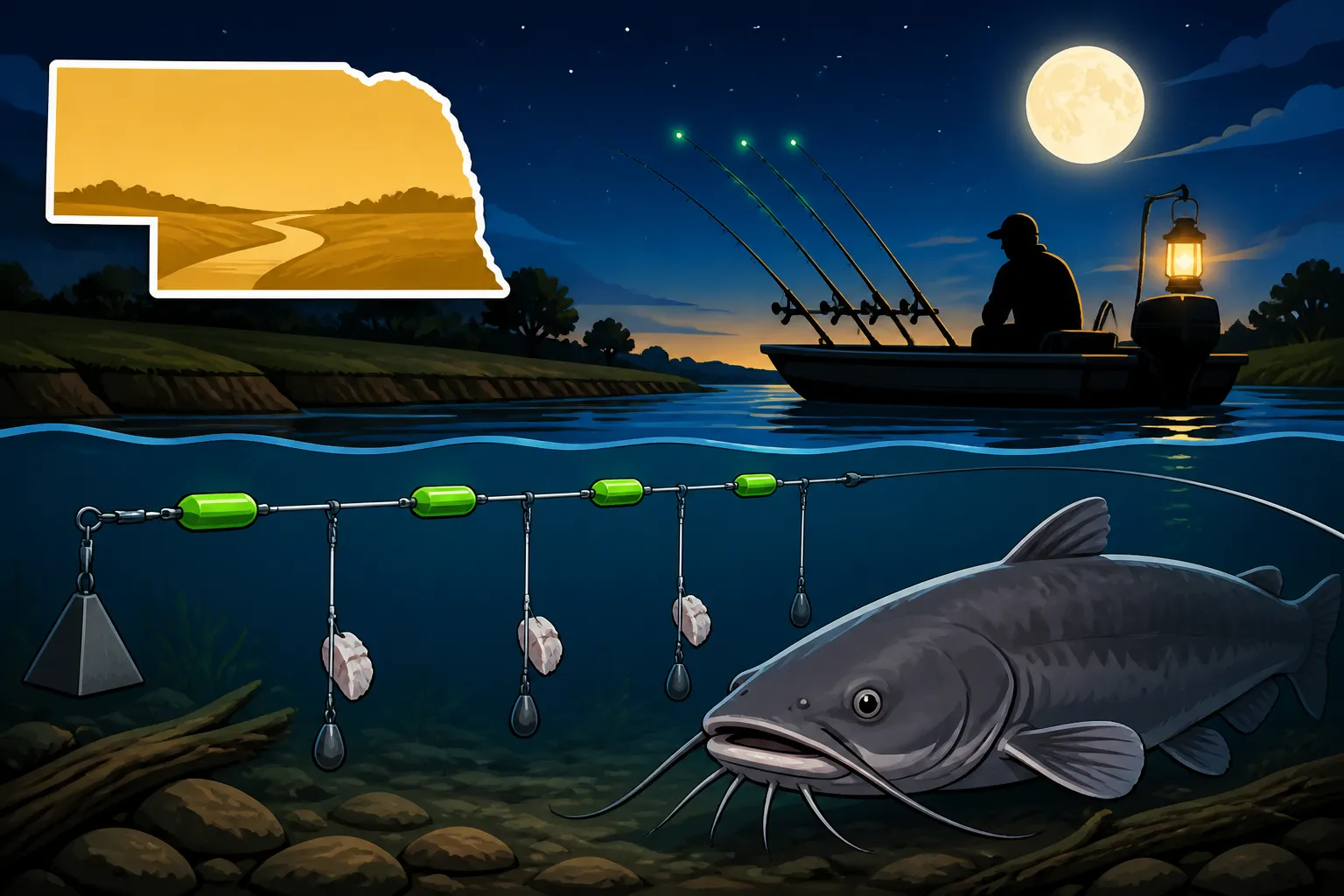
- Main Line: This is the backbone of your trotline. You need something incredibly strong and abrasion-resistant. Heavy-duty nylon rope, braided synthetic lines, or even coated stainless steel cables are popular choices. The breaking strength should be substantial, often 200 pounds or more, to handle multiple large catfish, the current, and any debris that might snag. You can find a wide array of durable main lines on Amazon, ensuring you get something reliable.
- Stagings (Gangions): These are the shorter lines that attach your hooks to the main line. They should be strong but slightly lighter in breaking strength than the main line. This way, if a hook gets seriously snagged on something immovable, only the staging breaks, not your entire main line. Monofilament or braided nylon of 80-150 pound test is common. The length of the stagings can vary, but typically 12-24 inches is a good starting point to prevent fish from tangling too much with the main line or other hooks.
- Hooks: Size matters here. For big Nebraska channel catfish or flatheads, you're generally looking at strong, sharp, large gap hooks. Circle hooks are highly recommended because they are more likely to hook fish in the corner of the mouth, reducing gut-hooking and making release easier for any non-target species or undersized fish. Sizes like 5/0 to 10/0 are common, depending on your target fish size.
- Anchors: Your trotline needs to stay put. This means heavy-duty anchors on both ends. Concrete blocks, cinder blocks, rebar stakes driven into the bank, or specially designed mushroom anchors work well. The type and weight of your anchors will depend on the current and bottom composition of your chosen fishing spot. In strong currents, you might need 20-30 pounds or more per end.
- Floats: These serve two critical purposes: marking your line's location and providing buoyancy. Large, bright, highly visible floats are essential, especially for overnight fishing. You want them to be easily seen from a distance, even in low light, and sturdy enough not to be pulled under by a strong fish or current. Often, anglers will use boat fenders or sturdy buoy floats. Remember, state regulations often require your trotline to be marked clearly above the water, which these floats achieve.
Selecting the Best Bait for Overnight Catfish
The right bait is half the battle when it comes to attracting catfish overnight. Catfish are primarily scavengers and opportunistic feeders, with an incredible sense of smell. What works best can depend on the species of catfish you're targeting (channel, flathead, or blue catfish) and the time of year.
- Cut Bait: This is a perennial favorite for channel and blue catfish. Fresh cut bait from oily fish like shad, carp, or even strong-smelling store-bought fish like mackerel or herring, is incredibly effective. The scent trail it puts out in the water is irresistible to hungry cats. Many anglers swear by fresh-caught local fish cut into strips or chunks. You can find specialized knives and bait preparation tools on Amazon to make this easier.
- Live Bait: For trophy flathead catfish, live bait is often the king. Small sunfish, bullheads, or even larger minnows are excellent choices. Flatheads prefer live, struggling prey, and they'll often ignore cut bait. Ensure your live bait is healthy and hooked in a way that allows it to swim naturally and attract attention.
- Prepared Baits (Stink Baits): While not always as effective for truly huge flatheads, various "stink baits" and dough baits can be incredibly productive for channel catfish, especially smaller ones. These often have potent, lingering odors designed to mimic decomposing prey. You'll find a vast selection of these on Amazon, from dip baits to punch baits, perfect for coating your hooks.
Experimentation is key! What works wonders in one Nebraska river might be less effective in a different lake. Consider the natural forage available in the body of water you're fishing. For more ideas on what tempts these whiskered predators, check out our guide on Best Bait for Nebraska Catfish.
| Component | Recommended Material/Type | Breaking Strength/Size | Key Feature for Overnight Trotlining |
|---|---|---|---|
| Main Line | Braided Nylon/Synthetic Rope | 200 lbs+ | Durability, Abrasion Resistance |
| Stagings | Heavy Monofilament/Braided Line | 80-150 lbs | Breakaway point, Less Tangle |
| Hooks | Carbon Steel Circle Hooks | 5/0 – 10/0 | Reduces gut-hooking, Strong hold |
| Anchors | Concrete Blocks/Rebar | 20 lbs+ per end | Secure placement in current |
| Floats | Large, Bright Buoys/Fenders | Highly Visible | Location marking, Buoyancy |
Optimal Setup Techniques for Success
Getting the gear is one thing; deploying it effectively is another. There's an art and a science to setting a trotline that maximizes your chances of success while adhering to ethical angling practices. It’s about more than just finding water; it’s about finding the right water and presenting your bait irresistibly.
Strategic Placement for Maximum Catches
Catfish aren't just randomly distributed throughout a body of water. They have preferred habitats, especially when feeding overnight. Your success hinges on placing your trotline where they are most likely to travel and feed.
- Understanding Catfish Habitat: Catfish, particularly channel and flathead, love structure. This includes river channels, deep holes, submerged logs, brush piles, rock piles, and sharp drop-offs. In rivers, they'll often hold in areas with slower current adjacent to faster flow, or along current breaks. In lakes and reservoirs, look for creek channels, old roadbeds, humps, or submerged timber. These features provide cover, ambush points, and concentrated food sources. Scouting during the day with sonar or by simply observing the water can give you clues.
- Depth and Current: For overnight fishing, catfish often move shallower to feed during low light, but they'll use deeper channels or holes as travel corridors and daytime retreats. Placing your trotline to intersect these routes can be highly effective. In rivers, position your line to take advantage of natural current seams that will carry your bait's scent downstream, drawing fish in. Avoid dead still water, as scent dispersion will be minimal. However, too much current can make it difficult for fish to find and strike your bait, and can cause your line to tangle. It's a balance.
- Scouting Locations: Before you commit to deploying a trotline, spend some time scouting. Look for signs of baitfish, which are a primary food source for catfish. Observe bank topography for clues about underwater structure. If you have a boat with a fish finder, use it to identify ledges, humps, and submerged timber. A good strategy is to place your trotline where a deep channel meets a shallower flat or where a feeder creek enters a larger body of water. This creates a natural ambush point. Remember that regulations often specify how many poles an angler can use and the specific setup, so avoid conflicts with other anglers' fishing spots. For a deeper dive into where these fish might be hiding, consider our article on How to Find Walleye on Deep Humps and Points, which can offer transferable insight into reading underwater structure for any species.
Deploying and Securing Your Trotline
Once you've picked your spot, the deployment needs to be methodical and secure. A well-set trotline is tight, visible, and stable.
- Anchor One End: Start by securing one end of your main line with a heavy anchor. If you're fishing from shore, this might mean tying it to a sturdy tree or driving a rebar stake deep into the bank. If you're boat fishing, drop your anchor in your chosen spot. Make sure it's firmly set.
- Stretch the Line: Using your boat (or wading if the water allows), slowly motor or walk away from your first anchor point, unreeling the main line as you go. Keep the line taut, aiming for your second anchor point. The length of your trotline will depend on the area you're fishing and legal limits.
- Attach Stagings and Hooks: As you stretch the line, or after it's deployed and semi-secured, begin attaching your pre-rigged stagings and baited hooks at regular intervals. Spacing them 5-10 feet apart is common, but adjust based on regulations and fish activity. Ensure your bait is fresh and securely on the hook.
- Anchor the Second End: Once you've reached your desired length and attached all your hooks, deploy your second heavy anchor. Again, ensure it's firmly seated to keep the main line stretched tight. A tight line is less prone to tangling and makes it easier for fish to find the bait.
- Mark with Floats: Crucially, attach highly visible floats to both ends of your trotline. These are not just for your convenience; they are often a legal requirement. Make sure they are bright and large enough to be easily seen, even in the dark or choppy water. Consider using reflective tape on them for added visibility at night if permitted.
Remember to keep your lines clear of navigation routes and be mindful of other anglers. Setting a trotline correctly the first time prevents headaches and lost fish later on. For more general tactics on passive fishing, you might find our guide on How to Fish a Trotline in Nebraska helpful.
Safety and Ethical Considerations
While the thrill of checking an overnight trotline for a monster catfish is undeniable, it's paramount to prioritize safety and ethical practices. We're all custodians of Nebraska's natural resources, and responsible angling ensures these opportunities remain for generations to come.
Checking Your Trotline and Handling Catches
Leaving a trotline unattended for too long is not only against regulations in many cases but also detrimental to the fish. Regular checks are a must.
- Frequency of Checks: The Nebraska Game and Parks Commission usually stipulates a maximum time period between checks, often 24 hours. However, for the health of the fish and the quality of the meat, checking your trotline more frequently, perhaps every 6-8 hours, is highly recommended. This is especially true overnight. If you set it at dusk, a check before midnight and another at dawn is ideal. This minimizes stress on hooked fish and reduces the chance of losing bait or fish to other predators.
- Humane Handling: When you retrieve your trotline, approach it carefully. Catfish, especially larger ones, can be powerful and have sharp pectoral fins and dorsal spines. Use a sturdy landing net or a heavy pair of gloves to handle them safely. If you plan to keep the fish, dispatch it quickly and humanely. If you're releasing it, do so gently.
- Safe Hook Removal and Release: For fish you intend to release, especially if you're using circle hooks (which often hook in the jaw), use a de-hooking tool or pliers to carefully remove the hook. Avoid excessive handling, especially touching gills. If the fish is undersized or a non-target species, get it back in the water as quickly as possible. Sometimes, you might accidentally catch something unexpected. Knowing your Nebraska Fish Species Identification Guide can help you quickly identify protected species or those with specific length limits, such as those covered in Nebraska Channel Catfish Daily Limit.
Environmental Responsibility and Cleanup
As anglers, we have a responsibility to leave our fishing spots cleaner than we found them. This extends to trotline fishing, where lines and hooks can pose hazards if not managed properly.
- Avoiding Snagging and Line Breaks: Part of good trotline setup is minimizing the chances of snagging. Deploying your line over a clear bottom, if possible, helps. If you do get snagged, make every effort to retrieve your line. Leaving hooks and line in the water is harmful to wildlife and other anglers.
- Removing All Gear: When your fishing trip is over, or if you decide to move your trotline, ensure all components are removed from the water and surrounding area. This includes the main line, stagings, hooks, anchors, and floats. Any abandoned gear becomes litter and a potential hazard. Double-check your area before you leave, ensuring no stray hooks or line fragments are left behind.
- Respect for the Environment: Never discard bait containers, food wrappers, or any other trash at your fishing site. Pack it in, pack it out. This simple rule helps keep Nebraska's beautiful waterways pristine for everyone to enjoy.
By taking these safety and ethical considerations seriously, you're not just ensuring a better fishing experience for yourself, but also contributing to the health and sustainability of Nebraska's aquatic ecosystems. Adherence to rules also helps avoid penalties, so understanding the Nebraska Fishing Violation Penalties is always a good idea.
Disclaimer
This article is for general informational purposes only and does not constitute professional advice. Laws, prices and regulations vary by location and change over time. Consult a qualified professional for guidance on your specific situation.