How Fishing Changes From Spring to Summer in Nebraska
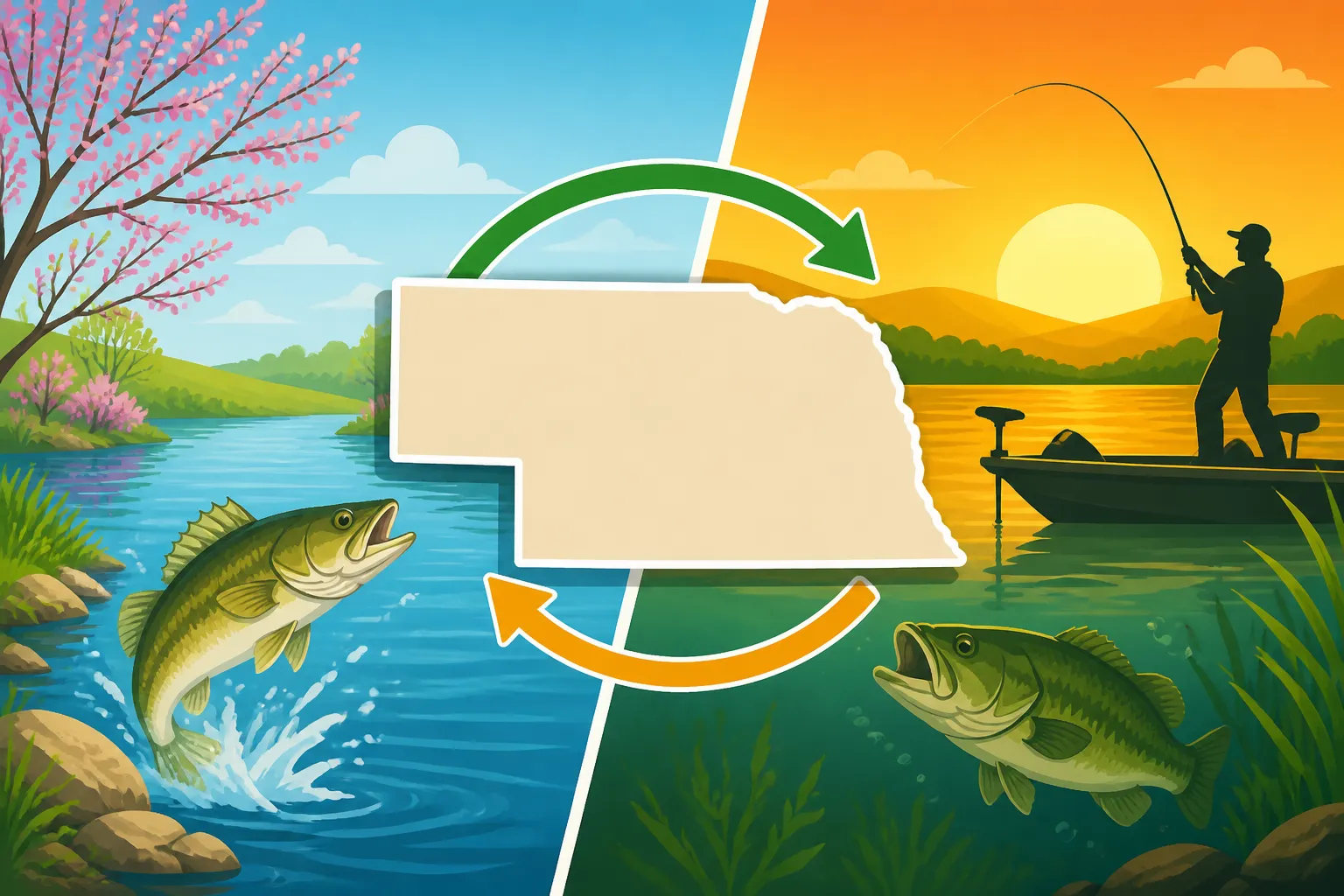
For us Nebraska anglers, there's a unique challenge that comes with the turning of the calendar pages: the transition from spring to summer fishing. What worked perfectly in April might leave you scratching your head by July, and it's a frustration many of us have faced. This guide will walk you through the significant shifts that occur in Nebraska's waters, helping you adapt your strategies, tackle, and mindset to stay on the fish as the seasons change.
Understanding the Seasonal Shift for Nebraska Fish
As spring gives way to the heat of summer, it's not just the air temperature that changes; the entire aquatic environment undergoes a profound transformation. Fish are cold-blooded creatures, meaning their metabolism, activity levels, and even their preferred locations are directly dictated by the water temperature. If you want to keep catching, you need to think like a fish and understand these fundamental environmental shifts.
Water Temperature's Impact on Fish Behavior
When spring rolls in, the water starts to warm up from its chilly winter lows. This is often when fish become more active, moving out of their deep winter haunts into shallower, sun-warmed areas. They're looking for food and preparing for or engaging in their spawning rituals. Think of it as their energy boost – their metabolism kicks into high gear, and they start feeding more aggressively in the relatively comfortable waters. This period is covered in more detail in Spring Fishing in Nebraska.
However, as summer progresses, especially by mid-July and August, those shallow, sun-drenched areas can become almost too hot for many desirable species. The warmer water holds less oxygen, and fish, particularly species like walleye, bass, and crappie, will seek out deeper, cooler water. This often means congregating around structure where cooler water can be found, or moving into areas where springs or current provide some relief. Understanding this fundamental need for cooler, oxygenated water is key to finding them when the mercury rises.
Forage and Food Source Availability
The changing seasons also bring a dramatic shift in what's on the menu for our finned friends. In early spring, insect hatches are just beginning, and many baitfish species are still small or hunkered down. Fish might be more opportunistic, feasting on anything from winter-weary minnows to aquatic invertebrates. As spring gives way to summer, you'll notice an explosion of life in the water.
Summer brings an abundance of juvenile baitfish, larger insect populations, and other aquatic creatures. This means fish have a smorgasbord of options, but it also means they can become pickier. They might follow schools of shad or target specific insect hatches. Understanding these seasonal food source changes helps you choose the right Best Bait for Nebraska Walleye or Best Bait for Nebraska Catfish or lures that imitate their natural prey, making your presentation much more effective.
Spring Fishing in Nebraska: A Time of Transition
Spring fishing in Nebraska is often characterized by dynamic conditions and rapid changes in fish behavior. It’s a season of promise, but also one that requires anglers to be nimble and observant, ready to adjust to whatever the unpredictable Nebraska weather throws their way.
Early Spring Strategies Cold Water & Pre-Spawn
In the early days of spring, when the ice has just melted or the water is still quite chilly (think 40s to low 50s Fahrenheit), fish are often lethargic but beginning to stir. This is typically the pre-spawn period for many species. Walleye, for instance, will begin staging in deeper areas near spawning grounds, often on rocky points or along old creek channels, waiting for water temperatures to reach their ideal spawning range. They're not chasing fast-moving baits yet, but rather looking for an easy meal.
For species like largemouth bass, you'll find them starting to move from their deep winter holes into shallower coves and flats that warm up faster. They're trying to absorb sunlight and kickstart their metabolism. Your best bet here is slow, subtle presentations. Think jigs tipped with a plastic grub, slow-rolled spinnerbaits, or suspending jerkbaits fished with long pauses. Patience is your biggest virtue, as bites can be light and infrequent. A slight twitch might be all it takes to entice a cold-water bite.
Late Spring Strategies Post-Spawn & Warming Waters
As the water continues to warm into the high 50s and 60s, fish will complete their spawning rituals, and this marks a significant shift. Post-spawn fish, especially the females, can be exhausted and need to recover, making them less aggressive immediately after spawning. However, as they regain their strength, they become incredibly active and hungry, trying to put weight back on. You can learn more about this specific period in Nebraska Walleye Spawning Season.
This late spring period, often extending into early June, is when fishing can really heat up. Bass will be cruising the shallow spawning flats, defending their fry, or moving to nearby cover. Walleye, after recovering from their spawn, will often move to shallow main lake points, submerged humps, or weed lines to feed aggressively. Faster retrieves, larger lures like crankbaits or chatterbaits, and even topwater presentations can become incredibly effective as fish are more willing to chase their prey in the increasingly warm water.
Summer Fishing in Nebraska: Adapting to the Heat
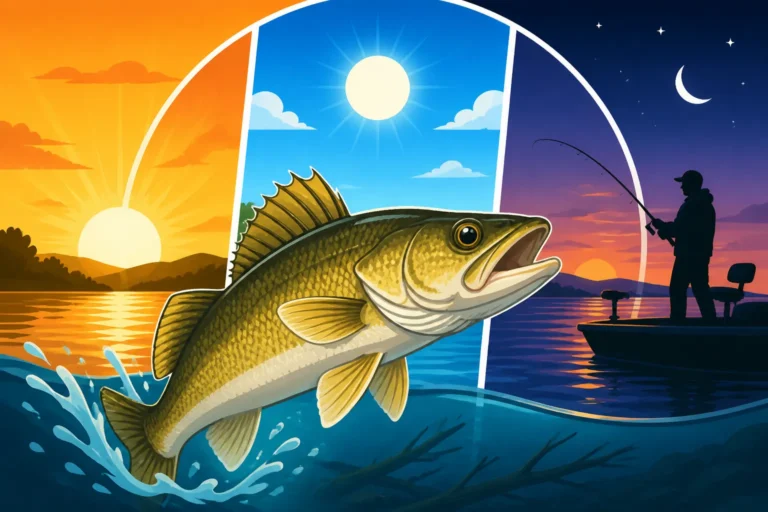
Summer fishing in Nebraska presents its own set of challenges, primarily due to rising water temperatures and intense sunlight. Fish become more particular about when and where they feed, often dictating that anglers adjust their schedules and techniques dramatically.
Deep Water and Low-Light Tactics
When the scorching Nebraska summer sun beats down, many fish species retreat from the shallows. They seek refuge in deeper, cooler, and more oxygenated waters. This is where thermal stratification comes into play in many of our larger reservoirs, forming distinct layers of water with different temperatures. Fish will often hold just above or within the thermocline – the layer where water temperature changes most rapidly. Learning How to Fish Deep Structure for Summer Walleye is crucial here.
This means your daytime fishing often shifts to deeper ledges, submerged roadbeds, main lake points dropping into deep water, or brush piles found in 15-30 feet of water. Techniques like deep cranking, vertical jigging with spoons or heavy jigs, or slowly dragging bottom bouncers with Best Bait for Nebraska Walleye are prime tactics. Alternatively, targeting fish during low-light conditions—dawn, dusk, or especially at night—becomes highly productive. Catfish, in particular, are notorious for their nocturnal feeding binges, and exploring Nebraska Night Fishing Techniques can open up a whole new world of angling success.
Targeting Structure and Cover
Summer fish, in their quest for comfort and an ambush point, become heavily reliant on structure and cover. This isn't just about depth; it's about finding physical features that provide shade, cooler water, or a place to hide from prey. Think about flooded timber in reservoirs like Branched Oak Lake, rock piles, ledges, or even dense weed beds that extend into deeper water. These areas offer the perfect combination of refuge and a buffet of passing baitfish.
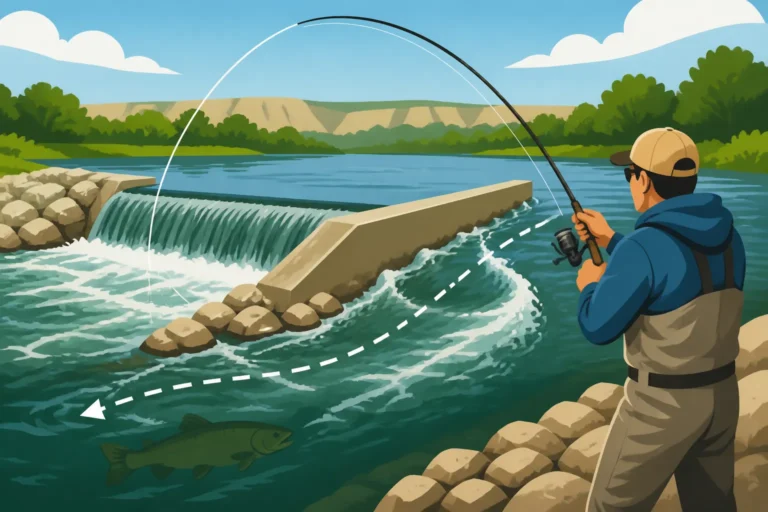
For bass, this might mean flipping jigs into thick mats of vegetation or pitching soft plastics to the shade created by a dock or fallen tree. Walleye will often hug the contours of main lake points or steep breaks, especially those with some rock or gravel. Catfish will relate to similar deep structure but also seek out areas with current, like river bends or below dams, where food is delivered directly to them. Understanding the specific underwater topography and where fish will likely stage is far more critical than simply casting randomly.
Gear and Bait Adaptations for the Changeover
The shift from spring's cooler, more subtle conditions to summer's intense heat and active fish demands a serious reevaluation of your tackle box and rod locker. What worked wonders when the water was cold might be completely ignored when it's warm, and vice-versa.
Lures and Baits: From Subtle to Aggressive
In the spring, especially early on, fish are often sluggish, so delicate presentations and slower moving baits tend to dominate. Small jigs, finesse worms, suspending jerkbaits, and slowly retrieved spinnerbaits are often key. The goal is to present an easy meal that doesn't require much effort from a cold fish. As you move into late spring and the post-spawn period, fish become more active, and you can start experimenting with faster retrieves and more erratic actions.
Come summer, when fish are either deep or highly aggressive during feeding windows, your lure selection will lean towards bigger, faster, and more attention-grabbing options. Deep-diving crankbaits that reach those thermocline depths become vital. Topwater lures, frogs, and buzzbaits shine in low-light conditions or over dense cover for bass. For catfish, heavier weights and larger chunks of cut bait or stink bait fished on the bottom are often the ticket for How to Catch Catfish in Nebraska. It’s a complete switch from subtle nudges to powerful punches, and having a good selection available on Amazon can make all the difference.
Essential Gear for Varying Conditions
Beyond just lures, your entire gear setup might need a tweak. In early spring, lighter lines (6-8 lb monofilament or fluorocarbon) with spinning gear are common for finesse presentations. As the season progresses into summer, you might find yourself opting for heavier lines, especially if you're fishing around dense cover or pulling fish from deeper water. Braided line (20-50 lb test) is often favored for its strength and sensitivity, especially when fishing deep or in weeds. You can find some excellent deals on braided line on Amazon.
Consider your rods too. A sensitive medium-light spinning rod might be perfect for detecting those subtle spring bites, while a heavier, faster action baitcasting rod is better suited for slinging large crankbaits or flipping jigs into heavy cover during summer. Don't forget about other essentials: a good pair of polarized sunglasses to cut the glare and spot submerged structure, a wide-brimmed hat, and plenty of sunscreen become non-negotiable for summer days. Even a portable cooler for keeping drinks cold is a smart addition, readily available on Amazon. Ensuring you have the right Best Rod Setup for Nebraska Walleye or for any species will greatly enhance your success.
Key Differences: Spring vs. Summer Fishing in Nebraska
Let's break down some of the most significant changes you'll encounter as you transition your fishing efforts from spring to summer in Nebraska. Understanding these contrasts will help you prepare and execute more effective strategies on the water.
| Feature | Spring Fishing in Nebraska | Summer Fishing in Nebraska |
|---|---|---|
| Water Temperature | Gradually warming (40s-60s°F), often fluctuating. | Warm to hot (70s-80s°F+), with stable stratification. |
| Fish Location | Moving shallow for spawn, congregating in staging areas. | Retreating to deeper, cooler water, shade, or heavy cover. |
| Fish Activity | Pre-spawn: lethargic, subtle bites. Post-spawn: active, feeding. | Mid-day: often inactive, deeper. Low-light: highly active. |
| Preferred Baits | Finesse jigs, suspending jerkbaits, slow spinnerbaits, live bait. | Deep-diving crankbaits, heavy jigs, topwater, large cut bait. |
| Best Times | Mid-day warming periods often productive. | Early morning, late evening, or night fishing are prime. |
| Target Species | Walleye, bass, crappie, trout (post-stocking). | Catfish, bass (deep/low light), walleye (deep), wipers, panfish. |
| Patience Level | High patience for cold-water bites, slow presentations. | Focus on active windows, quick changes if not productive. |
This table provides a quick reference, but remember, fishing is an art, not an exact science. Adaptability is your best tool. You can find many of these items, from various lures to advanced fish finders, with user reviews on Amazon, helping you make informed choices.
The journey from spring to summer in Nebraska's fishing world is truly a fascinating one. It's a constant dance with nature, requiring observation, patience, and a willingness to adapt. From the subtle bites of pre-spawn walleye in the cool spring waters to the aggressive topwater explosions of summer bass under a setting sun, each season offers its unique rewards. By understanding how the environment and the fish respond to these changes, you're not just fishing; you're truly connecting with the rhythm of Nebraska's incredible outdoors. So, grab your gear, pay attention to the water, and embrace the ever-evolving challenge! Don't forget to check out Nebraska Fishing Regulations Explained before you head out, and consider a Nebraska Annual Fishing Permit for year-round fun.
Disclaimer
This article is for general informational purposes only and does not constitute professional advice. Laws, prices and regulations vary by location and change over time. Consult a qualified professional for guidance on your specific situation.