What Walleye Eat in Nebraska Lakes
It’s a tale as old as time for Nebraska anglers: you're out on the water, targeting those elusive walleye, and sometimes they just aren't biting. You find yourself wondering, "What are they eating today? What's going to tempt them?" Understanding the walleye's natural diet in our diverse Nebraska lakes and rivers is absolutely crucial for becoming a more successful angler. This guide will dive deep into their favorite meals, how their diet changes with the seasons, and how you can use this knowledge to fill your livewell.
The Walleye Diet: An Opportunistic Hunter's Menu
Walleye are fascinating predators, often dubbed "low-light feeders" due to their incredible vision in dim conditions. This unique attribute means they are highly effective at hunting down prey when other fish species are less active. Their diet isn't just about what's available; it's about what's easiest and most nutritious for them to catch during their prime feeding windows.
Primary Forage Fish in Nebraska Waters
When you think about a walleye's ideal meal, you should almost always picture a smaller fish. Nebraska's aquatic ecosystems offer a smorgasbord of baitfish, and walleye definitely have their favorites. These aren't just any small fish; they are typically soft-rayed, easy-to-swallow, and often school in open water or along structural features that walleye frequent.
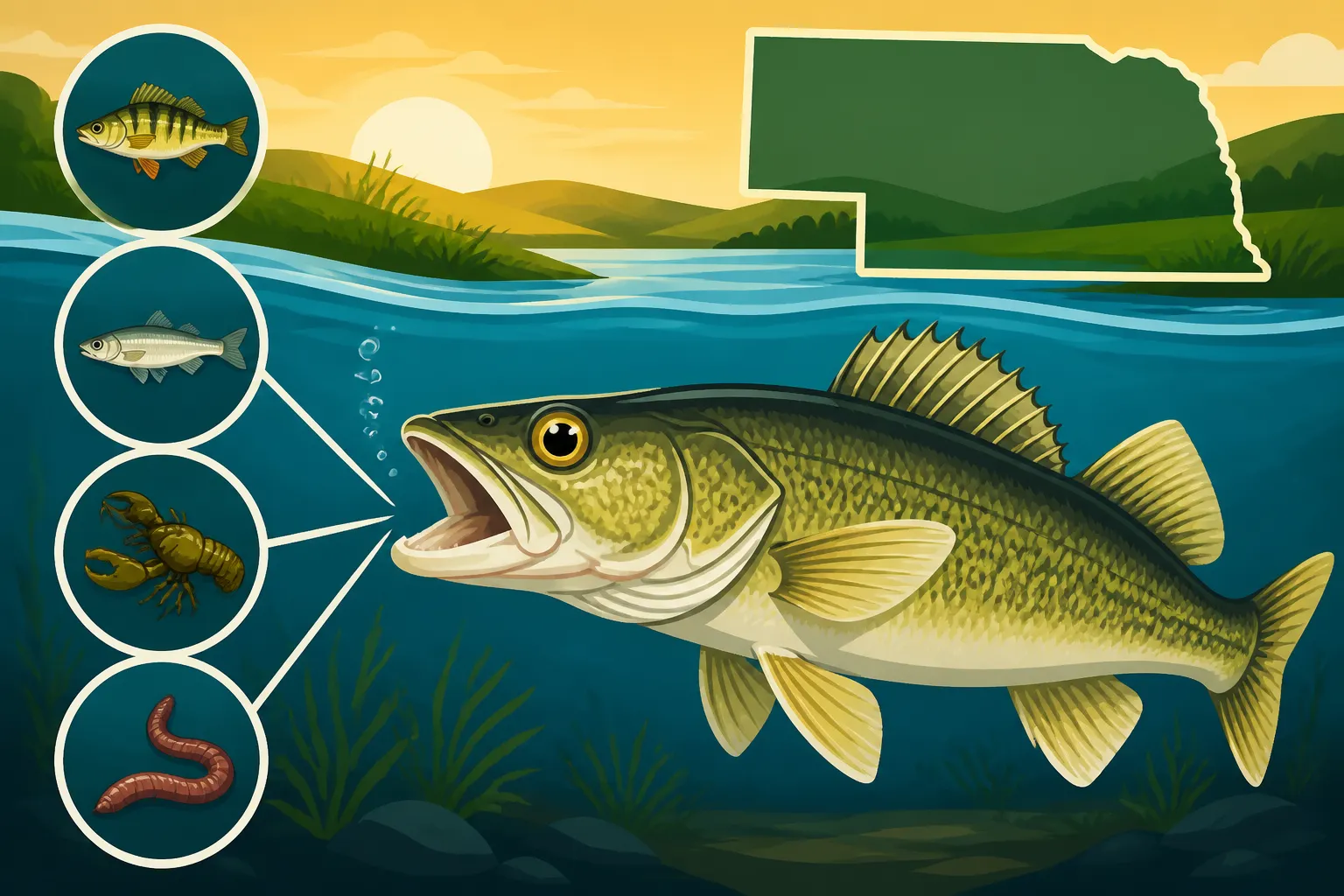
One of the top contenders across many of our larger reservoirs is the gizzard shad. These fish are prolific breeders and form massive schools, making them a readily available and energy-rich food source. Walleye will gorge themselves on shad, particularly when the shad are small enough to be easily consumed. You'll often find that when shad are abundant, walleye can be more challenging to catch because they are already well-fed. Emerald shiners are another crucial baitfish, particularly in clearer waters or river systems. They're slender, silvery, and move in tight schools, providing an easy target for a hungry walleye. Yellow perch, especially juveniles, also make an excellent meal. In lakes where perch thrive, walleye will actively seek them out, often relating to similar structures like weeds or rocky bottoms where young perch hide. Spottail shiners, while perhaps less common than gizzard shad, are still a significant forage base in certain Nebraska lakes and river stretches. Understanding which of these baitfish are dominant in your chosen fishing spot is your first step to matching the hatch.
Beyond Fish: Other Common Food Sources
While fish undoubtedly top the menu, walleye are opportunistic and won't turn their noses up at other protein-packed snacks, especially when baitfish are scarce or less active. These alternative food sources play a significant role in their diet, particularly during specific seasons or in certain habitats.
Crayfish are a prime example. These freshwater crustaceans are abundant in many Nebraska lakes and rivers, often found scurrying along rocky bottoms, under logs, or in weed beds. Walleye will definitely key in on crayfish, especially when they are molting and their shells are soft, making them an easy meal. This is why lures mimicking crayfish, with their distinct pinchers and bottom-dwelling action, can be so effective. Insect larvae, such as mayflies and chironomids (midge larvae), become incredibly important during hatches. While perhaps a smaller meal individually, when they emerge in vast numbers, walleye will shift their attention to them, often feeding higher in the water column or in shallower areas. Leeches are another often-overlooked food source. They are soft-bodied and move enticingly, making them an easy target. Walleye will consume leeches year-round, but they can be particularly effective bait in spring and early summer. When you're fishing and the bite is tough, thinking about these alternative food sources can sometimes be the key to triggering a strike. It's all about understanding what's available and when the walleye might be looking for something different.
Seasonal Shifts and Walleye Feeding Habits
Just like us, walleye's appetites and preferred meals change with the seasons. Water temperature, light levels, and the availability of their prey all play a huge role in what they’re munching on. Adapting your approach to these seasonal shifts is fundamental to consistent walleye success in Nebraska. Ignoring these changes is often why a technique that worked wonders last month suddenly falls flat.
Spring Forage: Post-Spawn Hunger and Shallow Bites
Ah, spring! After the long, cold winter and the energy-draining ordeal of spawning, walleye are hungry. This is a prime time for aggressive feeding as they look to recover energy and build up their fat reserves. In Nebraska, Nebraska Walleye Spawning Season typically sees walleye moving into shallow, rocky areas of lakes or into river currents to lay their eggs. Once the spawn is over, often in late April or early May, they're ready to eat.
During this post-spawn period, walleye often linger in or near these shallower areas, targeting small baitfish that are also moving into the warmer, nutrient-rich shallows. Minnows, young-of-the-year fish, and even emerging insect larvae can be on the menu. They might not be chasing large, fast-moving prey just yet, as their energy levels are still somewhat depleted. Instead, they’re often looking for easy, abundant meals. This is when a slowly retrieved jig and minnow or a smaller crankbait can be incredibly effective. The goal is to present a meal that requires minimal effort to catch and is packed with the calories they need to bounce back from the rigors of reproduction. Focusing on transition areas where shallow flats meet deeper water, or along submerged points, can be particularly productive as walleye slowly transition to their summer patterns.
Summer Forage: Deep Water and Thermoclines
As Nebraska's long, hot summer days arrive, the lakes begin to stratify, forming distinct layers of water with varying temperatures. This often creates a "thermocline" – a zone where the water temperature changes rapidly with depth. Walleye, being cool-water species, will often retreat to the cooler, oxygenated waters below the surface. This means their forage also moves deeper, creating a new challenge for anglers.
During summer, walleye follow their primary baitfish, like gizzard shad or yellow perch, into deeper open water or along the deeper edges of structure. These baitfish often suspend at specific depths within or just above the thermocline, and the walleye will shadow them. They're still opportunistic, but their focus shifts to intercepting schools of baitfish in deeper presentations. Trolling crankbaits at specific depths, using bottom bouncers with crawler harnesses, or vertical jigging over deep structure become key techniques. On some of our larger reservoirs like Lake McConaughy, the sheer volume of baitfish can make them very fat and hard to catch. Lake McConaughy Walleye Fishing can be phenomenal in summer if you dial in the depth and presentation. They're also not above grabbing a plump crayfish if one wanders too close to their cool-water retreat. The key is to think about depth and how the baitfish are relating to the thermocline and other underwater features.
Fall Forage: The Pre-Winter Feast
Fall is an exhilarating time for walleye fishing in Nebraska! As water temperatures begin to cool, walleye enter an aggressive feeding phase, often referred to as the "pre-winter feast." Their biological imperative is to pack on as much fat as possible to sustain them through the lean winter months. This translates to incredibly active and often less finicky fish.
During the fall, walleye will aggressively pursue larger baitfish, making bigger crankbaits, swimbaits, and even larger jigs with soft plastics highly effective. They might move back into shallower areas, especially during low-light conditions, to chase schools of baitfish that are also bulking up. Rivers and feeder creeks can become hotspots as baitfish migrate. Points, humps, and expansive flats near deep water are prime locations. Fall Fishing in Nebraska is all about finding those concentrations of bait and presenting an enticing meal. Don't be afraid to try faster retrieves or more erratic lure actions; walleye in the fall are often willing to expend more energy to catch a substantial meal. This is a fantastic time to chase a trophy walleye, as they are at their heaviest and most active.
Winter Forage: Subtle Bites Under the Ice
When the ice forms over Nebraska's lakes, the walleye's world slows down considerably. Their metabolism drops, and their feeding becomes much less aggressive. This doesn't mean they stop eating entirely, but their meals are typically smaller, require less energy to catch, and their bite can be incredibly subtle. How to Ice Fish in Nebraska effectively means understanding this metabolic slowdown.
Under the ice, walleye will often relate to deep structure, points, or humps, holding just off the bottom. They'll primarily target smaller, slower-moving forage fish like young perch, minnows, or even opportunistic bites on insect larvae like bloodworms. Jigging spoons, small jigs tipped with live minnows or waxworms, and even simple deadsticking techniques are often the most productive. The key is to present a slow, subtle, easy meal. They aren't going to chase a fast-moving lure far, but a small, shimmering spoon or a struggling minnow just under their nose can be irresistible. Many anglers rely on small, scent-infused soft plastics or live bait, such as shiners or fatheads, to coax a bite. Finding those specific feeding windows, often during low-light conditions or specific moon phases, can make all the difference in connecting with these cold-water predators.
Understanding Walleye Feeding Behavior to Improve Your Catch
Knowing what walleye eat is one thing, but understanding why they eat it and how they hunt takes your angling game to a whole new level. Walleye are highly adapted predators, and their unique physiology dictates much of their feeding behavior. Tapping into this knowledge allows you to present your baits and lures in a way that truly mimics their natural prey and triggers a strike.
The Role of Water Clarity and Light Levels
Walleye possess a secret weapon: their highly developed tapetum lucidum, a reflective layer in their eyes that gives them superior vision in low light. This is why you often hear them called "night feeders" or "low-light specialists." This unique adaptation profoundly influences when and where they choose to feed in Nebraska's waters.
In clear lakes, walleye will be most active during dawn, dusk, and even throughout the night. During the bright daylight hours, they often retreat to deeper, darker water or seek refuge in dense cover like weeds, submerged timber, or under boat docks to avoid the intense sunlight. They’ll be much more comfortable hunting when the sun isn't blaring down. Conversely, in stained or murky water, walleye can be active throughout the entire day. The reduced light penetration allows them to use their superior vision to their advantage, even at noon. This means your best fishing times can vary dramatically depending on the specific water body and its clarity. If you're fishing a clear lake on a bright day, focus on deep structure, shadowed areas, or plan your trip for early morning or late evening. If you're on a stained river, don't be afraid to fish aggressively mid-day. Understanding this light sensitivity is critical for timing your fishing trips and selecting your fishing spots.
Mimicking Natural Prey: Bait and Lure Selection
Once you understand what walleye are eating and when they're eating it, the next logical step is to choose baits and lures that effectively mimic that natural prey. This is where your knowledge translates directly into bites. The goal is to present something that looks, acts, or smells like a delicious, easy meal.
If gizzard shad are the primary forage, you'll want to select lures that match their profile, color (silvery or light-colored), and swimming action. Slim crankbaits, soft plastic swimbaits, or even vertical jigging spoons can imitate shad beautifully. For areas where yellow perch are prevalent, lures with a perch pattern, or darker, bulkier profiles, might be more effective. When crayfish are on the menu, especially in rocky areas, a brown or green jig with a plastic trailer that has a flapping action will be hard for a walleye to resist. Best Bait for Nebraska Walleye often involves live bait like minnows or nightcrawlers, which are universal favorites because they represent a natural, easy meal. If you're in the market for some new lures or a quality fish finder to locate those deep-water schools of bait, you can find a vast selection on Amazon. Don't forget to consider the size of your lure – generally, match it to the size of the predominant baitfish. Sometimes, a smaller presentation is key, while at other times, a larger lure for a trophy walleye is what you need. Think about the depth they're feeding at, the water clarity, and the natural movement of their prey, then pick a lure that best imitates those characteristics.
Regional Variations in Walleye Diet Across Nebraska
Nebraska is a state of incredible diversity, from the sprawling Sandhills to the mighty Missouri River. This means that while walleye maintain a core diet, the specifics of what they eat can vary significantly from one body of water to another. Understanding these regional differences is vital for tailoring your approach and maximizing your chances of success, whether you're chasing them in a massive reservoir or a secluded farm pond.
Lake McConaughy and Other Large Reservoirs
When you think of walleye fishing in Nebraska, Lake McConaughy often comes to mind. These large reservoirs, with their vast expanses of open water and deep basins, offer a different kind of buffet for walleye compared to smaller bodies of water. The sheer size and depth create unique ecosystems that favor certain baitfish species.
At Lake McConaughy, walleye famously feast on gizzard shad. The lake's expansive open water allows shad populations to explode, providing an almost inexhaustible food source for walleye, striped bass, and wipers. Anglers often find that successful walleye fishing here means locating those massive schools of shad. Other large reservoirs like Harlan County, Sherman, and Swanson also see significant gizzard shad populations, making them primary forage. In some of these larger impoundments, you might also find other open-water baitfish like young white bass or even alewives, depending on stocking programs. The walleye in these lakes tend to be larger, growing fat on this abundant prey. Fishing techniques often involve trolling crankbaits or spinner rigs with live bait over large areas to cover water and intercept schools of fish. Nebraska Walleye Bag Limits are important to know when fishing these productive waters. The sheer volume of food can make for a healthy, robust walleye population, but it can also make them harder to tempt if they're already gorging themselves.
Sandhills Lakes and Smaller Impoundments
Venture into Nebraska's unique Sandhills region or explore some of the state's smaller, more intimate impoundments, and you'll find a distinct change in the walleye's diet. These waters often lack the vast open-water habitat suitable for huge gizzard shad schools, leading to a different menu for their walleye inhabitants.
In many Sandhills lakes, such as Merritt Reservoir or Calamus, yellow perch become a much more significant part of the walleye diet. These lakes often have good perch populations, and walleye will actively hunt them, often relating to submerged vegetation or rocky bottoms where perch congregate. Minnow species, like fatheads or golden shiners, are also commonly found and eagerly consumed. Insect larvae, such as those from mayflies or caddisflies, can play a larger role here, especially during hatches. Crayfish can also be a more prominent food source due to the clearer water and abundant rocky habitat. This shift in diet often means a change in fishing tactics. Jigging with minnows or plastics that mimic perch, using crawler harnesses, or even throwing smaller crankbaits can be highly effective. Merritt Reservoir Walleye Fishing often involves these types of presentations, targeting structure where these alternative forage species live. The walleye in these smaller waters might not grow as large as their McConaughy counterparts, but they offer exciting, consistent action.
River Systems and Tailwaters
Fishing Nebraska's rivers and reservoir tailwaters for walleye presents yet another unique dietary landscape. The constant current, varying depths, and different bottom compositions create an environment where river-specific baitfish thrive, becoming the primary target for these flowing-water walleye.
In rivers like the Platte or the Missouri, walleye often feed on various shiner species, darters, and smaller suckers that are adapted to river currents. These fish are typically found in eddies, behind current breaks, or along channel edges, which are precisely the spots where walleye ambush their prey. Crayfish also thrive in rocky river bottoms and are a significant part of the diet. Below dams, in what are known as "tailwaters," walleye can gather in large numbers, feeding on baitfish that are stunned or disoriented by the turbulent water flow. Here, anything that resembles a distressed baitfish—like a jig and minnow or a lipless crankbait—can be deadly. Platte River Fishing Guide information often stresses the importance of understanding current seams and structure. River walleye tend to be incredibly strong due to constantly fighting the current, and their diet reflects the hardy forage available in these dynamic environments.
| Forage Type | Primary Habitat | Key Species (Examples) | Key Seasons | Lure/Bait Suggestion (General) |
|---|---|---|---|---|
| Baitfish | Large Reservoirs | Gizzard Shad, Emerald Shiner | Year-Round | Crankbaits, Swimbaits, Jigs |
| Baitfish | Smaller Lakes/Rivers | Yellow Perch, Minnows | Year-Round | Jigs, Crawler Harnesses, Minnows |
| Crustaceans | Rocky Bottoms, Weeds | Crayfish | Spring, Summer, Fall | Jigs with plastic trailers |
| Insects | Open Water, Shallows | Mayfly Larvae, Chironomids | Spring, Summer | Small Jigs, Nymphs (Fly) |
| Annelids | Soft Bottom, Weeds | Leeches | Spring, Summer | Live Leeches, Leech-imitating plastics |
Disclaimer
This article is for general informational purposes only and does not constitute professional advice. Laws, prices and regulations vary by location and change over time. Consult a qualified professional for guidance on your specific situation.