Can You Catch Lake Trout at Merritt Reservoir?
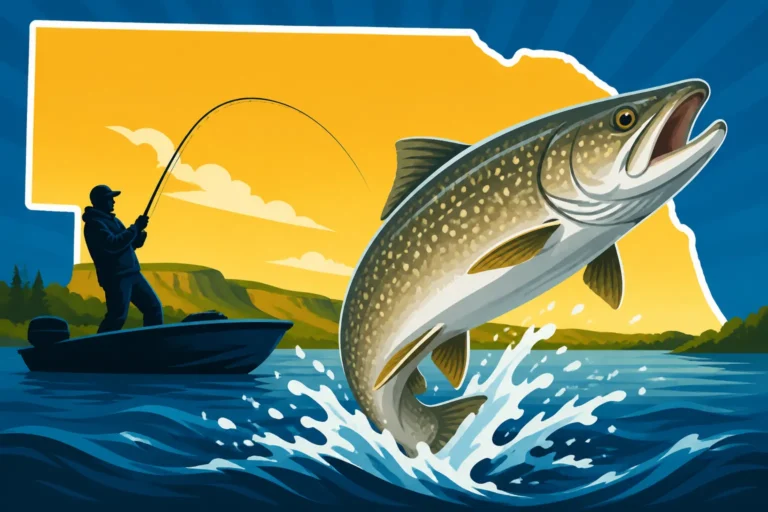
Oh, the elusive Lake Trout in Nebraska! It's a question I hear so often, and it brings up a mix of hope and frustration for many anglers. Most folks picture Lake Trout dwelling in the vast, icy depths of Canada or the Great Lakes, not necessarily our beloved Cornhusker State. But here's the thing: Nebraska actually does offer a unique opportunity to chase these magnificent cold-water fish, and Merritt Reservoir is indeed the crown jewel for doing just that. This guide is here to shed light on everything you need to know about pursuing Lake Trout in Merritt, from understanding their behavior to the specialized gear and techniques required to tempt them.
The Rarity and Reality of Lake Trout in Nebraska
Let's be honest, when most people think of Nebraska fishing, they envision pulling big channel cats from the rivers, jigging for walleye on our massive reservoirs, or maybe even chasing bass in a farm pond. Lake Trout? That's usually met with a quizzical look. But the reality is, Merritt Reservoir in the Sandhills offers a surprising and truly unique cold-water fishery for these deep-dwelling char. It's not a secret, but it's definitely not as widely known or understood as our other popular species.
Why Lake Trout Are Special in Nebraska
Lake Trout (scientific name: Salvelinus namaycush) are part of the char family, distinct from typical trout like rainbows or browns. They are built for cold, deep water, preferring temperatures typically below 55 degrees Fahrenheit. In most parts of Nebraska, our waters simply don't get cold enough or stay deep enough to sustain a reproducing population of Lake Trout. They require very specific conditions, including ample oxygen in those deep, cold zones, and a robust forage base. This makes their presence in Nebraska, and particularly in Merritt, a real anomaly and a testament to the reservoir's unique characteristics. When you hook into one, you're not just catching a fish; you're experiencing a little piece of a much colder, wilder north right here in the plains.
The Nebraska Game and Parks Commission puts considerable effort into managing this unique fishery. They actively stock Lake Trout into Merritt, making it possible for anglers to experience this kind of fishing without traveling hundreds or thousands of miles north. This stocking program is crucial because the conditions, while favorable for survival, aren't typically conducive to widespread natural reproduction for this species in Nebraska. It's a managed fishery, and a precious one at that, offering a distinct challenge and reward for anglers seeking something a bit different.
Merritt Reservoir: A Unique Cold-Water Haven
So, why Merritt Reservoir? What makes this particular body of water stand out among all the other lakes and reservoirs in Nebraska? The answer lies in its depth and the quality of its water. Merritt Reservoir, nestled in the scenic Sandhills, boasts impressive depths that simply aren't found in many other Nebraska lakes. These depths are critical for Lake Trout, providing the cold, oxygen-rich environment they need, especially during our hot Nebraska summers. The deep main basin and various canyons and old river channels offer sanctuary from warmer surface temperatures.
Beyond just depth, the water quality in Merritt is generally excellent. The clear, clean water, fed by groundwater and the Niobrara River tributaries, contributes to a healthy ecosystem that supports not only Lake Trout but also a diverse array of other game fish like walleye, crappie, and northern pike. This combination of deep, cold, oxygenated water and a good forage base (often smaller baitfish like gizzard shad or even juvenile game fish) creates an almost perfect, albeit isolated, habitat for Lake Trout. It's a special place that truly earns its reputation as a unique Nebraska fishing destination. You can learn more about its general offerings in our Merritt Reservoir Fishing Guide.
Understanding Lake Trout Behavior in Merritt Reservoir
To successfully target Lake Trout in Merritt, you really need to get into their heads – or rather, understand their habits. These fish are creatures of comfort, and their comfort zone is almost always tied to temperature and depth. Their movements are highly seasonal, dictated by water temperature and the location of their food source.
Seasonal Movements and Depths
Lake Trout are masters of vertical migration. Their preferred temperature range means they're constantly seeking specific depths throughout the year.
- Spring (Ice-out to early June): Right after the ice melts, Lake Trout can be found relatively shallow, often in the upper 20-40 feet of the water column. They'll be cruising points, humps, and the edges of flats, often feeding aggressively on baitfish that are also moving into shallower areas. This can be a fantastic time for shore anglers or those without specialized deep-water gear, as the fish are more accessible.
- Summer (June to September): As surface temperatures rise, Lake Trout retreat to the deepest, coolest parts of the reservoir. We're talking 60 to 100+ feet, often suspended over old river channels, deep humps, or main lake basins. Finding these fish requires good electronics and the ability to present baits at extreme depths. This is where the challenge really ramps up.
- Fall (October to Ice-up): As water temperatures begin to cool again, Lake Trout will start to move shallower. They become more active and can be found in 30-60 feet of water, often on rocky points or structure. This can be another excellent time to catch them, as they feed heavily in preparation for winter.
- Winter (Ice Fishing Season): Lake Trout are active under the ice! They'll still gravitate towards deeper areas but can be found anywhere from 40 to 80 feet, often relating to structure like underwater islands or drop-offs. Ice fishing for Lake Trout is a thrilling experience, and Merritt is one of the few places in Nebraska where it's truly feasible. You can find more specific winter tips in our Merritt Reservoir Ice Fishing Conditions article.
Understanding these patterns is your first step to success. Don't go looking for them at 20 feet in August, or you'll be disappointed!
What Lake Trout Eat in Merritt
Like any apex predator, Lake Trout have a varied diet, but in Merritt, it primarily revolves around what's available in the deep, open water. Their diet includes:
- Baitfish: This is the primary food source. Gizzard shad are a common forage fish in many Nebraska reservoirs, and Lake Trout will readily target them. Other small baitfish, sometimes even juvenile perch or walleye, can also be on the menu. Matching the size and profile of these prevalent baitfish is key to lure selection.
- Crustaceans and Invertebrates: While less dominant than fish, they will occasionally feed on larger invertebrates found in the deeper water column. However, focusing on imitating baitfish is usually a more productive strategy.
- Smaller Fish: Lake Trout are opportunistic. A smaller panfish or even a struggling juvenile game fish can become a meal if the opportunity presents itself. Their predatory nature means they're constantly on the hunt for protein to sustain their large bodies in cold water.
Knowing their diet helps you choose the right baits and lures. Think about what a baitfish looks like, how it moves, and what color patterns are common in the water. For instance, lures mimicking the silvery flash of a shad are often very effective. The key is presenting something that looks natural and irresistible at the depths where they are feeding.
Essential Gear and Techniques for Merritt Lake Trout
Okay, so you know where they are and what they eat. Now, how do you actually catch them? Lake Trout fishing, especially deep-water trolling or jigging, requires some specialized gear and a patient approach. It’s not your typical crappie setup!
Recommended Rods, Reels, and Line
When targeting Lake Trout, you're often dealing with powerful fish in deep water, which means heavier gear is necessary.
- Rods: Look for medium-heavy to heavy power rods, typically 7 to 8.5 feet in length. For trolling, a rod with a moderate action is ideal as it provides a good cushion against the drag of dodgers or heavy weights and absorbs the shock of a strike without pulling the hooks. For jigging, a fast-action tip on a medium-heavy rod provides sensitivity for detecting bites at depth and enough backbone for a strong hookset.
- Reels: Depending on your technique, you'll want different reels.
- Trolling: A sturdy line-counter baitcasting reel is almost indispensable. These reels allow you to precisely measure how much line you have out, which is crucial for replicating successful depths. They need to have a high line capacity to hold hundreds of yards of line, especially if you're using lead core or copper line.
- Jigging: A robust spinning reel in the 3000-4000 series, or a medium-sized baitcasting reel, is suitable. The key here is smooth drag and enough power to retrieve fish from deep water.
- Line: This is critical for deep-water presentations.
- Braided Line: For jigging, 20-30 lb test braided line is excellent. It has no stretch, offering superior sensitivity for detecting subtle bites in deep water, and its thin diameter cuts through the water better. Always add a 10-20 lb fluorocarbon leader for abrasion resistance and invisibility. You can find high-quality braided lines on Amazon that are perfect for this.
- Monofilament: For downrigger trolling with standard lures, 15-20 lb monofilament is often preferred for its stretch, which acts as a shock absorber.
- Lead Core/Copper Line: For trolling without downriggers, lead core or copper line is used to get lures to depth. These lines are heavy and sink, allowing you to reach fish without additional weights, though they require a very large capacity reel. Each color on lead core usually represents a specific depth at a given speed.
Having the right line is often more important than the rod or reel for hitting those precise depths where Lake Trout reside.
Best Lures and Baits for Lake Trout
Lake Trout are predatory, so lures that mimic baitfish are generally most effective.
- Spoons: Classic trolling spoons like Daredevils, Krocodiles, or Little Cleos in silver, blue/silver, or perch patterns are excellent. They have a wobbling action that imitates a wounded baitfish. Larger sizes, 3-6 inches, are often productive.
- Stickbaits/Minnow Plugs: Trolling deep-diving stickbaits or minnow plugs can also be very effective, especially in spring and fall when fish are slightly shallower. Brands like Rapala Down Deep Husky Jerks or Reef Runners are popular choices.
- Jigs: For vertical jigging, heavy spoons (like the Swedish Pimple or Kastmaster) or tube jigs (4-6 inches) with a lead head are fantastic. Tip them with a piece of cut bait or a soft plastic grub for added appeal. White, pearl, and chartreuse are often good colors.
- Live/Cut Bait: While artificials are popular, nothing beats the real thing sometimes. A large shiner minnow, cisco, or a strip of cut bait (especially from oily fish) presented on a plain hook or under a jig can be irresistible. This is particularly effective when jigging or still fishing over deep structure.
- Dodgers/Flashers: These are not lures themselves but attractors used ahead of a spoon or fly. They create flash and vibration that draw attention, making your trailing lure more noticeable. Brands like Luhr-Jensen Dodgers or various flashers are commonly used.
Experimentation is key, but these are solid starting points for filling your tackle box. You'll find a wide selection of these lures available on Amazon, often in various colors and sizes perfect for dialing in your presentation. Don't forget to check out our Best Lures for Nebraska Bass article for some cross-over ideas, as deep-diving bass lures can sometimes tempt a Lake Trout too.
Trolling and Jigging Strategies
These are the two primary methods for catching Lake Trout in Merritt Reservoir. Each has its place and requires a different approach.
Trolling for Deep-Water Lake Trout
Trolling is probably the most common and effective method for Lake Trout in Merritt, especially during the summer months when they are deepest. The goal is to cover large expanses of water and present your lure at a consistent depth where the fish are holding.
- Downriggers: These are mechanical devices that use a heavy ball weight and a release clip to carry your lure down to a precise depth. Once a fish strikes, the line releases from the clip, and you fight the fish directly. Downriggers allow you to use lighter line and smaller lures than you could without them, and they are invaluable for targeting suspended fish.
- Lead Core/Copper Line: As mentioned earlier, these heavy lines sink on their own. Each "color" (usually 10 yards) of lead core sinks approximately 5 feet at a trolling speed of 2 mph. So, if you want to fish at 50 feet, you'd let out 10 colors. It's less precise than downriggers but effective. You need a large reel for this.
- Heavy Weights/Diver Planers: Using heavy inline weights (often 8-16 ounces) or diver planers (like a Dipsy Diver) can get lures down. These are less precise than downriggers but more flexible than lead core for shallower depths or targeting specific contours.
- Speed and Pattern: Lake Trout often prefer slower trolling speeds, typically 1.5 to 2.5 mph. Experiment with S-turns or gentle curves; these changes in speed and lure depth can often trigger strikes. Pay close attention to your fish finder to identify schools of baitfish or arches that indicate Lake Trout.
Vertical Jigging for Lake Trout
Jigging is a more active, hands-on approach and can be particularly effective when you've located a school of fish on your electronics, or during the ice fishing season.
- Locate the Fish: Use a quality fish finder to pinpoint Lake Trout or baitfish schools, often suspended directly over deep structure or in the main basin. Many modern fish finders available on Amazon offer excellent deep-water capabilities.
- Depth Control: Drop your jig directly down to the depth where you see fish. Use a heavy jig (1/2 oz to 2 oz+) to get it down quickly and maintain contact with it in deep water or current.
- Jigging Action: The key is to impart an enticing action. Lift the rod tip sharply 2-4 feet, then let the jig flutter back down on a semi-slack line. Most strikes occur on the fall. Vary your retrieve, trying aggressive rips followed by pauses, or more subtle lifts and drops. Sometimes a simple dead stick, just holding it still, can be the ticket.
- Bait Tipping: Tipping your jig with a minnow head, a small piece of cut bait, or even a Berkley Gulp! Alive minnow can add scent and visual appeal, often making the difference between a look and a bite.
Whether you choose to troll or jig, patience and persistence are crucial. Lake Trout fishing can be a grind, but the reward of a powerful fight from the depths is absolutely worth it.
Planning Your Merritt Reservoir Lake Trout Trip
A successful Lake Trout trip to Merritt isn't just about the right gear; it's about preparation and understanding the rules.
Best Times of Year to Fish
As we discussed, Lake Trout movements are highly seasonal. Here’s a quick summary of the best times to target them:
| Season | Typical Depth Range (Approximate) | Preferred Techniques | Activity Level | Notes |
|---|---|---|---|---|
| Spring | 20-40 feet | Trolling, Casting | High | Post-ice out, fish are actively feeding and more accessible. |
| Summer | 60-100+ feet | Deep Trolling, Jigging | Moderate | Fish are deep, requiring specialized gear like downriggers or heavy jigs. |
| Fall | 30-60 feet | Trolling, Jigging | High | Water cools, fish move shallower and feed aggressively. |
| Winter | 40-80 feet (under ice) | Ice Jigging | Moderate | Excellent opportunity for dedicated ice anglers. Check Merritt Reservoir Ice Fishing Conditions. |
Generally, late spring (May-early June) and fall (October-November) offer the most accessible and often the most aggressive fishing for Lake Trout. Summer requires the most specialized deep-water gear and techniques, but can still be highly productive for those prepared.
Important Regulations to Know
Fishing in Nebraska, especially for a managed species like Lake Trout, comes with rules you absolutely must follow. Ignoring them can lead to hefty fines and loss of fishing privileges.
- Fishing License: First and foremost, you need a valid Nebraska fishing license. If you're from out of state, ensure you have a Nebraska Nonresident Fishing License Guide.
- Trout Stamp: In addition to your regular fishing license, you will need a Nebraska Trout Stamp if you intend to fish for or keep trout, including Lake Trout. This helps fund the stocking and management programs that make this fishery possible. Learn more in Nebraska Trout Stamp Requirements.
- Daily Bag and Possession Limits: Lake Trout will have specific daily bag and possession limits. These numbers can change, so always consult the most current Nebraska Fishing Guide or the Nebraska Game and Parks Commission website before your trip. Pay close attention to any length limits as well; sometimes only fish within a certain slot limit can be kept, or there might be a maximum size limit on trophy fish.
- Method of Take: Ensure your chosen fishing method is legal for Lake Trout. While trolling and jigging are generally allowed, always double-check for any specific restrictions.
I can't stress this enough: always consult the official Nebraska Game and Parks Commission regulations before you head out. They are the ultimate authority, and regulations can change annually. Our Nebraska Fishing Regulations Explained article offers a broader overview, but specifics for individual species are paramount.
Access and Amenities
Merritt Reservoir is a popular destination, so it offers good access and amenities for anglers.
- Boat Ramps: There are several boat ramps around the reservoir, making it easy to launch various types of fishing boats suitable for big water. Remember to ensure your boat is properly registered and equipped according to Nebraska Boat Registration and Fishing Rules.
- Camping: Multiple campgrounds are available, ranging from primitive sites to those with electrical hookups. This allows for multi-day trips, giving you ample time to explore the vast waters of Merritt.
- Marina/Supplies: The Merritt Reservoir State Recreation Area often has a marina or concession area where you can purchase bait, tackle, fuel, and other supplies. It's always a good idea to call ahead to confirm availability, especially if you're looking for specific items like large shiner minnows.
- Lodging: While camping is popular, there might be cabin rentals or lodges nearby, as well as towns like Valentine that offer more traditional lodging and dining options.
Merritt Reservoir is truly a jewel in Nebraska's fishing crown, offering a unique opportunity to chase a species usually reserved for more northern latitudes. It's a challenge, but with the right preparation, gear, and understanding, you can absolutely enjoy the thrill of catching Lake Trout in the heart of the Sandhills.
Disclaimer
This article is for general informational purposes only and does not constitute professional advice. Laws, prices and regulations vary by location and change over time. Consult a qualified professional for guidance on your specific situation.