What Fish Are Stocked in Nebraska Urban Ponds
It can feel a bit daunting to head out to your local city pond, tackle box in hand, and wonder, "What exactly am I going to catch here?" Many of us picture vast reservoirs or winding rivers when we think of fishing in Nebraska, but those convenient urban ponds are fantastic resources, especially for families and beginners. This guide is here to take the guesswork out of it, revealing exactly what fish species the Nebraska Game and Parks Commission (NGPC) typically stocks in those accessible urban fishing program ponds, so you can plan your day with confidence.
Understanding Nebraska's Urban Fishing Program
Nebraska's urban fishing program is a true gem, designed with the everyday angler in mind. It's a lifeline for those of us living in or near cities who might not have the time, equipment, or means to travel to larger, more remote fishing destinations. The whole idea is to bring the fishing experience directly to you, making it as easy and enjoyable as possible.
The "Put-and-Take" Philosophy
At its core, Nebraska's urban fishing program operates on a "put-and-take" philosophy, particularly for certain species. This means that fish are regularly stocked into designated ponds with the expectation that they will be caught by anglers in a relatively short timeframe. It's not always about creating self-sustaining ecosystems in these smaller bodies of water; it's about providing consistent fishing opportunities and a high chance of success. The Nebraska Game and Parks Commission takes great care in managing these waters to ensure there's always something biting. Think of it as a well-maintained, easily accessible fishing experience tailored for immediate gratification. You won't have to spend hours trying to locate fish that might be spread out over miles of water; they're concentrated here for your enjoyment. It's truly a wonderful way to get out and enjoy the sport without the typical frustrations of a slow day.
Benefits for City Anglers
The benefits of these urban ponds for city anglers are absolutely huge. First and foremost is the sheer convenience. Imagine being able to grab your rod and be at a fishing spot within minutes of leaving your home, rather than packing up the car for a multi-hour drive. This accessibility makes fishing a spontaneous activity, perfect for an hour after work or a quick weekend outing with the kids. It’s a fantastic way to introduce youngsters to fishing because the chances of catching something are much higher, keeping their interest piqued. You don't need a fancy boat or expensive electronics; often, a simple spinning rod and a handful of basic baits are all you need. These ponds are often designed with easy bank access, fishing piers, and amenities like restrooms and picnic areas, making them truly family-friendly destinations. Plus, for many, it's a chance to connect with nature and unwind without leaving the city limits. Before you head out, remember to brush up on the general rules with our Nebraska Fishing Regulations Explained guide.
Primary Fish Species Stocked in Nebraska Urban Ponds
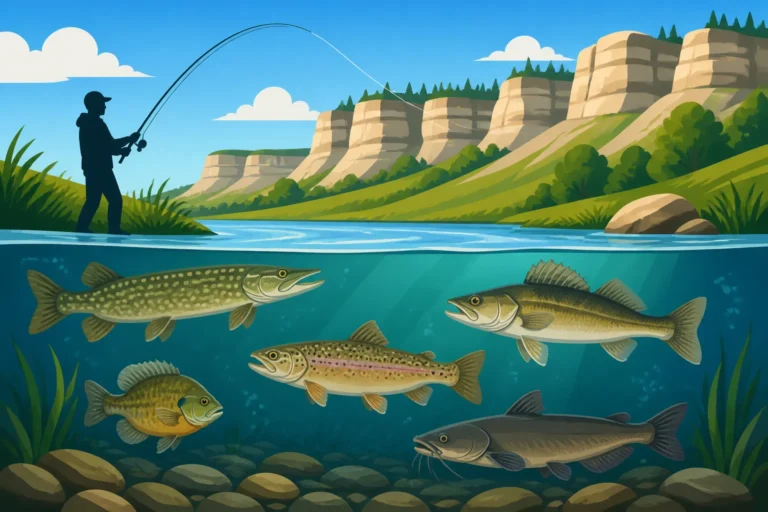
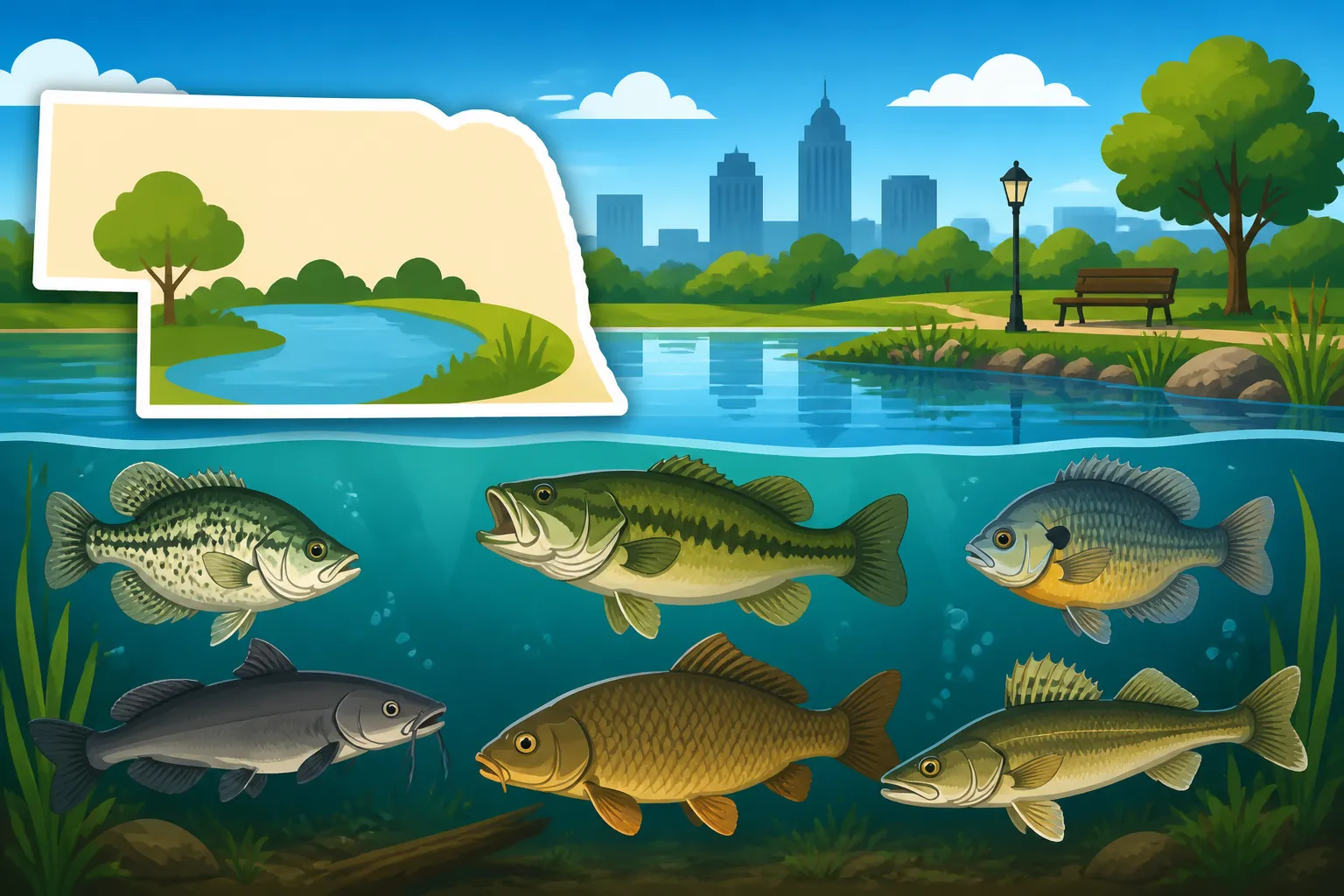
When you visit a Nebraska urban pond, you'll generally encounter a few key species that are the backbone of the stocking program. Each species serves a different purpose, often tied to the season or the type of angling experience the program aims to provide.
Channel Catfish – The Summer Staple
Channel catfish are hands-down the stars of Nebraska's urban ponds, especially during the warmer months. These resilient fish are stocked frequently and in good numbers from late spring through early fall, providing consistent action when many other species become less active in the heat. You'll often find them stocked at a decent eating size, usually between one to five pounds, which means a fun fight on light tackle and a tasty meal if you choose to keep them. They're known for their strong pull and willingness to bite a variety of baits, making them incredibly popular.
Anglers targeting channel cats in urban ponds typically use simple bottom-fishing rigs with baits like nightcrawlers, chicken liver, stink bait, or even cut bait. A small treble hook or a wide-gap circle hook, a sinker heavy enough to hold bottom, and a bobber or bell for bite detection are often all you need. These fish cruise the pond bottom, often congregating near deeper holes, submerged structure, or areas where anglers have been chumming (check local regulations on chumming, of course!). For a good selection of durable catfish rigs, hooks, and even pre-made stink baits, it's easy to find a wide array of options on platforms like Amazon. They offer a ton of different brands and styles that hold up well to the fight of a strong channel cat. For more detailed strategies, check out our guide on How to Catch Catfish in Nebraska.
Rainbow Trout – The Cold-Water Favorite
When the leaves start to turn and the air gets crisp, rainbow trout become the reigning champions of Nebraska's urban ponds. These beautiful, hard-fighting fish are stocked primarily in the fall, throughout the winter, and into early spring, when water temperatures are cool enough for them to thrive. The NGPC typically stocks thousands of trout during these periods, providing a fantastic "put-and-take" fishery that’s incredibly popular for ice fishing or open-water angling on milder winter days. They’re stocked at catchable sizes, often ranging from 10 to 14 inches, making them perfect for a fresh meal.
Targeting rainbow trout in these urban settings is often straightforward. PowerBait in various colors (especially chartreuse, orange, or rainbow), small worms, corn, or tiny spinners and spoons are all very effective. A light spinning rod with 4-6 lb test line, a small hook, and a split shot or very light sinker is usually all you need. You can fish them suspended under a bobber or on the bottom. For a reliable supply of PowerBait or small trout-specific spinners, Amazon is a convenient place to stock up before your next cold-weather outing. Just remember, these trout are put in for you to catch, so don't be shy about trying different presentations! For more on specific trout techniques, our Trout Fishing in Nebraska article has some great ideas.
Bluegill and Other Sunfish – Year-Round Fun
While not always "stocked" in the same intensive way as catfish or trout, bluegill and other panfish like green sunfish are almost universally present and thriving in Nebraska's urban ponds. These species often have naturally reproducing populations that maintain themselves, but occasionally, the NGPC might supplement their numbers to boost the fishery. They are incredibly important, especially for introducing kids to fishing, as they are often abundant, eager to bite, and provide constant action.
Bluegill are fantastic for teaching patience and the basics of angling. A simple bobber rig with a tiny hook (size 8 or 10), a small worm, piece of nightcrawler, or even bread will usually do the trick. They tend to hang out around weed beds, submerged structures, or drop-offs. If you're planning a trip with children, bluegill are your best bet for consistent catches and happy memories. Plus, they can be surprisingly feisty on ultralight tackle! For tips on catching these plentiful panfish, check out How to Catch Bluegill in Nebraska Ponds. Remember, Do Kids Need a Fishing License in Nebraska? is a good read before heading out with the younger anglers.
Largemouth Bass – The Elusive Resident
Largemouth bass are also common residents of Nebraska's urban ponds, though they aren't typically part of the high-volume "put-and-take" stocking program in the same way as catfish or trout. Instead, many urban ponds have established, naturally reproducing populations of largemouth bass that were either initially stocked years ago or migrated in from connected waterways. These bass serve an important ecological role as predators, helping to control smaller fish populations, and they offer a thrilling challenge for anglers.
Catching bass in an urban pond can be a bit more nuanced than catching a stocked cat or trout. They are often more wary and require a bit more finesse and targeted presentation. Look for them around cover like lily pads, submerged brush, fallen trees, or dock pilings. Soft plastic worms, jigs, spinnerbaits, and small crankbaits can be effective. Many anglers practice catch-and-release with bass in these smaller ponds to help maintain the population, especially for larger fish. If you're looking to upgrade your bass lure selection, Amazon offers an enormous variety of soft plastics, spinnerbaits, and crankbaits to tempt even the most finicky urban bass. Don't forget to practice Catch and Release Best Practices in Nebraska to keep these populations healthy.
Seasonal Stocking Schedules and What to Expect
Understanding the seasonal flow of stocking is key to maximizing your success and knowing what to expect on any given trip to an urban pond. The Nebraska Game and Parks Commission strategically plans these stockings to coincide with the species' optimal water temperature tolerances and angler demand.
Spring Stocking – Trout Transition and Catfish Introduction
Spring is a season of transition and excitement for Nebraska urban pond anglers. In the early spring, you'll still find good numbers of rainbow trout from the winter stockings, especially as water temperatures remain cool. This is a prime time to target lingering trout before the water warms too much for them. As the spring progresses and water temperatures begin their steady climb, the focus shifts. The NGPC will gradually phase out trout stockings and begin the introduction of channel catfish. This means for a window in mid-to-late spring, you might have the unique opportunity to catch both trout and catfish on the same outing! It's a fantastic time to experiment with different baits and techniques. Many anglers enjoy the challenge of targeting multiple species in one place, and the milder weather makes for a very comfortable day by the water.
Summer Stocking – Catfish Dominate
Once summer truly sets in and water temperatures are consistently warm, channel catfish become the dominant stocked species in Nebraska's urban ponds. The NGPC ensures a steady supply of catfish throughout the summer months, making these ponds a reliable spot for action. While other species like bluegill will be very active, and bass will be present, the consistent stocking of catfish means you can almost always count on them for a bite. This is the perfect time for family fishing trips, as the warm weather and predictable catfish action make for a very enjoyable experience. Catfish are robust and handle the warmer water well, continuing to feed actively. Remember to bring plenty of bait and enjoy the bounty!
Fall Stocking – The Return of Trout
As summer gives way to the cooler temperatures of fall, there's a palpable excitement among urban anglers: the return of rainbow trout. Fall stockings mark a significant shift, as thousands of trout are released into the ponds, reinvigorating the fishery. This is arguably one of the most popular times to visit urban ponds, as the freshly stocked trout are often aggressive and eager to bite. The crisp air, colorful foliage, and lively fishing make for an idyllic outdoor experience. Whether you prefer PowerBait, worms, or small spinners, the fall trout bite is usually fantastic. It's also a great opportunity to catch some beautiful, healthy fish for dinner.
Winter Fishing – Ice and Open Water Trout
Nebraska winters can be a bit unpredictable, but when conditions allow, urban ponds offer fantastic ice fishing opportunities for rainbow trout. Once the ice is safely thick enough, anglers flock to these ponds with augers and tip-ups, jigging for trout. Even in milder winters, when solid ice doesn't form, the consistent cold water temperatures mean open-water trout fishing remains excellent throughout the season. These ponds are managed specifically for winter trout fishing, providing a much-needed angling outlet during the colder months. Always prioritize safety when considering ice fishing – understanding ice thickness and conditions is paramount. You'll definitely need the appropriate permit, so it's a good idea to check out the Nebraska Ice Fishing License Requirements beforehand.
| Fish Species | Primary Stocking Season | Typical Size Stocked | Common Baits/Lures | Notes |
|---|---|---|---|---|
| Channel Catfish | Late Spring – Early Fall | 1-5 lbs (catchable size) | Worms, cut bait, chicken liver, stink bait | Excellent fighters, good eating, consistent action in warm water. |
| Rainbow Trout | Fall – Early Spring | 10-14 inches | PowerBait, worms, corn, small spinners/spoons | High success rate, popular for cold weather and ice fishing. |
| Bluegill/Sunfish | Year-round (self-sustaining/supplemented) | Pan-size (5-8 inches) | Worms, small jigs, bread | Great for kids and beginners, abundant, eager biters. |
| Largemouth Bass | Year-round (natural population) | Varies (up to several lbs) | Soft plastics, crankbaits, jigs, spinnerbaits | Sport fish, often catch-and-release, provide a challenge for anglers. |
Tips for Maximizing Your Urban Pond Fishing Experience
Fishing urban ponds in Nebraska is all about convenience and consistent action, but a few simple tips can truly elevate your experience from good to great. These small adjustments can make a big difference in your success and enjoyment.
Checking Stocking Reports
One of the absolute best things you can do to boost your chances of success at an urban pond is to regularly check the stocking reports. The Nebraska Game and Parks Commission is excellent about sharing this information, usually through their official website or social media channels. They'll often post details on which ponds have been stocked, with what species, and sometimes even the dates. This is like getting a sneak peek into where the action is hottest! Knowing when and where fresh fish have been introduced means you can time your visit for peak activity, often shortly after a stocking. This information can be a game-changer, turning a slow day into a memorable one. Don't go in blind; a quick check can make all the difference. For specific locations and recent updates, look up Nebraska Urban Fishing Program Stocked Ponds Near Me.
Gear Up Appropriately
You really don't need a tackle shop's worth of gear to have a fantastic time at an urban pond. The beauty of these accessible fisheries is that simple, light tackle is often the most effective. A basic 6 to 7-foot spinning rod and reel combo with 6-8 pound monofilament line is incredibly versatile for all the common species you'll encounter – from feisty bluegill to strong catfish and rainbow trout. You'll want a selection of small hooks (sizes 6-10), a few bobbers, some split shot weights, and maybe a couple of small spoons or spinners. For bait, nightcrawlers, corn, and PowerBait are usually sufficient. Don't overcomplicate it; these fish are often less wary than those in heavily pressured, larger waters. If you're just starting out or looking for an affordable, reliable setup, Amazon has a wide selection of Best Rod and Reel Combo for Beginners in Nebraska that will serve you well without breaking the bank. Keeping your gear simple also means less to carry, which is perfect for a quick trip to a city park.
Ethical Angling and Conservation
While urban ponds are designed for high catch rates, it's incredibly important to practice ethical angling and conservation to keep these resources healthy and enjoyable for everyone. Always be mindful of posted catch limits for each species; these limits are in place for a reason and help manage the fish populations. When you decide to keep fish, only take what you will genuinely use, and consider releasing larger fish, especially bass, to maintain a healthy breeding population. Disposing of trash properly is non-negotiable – pack out everything you pack in, and perhaps even a little extra. Leaving discarded fishing line or bait containers not only pollutes the environment but can also harm wildlife. These urban ponds are shared spaces, often located within city parks, so respecting other park-goers and keeping noise levels down is also part of being a good angler. By being responsible, we ensure these fantastic, convenient fishing opportunities remain vibrant for years to come.
Disclaimer
This article is for general informational purposes only and does not constitute professional advice. Laws, prices and regulations vary by location and change over time. Consult a qualified professional for guidance on your specific situation.