What Fish Species Are in Merritt Reservoir
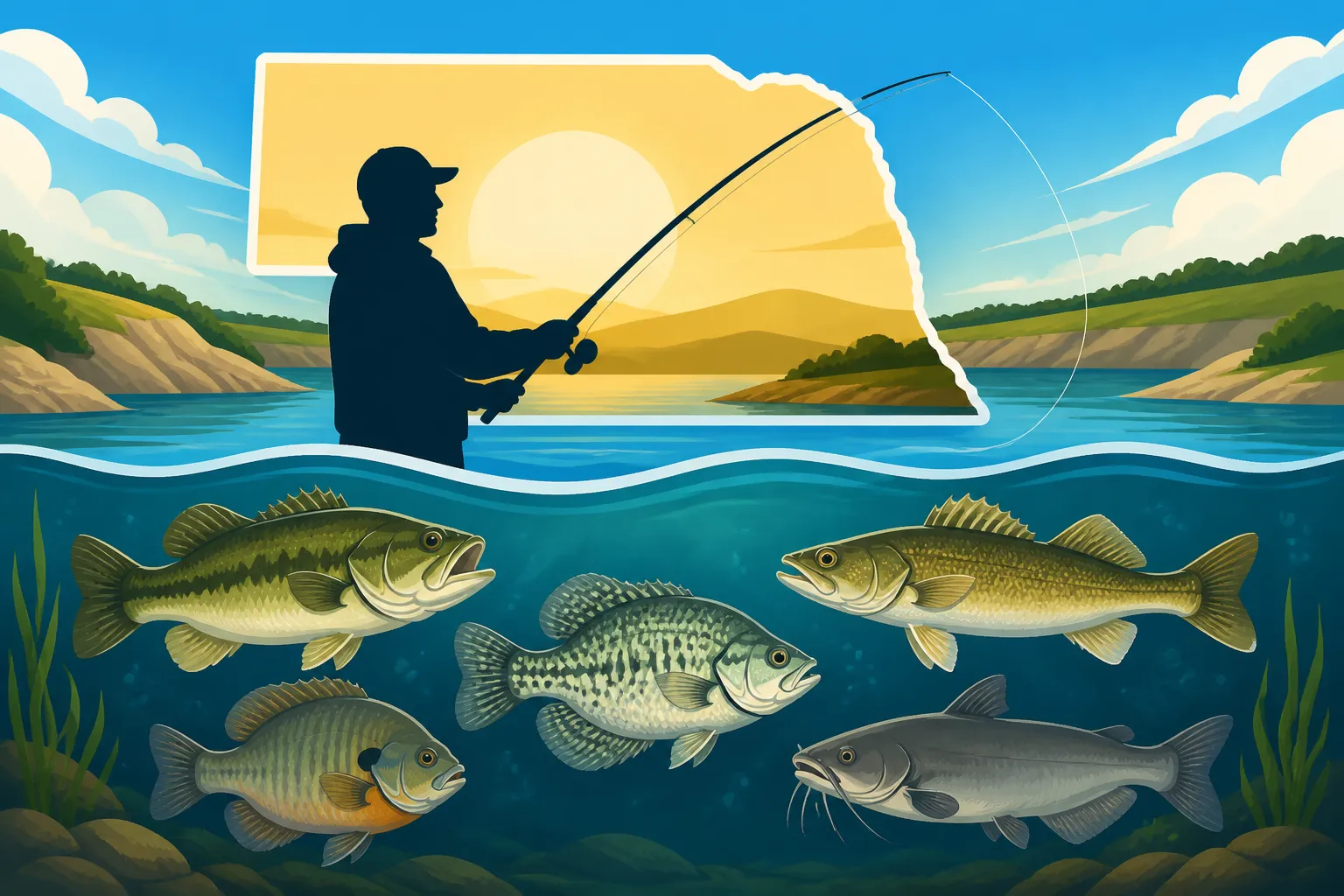
It's always exciting to dream about what might be lurking beneath the surface of a new fishing spot, and when that spot is a legendary Nebraska gem like Merritt Reservoir, that curiosity really takes hold! Nestled deep in the Sandhills, Merritt isn't just a pretty face; it's a vibrant aquatic ecosystem teeming with a diverse array of fish species that draw anglers from all over. If you've been wondering what kind of finned friends you might encounter on your next trip or if you're trying to figure out what gear to pack, you've come to the right place. This comprehensive guide will peel back the curtain on Merritt's underwater world, helping you understand the magnificent fish that call it home, and how you can best target them for a memorable experience.
The Legendary Walleye and Muskie of Merritt Reservoir
Merritt Reservoir holds a special place in the hearts of many Nebraska anglers, and much of that reverence comes from the incredible game fish populations it supports, particularly its walleye and muskie. These two species offer distinct challenges and rewards, making Merritt a truly unique destination.
Merritt's Walleye Reputation: More Than Just a Pretty Fillet
When you talk about walleye fishing in Nebraska, Merritt Reservoir often comes up in the very next breath. This isn't by accident; Merritt has earned its reputation as a premier walleye lake for several compelling reasons. The reservoir's relatively clear, clean water, fed by natural Sandhills springs, provides ideal conditions for walleye to thrive. This clarity, combined with an abundant forage base of shad, minnows, and yellow perch, means Merritt walleye are typically healthy, strong, and can grow to impressive sizes.
Anglers often find success targeting Merritt's walleye throughout the seasons. In the spring, after the ice recedes, walleye move shallower, often congregating on rocky points, submerged humps, and along the dam face as they prepare to spawn. This is a fantastic time for jigging with minnows or soft plastics, or slowly trolling crankbaits or crawler harnesses along structure. As the water warms in summer, walleye tend to move deeper, seeking cooler temperatures and remaining close to the thermocline. They can be found relating to deep points, underwater islands, and channel edges. This is when aggressive trolling with deep-diving crankbaits or snap-jigging heavy spoons over structure can be incredibly effective. Don't forget that walleye are often most active during low-light conditions, so dawn, dusk, and even night fishing can yield fantastic results. Many experienced anglers dedicate entire trips to unlocking the secrets of these nocturnal feeders. For more specific insights, you'll definitely want to check out Merritt Reservoir Walleye Fishing.
The Elusive Muskellunge Challenge: Chasing the Fish of 10,000 Casts
If walleye are the bread and butter of Merritt, then the muskellunge, or muskie, is the exotic, highly sought-after delicacy. Merritt Reservoir isn't just a muskie lake in Nebraska; it's the muskie lake. This is where dedicated muskie anglers come to test their patience and skill against one of freshwater's most formidable predators. Muskie fishing is often called the "fish of 10,000 casts" for a reason – they are notoriously difficult to catch, but the reward of hooking into one of these toothy titans is unparalleled.
Muskie are ambush predators, perfectly camouflaged to hide among submerged timber, dense weed beds, and rocky outcroppings. They lurk, waiting for an unsuspecting baitfish or even a duckling to swim by before exploding in a burst of speed. Their size is legendary, with many fish pushing into the 40-inch range, and some even larger. The fight they put up is equally legendary, often involving powerful runs, head shakes, and acrobatic jumps that can leave an angler breathless.
Targeting muskie in Merritt requires specialized gear and a significant commitment. Heavy-duty casting rods, robust baitcasting reels, and strong braided line are essential to handle the massive lures often used and the sheer power of the fish. Large crankbaits, spinnerbaits, bucktails, and soft plastic swimbaits are common offerings. Patience is paramount, as hours can pass without a strike. However, the sheer anticipation and the explosive, often boat-side strike of a muskie make every cast worth it. If you're considering taking on this epic challenge, be sure to read up on Merritt Reservoir Muskellunge Fishing Tips and understand What a Muskellunge Is and Where They Live in Nebraska. Gathering insights on muskie behavior, preferred habitats, and effective presentation techniques from dedicated muskie fishing resources found on platforms like Amazon can significantly improve your odds.
Abundant Panfish and Bass Populations
While walleye and muskie might grab the headlines, Merritt Reservoir also boasts incredibly healthy populations of panfish and bass, offering fantastic opportunities for anglers of all skill levels, from seasoned veterans to families with young children just learning the ropes.
Crappie: A Spring and Fall Favorite for Family Fun
Merritt is a fantastic crappie lake, offering both black and white crappie. These schooling fish are often among the first species to become active in the spring, making them a popular target for early-season anglers. When the water temperatures start to climb into the 50s and 60s, crappie move into shallower, protected coves and bays to spawn. You'll find them congregating around submerged brush piles, standing timber, docks, and rocky shorelines. This is an excellent time to target them with small jigs tipped with minnows or soft plastics, or by slowly drifting live minnows under a bobber.
As summer progresses, crappie will often move to deeper structure, suspending over submerged humps or along creek channels. They'll follow their forage, so keeping an eye on your fish finder for bait balls is key. Come fall, as temperatures drop again, crappie will often form large schools and feed aggressively in preparation for winter, making for another fantastic fishing period. They are relatively easy to catch, put up a fun fight on light tackle, and are absolutely delicious on the dinner table. If you're planning a trip with kids or just enjoy consistent action, crappie should definitely be on your list. Understanding the nuances between these two species can also be helpful; check out How to Tell a Black Crappie From a White Crappie for more details on identifying your catch. You can find excellent resources on crappie fishing techniques and bait selection on retail sites like Amazon, which often stock a wide range of small jigs and soft plastic baits perfect for these panfish.
Largemouth Bass: The Structure Lurkers of Merritt
Merritt Reservoir offers a solid largemouth bass fishery, especially in its shallower, more vegetated arms and coves. Largemouth bass are typically structure-oriented fish, meaning they love to hide in places where they can ambush prey. In Merritt, this includes riprap shorelines, areas with flooded timber, extensive weed beds, and rocky points. They are powerful fighters and are known for their explosive strikes, particularly on topwater lures during low-light conditions.
Spring finds largemouth moving into the shallows to spawn, making them accessible to bank anglers and those working the shoreline from a boat or kayak. This is a prime time for using spinnerbaits, jigs, and soft plastic worms around cover. In the heat of summer, bass often retreat to deeper, cooler water during the day, becoming more active at dawn, dusk, and night. Look for them on deeper points, humps, and submerged timber. Fall can bring another surge of activity as bass feed heavily before winter, often found moving into shallower flats adjacent to deep water. Understanding their seasonal movements and preferred habitat is key to consistent success. For a broader overview of tactics, consider reading Largemouth Bass Fishing in Nebraska.
Other Panfish: Bluegill and Yellow Perch
Beyond crappie, Merritt is also home to healthy populations of bluegill and yellow perch. These smaller panfish are fantastic for beginners and provide constant action, making them perfect for a relaxing afternoon with a bobber and a worm. Bluegill are often found in shallow, weedy areas, especially around docks, fallen trees, and lily pads. Yellow perch, while often smaller, are another excellent forage fish and can be found in schools, often over sandy or gravelly bottoms, or near submerged vegetation. They are particularly active in cooler water and can be a popular target during the ice fishing season.
These species are readily caught using simple techniques: a small hook, a bit of nightcrawler, a piece of corn, or a tiny jig under a bobber. They don't require heavy gear, making them an ideal target for introducing children to the joy of fishing.
Catfish and Other Notable Species
Merritt Reservoir's diverse ecosystem extends beyond the headliners, offering opportunities for different types of angling and surprises for those willing to explore.
Channel Catfish: Bottom-Dwelling Opportunists
Channel catfish are abundant throughout Merritt Reservoir and offer a fantastic, hard-fighting angling experience. These opportunistic feeders can be found almost anywhere there's food, but they particularly like the shallower, warmer waters of bays, creek channels, and areas with muddy or sandy bottoms. They are scavengers and predators, feeding on everything from insects and crustaceans to baitfish and carrion.
Fishing for channel catfish in Merritt is often a relaxed affair, perfect for setting up a camp chair on the bank and enjoying the scenery. They are readily caught using common baits like cut bait (fish chunks), chicken livers, worms, and various stink baits. Fishing on the bottom, often with a slip sinker rig, is the most common and effective method. You'll find them active throughout the warmer months, and they provide a strong, sustained fight when hooked. Many anglers specifically target them overnight, taking advantage of their nocturnal feeding habits. For more on targeting these whiskered warriors, check out Channel Catfish Fishing in Nebraska.
Northern Pike: The Lesser-Known Predator
While the muskie rightfully garners much of the attention among trophy predators, Merritt Reservoir also hosts a population of northern pike. These long, toothy fish share many similarities with muskie in terms of their predatory nature and preferred habitat, often leading to them being mistaken for their larger cousins. Northern pike are aggressive, ambush predators, and they can provide an explosive fight.
You'll typically find pike in similar areas to muskie and largemouth bass: around dense weed beds, submerged timber, and along drop-offs where they can lie in wait. They'll readily strike large spinnerbaits, spoons, crankbaits, and even large live baits. While perhaps not as numerous as muskie, encountering a northern pike in Merritt is always an exciting surprise and a testament to the reservoir's healthy predator populations. They are also excellent eating, particularly when properly filleted to remove the "y-bones."
White Bass and Other Forage Fish
Merritt Reservoir is also home to schooling white bass, a smaller but incredibly fun game fish. White bass are open-water predators that often school up and chase baitfish, creating frenzies where the water boils with activity. When you find a school of white bass actively feeding, you can often catch them one after another on small spoons, spinnerbaits, or even simple jigs. They provide a spirited fight for their size and are a delight to catch.
Beyond the game fish, Merritt's ecosystem relies on a robust population of various forage fish, including gizzard shad and different minnow species. These smaller fish form the base of the food chain, sustaining the larger predatory species like walleye, muskie, bass, and pike. A healthy forage base is a sign of a thriving reservoir, and Merritt's abundant baitfish contribute directly to the impressive size and vitality of its trophy game fish.
Merritt Reservoir's Unique Habitat and Management
Merritt Reservoir isn't just a collection of water; it's a carefully managed ecosystem that owes its rich diversity to its unique natural characteristics and ongoing conservation efforts.
Clear Waters and Diverse Structure: A Haven for Fish
One of Merritt's most defining features is its incredible water clarity. Unlike many reservoirs that suffer from sedimentation, Merritt's waters are fed by pristine Sandhills springs, resulting in clear, clean conditions that benefit a wide array of aquatic life. This clarity allows sunlight to penetrate deeper, fostering lush submerged vegetation in many areas.
The reservoir also boasts a highly diverse structure, which is crucial for supporting different fish species. Anglers will find everything from expansive open-water flats to steep rocky points, submerged humps, standing timber in old flooded creek channels, and extensive weed beds. This variety of habitats provides excellent cover, spawning grounds, and feeding areas for various species throughout the year. For instance, walleye might relate to rocky points and deep humps, while largemouth bass and northern pike prefer the protection of weed lines and flooded timber. This rich structural diversity is a key factor in why Merritt is so productive.
Stocking and Conservation Efforts: A Partnership for Healthy Fisheries
The incredible fisheries at Merritt Reservoir don't happen by accident; they are the result of dedicated management by the Nebraska Game and Parks Commission. This includes regular stocking programs for key species like walleye and, most notably, muskellunge. These stocking efforts supplement natural reproduction, ensuring a healthy and robust population for anglers to enjoy year after year.
Beyond stocking, the Commission implements various conservation measures, including specific fishing regulations on bag limits and length limits for certain species, especially muskie. These rules are designed to protect the fishery, allow fish to reach maturity, and maintain healthy populations for future generations. Anglers play a vital role in these efforts by understanding and adhering to all Nebraska Fishing Regulations Explained. This includes practices like careful catch-and-release for muskie, which are often released due to their trophy status and the difficulty of growing them to large sizes. Furthermore, many of the costs associated with these conservation efforts are supported by permits like the Nebraska Aquatic Habitat Stamp Explained, demonstrating how angler contributions directly benefit the waterways.
Planning Your Merritt Reservoir Fishing Trip
Now that you know what's swimming in Merritt, let's talk about how to make your trip a success.
Essential Gear and Resources for Your Merritt Adventure
Having the right gear is critical, especially when you're targeting specific species. For muskie, as mentioned, heavy-duty tackle is non-negotiable. For walleye, a versatile medium-heavy setup for jigging and trolling is ideal. For crappie and other panfish, light spinning gear offers the most fun and sensitivity.
Here's a quick look at some general gear considerations:
| Species Targeted | Recommended Rod & Reel Setup | Key Lures/Baits | Habitat Focus | Notes |
|---|---|---|---|---|
| Walleye | Medium-Heavy Spinning/Casting | Jigs, Crankbaits, Crawler Harnesses | Rocky points, Humps, Deep channels | Dawn/Dusk/Night often best |
| Muskellunge | Heavy Casting Rod (8-9ft), Large Baitcaster | Large Crankbaits, Bucktails, Jerkbaits | Weed lines, Timber, Drop-offs | Patience and heavy gear are key |
| Crappie | Light/Ultralight Spinning | Small Jigs, Minnows, Soft Plastics | Brush piles, Standing timber, Docks | Great for kids, good eating |
| Largemouth Bass | Medium-Heavy Casting/Spinning | Spinnerbaits, Jigs, Worms, Topwater | Weeds, Riprap, Flooded timber | Exciting topwater action |
| Channel Catfish | Medium-Heavy to Heavy Spinning/Casting | Cut Bait, Chicken Liver, Stink Baits | Bays, Creek channels, Muddy flats | Best bottom fishing, often nocturnal |
| Northern Pike | Medium-Heavy Casting/Spinning | Large Spoons, Spinnerbaits, Crankbaits | Weeds, Timber, Shallow bays | Aggressive strikes, similar to muskie |
Beyond rods and reels, consider a good quality fish finder for locating structure and fish, especially if you're in a boat. A sturdy landing net is a must for handling larger fish safely, particularly muskie that shouldn't be brought into the boat by hand. Don't forget essentials like a cooler to keep your catch fresh, pliers for hook removal, and a reliable headlamp for early morning or night fishing. For those looking for a complete overview, my guide on Best Fishing Gear for Nebraska Anglers offers more detailed recommendations. When it comes to boats, consider something stable and capable for a larger reservoir; Best Boats for Nebraska Reservoir Fishing might give you some ideas.
When to Go and What to Expect
Merritt Reservoir offers year-round fishing opportunities, each season with its unique appeal.
- Spring: After ice out, walleye and crappie become very active as they move into shallower spawning areas. Bass also begin to shake off their winter sluggishness.
- Summer: All species are active, with walleye often moving deeper. Early mornings and late evenings are key for many fish. Muskie can be challenging but rewarding.
- Fall: As water temperatures cool, many species, especially crappie and walleye, go on a feeding frenzy in preparation for winter, offering some of the best fishing of the year. This can also be a prime time for Best Time of Year to Catch Muskie in Nebraska.
- Winter: Merritt is a popular destination for ice fishing. Walleye, crappie, perch, and even pike can be caught through the ice. Always prioritize safety and check Merritt Reservoir Ice Fishing Conditions before venturing out.
No matter when you visit, always be prepared for the ever-changing Nebraska weather. Pack layers, bring rain gear, and wear appropriate sun protection. Merritt is a beautiful but remote area, so bring everything you need for the day, including plenty of water and snacks.
Merritt Reservoir is truly a jewel in Nebraska's fishing crown. Whether you're chasing the legendary muskie, filling a cooler with walleye and crappie, or just enjoying a peaceful day catching panfish with the family, the diverse fish species here promise an unforgettable angling experience. Happy fishing!
Disclaimer
This article is for general informational purposes only and does not constitute professional advice. Laws, prices and regulations vary by location and change over time. Consult a qualified professional for guidance on your specific situation.