How Old a Trophy Walleye Is in Nebraska
Many anglers dream of landing a true "hawg" walleye, a fish that really tests their tackle and becomes a story for the ages. But when you finally hook into one of those giants in Nebraska, a common question pops into your head: just how old is this magnificent creature? It’s a fascinating question that goes beyond mere bragging rights, giving us insight into the health of our fisheries. This guide will dive deep into the factors that determine a trophy walleye's age in Nebraska, helping you understand the life cycle of these prized fish.
Understanding Walleye Growth in Nebraska
The journey from a tiny fry to a massive trophy walleye is a long and challenging one, heavily influenced by a myriad of environmental factors. Nebraska's diverse waters, from large reservoirs to smaller river systems, each present unique conditions that shape how fast and how large a walleye can grow. It's not just about surviving; it's about thriving.
Factors Influencing Walleye Age and Size
Several key elements play a crucial role in the growth trajectory of a walleye. Think of it like a puzzle, where each piece needs to fit just right for optimal development. First and foremost, food availability is paramount. Walleye are predators, and a rich abundance of baitfish – like gizzard shad, emerald shiners, or even young perch – means a steady diet and faster growth. Lakes with strong forage bases tend to produce bigger, healthier fish. Conversely, waters with limited food sources will see slower growth rates, and fish will take longer to reach a substantial size.
Water temperature also plays a significant role. Walleye are cool-water fish, and while they can tolerate warmer temperatures, sustained periods of ideal temperatures (typically in the 60s Fahrenheit) allow them to feed actively and metabolize food efficiently. Waters that remain within this comfortable range for longer periods throughout the year can promote better growth. Genetics are another piece of the puzzle; just like people, some walleye are simply predisposed to grow larger and live longer than others. Lastly, population density can impact growth. In waters with an overabundance of walleye, competition for food can be fierce, leading to slower growth rates for the entire population. It’s a delicate balance that fishery managers constantly strive to maintain.
Average Growth Rates for Nebraska Walleye
While growth rates vary from lake to lake and even year to year, we can look at general averages to understand the typical progression of a Nebraska walleye. In their first year, walleye are usually quite small, often only reaching 6-10 inches. They're focused on rapid development and avoiding predation. By their second and third years, growth accelerates, and they might reach 12-18 inches, becoming legal keepers in many areas. It's around year three to five that they start putting on significant weight and length, often reaching the 20-25 inch mark.
Beyond five years, growth tends to slow down in terms of length but continues with weight. A 25-inch walleye could be 5-7 years old, while a 28-inch fish might be 8-10 years old. True trophy fish, those pushing 30 inches and beyond, are almost always older, seasoned veterans of the lake. These are the fish that have evaded countless lures, survived harsh winters, and dominated their territories. Their age is a testament to their resilience and the richness of their environment. Understanding Nebraska Fishing Seasons Explained can also give you insight into when fish are most active and therefore growing.
Here's a general idea of walleye length by age in some Nebraska waters, though it can vary significantly:
| Age (Years) | Average Length (Inches) | Average Weight (Pounds) | Notes |
|---|---|---|---|
| 1 | 6-10 | <0.5 | Rapid initial growth, focused on survival. |
| 2 | 12-15 | 0.5-1.0 | Becoming catchable size, often legal keepers. |
| 3 | 16-19 | 1.0-2.5 | Good eating size, reaching sexual maturity. |
| 4 | 20-23 | 2.5-4.0 | Solid "keeper" size, starting to get some shoulders. |
| 5-7 | 24-27 | 4.0-7.0 | Reaching "quality" fish status, often trophy potential. |
| 8-10 | 28-30 | 7.0-10.0 | Entering true trophy territory, especially for length. |
| 10+ | 30+ | 10+ | Legendary status, extremely old and wise fish. |
Defining a "Trophy" Walleye in Nebraska
What one angler considers a "trophy" can be deeply personal, sometimes it's just the biggest fish they've ever caught, other times it's a specific size benchmark. In Nebraska, with its fantastic walleye fisheries, the bar for a true trophy is often set quite high. It's not just about the numbers; it's about the entire experience of pursuing and, hopefully, landing such a magnificent specimen.
What Constitutes a Trophy Walleye?
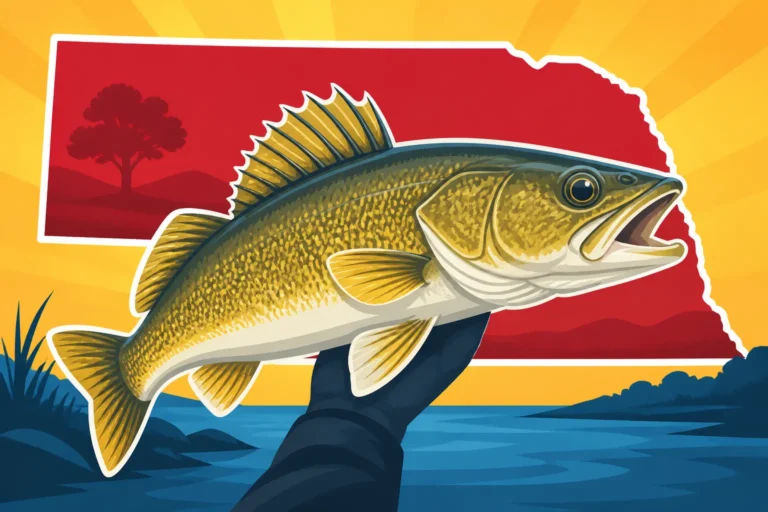
When we talk about a "trophy" walleye, most anglers immediately think of two measurements: length and weight. While a heavy fish is certainly impressive, a long fish often signifies a truly old and mature specimen. In Nebraska, a walleye reaching or exceeding 28 inches in length is widely considered a trophy. A fish in the 30-inch range is exceptional, a true "line-class" fish for many. For weight, hitting the double-digit mark – 10 pounds or more – is definitely trophy territory. A walleye that combines both impressive length and girth is the ultimate prize, often a testament to years of successful foraging and growth in a nutrient-rich environment.
It's important to remember that these are benchmarks. Some anglers might consider a 25-inch walleye from a tough-to-fish river system a trophy, while others might reserve that title for a much larger fish from a renowned lake. The context matters. A younger, fast-growing walleye might hit a certain length quickly, but a truly old, wise trophy often carries the scars and battle marks of many seasons, making it all the more special.
Nebraska State Records and Aspirational Goals
To put "trophy" into perspective, it's worth glancing at the state record. The Nebraska State Record Walleye Weight and Location is an incredible benchmark, representing the absolute pinnacle of walleye size in the state. While most anglers will never approach that monumental size, it serves as an aspirational goal, pushing us to explore new techniques and waters. Many seasoned anglers set personal goals, perhaps a 5-pounder, then an 8-pounder, and eventually the elusive 10-pound mark.
These aspirational goals aren't just about the numbers; they're about the pursuit. They drive us to spend more time on the water, hone our skills, and learn the habits of these intelligent fish. Whether your trophy goal is 25 inches or a full 30, understanding the age of these fish helps us appreciate the journey they've taken to get there. These are not just fish; they are living testaments to the vitality of Nebraska's aquatic ecosystems.
Estimating the Age of a Trophy Walleye
You might be wondering, how exactly do scientists and fishery biologists figure out how old a fish is? It's not like counting rings on a tree, though the principle is surprisingly similar. The process involves examining specific parts of the fish that lay down growth rings over time, offering a window into their past.
The Science Behind Fish Aging
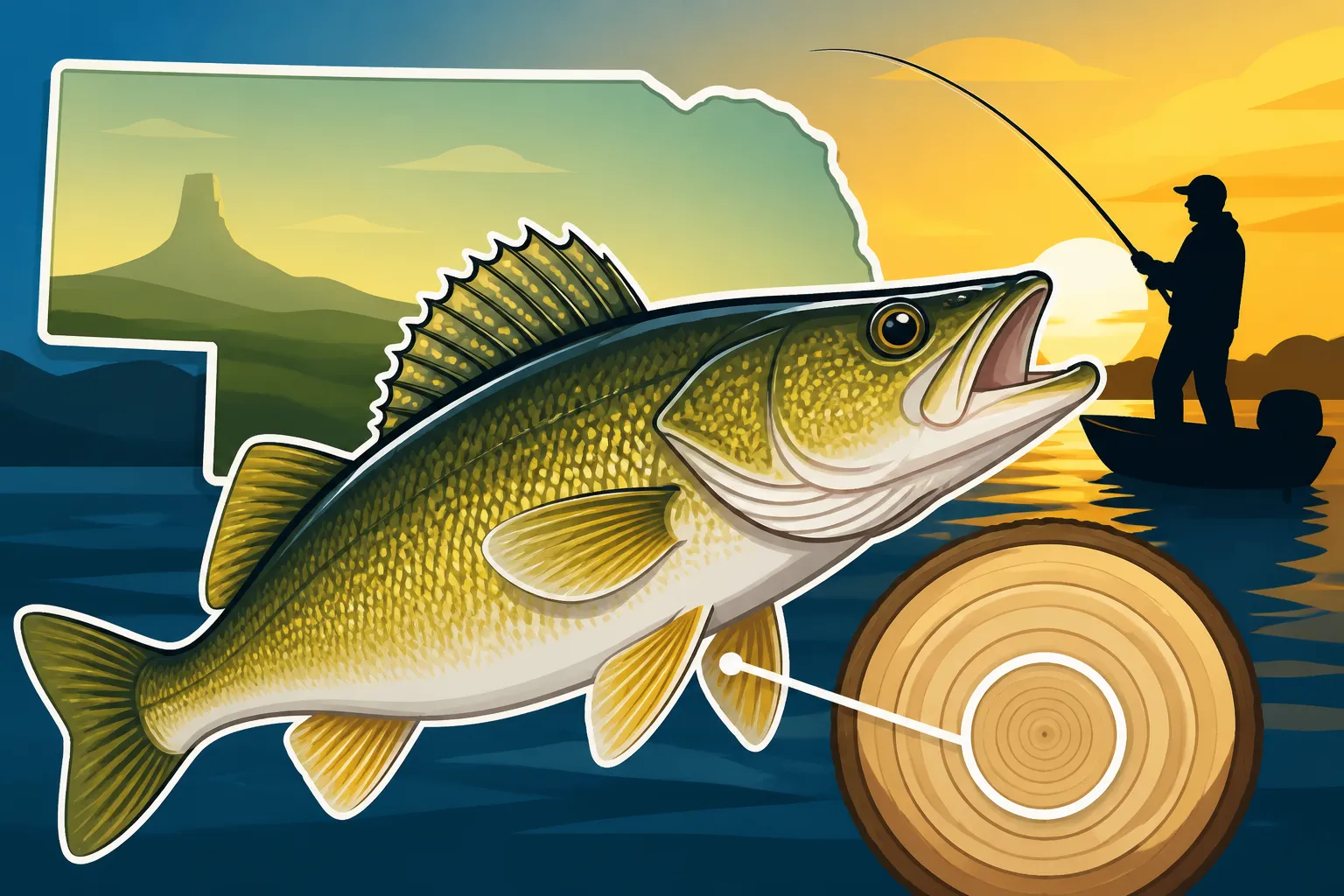
The primary methods for aging fish involve looking at calcified structures, much like dendrochronology (tree ring dating). The most common structures used are otoliths (ear bones), scales, and fin rays. Otoliths are particularly reliable because they lay down distinct growth rings, or annuli, reflecting periods of fast growth (summer) and slow growth (winter). By carefully sectioning and examining these tiny bones under a microscope, scientists can count the annuli to determine the fish's age. It's a precise, though sometimes challenging, process.
Scales also show growth rings, but they can be less reliable as they sometimes regenerate if damaged, leading to inaccurate readings. Fin rays, particularly pectoral fin rays, are another common method. A cross-section of a fin ray can reveal growth rings, similar to otoliths. Each method has its pros and cons, but collectively, they provide valuable data that helps fishery managers understand population dynamics, growth rates, and the overall health of a fishery. This information is crucial for setting regulations like Nebraska Walleye Bag Limits to ensure sustainable fishing.
Real-World Age Estimates for Nebraska Trophy Walleye
So, based on this science, how old are those true monster walleye in Nebraska? As we discussed, growth varies, but a general range can be established. A walleye approaching the 28-30 inch mark in Nebraska is typically going to be anywhere from 8 to 12 years old, and sometimes even older. Some exceptional individuals, particularly from very productive lakes like Lake McConaughy, might hit these sizes a bit sooner if growth conditions are ideal throughout their lives. Conversely, walleye from less fertile waters or those facing higher competition for food might take 12-15 years or more to reach the 30-inch mark.
The oldest walleye on record can sometimes exceed 20 years, though those are exceedingly rare, especially in heavily fished waters. These ancient fish have survived numerous spawning seasons, evaded predators (both human and animal), and consistently found enough food to maintain their growth. When you encounter a trophy walleye, you're looking at a fish that has beaten the odds for a decade or more, a true survivor. Understanding their age helps us appreciate the longevity and resilience of this incredible species.
The Role of Conservation and Management
The pursuit of a trophy walleye is a thrilling endeavor, but it's important that this pursuit is balanced with a strong commitment to conservation. Protecting these older, larger fish isn't just about ensuring future fishing opportunities; it's vital for the overall health and genetic diversity of the walleye population. Every time you cast a line, you're interacting with a complex ecosystem that requires careful stewardship.
Protecting Older, Larger Walleye
One of the most effective ways to protect these venerable old walleye is through responsible angling practices. Catch-and-release is critical, especially for the largest fish. These older, larger females are often the most prolific spawners, producing a greater number of high-quality eggs. Releasing them back into the water gives them the chance to spawn again, contributing to the next generation of walleye. Taking a quick photo and releasing them quickly and carefully ensures they have the best chance of survival. Consider using specific nets that are fish-friendly, and if you’re looking for new gear, Amazon has a great selection of rubberized landing nets.
Fishery managers also implement regulations specifically designed to protect these larger fish. Slot limits, for example, might require anglers to release all walleye within a certain size range (e.g., 20-25 inches) while allowing harvest of smaller and larger fish. This strategy aims to protect the prime breeding stock, allowing them to grow larger and contribute to spawning for many years. Familiarizing yourself with Nebraska Fishing Regulations Explained is always a good idea before hitting the water.
How Age Relates to Spawning Success
The age and size of a walleye, particularly a female, are directly linked to her reproductive success. Older, larger female walleye are often referred to as "brood stock" because they produce significantly more eggs than younger, smaller females. Not only do they produce more eggs, but the quality of those eggs can also be higher, leading to better survival rates for the fry. These veteran spawners have also learned the best spawning grounds and techniques over their lifetime, making their contribution invaluable. The Nebraska Walleye Spawning Season is a critical time for the future of the fishery, and the presence of these older fish ensures a robust reproductive effort.
By understanding that a 30-inch walleye might be 10 years old or more, anglers gain a deeper appreciation for the fish's role in the ecosystem. It transforms the act of catching from a simple harvest into an interaction with a vital part of nature's cycle. Responsible angling, therefore, becomes not just a rule, but a commitment to the future of Nebraska's walleye fishing. This respect for the fish's life cycle is what ensures thrilling fishing adventures for generations to come.
Hunting for Your Own Nebraska Trophy Walleye
Now that you understand the lifespan and significance of a trophy walleye, the natural next step is to figure out how to pursue one of these magnificent creatures yourself. Landing a true "hawg" is a challenge, but with the right knowledge and persistence, it's an achievable dream in Nebraska's productive waters. It takes planning, patience, and often a willingness to try different approaches.
Target Waters Known for Big Walleye
Nebraska is blessed with several fantastic walleye fisheries that consistently produce large fish. If you're serious about chasing a trophy, these are the places you'll want to focus your efforts. Lake McConaughy, often called "Big Mac," is arguably the crown jewel for trophy walleye in the state. Its vast expanse, deep water, and abundant forage create an ideal environment for walleye to grow to impressive sizes. Anglers regularly pull walleye over 10 pounds from McConaughy. Lake McConaughy Walleye Fishing is an absolute must-read if you plan a trip there.
Other excellent choices include Harlan County Reservoir, Sherman Reservoir, and Merritt Reservoir, all of which have reputations for producing quality walleye. These large impoundments offer diverse structures, from submerged timber to rocky humps and expansive flats, providing ample habitat for mature fish. Understanding Best Nebraska Lakes for Walleye can help you pinpoint other hotspots. Keep an eye on local fishing reports, as conditions and hot bites can change seasonally.
Techniques for Targeting Mature Walleye
Chasing trophy walleye often requires a slight adjustment in tactics compared to targeting smaller, more abundant fish. Larger walleye tend to be more wary and often prefer bigger baits. Trolling with large crankbaits that imitate their natural forage, like the gizzard shad common in many Nebraska reservoirs, is a popular and effective method. These lures can reach significant depths where bigger fish often lurk, especially during the warmer months. When looking for the right lures, checking reviews on Amazon can help you find proven brands and models.
Jigging spoons or blade baits vertically over deep structure, like submerged humps or channel edges, can also entice a strike from a big walleye. Live bait, particularly large shiners or suckers, fished on a slip-sinker rig or under a slip bobber, can be irresistible to a cruising trophy. Remember that Best Bait for Nebraska Walleye often depends on the season and specific water you're fishing. Focusing on periods of low light, like dawn, dusk, or even Nebraska Night Fishing Rules, can also increase your odds, as larger walleye are often more active feeders when the light is dim. Don't be afraid to experiment with your presentations, and study the intricacies of How to Fish for Walleye in Nebraska.
If you're wondering about specific seasonal approaches, articles like Best Time of Year to Catch a Trophy Walleye in Nebraska and How to Fish Deep Structure for Summer Walleye offer valuable insights into when and where to find those big fish. A quality fish finder, which you can easily research on Amazon, is also indispensable for locating deep structure and schools of baitfish where trophy walleye congregate.
Patience and Persistence
Perhaps the most crucial "technique" for landing a trophy walleye is patience. These fish didn't get big by being reckless. They are cunning, wary, and often elusive. You might spend many hours, or even days, without a bite from a large one. There will be frustrating trips where you feel like you've tried everything. But it's precisely these challenges that make the eventual reward so much sweeter.
Persistence means being willing to change locations, adjust your presentation, and learn from every outing. It means embracing the journey and enjoying the time spent on the water, even when the big ones aren't biting. Every cast is an opportunity, every snagged lure a lesson. When that rod finally doubles over, and you feel the heavy throb of a truly large walleye on the end of your line, all those hours of patient dedication will pay off in an unforgettable moment. It's not just about the fish; it's about the grit and determination you develop in the pursuit.
Disclaimer
This article is for general informational purposes only and does not constitute professional advice. Laws, prices and regulations vary by location and change over time. Consult a qualified professional for guidance on your specific situation.