Beginner Fishing Gear Guide for Nebraska
Stepping into the world of fishing for the first time can feel a lot like diving into the deep end without a life jacket. With countless rods, reels, lures, and gadgets advertised everywhere, it's easy to feel overwhelmed and wonder what you truly need to start casting lines in Nebraska. This guide is here to untangle that confusion, providing a clear, realistic roadmap to assembling your first fishing gear setup, so you can focus on the joy of the catch rather than the stress of the shopping trip.
Understanding the Essentials: Your Core Fishing Kit for Nebraska
Before you get lost in a sea of fancy gadgets and specialized tackle, let's focus on the absolute must-haves. These are the fundamental pieces of gear that will get you out on the water, whether you're targeting panfish in a local pond or trying your hand at channel catfish in a quiet river bend. Getting these basics right sets the stage for enjoyable and successful fishing adventures across the Cornhusker State.
Rod and Reel Combos: Your First Big Decision
For many newcomers to fishing, the rod and reel are the most iconic pieces of equipment, and rightly so – they are your primary tools for casting and fighting fish. The sheer variety can be intimidating, but for a beginner in Nebraska, a simple, versatile combo is often the best starting point. You don't need separate setups for every fish species; versatility is key when you're just learning the ropes.
You'll generally choose between a spincasting (often called a "push-button" reel) or a spinning combo. Spincasting reels are incredibly user-friendly, designed for minimal tangles and easy casting, making them a fantastic choice for absolute beginners and kids. They’re super simple: push a button, cast, reel. Spinning reels, while still easy to use, offer a bit more control and versatility, handling lighter lures and line better, which can be advantageous as you progress. Most beginner anglers in Nebraska find a spinning combo to be a great all-around choice for a wide variety of species.
When selecting your rod and reel, consider the "action" and "power" of the rod. For Nebraska's diverse fishing opportunities, from small panfish to feisty bass and channel catfish, a medium-light or medium power rod with a fast or moderate-fast action is incredibly versatile. This means it will have enough backbone to handle a decent-sized fish, but still be sensitive enough to feel smaller bites. A rod in the 6-foot to 7-foot range is a good length, offering a balance of casting distance and maneuverability.
Imagine you're heading to Branched Oak Lake for some panfish, or perhaps a local urban pond stocked with trout. A 6'6" medium-light spinning combo spooled with 6-8 pound test monofilament line would be nearly perfect. It's forgiving enough for learning to cast, sensitive enough to detect subtle nibbles from a bluegill, and stout enough to bring in a surprising largemouth bass or even a smaller channel cat. Many manufacturers offer excellent pre-assembled combos that take the guesswork out of matching a rod and reel, making it even easier to get started.
Fishing Line: The Unsung Hero
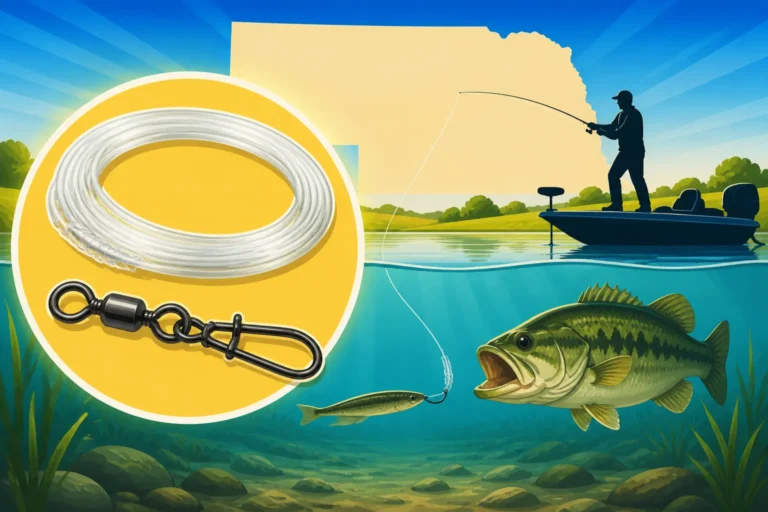
Often overlooked, your fishing line is arguably the most critical connection between you and the fish. It’s what transmits those subtle bites, allows you to cast your bait, and ultimately helps you land your catch. For beginners, the choice of line is usually simpler than you might think, with monofilament leading the way for its forgiving nature.
Monofilament (mono) line is the gold standard for beginner anglers in Nebraska. It's affordable, easy to tie knots with, and has a good amount of stretch. This stretch acts as a shock absorber, helping to prevent hooks from tearing out of a fish's mouth and being more forgiving if your drag isn't perfectly set. It's also less visible underwater than some other line types, which can be an advantage in clear Nebraska waters. For general fishing for panfish, bass, and small to medium catfish, a 6- to 10-pound test monofilament line is an excellent choice.
While you might hear experienced anglers talk about braided line or fluorocarbon, don't worry about those just yet. Braided line, while strong and sensitive, can be more challenging for beginners to tie knots with and manage on a spinning reel. Fluorocarbon is quite stiff and can be pricey. Stick with a good quality monofilament to start; it's reliable and user-friendly.
Make sure your reel is spooled properly, not too full or too empty, to avoid tangles and improve casting. Most tackle shops or places like Bass Pro Shops will spool your reel for you when you buy a combo. Over time, fishing line can get nicked, abraded, or weakened by UV light. It's a good practice to How Often to Replace Fishing Line, especially the last 20-30 feet, every few trips or at least once a season to ensure you don't lose a trophy fish due to old line.
Basic Terminal Tackle: Hooks, Weights, and Bobbers
Once you have your rod, reel, and line, you need the "business end" of your fishing setup – the terminal tackle. This includes the small but mighty components that directly interact with your bait and the fish. The tackle aisle can be a dizzying place, but for a beginner, a small selection of versatile hooks, weights, and bobbers will cover almost all your initial needs.
Hooks come in many shapes and sizes, but you can start with just a few key options. For smaller fish like bluegill and crappie, small J-hooks in sizes #6 or #8 are perfect. If you're targeting larger fish like channel catfish or bass, you'll want something stouter, like J-hooks in sizes 1/0 or 2/0, or even some circle hooks. Circle hooks are fantastic for beginners targeting catfish, as they are designed to hook fish in the corner of the mouth, making them less likely to swallow the hook and easier to release. For more details, check out Best Hook Size for Channel Catfish.
Weights, or sinkers, help get your bait down to where the fish are. Split shot weights are small, easy to pinch onto your line, and great for lighter presentations, often used with a bobber. Egg sinkers or walking sinkers are better for bottom fishing, especially for catfish, as they allow your line to slide through, preventing the fish from feeling resistance when it bites. A small assortment of these in various weights (e.g., 1/8 oz, 1/4 oz, 1/2 oz) will serve you well.
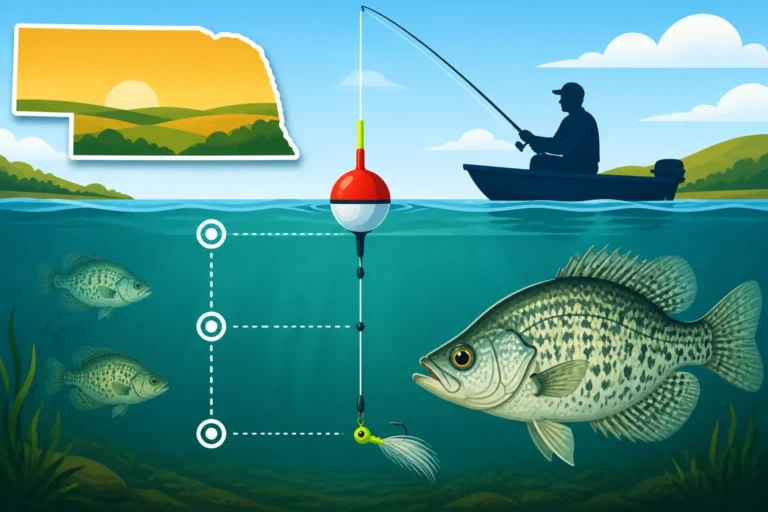
Bobbers are visual indicators that tell you when a fish is biting. Traditional clip-on bobbers are simple and effective for fishing at a fixed depth, especially in shallower water or for kids. For deeper water or to present your bait at a very specific depth, slip bobbers are fantastic. They allow your line to slide through the bobber, stopping at a small knot you tie on your main line, letting your bait descend much deeper than a fixed bobber would allow. Learning Best Slip Bobber Setup for Panfish can open up a lot of new opportunities.
Essential Accessories for a Complete Nebraska Fishing Experience
Fishing is more than just a rod and reel; it's about being prepared for a day out on the water. Beyond your core fishing kit, a few essential accessories will greatly enhance your comfort, safety, and overall enjoyment, making your first few trips much smoother. These items might not seem as exciting as a new lure, but they play a crucial role in a successful outing.
Landing Nets and Fish Handling Tools
While it might seem like an extra piece of gear, a landing net is incredibly valuable, even for beginners. It's not just for landing monster fish; a net provides a safer way to secure your catch, especially if you're alone or fishing with kids. It reduces the chance of losing a fish right at the boat or bank, and more importantly, it helps you handle the fish with less stress for both you and the fish.
When choosing a net, consider one with a rubberized or knotless mesh. These types of nets are much gentler on fish scales and fins, reducing slime coat removal and injury, which is vital if you plan on releasing your catch. A long handle can be a huge asset, especially if you're fishing from a higher bank or trying to net a fish that's putting up a good fight. For releasing fish unharmed, a good quality net is an indispensable tool.
Beyond the net, a few small tools are indispensable. Pliers or hemostats (long-nosed locking pliers) are crucial for safely removing hooks from a fish's mouth, especially if the hook is swallowed or deeply set. This protects both you from sharp hooks and the fish from unnecessary trauma. A small pair of line cutters or nail clippers on a lanyard is also incredibly handy for tying new rigs quickly. Remember, wet your hands before handling fish you intend to release, as dry hands can strip away their protective slime.
Tackle Boxes and Storage Solutions
As soon as you start accumulating hooks, weights, bobbers, and a few lures, you'll quickly realize the need for organization. A good tackle box or bag isn't just about neatness; it's about efficiency and protecting your gear. There's nothing more frustrating than digging through a jumbled mess when the fish are biting!
For beginners, a simple hard-sided tackle box with a few trays is a perfect starting point. These classic boxes are durable, relatively inexpensive, and offer enough compartments to separate your different terminal tackle items. As your gear collection grows, you might consider soft-sided tackle bags that come with multiple plastic utility boxes. These are great for keeping different types of lures or tackle organized by species or presentation. You can find excellent options at stores like Bass Pro Shops or even a wide variety on Amazon.
When packing your tackle box, think about what you'll realistically need for a typical outing in Nebraska. Don't feel compelled to bring every single item you own. A smaller, well-organized box with your essential hooks, weights, bobbers, and a few versatile lures will be much more manageable than a massive, overflowing chest. This is particularly true if you're planning on How to Fish From the Bank Without a Boat, where portability is key.
Personal Comfort and Safety Gear
Fishing should be enjoyable, and discomfort or unexpected safety issues can quickly ruin a trip. Don't forget to equip yourself for the elements and potential minor mishaps. Thinking ahead about your personal comfort and safety will allow you to focus on the fishing itself.
Sun protection is paramount, especially during Nebraska's long summer days. A wide-brbrimmed hat, polarized sunglasses, and sunscreen are absolute must-haves. Polarized sunglasses, in particular, do more than just protect your eyes; they cut glare on the water, allowing you to see submerged structure and sometimes even fish. Best Polarized Sunglasses for Spotting Fish can make a huge difference in your ability to "read" the water.
Hydration is also critical. Always bring plenty of water, especially during warmer months. Snacks are also a good idea for longer outings. A small first-aid kit, containing basics like bandages, antiseptic wipes, and pain relievers, is smart to have on hand for minor cuts or scrapes that can happen around hooks and sharp objects. For those venturing out in a boat or kayak, a basic Best First Aid Kit for a Fishing Boat is essential.
Finally, think about insects. Nebraska summers are known for mosquitoes, especially around water. Best Bug Spray for Summer Fishing in Nebraska is a game-changer. Also, consider dressing in layers. Nebraska weather can be unpredictable, with cool mornings turning into warm afternoons, or sudden rain showers appearing. Having a lightweight rain jacket and extra layers can make a world of difference in your comfort.
Bait and Lures: Tempting Nebraska's Freshwater Species
Once your rod is rigged and your tackle box is ready, the next big question for any beginner angler in Nebraska is, "What do I put on the end of my line to catch a fish?" The world of baits and lures is vast, but you don't need to master it all at once. Starting with a few proven, versatile options will lead to success and help you build confidence.
Live Bait for Beginner Success
For many species and situations, live bait is simply unbeatable, especially for beginners. It's often the easiest and most effective way to entice a bite because it looks, smells, and moves naturally, triggering a fish's instincts. You can't go wrong starting here.
Nightcrawlers and redworms are arguably the most versatile live baits. They're readily available at almost any bait shop, easy to keep, and appeal to a huge variety of Nebraska fish, including panfish (bluegill, crappie), trout, bass, and especially channel catfish. Thread a nightcrawler onto a small hook under a bobber for panfish, or let it sink to the bottom with a weight for catfish.
Minnows are another fantastic live bait, particularly effective for species like crappie, walleye, and even largemouth bass. They're usually sold by the dozen at bait shops. Hook them lightly through the lip or just behind the dorsal fin to keep them alive and swimming naturally. Fishing a lively minnow under a bobber or slowly retrieving it on a jig head can be incredibly productive.
For channel catfish, one of Nebraska's most abundant and popular sportfish, cut bait (pieces of fish, often shad or carp) or chicken livers are highly effective. These baits have a strong scent that catfish can detect from a distance. Rig them on a larger hook with an egg sinker, cast them to the bottom, and wait for the telltale tug. You can find more specific advice on Best Live Bait for Nebraska Catfish to maximize your chances.
Essential Artificial Lures for Multi-Species Angling
While live bait is a great starting point, artificial lures offer their own advantages: they're clean, always ready, and can often be cast farther. For a beginner, focus on lures that are versatile and relatively easy to use, rather than highly specialized options.
Jigs are probably the most versatile artificial lure you can own. A simple jig head (a lead weight with a hook) tipped with a soft plastic grub, curly tail, or minnow imitation can catch almost anything that swims in Nebraska. They can be cast and retrieved, bounced along the bottom, or fished under a bobber. Start with a few different weights (1/16 oz to 1/4 oz) and some natural colors (white, black, chartreuse).
Spinnerbaits are fantastic for largemouth and smallmouth bass. They have a lead head, a skirt that provides action and color, and one or more blades that spin, creating flash and vibration. They're relatively weedless, making them great for fishing around cover. Just cast and retrieve! Small inline spinners, like those from Panther Martin or Mepps, are excellent for panfish, trout, and small bass.
A few basic crankbaits (lures that dive when retrieved) or soft plastic worms can round out your beginner lure collection. Crankbaits are great for covering water and triggering reaction strikes, while soft plastic worms rigged "Texas style" are incredibly effective and weedless for bass fishing around submerged grass or timber. For more ideas on effective lures, explore Best Lures for Nebraska Bass.
Understanding Bait Selection for Common Nebraska Species
Choosing the right bait or lure often comes down to understanding what the fish in your target area are likely to eat and how they behave. While live bait is often a universal attractant, learning a bit about specific species preferences can dramatically improve your success rate in Nebraska.
Walleye, for example, are often found near the bottom and prefer baits that mimic shad, minnows, or crawlers. Slow presentations with a nightcrawler harness or a jig tipped with a minnow are often very effective. Crappie, on the other hand, are schooling fish that frequently suspend around brush piles, submerged trees, or docks. They love small minnows and tiny jigs, especially in the spring.
Catfish are less picky, being opportunistic feeders that rely heavily on their sense of smell. Stinky baits, cut bait, and worms are all top choices. Bass, whether largemouth or smallmouth, are predators that respond well to moving baits (spinnerbaits, crankbaits) and soft plastic imitations of worms, craws, and baitfish.
The best strategy for beginners is to start with universally appealing baits (like worms or minnows) and a few versatile lures (jigs). As you gain experience, you'll start to notice patterns and can then begin to experiment with more specialized options. Don't be afraid to ask local bait shop owners for advice; they're a treasure trove of knowledge about what's biting and on what.
Gear for Specific Nebraska Fishing Scenarios
While your basic gear setup will get you fishing, Nebraska offers a variety of environments, from small urban ponds to vast reservoirs and winding rivers. Thinking about where and how you'll typically fish can help you refine your gear choices for specific scenarios, making your experience even more enjoyable and productive.
Shore Fishing Setup: Keeping it Simple and Effective
Shore fishing is arguably the most accessible and popular way for beginners to start fishing in Nebraska. It requires minimal gear, often little to no specialized equipment beyond your basic rod, reel, and tackle. The key here is portability and comfort, allowing you to easily move to different spots along the bank.
For a comfortable shore fishing experience, consider bringing a lightweight, foldable chair. You might spend hours waiting for a bite, and a comfortable seat makes all the difference. Rod holders, often called bank sticks or rod spikes, are also incredibly useful. They keep your rod off the ground, preventing dirt and grime from getting into your reel, and allow you to set your rod down while you re-bait a hook or simply relax. For options, check out Best Rod Holder for the Bank of a Reservoir.
Think about carrying your gear efficiently. A small backpack or a dedicated tackle bag is much easier to manage than lugging a large tackle box, especially if you plan on walking to different spots. A small cooler is also a good idea, not only for keeping your bait fresh but also for storing water, snacks, and any fish you decide to keep. Many of Nebraska's state parks and recreation areas, like Eugene T. Mahoney State Park or Two Rivers State Recreation Area, offer excellent Best Nebraska Lakes for Shore Fishing Without a Boat with easy access.
Beginner Kayak or Small Boat Gear Considerations
Once you've mastered the basics of shore fishing, you might feel the call to venture further out onto the water. A kayak or a small boat can open up a whole new world of fishing opportunities, allowing you to reach spots inaccessible from the bank. However, this step requires additional gear, with a strong emphasis on safety.
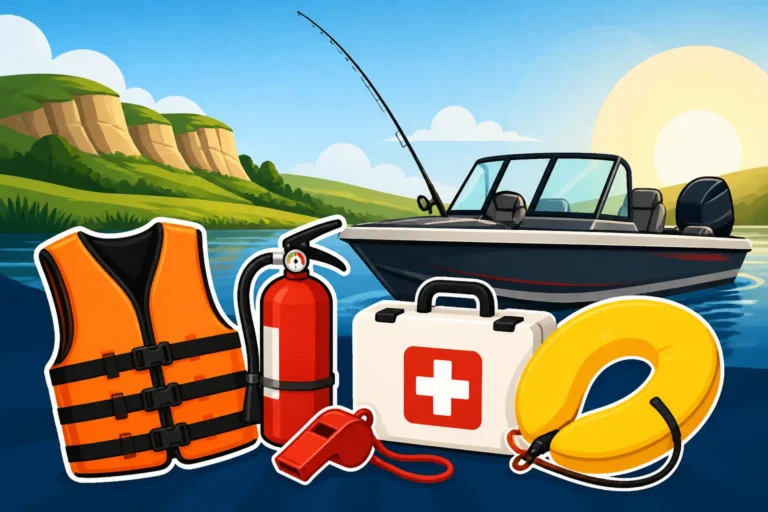
For any watercraft, a properly fitted personal flotation device (PFD), or life jacket, is not optional – it's mandatory and essential for your safety. Always wear it when on the water. Beyond that, a paddle (even if you have a trolling motor on a small boat), an anchor (especially for kayaks), and a dry bag to protect your phone, wallet, and keys are highly recommended. Learning Best Kayak Anchors for Still Fishing can be crucial for holding your position in current or wind.
Small boats, even those with only a small outboard motor, have additional legal requirements in Nebraska. You'll need to consider Nebraska Boat Registration and Equipment Requirements, including registration, proper lighting, a whistle or horn, and additional safety gear like a bailing bucket. Investing in a small, portable fish finder can also be a game-changer, helping you locate structure and fish more effectively. Always prioritize safety and legal compliance before outfitting your vessel with fishing-specific gadgets.
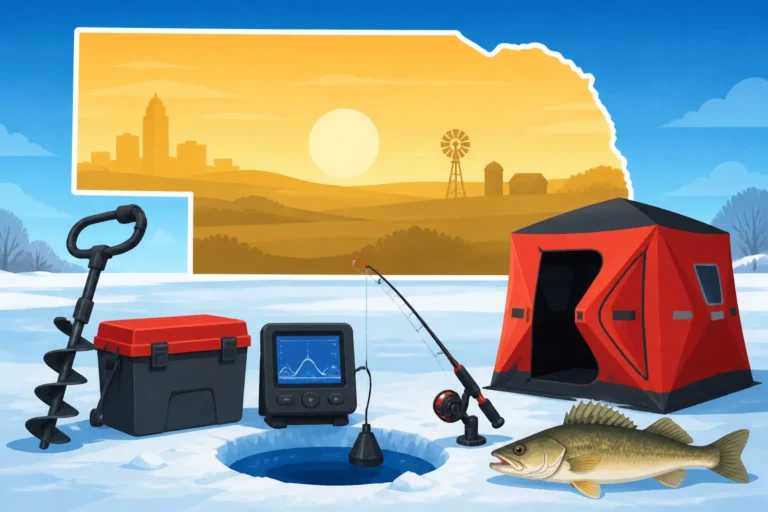
Intro to Ice Fishing Gear: Getting Started Safely
For the intrepid angler, winter in Nebraska doesn't mean hanging up your rods. Ice fishing offers a unique and often productive way to catch fish, but it requires a specialized set of gear and a strong emphasis on safety. It's not a pursuit to jump into lightly, but with the right gear and guidance, it can be incredibly rewarding.
The most critical pieces of ice fishing gear are safety items. A spud bar or an ice auger (manual or powered) is essential for testing ice thickness as you move across a frozen lake. Ice picks, worn around your neck, are vital in case you fall through, allowing you to pull yourself out. Always go with a buddy, especially when learning, and let someone know your plans. Understanding How Thick Ice Needs to Be to Fish Safely in Nebraska is paramount.
For actual fishing, you'll need short, sensitive ice fishing rods and small reels. These are designed for the confined space of an ice hole and to detect light bites in cold water. Warm clothing, including insulated boots, gloves, and a hat, is non-negotiable. An ice fishing shelter, from a simple windbreak to a fully enclosed shanty, provides comfort from the elements. Don't forget a small bucket to sit on and store your gear, and a scoop to clear ice chips from your holes. If you're wondering What to Wear Ice Fishing in Nebraska, layers are always the answer.
Smart Shopping for Your First Fishing Gear
The world of fishing gear can be a shopper's paradise and a beginner's nightmare. It's easy to get caught up in the hype of the latest and greatest, but for your first foray into Nebraska fishing, smart shopping is about efficiency, practicality, and avoiding unnecessary expenses. You don't need to break the bank to catch fish.
Setting a Realistic Budget
One of the biggest misconceptions about fishing is that it's an expensive hobby. While it certainly can be, it doesn't have to be, especially when you're just starting. Setting a realistic budget from the outset will prevent overspending and help you prioritize truly essential items. Your goal should be functional, reliable gear, not top-of-the-line equipment.
For a beginner, a reasonable budget should cover a decent rod and reel combo, a selection of basic terminal tackle (hooks, weights, bobbers), some monofilament line, and a simple tackle box. You can often find quality starter combos that include the rod, reel, and sometimes even a small assortment of tackle for a very accessible price. For a comprehensive overview of initial costs, consider checking out How Much It Costs to Outfit a Beginner Angler.
Focus on durability and versatility. A sturdy, medium-action spinning combo that can handle a variety of species will serve you much better than a super-specialized rod that only targets one type of fish. Resist the urge to buy every shiny lure you see; a few proven options are more effective than a tackle box full of untested gadgets. Remember, the fish don't care how much your gear cost!
Where to Buy Your Gear: Local vs. Online
When it comes to purchasing your first fishing gear, you have several options, each with its own advantages. Understanding where to shop can help you make informed decisions and even save you some money and headaches.
Local bait and tackle shops are invaluable resources for beginners in Nebraska. Beyond selling gear, they offer localized expertise. The staff can tell you what's biting, where, and on what bait or lure, often giving you up-to-the-minute fishing reports. They often have the freshest live bait and can offer personalized advice on setting up your rig. Supporting these local businesses also strengthens the fishing community. You can often buy your Nebraska Fishing License Guide right there!
Larger outdoor retailers, such as Bass Pro Shops or Cabela's, offer a vast selection of gear under one roof. These stores often have competitive pricing, a wide range of brands, and knowledgeable staff who can help you pick out a rod and reel combo or the right type of line. You can physically handle the equipment, which is a big plus for a beginner trying to understand rod action or reel feel. These stores are great for getting a full setup, from rods to tackle boxes.
Online retailers like Amazon offer incredible convenience and often very competitive prices. You can browse thousands of products from the comfort of your home and have them delivered directly to your door. However, the downside is the inability to physically inspect the gear or get personalized advice. For basic items like tackle boxes or spools of line, online shopping can be very efficient, but for your first rod and reel, it’s often beneficial to visit a physical store.
Tips for Avoiding Overwhelm and Unnecessary Purchases
The sheer volume of fishing gear available can be incredibly overwhelming for someone just starting out. It's easy to fall victim to the "shiny lure syndrome" or feel pressured to buy expensive items you don't really need. The key is to start simple and expand your collection as you gain experience and identify your specific needs.
Create a basic checklist before you shop and stick to it. Focus on the core essentials first: a versatile rod and reel, a handful of hooks, weights, bobbers, and perhaps a couple of universal lures like jigs and a spinnerbait. Avoid buying highly specialized gear for species you don't even plan to target yet, or expensive electronics before you've even cast a line.
Don't be afraid to ask questions. Engage with staff at local bait shops or larger retailers; tell them you're a beginner and you're looking for the absolute essentials for fishing in Nebraska. They can often guide you toward cost-effective, multi-purpose options. Also, talk to friends or family who fish; they might even have spare gear they're willing to lend or sell you to get started. Learning to fish should be an enjoyable process, not a stressful shopping marathon.
Caring for Your New Gear: Making It Last and Perform
You've invested your time and money into assembling your first fishing kit. Now, to ensure it serves you well for many seasons to come, a little routine care and maintenance go a long way. Proper care not only extends the life of your gear but also ensures it performs optimally when you need it most, preventing frustrating malfunctions on the water.
Basic Cleaning and Maintenance Routine
Just like any other tool, fishing gear performs best when it's clean and well-maintained. A simple routine after each outing can prevent rust, corrosion, and wear, especially important after fishing in dusty, muddy, or sandy environments common around Nebraska's lakes and rivers.
After each trip, take a moment to wipe down your rod and reel with a damp cloth to remove any dirt, grime, or fish slime. If you've been fishing in particularly dirty or muddy conditions, a light rinse with fresh water (avoiding direct high-pressure spray into the reel) can be beneficial, followed by a thorough drying. This is especially crucial for preventing corrosion on metal components.
Inspect your fishing line regularly for any nicks, abrasions, or fraying. The last few feet of your line, especially near your lure or hook, take the most abuse. If you notice any damage, cut off the affected section and re-tie your tackle. Occasionally, a very light application of reel oil to moving parts of your reel can keep it running smoothly, but consult your reel's manual or a pro before adding lubricants. Learning how to properly How to Maintain a Baitcasting Reel (or spinning reel) can save you money in the long run.
Proper Storage for Longevity
How you store your fishing gear between trips is just as important as how you clean it. Improper storage can lead to warped rods, rusted hooks, and damaged reels, significantly shortening the lifespan of your equipment. A little organization goes a long way.
Rods should ideally be stored in a way that prevents them from bending or getting stepped on. Rod racks that hold them horizontally or vertically are great, but even leaning them carefully in a corner with the tip protected is better than leaving them haphazardly on the floor. Avoid storing them in direct sunlight or extreme temperatures (like a hot car trunk for extended periods), as this can damage the line and even the rod blanks.
Reels should be kept clean, dry, and free of dirt. Many anglers use soft reel covers to protect them from dust and dings during storage. Ensure your tackle box or bag is also dry before storing it. Wet hooks and lures can quickly rust, damaging not only themselves but also contaminating other tackle in the box. How to Store Fishing Gear Over the Winter involves a bit more preparation, like loosening drag settings and more thorough cleaning.
Simple Repairs and Troubleshooting
Despite your best efforts, sometimes things go wrong. Hooks get bent, lines get tangled, and occasionally a rod tip breaks. The good news is that many common fishing gear issues are easily fixable, even for beginners, and learning to troubleshoot them will save you time and money.
One of the most frequent "repairs" is simply re-tying a knot or replacing a section of line. Learning a few strong, reliable fishing knots, such as the Palomar knot or the Improved Clinch knot, is a fundamental skill for any angler. If your line gets badly tangled (a "bird's nest"), sometimes the easiest solution is to carefully cut out the tangle and re-spool with fresh line, rather than spending hours trying to untangle it.
Minor rod repairs, like replacing a broken rod tip guide, are often DIY-friendly with inexpensive repair kits. For more complex issues, like significant reel malfunctions or a snapped rod blank, it's usually best to consult a professional repair shop or consider if it's time for an upgrade. Knowing when to fix something yourself and when to seek expert help (or replace the item) is part of becoming an experienced angler.
Disclaimer
This article is for general informational purposes only and does not constitute professional advice. Laws, prices and regulations vary by location and change over time. Consult a qualified professional for guidance on your specific situation.