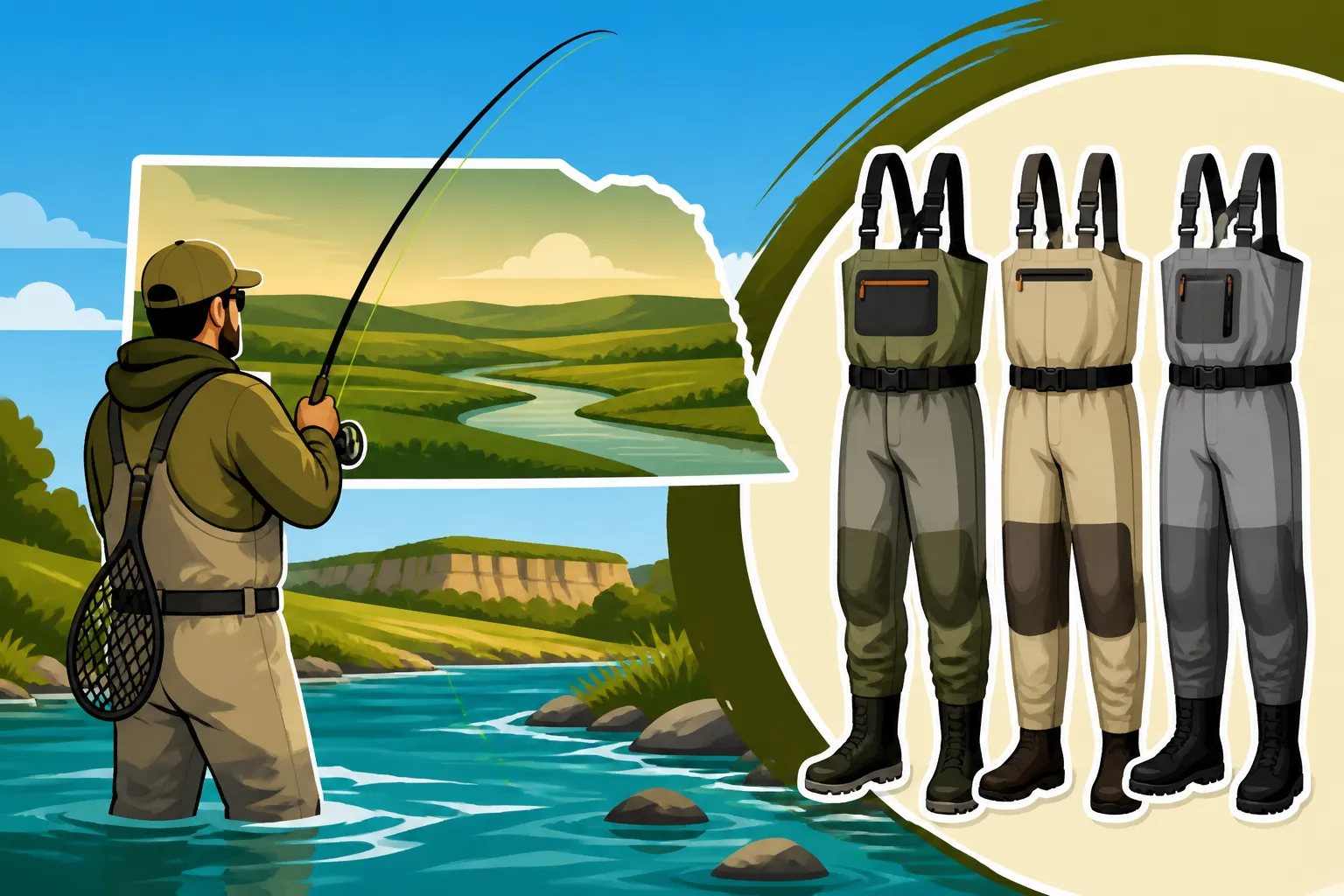
Best Waders for River Fishing in Nebraska
There's nothing quite like the feeling of stepping into a cool Nebraska river, the current gently pushing against your legs, as you wade out to that perfect fishing spot. But if you've ever tried to do it in old, leaky waders, or worse, just hip boots when the water unexpectedly got deeper, you know the instant misery of cold, wet feet and ruined comfort. This guide is all about helping you avoid that disheartening experience by breaking down everything you need to know to choose the best waders for river fishing right here in Nebraska, ensuring your next outing is comfortable, dry, and productive.
Why Quality Waders are Essential for Nebraska River Anglers
Wading a river isn't just about staying dry; it's about being safe, comfortable, and ultimately, more successful. Nebraska's rivers, from the broad Platte to the meandering Niobrara and the winding Elkhorn, present a unique set of challenges that demand reliable gear. Trying to fish these waters without proper waders is like trying to drive across a muddy field in a sports car – you might make it, but it's going to be a struggle, and you'll likely end up stuck or thoroughly miserable.
The Unpredictable Nature of Nebraska Rivers
One of the biggest frustrations for river anglers in Nebraska is the sheer unpredictability of the water itself. You might start wading a stretch of the Platte River where the water barely covers your ankles, feeling confident in your hip waders. Then, just a few steps later, a hidden depression or a sudden drop-off can send water cascading over the top of your boots, soaking you to the bone. This isn't just uncomfortable; it can be downright dangerous, especially in colder weather. The bottom conditions can vary wildly too – one minute you're on firm sand, the next you're sinking into soft mud or navigating slippery, algae-covered rocks. Without good traction and protection, every step becomes a gamble.
Beyond depth and bottom composition, river currents can be a formidable foe. While Nebraska's rivers aren't generally known for raging whitewater, a strong current, especially after recent rains or near dam discharges, can quickly destabilize an angler. Quality waders, particularly those with attached wading boots or properly paired stockingfoot waders with sturdy boots, offer a significant advantage in maintaining your footing. They distribute your weight, allow for a more confident stance against the current, and keep you from stumbling. The last thing you want is to lose your balance, fill your waders with water, and find yourself in a potentially hypothermic situation, especially when fishing for Nebraska Walleye Daily Bag Limit in swift currents.
Comfort and Durability in Changing Conditions
Nebraska weather, much like its rivers, is famously unpredictable. A crisp spring morning can quickly turn into a warm, sunny afternoon, or a calm fall day can give way to a biting wind and a sudden temperature drop. Wearing the wrong waders in these conditions can make an otherwise perfect day feel like an endurance test. Thick neoprene waders that are fantastic for early spring trout fishing on the Niobrara River can become suffocating in the heat of a July afternoon when you're targeting Nebraska Channel Catfish Daily Limit on the Elkhorn. Conversely, thin, uninsulated waders in late fall can lead to shivering and distraction, making it impossible to focus on the fish.
This is where the durability of quality waders truly shines. River environments are harsh. You're constantly brushing against abrasive rocks, snagging on submerged branches, kneeling on gravel beds, and trekking through thorny undergrowth to reach those secluded spots. Cheaply made waders often develop leaks at the seams or punctures in the fabric after just a few outings, leading to that all-too-familiar cold, wet sensation. Investing in waders with reinforced knees and seats, robust seam construction, and quality materials means they can stand up to the abuse, keeping you dry and extending their lifespan. Think of them as your personal mobile sanctuary against the elements, allowing you to concentrate on the joy of fishing, not the discomfort.
Types of Waders for Nebraska River Environments
When you start looking at waders, you'll quickly realize there isn't a one-size-fits-all solution. Different materials and designs cater to different needs, water temperatures, and fishing styles. Understanding these distinctions is crucial to selecting the right gear for your Nebraska river adventures. Choosing the wrong type can lead to overheating, freezing, or simply not having enough protection for the specific waters you're targeting.
Breathable Chest Waders: The Angler's Workhorse
For many Nebraska river anglers, breathable chest waders are the absolute go-to choice, and for very good reason. They are the versatile workhorse of the wading world, offering full-body protection from the chest down, allowing you to confidently tackle varied depths without fear of an unexpected soaking. The "breathable" aspect is key, usually achieved through advanced fabrics like Gore-Tex or similar proprietary membranes from brands often found at Bass Pro Shops. These materials have microscopic pores that are small enough to prevent liquid water from entering but large enough to allow water vapor (sweat) to escape.
Pros:
- Versatility: Excellent for a wide range of temperatures. While they don't provide insulation on their own, you can layer underneath them for warmth in cooler weather. In warmer conditions, their breathability prevents you from overheating and becoming sweaty.
- Comfort: The ability to wick away moisture significantly reduces clamminess and discomfort, especially during long days of wading or hiking to a fishing spot.
- Full Protection: Chest-high coverage means you're protected even when wading through deeper stretches or if you stumble.
Cons:
- Price: Generally, breathable waders, especially those made with premium materials, tend to be more expensive than their neoprene counterparts.
- Durability (relative): While durable, the thinner, more flexible fabrics can sometimes be more susceptible to punctures from sharp objects than thick neoprene, though quality models often feature reinforced areas.
Scenarios: Imagine a long summer day spent fly fishing for smallmouth bass on the Niobrara River, where you're constantly moving, walking a few hundred yards between holes, and wading chest-deep in some sections. Breathable waders keep you from getting drenched in sweat from the activity, yet protect you from the cool river water. Similarly, on the Platte River in search of walleye or catfish, where depths can shift from knee-deep to waist-deep within a cast, breathable chest waders give you the freedom to explore without worry. For an angler keen on year-round river excursions, these often represent the best blend of features.
Neoprene Chest Waders: For the Colder Waters and Seasons
When the air turns crisp, the water temperature drops, and the thought of stepping into a river sends shivers down your spine, neoprene chest waders become your best friend. Neoprene is the same material used in wetsuits, known for its excellent insulating properties. It traps a thin layer of water against your body, which is then warmed by your body heat, keeping you toasty even in frigid conditions.
Pros:
- Exceptional Insulation: unparalleled warmth, making them ideal for early spring, late fall, or even ice-out fishing in rivers where Nebraska Trout Season Dates are in full swing.
- Durability: Neoprene is a very tough and puncture-resistant material, often more forgiving against scrapes and bumps than some breathable fabrics.
Cons:
- Limited Breathability: This is the big trade-off. Neoprene doesn't breathe, so on warmer days or during strenuous activity, you'll quickly become hot and sweaty inside, which can lead to discomfort and chafing.
- Bulk and Weight: They are noticeably bulkier and heavier than breathable waders, which can impact mobility and make them less comfortable for long hikes to remote fishing locations.
Scenarios: Picture yourself targeting trout below Kingsley Dam at Lake McConaughy in April, when the water is still icy cold from winter. Neoprene waders are perfect for standing in that frigid current for hours. Or perhaps you're after late-season channel catfish on the Missouri River as the first snowflakes begin to fall; the insulation provided by neoprene will be invaluable. If your primary river fishing happens during the colder months, or if you fish waters known for consistent low temperatures, these waders are a smart investment.
Hip Waders and Wading Pants: Lightweight and Flexible Options
While chest waders offer maximum protection, there are many river fishing scenarios in Nebraska where full coverage isn't necessary, and lighter, more agile options like hip waders or wading pants are preferable. These are often overlooked but can be incredibly useful for specific situations.
Hip Waders: These are essentially waterproof boots that extend up to your hips, held in place by a belt loop or suspenders.
Wading Pants: These are like waterproof trousers, offering coverage from your waist down, typically with stockingfeet that require separate wading boots.
Pros (Hip Waders & Wading Pants):
- Superior Mobility: With less material, they offer greater freedom of movement, which is excellent for active fishing styles or navigating dense riverside brush.
- Lightweight and Compact: Easier to pack and carry, making them ideal for situations where you have a long hike to your fishing spot or if you need to quickly don and doff them.
- Quicker to Don/Doff: Simple design means you can put them on and take them off much faster than chest waders.
- Comfort in Shallow Water: For truly shallow wading, they prevent the overheating and bulk associated with chest waders.
Cons (Hip Waders & Wading Pants):
- Limited Coverage: This is their biggest drawback. If you misjudge the depth even slightly, or if the water rises unexpectedly, you're going to get wet. They are not suitable for wading above your waist.
- Less Versatile: Their limited coverage means they're not a good primary wader for all-around river fishing in Nebraska's varied waters.
Scenarios: Consider fishing a small, shallow tributary of the Elkhorn River for panfish, where you only need to cross occasionally or step a few feet into the water to make a cast. Hip waders or wading pants would be perfect, allowing maximum mobility along the bank. They're also great for bank fishing when you anticipate needing to step into the water only briefly, perhaps to net a fish or retrieve a snagged lure. For anglers targeting Nebraska Bluegill and Sunfish Fishing in smaller ponds connected to river systems or wanting to explore Platte River Wading Access Points that are consistently shallow, these can be a fantastic, less cumbersome alternative to chest waders. They're also often found at a more accessible price point on platforms like Amazon.
Key Features to Look for in Nebraska River Waders
Once you've decided on the general type of wader (breathable vs. neoprene, chest vs. hip), it's time to drill down into the specific features that will make a real difference in your comfort, safety, and the overall longevity of your investment. This is where the details really matter, transforming a basic waterproof garment into a true piece of fishing equipment.
Material and Construction: Breathability vs. Insulation
The core of any wader is its material, and understanding the differences goes beyond just "breathable" or "neoprene." High-quality waders utilize multi-layer fabrics and advanced construction techniques to maximize performance.
For breathable waders, you'll often see terms like "3-layer" or "5-layer" construction. A 3-layer wader typically consists of an outer protective shell, a waterproof-breathable membrane (like Gore-Tex, Toray, or various brand-specific equivalents), and an inner liner. This offers a good balance of flexibility, breathability, and durability. A 5-layer wader, often used in the lower legs and seat where wear is greatest, adds extra layers to the outer shell, significantly increasing puncture and abrasion resistance. This extra reinforcement is crucial for navigating Nebraska's often rocky or brush-filled riverbanks and wading through areas with sharp debris. When considering durability, always look for waders with strong, often double-stitched and taped seams. Good seam sealing is paramount, as this is where most waders eventually fail.
For neoprene waders, the thickness of the neoprene (measured in millimeters, e.g., 3mm, 5mm) directly correlates to its insulating properties. A 3mm wader might be sufficient for cool fall days, while a 5mm wader provides serious warmth for icy winter conditions. The exterior often has a tough nylon jersey or similar material laminated to it for added abrasion resistance, while the interior might have a smooth finish for easy on/off or a fleece lining for extra comfort against the skin. Just like breathable waders, the quality of the seam construction is critical, with glued, blind-stitched, and taped seams being the standard for reliable waterproofing.
Bootfoot vs. Stockingfoot Waders
This is a fundamental choice that impacts your comfort, stability, and versatility on the river.
Bootfoot Waders: These have the wading boots permanently attached to the wader itself.
- Pros:
- Convenience: Simply slip them on and go. No need to worry about putting on separate boots.
- Integrated Insulation: Often, the boots are insulated, adding warmth in cold water.
- No Gravel Entry: Since the boot is sealed to the wader, you don't have to worry about gravel or sand getting into your boots.
- Cons:
- Less Custom Fit: The boots are a fixed size, so getting a perfect fit for both the wader and the boot can be challenging. An ill-fitting boot can lead to blisters or foot fatigue.
- Reduced Ankle Support: Integrated boots often provide less ankle support compared to dedicated wading boots, which can be a concern on uneven or rocky river bottoms.
- Bulk for Travel: They can be bulkier and heavier for packing.
- Limited Traction Options: You're stuck with the sole type provided.
Stockingfoot Waders: These waders end in neoprene "socks" (the "stockingfoot") and require you to wear separate wading boots over them.
- Pros:
- Superior Fit: You can select wading boots that fit your feet perfectly, leading to greater comfort and less fatigue.
- Excellent Ankle Support: Dedicated wading boots are designed to provide maximum ankle support, which is critical for safety and stability on slippery, uneven riverbeds like those found in the Niobrara.
- Customizable Traction: You can choose boots with felt soles (excellent on slick rocks, though check local regulations as some states restrict felt), rubber soles (versatile, good for hiking), or studded soles (maximum grip in extreme conditions). For Nebraska rivers, good traction is paramount, so a sturdy rubber sole with aggressive lugs is a popular choice.
- Easier to Dry and Repair: If a boot gets damaged, you only need to replace the boot, not the entire wader.
- Cons:
- Added Expense: You have to buy wading boots separately, which increases the initial cost.
- Less Convenient: An extra step to put on and take off.
- Gravel Entry: You'll likely need gravel guards (often integrated into the wader or boot, or sold separately) to prevent small stones and sand from entering your wading boots.
For river fishing in Nebraska, especially on larger rivers or those with varied bottoms, many experienced anglers prefer stockingfoot waders paired with high-quality wading boots for the enhanced support and customizable traction. Brands like Simms and Orvis, often available through Bass Pro Shops or Amazon, offer excellent options in both categories. Remember, the boots are just as important as the waders themselves for safety and comfort.
Fit, Mobility, and Storage Features
A wader can be made of the best materials and have top-notch construction, but if it doesn't fit well or isn't practical, it won't serve you effectively.
Fit and Mobility:
- Proper Sizing: This is paramount. Waders should be roomy enough to allow for comfortable layering underneath (especially with breathable models) and full range of motion without being excessively baggy. Pay close attention to inseam, chest, and boot/foot size. A common mistake is buying waders too big, which leads to excess material bunching up, creating chafing points and hindering mobility. Conversely, waders that are too tight will restrict movement and put undue stress on seams.
- Articulated Knees: Many quality waders feature pre-formed or articulated knees, meaning the fabric is cut and sewn to allow for easier bending and kneeling without pulling or stretching other parts of the wader. This is a huge comfort factor, especially when you're kneeling to land a fish or scramble over a log.
- Gusseted Crotch: Similar to articulated knees, a gusseted crotch improves freedom of movement and reduces stress on the critical crotch seam, which is a common point of failure in poorly designed waders.
Storage Features: Modern waders come with a host of convenient storage and utility features:
- Chest Pockets: Waterproof or water-resistant chest pockets are invaluable for keeping essentials like your phone, car keys, or fishing license (like your Nebraska Fishing License Guide) dry and easily accessible.
- Hand-Warmer Pockets: Fleece-lined hand-warmer pockets are a godsend on chilly days, especially when you're wading in cold water and your hands need a quick reprieve.
- D-Rings and Tool Tabs: Small loops and tabs on the chest or straps allow you to attach important accessories like nippers, forceps, zingers, or a net without cluttering your main pockets.
- Internal Zippered Pockets: Great for securing valuables or keeping a small first aid kit dry.
- Wading Belt: Almost all chest waders come with a wading belt. This isn't just for comfort; it's a critical safety feature. In the event of a fall and your waders filling with water, cinching the wading belt creates an air pocket that can prevent you from sinking too quickly, giving you precious seconds to regain your footing or make it to shore. Always wear your wading belt!
Choosing the Right Waders for Specific Nebraska Rivers and Fish
Nebraska's diverse waterways mean that the "best" wader can change depending on where and what you're fishing. A versatile wader will serve you well in many situations, but understanding how specific river characteristics influence your choice can help you fine-tune your gear for optimal performance.
Waders for the Platte and Loup Rivers (Catfish, Walleye)
The Platte and Loup rivers are quintessential Nebraska waterways, often wide, relatively shallow, and with bottoms that can range from firm sand and gravel to soft, silty mud. These rivers are prime territory for Platte River Catfish Fishing and offer exciting opportunities for walleye.
- Durability Against Currents and Bottom: When targeting channel catfish or walleye in these rivers, you'll often be wading through moderate currents and across varied bottoms. Your waders need to be tough enough to withstand abrasive sand, gravel, and occasional submerged debris. Breathable waders with 5-layer reinforcement in the lower legs and seat are highly recommended. This extra protection helps prevent punctures and tears from rubbing against the riverbed or kneeling on rough surfaces.
- Breathability for Warmer Seasons: While these rivers can be fished year-round, many anglers pursue catfish and walleye during the warmer months. Therefore, breathable chest waders are usually the preferred choice to prevent overheating and maintain comfort during long summer days under the sun. Layering underneath with quick-drying synthetic clothing allows for temperature regulation.
- Stable Footing: The occasionally soft or shifting bottom demands excellent wading boots. Opt for stockingfoot waders paired with sturdy rubber-soled wading boots that have aggressive lugs. This provides the best combination of ankle support and traction to prevent slips and falls in the current or on slick mud. How to Wade Fish the Platte River Safely means having secure footing.
Waders for the Niobrara and Elkhorn Rivers (Smallmouth Bass, Panfish)
The Niobrara and Elkhorn Rivers, especially their upper and middle stretches, present a different challenge. The Niobrara, particularly, can be rocky with a mix of riffles, runs, and pools, making it prime habitat for Niobrara River Smallmouth Bass Fishing. The Elkhorn also has varied terrain, excellent for panfish and smaller bass.
- Mobility for Navigating Varied Terrain: These rivers often require more active wading, with frequent movements over rocks, through moderate currents, and sometimes through dense riverside vegetation. Breathable chest waders that are well-fitted and feature articulated knees and a gusseted crotch are ideal for maximizing your range of motion. You don't want your waders to restrict your ability to high-step over submerged logs or scramble up a bank.
- Superior Traction for Rocky Sections: The prevalence of rocks and uneven bottoms in these rivers makes outstanding traction an absolute necessity. Again, stockingfoot waders with high-quality wading boots are the best choice. Consider boots with a durable rubber sole, perhaps even with screw-in studs if permitted and if you encounter particularly slick, algae-covered rocks. The ankle support provided by dedicated boots will significantly reduce the risk of sprains on uneven terrain.
- Lightweight Options for Shorter Trips: For very specific, shallower sections or short, targeted trips on smaller tributaries of these rivers, wading pants or hip waders could be considered if you are absolutely certain of the water depth and conditions. These offer maximum mobility and less bulk, but always with the understanding of their limited protection.
Waders for Trout Streams and Smaller Tributaries
While Nebraska isn't traditionally known for its vast trout streams, areas like the Niobrara's coldwater tributaries, the tailwaters below dams like Kingsley Dam on Lake Ogallala, and stocked urban ponds provide excellent trout fishing opportunities. These often involve smaller, clearer, and sometimes faster-flowing waters.
- Agility and Stealth: Trout fishing often requires a stealthy approach and precise casting. Heavy, bulky waders can make it difficult to move quietly and maintain a low profile. Lightweight, breathable chest waders are generally preferred. Their flexibility allows for more natural movement and less disturbance in the water. For truly shallow wading in very small creeks, wading pants could also be a viable, very agile option.
- Protection from Cold Water (seasonal): Even smaller streams can be surprisingly cold, especially during Nebraska Trout Season Dates. While breathable waders allow for layering, if you're primarily targeting trout in consistently cold water, like Lake Ogallala Below McConaughy Dam Trout Fishing during late fall or early spring, neoprene chest waders might offer superior warmth if mobility isn't as critical.
- Grip on Stream Beds: Stream bottoms can be a mix of gravel, smooth rocks, and mud. Again, stockingfoot waders with excellent wading boots are key. Many trout anglers prefer felt-soled boots for their unparalleled grip on slick, wet rocks, but always double-check if felt soles are permitted in the specific waters you plan to fish, as some states have restrictions to prevent the spread of aquatic invasive species. Rubber soles with good traction are a universally safe and effective alternative.
| Wader Type | Best For (Nebraska Rivers) | Key Features to Look For | Pros | Cons |
|---|---|---|---|---|
| Breathable Chest | Platte, Loup, Niobrara, Elkhorn (most general river fishing) | 5-layer reinforcement, articulated knees, stockingfoot | Versatile, comfortable in varying temps, full protection | Higher initial cost |
| Neoprene Chest | Coldwater trout streams, early spring/late fall fishing | 3mm or 5mm thickness, reinforced knees, bootfoot (often) | Excellent insulation, very durable | Less breathable, bulky, can overheat |
| Wading Pants | Small, shallow creeks; bank fishing with occasional wading | Lightweight material, stockingfoot, good waist adjustability | High mobility, light, compact, comfortable in shallow | Limited depth protection (waist-high maximum) |
| Hip Waders | Very shallow streams, quick crossings, bank fishing | Durable boot, comfortable strapping, lightweight | Maximum mobility, quick on/off, very light | Very limited depth protection (hip-high maximum) |
Maintenance and Care for Longevity
You've invested in a good pair of waders, chosen specifically for your Nebraska river fishing adventures. Now, the key to making them last and performing their best is proper care and maintenance. Neglecting your waders is a sure-fire way to prematurely send them to the leaky graveyard, and nobody wants that frustration.
Cleaning and Drying Practices
One of the most common reasons waders fail or become smelly is improper cleaning and drying. It might seem like a chore after a long day on the water, but a few minutes of care will add years to their life.
- Rinse Thoroughly After Every Use: As soon as you're done fishing, take a few minutes to rinse off your waders, inside and out, with fresh water. This is crucial for removing mud, sand, algae, and any other organic matter from the river. Mud and sand, when dried, can be abrasive and wear down the fabric and seams. If you've been fishing in waters with known aquatic invasive species, a thorough scrub with a stiff brush, followed by drying, is even more critical. This simple step goes a long way in preventing the spread of unwelcome organisms from one water body to another, which is a key part of protecting Nebraska's fisheries and adhering to rules like those for the Nebraska Aquatic Invasive Species Stamp.
- Pay Attention to Inside and Out: Many people only rinse the outside, but the inside of your waders can accumulate sweat, dirt, and body oils. Rinsing the inside prevents mildew and odors, which are not only unpleasant but can also degrade seam tape over time.
- Proper Drying: This is perhaps the most important step. Always hang your waders upside down (by the boots for bootfoot, or by the suspenders for stockingfoot) in a cool, dry, well-ventilated area, out of direct sunlight.
- Inside First: Because the inside of your waders gets wet from sweat, it’s often the slowest part to dry. Turn them inside out first and allow them to fully dry. You can even use a fan to aid in air circulation.
- Then Outside: Once the inside is dry, flip them right-side out and let the exterior dry completely.
- Avoid Heat: Never put your waders in a dryer or expose them to direct, intense heat. High heat can damage the waterproof membranes, melt seam tape, and degrade neoprene.
Repairing Wader Leaks and Storing Them Properly
Even the best waders can eventually develop a leak – it’s often just a matter of time and the abuse they endure. Knowing how to find and fix a leak can save you the cost of a new pair.
- Finding Leaks: The most common method for finding a pinhole leak in breathable waders is to turn them inside out, spray the suspected area with rubbing alcohol (which evaporates quickly and highlights the leak), or fill them with water while hanging them. For bootfoot waders, simply filling them with water and watching for drips is effective. Mark any leaks with a pen.
- Repairing Leaks:
- Patching Kits: Most wader manufacturers and outdoor retailers like Bass Pro Shops sell specific wader repair kits. These often include fabric patches (matching your wader material) and a waterproof adhesive. For small punctures, a simple dab of a specialized flexible sealant like Aquaseal or Gear Aid Seam Grip can work wonders.
- Seam Sealants: If you suspect a seam leak, a good seam sealant applied carefully along the seam can often restore its waterproof integrity. Always follow the product instructions for application and curing time.
- Proper Storage: When your waders are completely clean and dry, proper storage helps preserve their lifespan:
- Hang, Don't Fold: Hang your waders in a closet or on a hanger rather than folding or wadding them up. Folding creates creases that can stress the waterproof membranes and seam tape, leading to premature leaks.
- Cool, Dry Place: Store them in a cool, dry environment, away from direct sunlight, extreme temperatures, and sources of ozone (like electric motors or certain appliances), which can degrade rubber and synthetic materials over time.
- Protect from Critters: If storing for extended periods, consider placing them in a breathable garment bag to protect them from dust and potential pest damage.
By taking these steps, your reliable Nebraska river waders will be ready for many seasons of fishing, keeping you dry and comfortable whether you're chasing Nebraska Largemouth Bass Fishing in a secluded backwater or wading the deep runs for Walleye Fishing in Nebraska.
Disclaimer
This article is for general informational purposes only and does not constitute professional advice. Laws, prices and regulations vary by location and change over time. Consult a qualified professional for guidance on your specific situation.