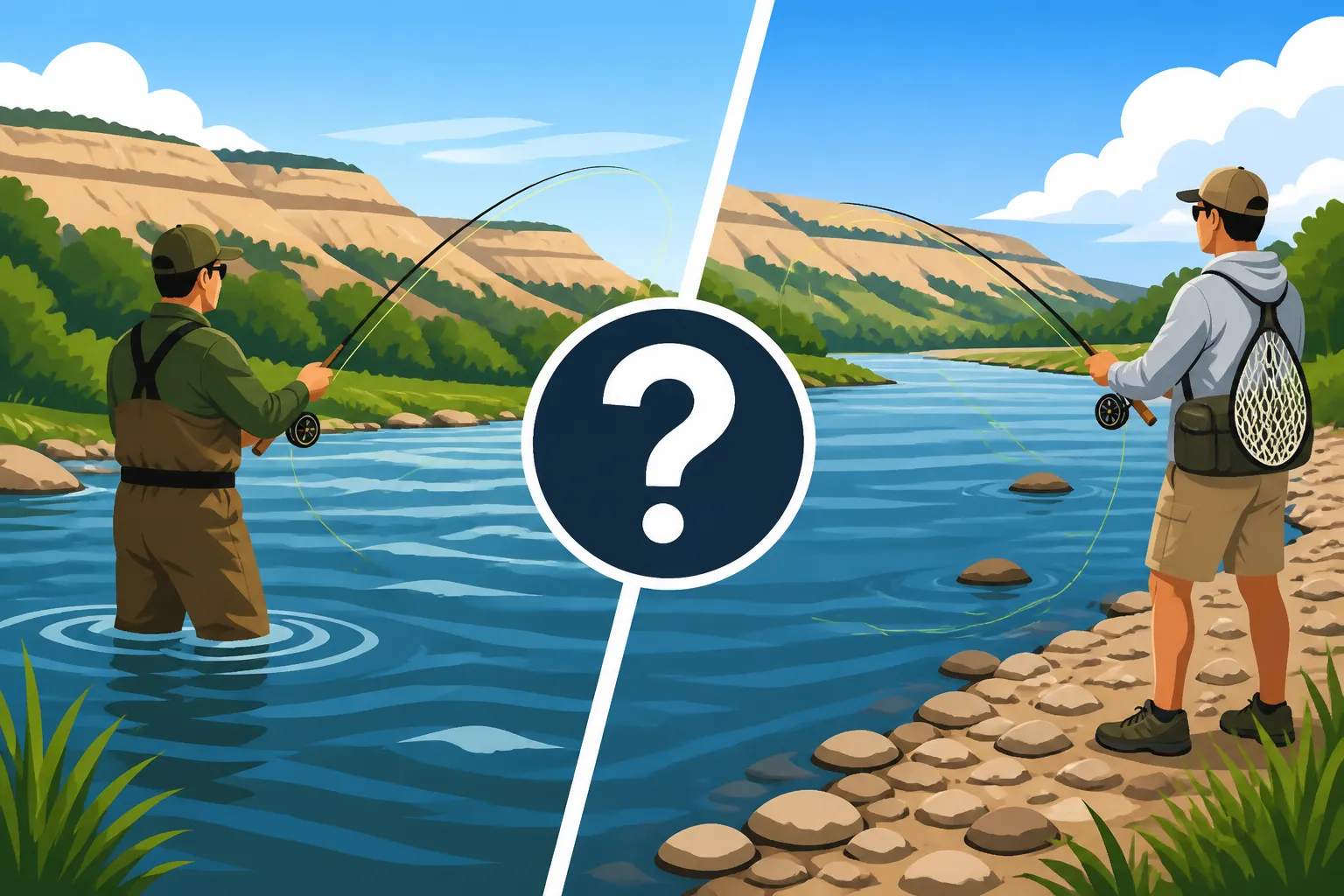
Do You Need Waders to Fish the Platte River?
The Platte River. Ah, the very name conjures images of broad, shallow stretches, shimmering under the Nebraska sun, teeming with fish. It's an iconic waterway, a fishing paradise for many, but it also presents a unique challenge, especially when you're dreaming of wading its waters to reach those elusive spots. One of the biggest questions I hear from fellow anglers, especially those new to river fishing, is whether you truly need waders for the Platte. Let me tell you, it's not a simple yes or no, but understanding the river itself will give you the clearest answer and keep you comfortable and safe.
Understanding the Platte River's Nature and Flow
Before we even talk about gear, let's talk about the Platte River itself. It's not your typical deep, narrow river; it's a beast of its own, and understanding its character is key to knowing how to approach it.
Platte River Characteristics
The Platte River is famously known as a "braided" river, meaning it's often wide and shallow, spreading out into multiple channels that crisscross a sandy or silty bed. This gives it a unique, ever-changing personality. While it often looks shallow, don't let that fool you. The bottom composition can vary wildly, from firm sand to slick mud to unexpected gravel bars and even occasional rocky patches. You might be walking in ankle-deep water one moment and suddenly step into a thigh-deep channel the next. These hidden depressions and swift currents are what make wading the Platte a bit of an adventure – and sometimes, a necessity. The average depth can be deceptive, as many sections are indeed shallow, but the prime fishing lies in those slightly deeper runs and channels that snake through the braids. Platte River Fishing Guide has more on this.
Seasonal Changes and Water Levels
The Platte River is a living entity, constantly fluctuating with the seasons and upstream management.
- Spring Runoff: Early spring often brings higher, colder water as snow melts and spring rains swell the river. This is when the current can be strongest, and wading can be treacherous. The water temperature is frigid, making any accidental dunking a serious concern for hypothermia.
- Summer Flows: During the hot Nebraska summer, water levels can drop significantly, especially if there's less rain or increased irrigation demands upstream. This might make some areas seem easily wadeable in shorts and sandals. However, even in low water, those deeper channels persist, and the current can still be surprisingly strong. Plus, navigating silty bottoms in low water can mean getting stuck in surprisingly thick mud.
- Dam Releases: Don't forget that portions of the Platte are influenced by dams upstream. Releases can rapidly change water levels and current speeds without much warning, turning a calm, wadeable section into a fast-moving, potentially dangerous stretch in a matter of hours. Always check local conditions and forecasts before heading out, and pay attention to any sudden changes in the river's demeanor.
Why Wading is So Popular Here
So, with all these challenges, why do anglers love wading the Platte? Simple: access. Unlike many rivers where bank fishing offers plenty of opportunities, the Platte's wide, braided nature often means the best fish-holding structure – deeper channels, current breaks, submerged logs – is out of casting range from the bank. Wading allows you to:
- Reach Undisturbed Water: Get away from pressured bank-side spots and present your bait or lure to fish that haven't seen every trick in the book.
- Cover More Ground: Systematically work through promising runs, riffles, and pools that would be impossible to reach otherwise.
- Target Specific Species: Whether you're chasing Nebraska Channel Catfish Daily Limit in a deeper hole, pursuing Nebraska Walleye Daily Bag Limit in a current seam, or looking for the spring white bass run, getting into the water often puts you directly over the fish. It gives you a stealthier approach than boat fishing in many shallower areas, allowing you to sneak up on wary fish.
When Waders Become Essential and When They Don't
Now that we understand the river, let's tackle the wader question head-on. The truth is, it depends entirely on the conditions, your target species, and your personal comfort level.
Scenarios Where Waders are a Must-Have
There are absolutely times when leaving your waders at home would be a mistake you'd regret immediately.
- Cold Water or Cold Weather Fishing: This is probably the most crucial factor. If the water temperature is below, say, 60 degrees Fahrenheit (and it often is in spring, fall, and winter), getting wet is not just uncomfortable, it's dangerous. Hypothermia is a real risk. Imagine an early spring morning chasing How to Catch White Bass During the Spring Run – the water will be shockingly cold. Waders keep you warm and dry, allowing you to focus on fishing, not shivering.
- Targeting Deeper Channels or Mid-River Structure: If your goal is to reach those prime fishing spots that are waist-deep or more, waders are non-negotiable. Trying to fish these spots in shorts means you'll be soaked, cold, and likely miserable, severely limiting your time on the water.
- Fly Fishing: Many fly anglers inherently wade, and the Platte's wide-open nature makes it a fantastic place to cast a fly. To effectively present flies, especially to fish holding in current seams further out, you'll need to be in the water, often moving and repositioning.
- Extended Time in the Water: If you plan on spending hours actively wading and moving through the river, whether covering a long stretch or repeatedly crossing channels, waders will make the experience far more enjoyable and sustainable.
- Protection Against Aquatic Invasives (with proper cleaning): While it might sound counterintuitive, wearing waders can actually help prevent the spread of aquatic invasive species, provided you always clean, drain, and dry them thoroughly between different bodies of water. This prevents hitchhiking plants or organisms from being transferred. Nebraska Aquatic Invasive Species Stamp details the broader effort to prevent their spread.
Situations Where Waders Might Be Optional
Sometimes, you can get away without them.
- Shallow Summer Fishing: On a scorching August afternoon, if the river is running particularly low and you're confident you'll stay in ankle-to-knee-deep water, then shorts or quick-dry pants and sturdy wading shoes might suffice. This is especially true if you're targeting panfish in very shallow back channels or just making short forays from the bank.
- Short Bank-Side Excursions: If you're primarily fishing from the bank but just need to step into the water briefly to retrieve a snagged lure, land a fish, or access a small, very shallow pocket, you might not need full waders. A good pair of waterproof boots might do the trick for these brief moments.
- Specific Fishing Techniques: If you're strictly casting heavy baits from dry land for Nebraska Flathead Catfish Fishing in deep holes near the bank, and have no intention of entering the water beyond a few inches, you can skip the waders.
- Warm Weather and Air Temperatures: If both the water and air temperatures are comfortably warm, the risk of hypothermia is significantly reduced. This is when some anglers choose to wet-wade, meaning they wear quick-drying clothing and wading boots directly in the water. However, remember those sudden deep spots!
The Risks of Not Wearing Waders
Going without waders when conditions truly call for them can lead to more than just discomfort.
- Hypothermia: As mentioned, cold water quickly robs your body of heat. A sudden slip or misstep into a deep, cold channel can rapidly lead to a dangerous situation.
- Getting Wet and Uncomfortable: Even if it's not dangerously cold, being soaking wet for hours is simply no fun. It can chafe, make you cold when the sun ducks behind clouds, and generally detract from your enjoyment of the day.
- Lost Gear: A slip and fall in the current can lead to dropped rods, tackle boxes, or other essential gear being swept downstream.
- Unexpected Drops and Getting Stuck: The Platte's sand and silt bottom can be unpredictable. You might encounter sudden drop-offs or areas where your feet sink into deep, clinging mud, making it hard to move or extract yourself. Waders, combined with proper wading boots, offer a bit more stability and protection.
- Encounters with Submerged Obstacles: Logs, rocks, or other debris can be hidden beneath the surface. Waders offer a layer of protection against scrapes and bruises that bare legs wouldn't have.
- Sunburn and Insect Bites: While not directly related to wetness, waders provide a physical barrier against prolonged sun exposure on your legs and can offer some protection from biting insects like mosquitoes and gnats, especially in evening hours.
For many of us, the Platte River is an all-season destination. If you're serious about fishing its unique waters consistently, investing in waders is a wise choice.
Choosing the Right Waders for Platte River Fishing
If you've decided that waders are indeed the way to go for your Platte River adventures, the next step is choosing the right pair. It's not a one-size-fits-all situation, and what works for one angler might not be ideal for another.
Types of Waders: Chest vs. Hip vs. Wading Pants
- Chest Waders: These are the most popular and versatile choice for river fishing. They extend up to your chest, offering maximum protection against deep water, splashes, and cold. For the Platte, where unexpected drops are common and you might be crossing deeper channels, chest waders provide the peace of mind that you'll stay dry. They're available in various materials:
- Neoprene: Excellent for warmth in very cold water, as the material provides insulation. However, they can be bulky and hot in warmer weather, and not as breathable.
- Breathable Fabrics (e.g., Gore-Tex, proprietary blends): Lighter and more comfortable for active wading or warmer conditions. They allow perspiration to escape while keeping water out, making them much more comfortable for long days or strenuous hiking to access spots. These are often the preferred choice for general-purpose river fishing in Nebraska. You might find a great selection of these at a place like Bass Pro Shops.
- Hip Waders: These extend only up to your hips, offering less protection. They are lighter and cooler for very shallow water but are easily overtopped if you step into anything deeper than knee-high. For the Platte's unpredictable nature, hip waders are generally not recommended unless you are absolutely certain you'll only be in very shallow sections, or if you're only using them for brief, shallow forays from the bank.
- Wading Pants: Similar to hip waders but designed like pants, these stop at the waist. They offer more mobility than chest waders but share the same limitation regarding depth. Again, for the Platte, they carry a higher risk of getting wet if you encounter a deeper channel or slip.
For the most flexibility and safety on the Platte River, chest waders made from breathable material are usually the best bet.
Key Features to Look For
When shopping for waders, consider these features to enhance your comfort, durability, and safety:
- Durability and Puncture Resistance: River environments are tough. Look for waders with reinforced knees and seat areas, as these are common points of wear.
- Integrated Boots vs. Stockingfoot:
- Bootfoot Waders: Have waterproof boots permanently attached. They're convenient for quick on-and-off and eliminate the need for separate wading boots. However, the fit of the boot might not be as precise, and if the boot wears out, the whole wader needs replacement.
- Stockingfoot Waders: End with neoprene "socks" and require separate wading boots. This allows for a more custom, comfortable, and supportive fit with your wading boots, which is critical for safety and stability on uneven riverbeds. This is generally my preferred setup for active wading on rivers like the Platte.
- Pockets: Strategically placed, waterproof pockets are incredibly useful for carrying small tackle, a camera, or your phone securely.
- Wading Belt: Absolutely essential for safety. It cinches around your waist, preventing water from rushing up into your waders if you fall, which can create a dangerous "water anchor" effect. Most good waders come with one, but ensure it's sturdy.
- Boot Hangers: Useful straps that allow you to hang your waders upside down to dry, preventing mildew and extending their life.
- Repair Kit: Even the toughest waders can get a pinhole leak. A small repair kit with patches and glue is a lifesaver.
Wading Boots and Accessories
If you opt for stockingfoot waders, your choice of wading boots is just as important as the waders themselves.
- Good Grip and Ankle Support: The Platte's bottom can be slippery, with loose sand, mud, and potentially algae-covered rocks. Look for boots with aggressive rubber soles for traction. Many anglers also add felt soles or cleats (studs) for extra grip, especially on slick surfaces. Good ankle support is crucial to prevent twists and sprains.
- Wading Staff: This is your best friend on the Platte. A collapsible wading staff (you can find plenty of options on Amazon or at Bass Pro Shops) provides a third point of contact, helping you gauge depth, feel for unstable footing, and maintain balance, especially in current. Never wade without one, particularly in unfamiliar or faster-moving sections.
- Wading Belt: Reiterate this! It's a non-negotiable safety item.
- Layers: Remember, waders keep water out, but they don't necessarily keep you warm on their own. Layering appropriate clothing underneath (synthetic base layers, fleece) is vital for temperature regulation.
To sum it up, while you might get away without waders on the Platte on a super hot, low-water day for a quick, shallow excursion, for truly safe, comfortable, and effective fishing that allows you to explore the river's potential, a good pair of breathable chest waders with sturdy wading boots and a wading staff are highly recommended. For more gear insights, check out Best Waders for River Fishing in Nebraska.
Practical Tips for Safe and Effective Platte River Wading
Wading the Platte River offers incredible rewards, but it demands respect and adherence to safety protocols. It's not just about staying dry; it's about staying alive and having a positive experience.
Prioritizing Safety First
Never underestimate the power and unpredictability of river water, even in seemingly placid stretches.
- Always Check Conditions: Before you even leave the house, check the weather forecast, recent rainfall, and, if available, current river flow rates. Heavy rains upstream can dramatically increase flow and depth downstream very quickly.
- Never Wade Alone: This is a golden rule for river wading. Accidents happen – a slip, a snag, a sudden deep spot. Having a buddy nearby significantly increases your safety. If you must go alone, ensure someone knows exactly where you are going and when you expect to return.
- Use a Wading Staff: Seriously, get one and use it. It's an extension of your senses, probing the bottom for depth and stability before you commit your weight. It's also invaluable for balance, especially when traversing uneven ground or strong currents.
- Know Your Limits: Don't try to cross a section that looks too deep or too fast. If the water is pushing against your legs with significant force, or if it's approaching mid-thigh depth, consider another route or another spot. It's never worth risking your life for a fish.
- Wear a Wading Belt (and Cinch It!): This belt isn't just for comfort; it's a safety device. In the event of a fall, it helps prevent your waders from filling completely with water. If your waders fill up, you can become quickly waterlogged and unable to stand or swim.
- Communicate Your Intentions: Let family or friends know your specific plans, including your access point, the stretch of river you intend to fish, and your expected return time. This is especially vital if you're exploring new areas. For a deeper dive into safe wading, look up How to Wade Fish the Platte River Safely.
Reading the River and Wading Techniques
Successful and safe wading is an art form. It's about being observant and deliberate in your movements.
- Identify Safe Crossing Points: Before entering the water, take a few minutes to "read" the river. Look for ripples, slack water, and areas where the current appears less intense. Often, a slight bend or a wider, shallower section will offer a safer crossing. Avoid areas with boils, strong eddies, or visible debris indicating heavy currents.
- Shuffle Your Steps: When wading, never lift your feet completely off the bottom, especially in current. Instead, shuffle them along, feeling for stable ground with each step. This minimizes your risk of tripping or stepping into an unseen hole.
- Face Upstream: When moving across or against the current, face upstream. This allows you to see incoming obstacles and helps the force of the water work with you, pressing you against your wading staff rather than sweeping you off your feet.
- Use the Current to Your Advantage: Sometimes, letting the current take some of the pressure off your downstream leg can help with balance. Learn to lean slightly into the current, using its force to support you rather than fight against you.
- Start Shallow, Test Deep: Always begin in the shallower sections and gradually work your way to deeper water. Use your wading staff to probe ahead, testing the depth and firmness of the bottom before you move.
Maintenance and Care for Your Waders
Your waders are an investment, and proper care will ensure they last for many seasons of Platte River fishing.
- Clean After Every Use: This is not just for hygiene; it's crucial for preventing the spread of aquatic invasive species. After each trip, especially if you're moving between different water bodies, thoroughly clean your waders. Remove all visible mud, debris, and plant matter. Rinse them off inside and out.
- Dry Thoroughly: Once clean, hang your waders upside down (boot-foot waders) or turn stockingfoot waders inside out to dry completely, both inside and out. This prevents mildew, which can degrade the fabric and lead to leaks. Store them in a cool, dry place away from direct sunlight.
- Check for Leaks: Periodically inspect your waders for pinholes or small tears. The easiest way to do this is to turn them inside out, spray them with isopropyl alcohol (it evaporates quickly), and look for dark spots where the alcohol soaks through. Mark any leaks with a pen and repair them promptly with a wader repair kit.
- Proper Storage: Avoid folding or creasing your waders tightly for extended periods, as this can weaken the fabric. Hanging them or rolling them loosely is best.
By respecting the river, taking appropriate safety precautions, and properly maintaining your gear, you'll ensure that your Platte River wading adventures are not only productive but also safe and enjoyable for years to come.
| Wader Type | Best For | Pros | Cons | Platte River Suitability |
|---|---|---|---|---|
| Chest Waders | All-around river fishing, cold/deep water | Maximum protection, keeps you dry and warm in most conditions | Can be bulky, hotter in summer, potentially restrictive movement | Excellent |
| Hip Waders | Very shallow water, bank access, warm weather | Lightweight, good mobility, cooler | Limited depth protection, easily overtopped, higher risk of getting wet | Limited |
| Wading Pants | Moderate shallow water, warm weather | More mobility than chest waders, cooler than neoprene chest waders | Limited depth protection, risk of getting wet in unexpected drops | Limited |
| Bootfoot | Convenience, quick on/off | No need for separate boots, simple setup | Less precise boot fit, whole wader replaced if boot wears out | Good |
| Stockingfoot | Optimal boot fit, comfort, durability | Allows custom boot choice, better ankle support, easier to repair boots | Requires separate wading boots, more initial cost | Excellent |
Disclaimer
This article is for general informational purposes only and does not constitute professional advice. Laws, prices and regulations vary by location and change over time. Consult a qualified professional for guidance on your specific situation.