Merritt Reservoir Fishing Guide
Oh, Merritt Reservoir! If you've ever felt overwhelmed by the sheer size and reputation of some of Nebraska's big lakes, or if you've heard whispers of the incredible fishing opportunities at Merritt but didn't know where to start, you're not alone. It can be intimidating trying to crack the code of a new, sprawling body of water, especially one known for diverse and challenging species. This guide is designed to cut through that confusion, offering a comprehensive, in-depth look at everything you need to know to make your next Merritt Reservoir fishing trip a resounding success.
Getting to Know Merritt Reservoir: A Sandhills Gem
Merritt Reservoir is truly a jewel nestled in the heart of Nebraska's Sandhills. It’s a place where the wide-open prairie meets deep, clear water, creating an almost magical angling experience. Many anglers describe it as a world-class fishery, and once you spend some time there, you'll quickly understand why. It's not just about the fish; it's about the entire experience of being in such a pristine, natural environment.
Location and Landscape
Merritt Reservoir is located in Cherry County, about 26 miles southwest of Valentine, Nebraska. This remote location, while sometimes challenging to reach, is precisely what preserves its wild beauty and makes it such a special destination. The reservoir spans over 2,900 surface acres at full pool, boasting an impressive 45 miles of shoreline, winding through the rolling, grass-covered dunes of the Sandhills. The landscape here is breathtaking, a stark contrast to the more agricultural regions of the state. You'll find yourself surrounded by native prairie grasses, clear blue skies, and incredible star-gazing opportunities at night. This unique environment contributes significantly to the health and vitality of the fish populations within the lake.
The water itself is typically very clear, especially compared to some of Nebraska's other reservoirs fed by more silty rivers. This clarity is a double-edged sword: it makes for beautiful scenery and can be great for sight fishing in certain conditions, but it can also make fish warier, requiring more finesse and thoughtful presentation from anglers. Understanding the clear water dynamics is a crucial first step to unlocking Merritt's potential.
Reservoir Characteristics and Structure
What makes Merritt Reservoir so productive for fishing is its diverse and complex underwater structure. Unlike some man-made lakes that are essentially glorified bathtubs, Merritt offers a variety of habitats that cater to different species. The reservoir has a maximum depth of around 60 feet, with numerous deep holes, submerged humps, creek channels, and expansive flats. The original Snake River channel, which feeds the reservoir, carves a distinct path through the bottom, providing excellent travel corridors and ambush points for predatory fish.
You'll also find a good amount of submerged timber, especially in the upper reaches and along the old creek beds. These brush piles and standing trees provide crucial cover for panfish and juvenile game fish, while also attracting larger predators like bass and pike. The shoreline itself is a mix of sandy beaches, rocky points, and weed beds, offering varied fishing opportunities depending on the season and target species. Learning to read your electronics and identify these key structural elements will be paramount to finding consistent success on Merritt.
A Bit of History and Why It's Special
Merritt Reservoir was created in 1964 with the completion of the Merritt Dam on the Snake River, primarily for irrigation purposes to support the local agricultural community. However, its clear waters and diverse ecosystem quickly established it as a premier recreation destination, especially for anglers. Over the decades, careful management by the Nebraska Game and Parks Commission (NGPC) has fostered a reputation for trophy-sized fish and healthy populations across multiple species.
The reservoir's relative isolation is a major part of its appeal. It hasn't been subjected to the same kind of intense development pressure as some more urban lakes, allowing its natural character to remain intact. This means fewer crowds, more solitude, and a stronger connection to nature during your fishing trips. It’s a place where you can truly escape and immerse yourself in the pursuit of fish, making it a bucket-list destination for many serious anglers and those simply looking for a peaceful getaway.
Prime Fish Species at Merritt Reservoir
Merritt Reservoir is renowned for its diverse fishery, offering a range of species that appeal to all types of anglers. From the elusive walleye to hard-fighting catfish and impressive muskies, there's always something exciting to target. Understanding the habits and preferred habitats of these species is key to filling your livewell or landing that trophy.
Walleye: The Golden Prize
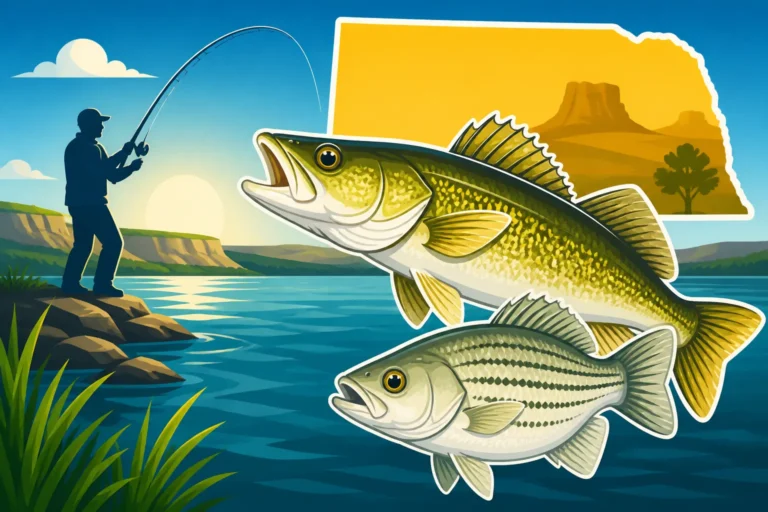
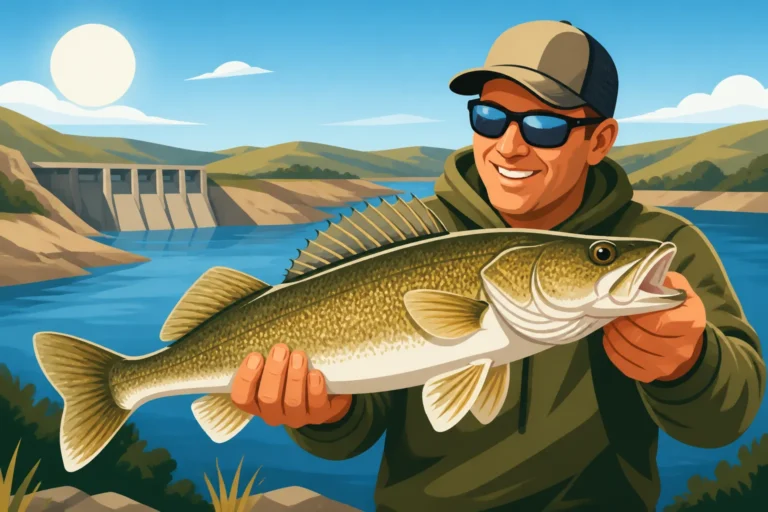
Without a doubt, walleye are the crown jewel of Merritt Reservoir. Anglers flock from all over the Midwest specifically to target these delicious and challenging fish. Merritt is consistently ranked as one of Nebraska's top walleye lakes, with healthy populations and the potential for true trophy-sized catches. You might want to check out our detailed guide on Merritt Reservoir Walleye Fishing to really dial in your approach.
Walleye here thrive in the clear, cool waters and utilize the lake's abundant forage base, primarily gizzard shad and various minnow species. They are often found relating to structure: think submerged humps, rocky points, the old river channel, and transitions from hard bottom to soft bottom. During the spring, after the ice recedes and leading up to their spawn, walleye can often be found shallower, especially on windswept points and sandy flats. As summer progresses, they tend to move deeper, following baitfish into cooler, oxygen-rich waters, often suspending over open water or hugging deep structure. Early mornings, late evenings, and even night fishing can be incredibly productive for walleye, particularly during warmer months when they move shallower to feed under the cover of darkness.
Channel Catfish: The Bottom Dwellers
While walleye often steal the spotlight, Merritt Reservoir also boasts an excellent population of channel catfish. These whiskered warriors provide fantastic action, especially for anglers who prefer a more relaxed fishing style or are looking for some delicious table fare. Channel cats are far less finicky than walleye and can be caught throughout the reservoir, from shallow bays to the deeper main lake basin.
They are often found patrolling the bottom, particularly in areas with softer substrate, near creek mouths, or along the edges of the old river channel. Like walleye, they become more active in the warmer months. During the peak of summer, night fishing for channel catfish can be phenomenal, especially if you're using stink baits, cut bait, or even a good old hot dog. Many anglers enjoy setting up camp on the shore and fishing into the night, enjoying the peaceful Sandhills ambiance while waiting for a solid bite. The current Nebraska Channel Catfish Daily Limit makes it easy to bring home a good mess for a fish fry.
Panfish Perfection: Crappie and Bluegill
For families or those looking for consistent action and easy-to-catch fish, Merritt Reservoir's panfish populations are outstanding. Both black crappie and bluegill are abundant, providing endless entertainment and excellent eating. Crappie are particularly popular, with many anglers reporting good numbers of slab-sized fish.
Crappie in Merritt tend to relate to submerged timber, brush piles, and weed edges, especially during the spring spawn when they move into shallower water. Small jigs tipped with minnows or soft plastics are incredibly effective. As temperatures rise, crappie will often move to deeper brush piles or suspend over open water, making them a bit more challenging but still very catchable. Bluegill, on the other hand, are often found around any type of cover – docks, weed beds, brush, or rocky areas. They are eager biters and will readily take small worms, crickets, or tiny jigs under a bobber. They're a perfect target for introducing kids to fishing, offering immediate gratification and building confidence.
Specialty Catches: Muskellunge and Northern Pike
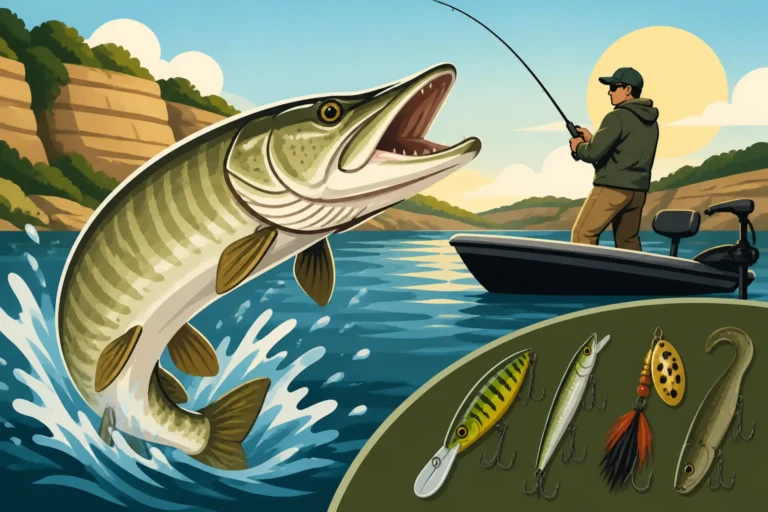
Merritt Reservoir holds a special allure for trophy hunters due to its healthy populations of muskellunge (muskie) and northern pike. These are truly apex predators, known for their aggressive strikes and powerful fights. Targeting these toothy critters requires specialized gear and a patient approach, but the reward of landing a massive muskie or pike is unparalleled. For those daring enough, our guide on Nebraska Muskellunge Fishing offers more in-depth advice.
Muskies, often called "the fish of 10,000 casts," are stocked in Merritt and have thrived, growing to impressive sizes. They are highly sought after by dedicated muskie anglers who understand the dedication required. They often relate to large weed beds, rocky points, and deep structure where they can ambush prey. Northern pike are also present and can grow quite large, offering thrilling fights on appropriate tackle. Both species are typically caught using large spoons, crankbaits, spinnerbaits, or even live bait like large suckers. Remember, these fish have extremely sharp teeth, so a good pair of long-nosed pliers and a jaw spreader are essential for safe handling and release.
Navigating Merritt: Access Points and Boating
Merritt Reservoir is a large body of water, and knowing your way around the access points and understanding the boating rules can make or break your fishing trip. Whether you're launching a bass boat, a pontoon, or a kayak, proper planning ensures a smooth and safe day on the water.
Boat Ramps and Marinas
Merritt Reservoir offers several well-maintained boat ramps to accommodate various vessel types, making access relatively easy despite its remote location. The main hub for activity is often the Merritt Reservoir State Recreation Area, where you'll find the most amenities.
- Cedar Bay: This is a popular access point, particularly for those staying at the Cedar Bay Campground. It offers good concrete ramps suitable for most boats. You'll often find anglers launching here to access the central part of the lake.
- Powderhorn: Located on the north side of the reservoir, Powderhorn also provides good boat launch facilities. This area can be a bit quieter and offers access to different sections of the lake, particularly the north-central areas and the main lake basin.
- Boardman Creek: Further west, Boardman Creek offers additional access. This ramp might be more suitable for smaller boats or when accessing the upper, shallower reaches of the reservoir.
Each ramp provides ample parking for vehicles and trailers, though it's always wise to arrive early during peak season, especially on weekends, to secure a good spot. Remember to pay any required launch fees, which often contribute directly to the maintenance of these facilities. Before you head out, it's always a good idea to check the current water levels, as exceptionally low levels can sometimes affect the usability of certain ramps.
Shoreline Access and Bank Fishing Opportunities
Not everyone has a boat, and that's perfectly fine! Merritt Reservoir offers excellent opportunities for bank fishing, with plenty of accessible shoreline. The extensive miles of undeveloped shoreline mean you can often find a secluded spot to cast a line without interruption.
Many of the campgrounds and day-use areas within the Merritt Reservoir State Recreation Area provide easy access to the water's edge. You can walk the sandy beaches, fish from rocky points, or set up a comfortable spot near a weed bed. For those willing to do a bit of hiking, the possibilities are even greater, allowing you to reach less-pressured areas. Bank anglers can have great success targeting channel catfish, crappie, and bluegill, especially during the spring and fall when fish are shallower. A simple setup with a slip bobber or a bottom rig can yield fantastic results. Always be mindful of your surroundings, pack out anything you pack in, and respect the natural beauty of the area.
Boating Regulations and Safety Essentials
Boating on Merritt Reservoir, like any large body of water, requires adherence to specific regulations to ensure safety for everyone. The Nebraska Game and Parks Commission enforces these rules, and it’s critical to be informed before you launch. You can review the full Nebraska Boat Registration and Fishing Rules for complete details.
- Registration: All motorized boats and sailboats 14 feet or longer must be registered with the state of Nebraska. Non-motorized vessels like canoes and kayaks usually have different requirements, but it's wise to double-check.
- Safety Equipment: Essential safety gear is mandatory. This includes a wearable personal flotation device (PFD) for every person on board, a throwable PFD, a fire extinguisher if your boat has an enclosed engine compartment, navigation lights for night operation, and a sound-producing device (horn or whistle).
- Boating Under the Influence (BUI): Operating a boat under the influence of alcohol or drugs is illegal and carries severe penalties.
- No Wake Zones: Be aware of designated "no wake" zones, especially near boat ramps, docks, and crowded areas. These are crucial for safety and preventing shoreline erosion.
- Aquatic Invasive Species (AIS): Merritt Reservoir is part of a larger effort to prevent the spread of aquatic invasive species like zebra mussels. Always "Clean, Drain, Dry" your boat and trailer before and after launching. This means removing all visible vegetation, draining all water from the boat (livewells, bilge, motor), and allowing your boat to thoroughly dry. There may also be requirements for a Nebraska Aquatic Invasive Species Stamp for your boat.
Merritt Reservoir can get choppy, especially on windy days due to its open exposure in the Sandhills. Always check the weather forecast before heading out and consider wearing your PFD at all times, not just having it on board. Safety first ensures you can enjoy your time on the water to the fullest.
Best Fishing Techniques for Merritt Reservoir
Merritt Reservoir is a diverse fishery, and the best techniques often depend on the season, target species, and even the time of day. What works in spring won't necessarily be effective in the dog days of summer. Becoming a successful angler here means adapting your approach to the conditions.
Spring Tactics: Post-Spawn and Pre-Spawn Frenzy
Spring at Merritt Reservoir is a time of renewed activity, offering some of the year's most exciting fishing. As the ice melts and water temperatures begin to rise, fish become increasingly active, shaking off the lethargy of winter.
- Pre-Spawn Walleye: In early spring, often late March to April, walleye begin to stage for their spawn. They'll move to shallower, rocky points and humps, particularly those exposed to warming sunlight. Trolling crankbaits (like Berkley Flicker Shads or Rapala Shad Raps) along these contours can be incredibly effective. Jigging with a minnow or soft plastic on a 1/4 to 3/8 oz jig head is also a classic method. Look for water temperatures in the low to mid-40s.
- Crappie and Panfish: As water temps reach the mid-50s, crappie and bluegill move into extremely shallow water to spawn. Target protected coves, brush piles, and weed edges. A small jig (1/16 to 1/32 oz) tipped with a minnow, tube, or curly tail grub fished under a slip bobber is a deadly combination. You can practically fill a cooler by targeting these areas.
- Catfish: Channel catfish become more active as the water warms, moving into shallower flats and creek channels to feed. Prepared baits, cut bait, or even nightcrawlers fished on the bottom with a simple slip sinker rig are good choices. Don't overlook creek mouths where new water flows in, bringing in nutrients and potential food.
Summer Strategies: Deep Water and Night Fishing
Summer at Merritt brings warm temperatures and often forces fish into deeper, cooler water or makes them more active during low-light periods. This is where patience and understanding fish behavior truly pay off.
- Walleye in Summer: As surface temperatures climb, walleye often move to deeper offshore structure—submerged humps, the main lake basin, and the old river channel. Trolling with deep-diving crankbaits or spinnerbaits with nightcrawlers (crawler harnesses) can be very productive. Vertical jigging with spoons or heavy jigs on deep structure can also work. Many serious walleye anglers embrace night fishing during summer. Under the cover of darkness, walleye move shallower to feed. Trolling shallow-running crankbaits or casting stickbaits near shore, especially rocky points, can be lights out.
- Catfish at Night: Summer nights are prime time for channel catfish. Focus on main lake points, areas with current, or around submerged structure. Use strong, smelly baits like chicken liver, cut bait (shad or carp), or commercial stink baits. Heavy rods, braided line, and circle hooks are recommended for these hard fighters.
- Muskie and Pike: Summer is a great time to target the big predators. They'll be relating to large weed beds (if present), rocky points, and suspended baitfish. Large bucktails, crankbaits, and soft plastic swimbaits are common choices. Look for early morning or late evening feeding windows. If you’re considering hiring a professional to help you find that trophy, looking for local guides on FishingBooker can connect you with experts who specialize in these challenging species.
Fall Fishing: Turnover and Feeding Frenzies
Fall is a favorite season for many anglers at Merritt, offering cooler temperatures, vibrant scenery, and a furious feeding bite as fish prepare for winter. The key phenomenon to understand is "fall turnover."
- Fall Turnover: As air temperatures drop, the surface water cools and becomes denser, sinking and mixing with the deeper, warmer water below. This can temporarily disperse fish and make them harder to locate. Once the turnover is complete (usually late September to early October), fish often stabilize and begin aggressive feeding.
- Walleye in Fall: Post-turnover, walleye go on a massive feeding binge. They'll often be found near deeper structure, main lake points, and drop-offs. Trolling crankbaits or blade baits, or jigging with minnows, can be extremely effective. The fish are putting on weight for winter, so they're often willing to hit larger presentations.
- Crappie and Panfish: Crappie will start to school up in deeper water, often around the edges of creek channels or significant brush piles. Look for them suspending in 15-25 feet of water. Vertical jigging with small jigs or minnows is a great technique. Bluegill will also school up, often in slightly shallower, protected bays.
- Pike and Muskie: Fall is arguably the best time to target trophy pike and muskie. They are at their heaviest and most aggressive. Focus on areas where baitfish are congregating, often around main lake points and deeper weed edges. Larger presentations are key.
Winter Ice Fishing: Drilling for Gold
When the ice gets thick enough (typically 4 inches for foot travel, more for ATVs/snowmobiles), Merritt Reservoir transforms into an ice fishing paradise. It's a fantastic way to extend your fishing season.
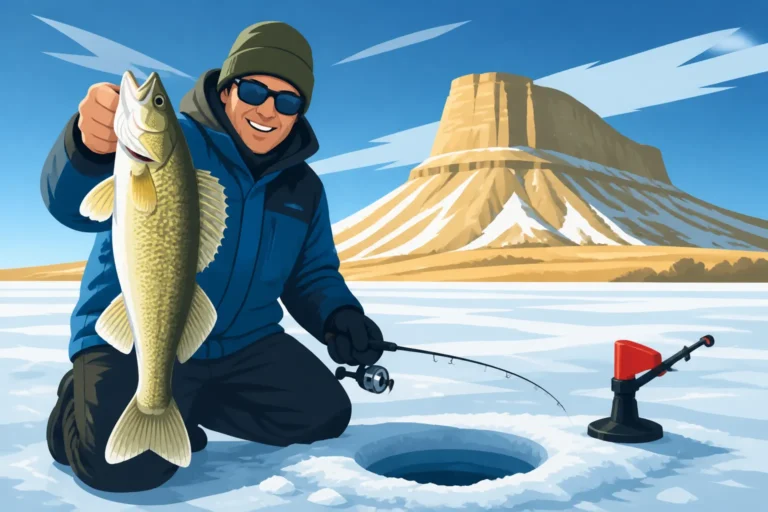
- Walleye on Ice: Walleye are a primary target for ice anglers at Merritt. They'll often be found on main lake humps, points, and along the old river channel. Jigging spoons (like Northland Buck-Shot Rattle Spoons or Clam Rattlin' Blade Spoons) tipped with a minnow head or a whole minnow fished through holes is a popular and effective method. Setting up tip-ups with live minnows is also a classic technique for covering more water.
- Crappie and Perch: While walleye get much of the attention, crappie and yellow perch can offer consistent action through the ice. Look for crappie suspended over deep brush piles or the channel edges. Small tungsten jigs tipped with wax worms, plastics, or minnow heads are deadly. Perch will often be found near the bottom on flats or humps.
- Safety First: Ice fishing, while rewarding, carries inherent risks. Always check ice thickness regularly. Never go alone, and let someone know your plans. Carry safety equipment like ice picks, a spud bar, and a flotation suit. Our guide on How to Ice Fish in Nebraska provides crucial safety tips and gear recommendations.
Essential Gear and Tackle for Merritt Success
Having the right gear can make a huge difference in your success and enjoyment at Merritt Reservoir. While you don't need the most expensive equipment, having reliable and appropriate tackle for the species you're targeting will set you up for a much better experience.
Rods, Reels, and Line Choices
The versatility of Merritt's fishery means you might want a few different setups, but a good all-around combo can get you started.
- Walleye Rods: For jigging and casting lighter lures, a 6'6" to 7' medium-light or medium power spinning rod with a fast action is ideal. Pair this with a 2500-series spinning reel. If you're trolling, a longer, moderate action casting rod (7'-8' medium power) paired with a baitcasting reel is preferred for managing crankbaits and crawler harnesses.
- Catfish Rods: For channel catfish, a medium-heavy to heavy power spinning or baitcasting rod, 7 to 9 feet long, is recommended. You'll need the backbone to handle larger fish and heavier sinkers. Pair this with a 4000-series spinning reel or a robust baitcasting reel.
- Panfish Rods: A light or ultra-light spinning rod, 5'6" to 6'6" long, paired with a small 1000-series spinning reel, is perfect for crappie and bluegill. This setup allows for maximum sensitivity to detect subtle bites.
When it comes to fishing line, diversity is key:
- Monofilament: Good all-around choice for panfish (4-6 lb test) and for trolling walleye with crankbaits (10-12 lb test) due to its stretch and shock absorption.
- Fluorocarbon: Excellent for walleye jigging (6-10 lb test) as a main line or leader, offering low visibility and good sensitivity. It sinks, which can be an advantage.
- Braided Line: Ideal for catfish (20-50 lb test) due to its incredible strength and no-stretch sensitivity. It's also great for walleye jigging in deeper water, often used with a fluorocarbon leader (10-15 lb braid with 8-10 lb fluoro leader).
Baits and Lures That Get Bites
Merritt's fish have a varied diet, so a diverse tackle box is beneficial. Here are some consistent producers:
- Walleye:
- Live Bait: Nightcrawlers (often on a crawler harness), leeches, and live minnows are perennial favorites, especially for picky walleye.
- Crankbaits: Deep-diving models like Berkley Flicker Shads, Rapala Shad Raps, and Reef Runner 600 series in natural baitfish patterns, firetiger, or purpledescent colors. Shallow-running jerkbaits or stickbaits for night fishing.
- Jigs: 1/8 to 3/8 oz jigs tipped with minnows, plastics (paddle tails, grub bodies), or soft plastic worms. Colors like chartreuse, white, orange, and darker purples often work well. You might find our Best Bait for Nebraska Walleye guide helpful for more specific recommendations.
- Catfish:
- Live Bait: Cut bait (shad, carp, perch), chicken liver, large nightcrawlers.
- Prepared Baits: Stink baits, dip baits, and punch baits are highly effective. Brands like Catfish Charlie or Uncle Josh are popular.
- Crappie and Panfish:
- Live Bait: Small minnows, wax worms, crickets.
- Jigs: 1/32 to 1/8 oz tube jigs, marabou jigs, or tiny curly tail grub jigs in white, chartreuse, pink, or black.
- Small Spoons/Spinners: Tiny Kastmaster spoons or small inline spinners can also tempt panfish.
- Muskie and Pike:
- Large Lures: Big bucktail spinners, oversized crankbaits (Musky Innovations Bull Dawgs, Wiley Lures), spinnerbaits, and large soft plastic swimbaits. Consider trying unique colors or patterns to stand out.
- Live Bait: Large suckers (check regulations on size and acquisition).
Electronics and Accessories for the Serious Angler
Modern fishing electronics can dramatically improve your success, especially on a large lake like Merritt.
- Fish Finder/Sonar: A quality fish finder with GPS capabilities is almost essential for finding structure, identifying baitfish schools, and marking individual fish, especially when targeting walleye in deeper water. Side imaging and down imaging technologies can reveal hidden structure like brush piles and rock piles that traditional 2D sonar might miss. Brands like Humminbird (Helix, Solix series) and Lowrance (Elite, HDS series) are popular choices.
- Electric Trolling Motor: A bow-mounted electric trolling motor with GPS Spot-Lock (like Minn Kota Terrova or Ulterra, or Garmin Force) is invaluable for precise boat positioning, stealthy approaches to shallow areas, and holding your boat over structure in windy conditions.
- Landing Net: A large, rubberized landing net is crucial for safely landing larger fish like walleye, catfish, pike, and muskie, minimizing harm to the fish for catch-and-release and preventing hook tangles.
- Pliers/Forceps: Long-nosed pliers or hemostats are essential for safely removing hooks, especially from toothy fish.
- Sun Protection: Due to the open landscape, sun protection (hats, sunglasses, long-sleeved shirts, sunscreen) is critical for comfortable and safe fishing, particularly during long summer days.
Planning Your Merritt Reservoir Fishing Trip
A successful fishing trip to Merritt Reservoir involves more than just knowing where to cast. Thoughtful planning, from accommodations to understanding local conditions, ensures a smooth and enjoyable experience.
Accommodations and Amenities Nearby
Given its remote Sandhills location, Merritt Reservoir is best experienced with a plan for where you'll stay. While it's not surrounded by sprawling towns, there are excellent options available.
- Camping at Merritt Reservoir State Recreation Area: This is by far the most popular option and truly immerses you in the natural beauty of the area. The SRA offers a variety of camping experiences, from primitive tent sites to electrical hook-ups for RVs, particularly at Cedar Bay. Most sites are first-come, first-served, but some can be reserved online through the Nebraska Game and Parks Commission website. Facilities typically include vault toilets, dump stations, and access to potable water. Camping right on the reservoir means you're just steps away from the water, allowing for early morning starts and late-night fishing excursions.
- Merritt Trading Post: Located directly on the reservoir, the Merritt Trading Post is a lifesaver for anglers. It offers cabin rentals, a general store for bait, tackle, snacks, drinks, and ice, and even a restaurant/grill. This is a fantastic option if you prefer more comfortable lodging or need to restock supplies without driving back to town. Their cabins book up quickly, so plan well in advance.
- Valentine, Nebraska: Approximately 26 miles north of the reservoir, Valentine is the closest town of significant size. Here, you'll find a wider range of hotels, motels, restaurants, grocery stores, and bait shops. It serves as a good base for those who prefer more conventional lodging and dining options, though it does add a drive to and from the lake each day.
Remember that cell service can be spotty in the remote Sandhills, so download maps or print out directions before you lose signal.
Weather Considerations and Best Times to Visit
The Nebraska Sandhills weather can be unpredictable, often changing rapidly. Being prepared for varying conditions is crucial for an enjoyable trip.
- Spring (April-May): Generally mild, but can be windy and rainy. Temperatures can fluctuate wildly. This is a fantastic time for walleye and crappie fishing as fish move shallow for spawning. Pack layers and rain gear.
- Summer (June-August): Hot days are common, with temperatures often reaching into the 90s, but nights can be pleasantly cool. Expect bright sunshine. Summer is great for catfish, bass, and deep-water walleye. It's also prime time for muskie and pike. Bring plenty of water, sun protection, and bug spray, especially for evenings.
- Fall (September-October): Many consider fall the absolute best time to visit Merritt. Temperatures are cooler and more stable, crowds thin out, and the fish go on an aggressive feeding binge before winter. The scenery is also beautiful.
- Winter (December-February): Ice fishing season! Expect cold temperatures, often below freezing, and potential for heavy snow. Dress in extreme layers, bring proper ice fishing gear, and prioritize safety on the ice.
Generally, the best times to visit for fishing are late spring (late April-May) and fall (September-October) for multi-species action, especially walleye. Summer nights are excellent for catfish and deep-water walleye. Always check the long-range forecast before your trip and prepare for anything. You might also find our guide to Nebraska Fishing Season Dates and Limits useful for planning around specific species.
Local Resources and Guides
Even with a comprehensive guide like this, local knowledge can be invaluable, especially on a lake as nuanced as Merritt.
- Merritt Trading Post: As mentioned, this is your on-site headquarters. The staff are often anglers themselves and can provide up-to-date information on hot baits, recent catches, and current conditions. Don't be shy about asking for advice!
- Nebraska Game and Parks Commission (NGPC): The NGPC website is a treasure trove of information, including stocking reports, fishing reports, regulation updates, and aquatic habitat information. Their office in Valentine might also offer local insights.
- Fishing Guides: For those serious about maximizing their time or learning the lake quickly, hiring a local fishing guide is an excellent investment. A good guide knows the seasonal patterns, specific hotspots, and the most effective techniques. They also typically provide all the necessary gear. If you're looking for an experienced guide to navigate Merritt's waters and put you on fish, consider checking platforms like FishingBooker. You can browse various local guides, compare their specialties (like walleye or muskie), and book your trip with confidence, ensuring you learn from the best without the trial and error.
- Online Forums and Social Media Groups: Local Nebraska fishing groups on social media platforms can be a great place to connect with other anglers, get recent reports, and ask questions. Just remember to take everything with a grain of salt and respect others' fishing spots!
Regulations and Conservation Efforts
Adhering to fishing regulations isn't just about avoiding a fine; it's about being a responsible angler and ensuring healthy fish populations for future generations. Nebraska's Game and Parks Commission works tirelessly to manage fisheries like Merritt Reservoir, and our participation in conservation is crucial.
Nebraska Fishing License and Permit Requirements
Before you even think about casting a line in Merritt, or any public water in Nebraska, you need to be properly licensed. This is non-negotiable and funds the very conservation efforts that make places like Merritt so productive. Our comprehensive Nebraska Fishing License Guide covers all the details.
- Who Needs a License: Generally, all Nebraska residents age 16 and older, and all non-residents age 16 and older, are required to possess a valid Nebraska fishing license. There are specific exemptions for landowners fishing on their own property, or during the annual Free Fishing Day, but for public waters like Merritt, a license is mandatory.
- Types of Licenses: You can purchase annual licenses, 1-day, 3-day, or lifetime permits. For those who frequently visit Merritt, an annual permit is usually the most cost-effective.
- Aquatic Habitat Stamp: In addition to a fishing license, most anglers are required to purchase a Nebraska Aquatic Habitat Stamp. This stamp is critical as its proceeds are dedicated to the enhancement and restoration of aquatic habitats across the state, directly benefiting fisheries like Merritt Reservoir. Often, it's automatically added to your license purchase, but it's good to be aware of its purpose. You can learn more with our article on the Nebraska Aquatic Habitat Stamp Explained.
- Where to Buy: Licenses can be purchased easily online through the GoOutdoorsNE portal, at Nebraska Game and Parks offices, or from hundreds of authorized vendors across the state, including many bait shops and sporting goods stores. Always carry your license with you while fishing, either physically or digitally on your phone.
Merritt-Specific Bag and Length Limits
While general statewide regulations apply, some waters, including Merritt Reservoir, often have special regulations for specific species to manage their populations effectively. It's vital to check the current Nebraska Fishing Guide for Merritt-specific rules before each trip.
- Walleye: Merritt is known for its quality walleye fishery, and often has specific length and bag limits designed to protect larger spawning females and ensure a healthy size structure. For example, there might be slot limits (where fish within a certain size range must be immediately released) or reduced daily bag limits. Always confirm the current Nebraska Walleye Bag Limits for Merritt before your trip.
- Muskellunge (Muskie): Due to their trophy status and slower growth rates, muskies almost always have very strict length limits (often 40 inches or more) and very low daily bag limits, sometimes only one fish per year. The goal is to allow these fish to reach their full potential.
- Northern Pike: Pike also typically have specific length and bag limits.
- Catfish and Panfish: While these species usually fall under statewide regulations, it's always worth a quick check. The Nebraska Channel Catfish Daily Limit is usually quite generous, but it's good practice to only keep what you'll reasonably eat.
These special regulations are put in place by biologists after extensive research, so following them ensures that Merritt continues to be a fantastic fishery for everyone. Ignorance of the rules is not an excuse, and penalties for violations can be significant.
Protecting the Resource: Catch and Release Practices
For many anglers at Merritt, especially those targeting trophy walleye, muskie, or pike, catch and release is a crucial part of the fishing ethic. Proper handling ensures that these magnificent fish survive to fight another day and contribute to the breeding population.
- Minimize Fight Time: Use appropriate tackle that can bring the fish in quickly without over-stressing it.
- Wet Hands: Always wet your hands before touching a fish. Dry hands can remove the protective slime coat, making the fish more susceptible to disease.
- Support the Fish: When handling larger fish, support their body horizontally. Never hold a large fish vertically by its jaw alone, as this can damage its internal organs.
- Quick Release: Have your camera ready (if you're taking a photo), quickly remove the hook, and get the fish back in the water as fast as possible.
- Revive If Necessary: If a fish appears sluggish, gently hold it upright in the water, facing into any current, and move it slowly back and forth until it regains strength and swims away on its own.
- De-barb Hooks: Many anglers targeting trophy fish will de-barb their hooks (crimp down the barb with pliers). This makes hook removal much easier and quicker, reducing stress and injury to the fish.
Practicing responsible catch and release, especially for vulnerable species or larger breeding fish, is one of the best ways we can all contribute to the long-term health and prosperity of Merritt Reservoir's incredible fishery.
| Fish Species | Best Time to Target | Typical Depths (Feet) | Preferred Baits/Lures | Notes |
|---|---|---|---|---|
| Walleye | Spring (Pre/Post-spawn), Fall, Summer nights | 5-60 | Minnows, Crawlers, Leeches, Crankbaits, Jigs | Trophy potential, often structure-oriented |
| Channel Catfish | Summer (especially nights), Spring, Fall | 5-30 | Cut Bait, Stink Bait, Nightcrawlers | Abundant, great for shore anglers |
| Crappie | Spring (spawn), Fall, Winter (ice) | 3-25 | Small Minnows, Tube Jigs, Curly Tail Grubs | Excellent numbers and size |
| Bluegill | Spring, Summer, Fall | 2-15 | Worms, Crickets, Tiny Jigs | Great for kids and consistent action |
| Muskellunge | Summer, Fall | 5-30 | Large Bucktails, Crankbaits, Swimbaits, Suckers | Trophy-only, challenging to catch |
| Northern Pike | Spring, Fall | 5-25 | Large Spoons, Spinnerbaits, Minnows | Aggressive, good fighters |
Disclaimer
The information provided in this guide is for general informational purposes only and is based on typical conditions and regulations. Fishing conditions, fish behavior, and regulations can change frequently. Always consult the most current Nebraska Game and Parks Commission fishing guide and local regulations before heading out on your trip. Weather conditions can change rapidly, and personal safety should always be your top priority.