Best Fishing Spots Near Omaha
Feeling the urge to wet a line, but scratching your head trying to figure out where to go near Omaha? It’s a common frustration. You live in a bustling city, and while you might assume all the good fishing spots require a long drive into the Sandhills, that’s simply not true. This comprehensive guide is here to unravel the mystery, showing you not only where to cast your line in and around Omaha but also how to make the most of your time on the water.
Why Finding Great Fishing Near Omaha Can Feel Like a Secret
For many urban anglers, the biggest hurdle isn't the skill of fishing itself, but just figuring out where the fish actually are. Omaha is a vibrant city, and while it's surrounded by agricultural land and prairie, it's not always obvious where the prime fishing opportunities lie. You might hear whispers about a great spot but getting solid, actionable information can feel like trying to find a needle in a haystack.
The "City Limits" Misconception
It's easy to fall into the trap of thinking that to truly enjoy a good fishing experience, you need to drive for hours, leaving the city far behind. We often picture pristine wilderness or vast, remote reservoirs as the only places where fish thrive. This misconception can be incredibly discouraging, especially when you only have a few hours to spare or you’re trying to introduce kids to the sport. The truth is, Omaha itself, and the areas immediately surrounding it, are dotted with fantastic fishing locations that are often overlooked. These urban and near-urban lakes and rivers are frequently stocked and managed by the Nebraska Game and Parks Commission, offering surprisingly robust populations of popular game fish right on your doorstep.
Overwhelm of Options, or Perceived Lack Thereof
Sometimes the problem isn't a lack of options, but a perceived lack of good options, or simply too many small, unpublicized ponds that make it hard to choose. You might see a dozen little ponds on a map, but which ones hold decent fish? Which ones are accessible? This deluge of information, or the lack of curated guidance, can lead to decision paralysis. Instead of heading out, you end up staying home, unsure of where your efforts will be best rewarded. My goal here is to cut through that noise, highlighting the proven spots that consistently deliver, whether you're chasing trophy walleye, a mess of crappie, or just want to catch some bluegill with the kids.
The Urban Oasis: Fishing Within Omaha's City Limits
You don't always need to pack an overnight bag to find some action. Omaha boasts several fantastic fishing lakes right within the metropolitan area. These spots are perfect for a quick morning outing, an after-work stress reliever, or a family trip where convenience is key.
Standing Bear Lake
Located in northwest Omaha, Standing Bear Lake is a true urban gem, offering a surprising variety of fishing opportunities for its size. This 135-acre reservoir is part of a larger park system, providing easy access and plenty of amenities. It’s a popular spot, and for good reason.
You can expect to find good populations of channel catfish, largemouth bass, bluegill, crappie, and even some walleye. The lake features several fishing piers and plenty of shoreline access, making it excellent for anglers without a boat. Many locals love to bring a bucket of worms and a simple bobber rig for panfish, especially with younger anglers, as the action can be pretty consistent. The lake is regularly stocked by Nebraska Game and Parks, which helps maintain healthy fish populations. For more specific details, you can check out our guide on Standing Bear Lake Fishing in Omaha.
For those with kayaks or smaller boats, there's a boat ramp available (electric motors only, no gas outboards). Kayak anglers often find success targeting bass along the submerged timber and weed lines. If you're going after catfish, nightcrawlers, chicken liver, or prepared stink baits fished on the bottom tend to be quite effective, particularly in the evenings or early mornings during warmer months. Remember to keep an eye on the Nebraska Fishing Daily Bag and Possession Limits for all species you might encounter.
Zorinsky Lake
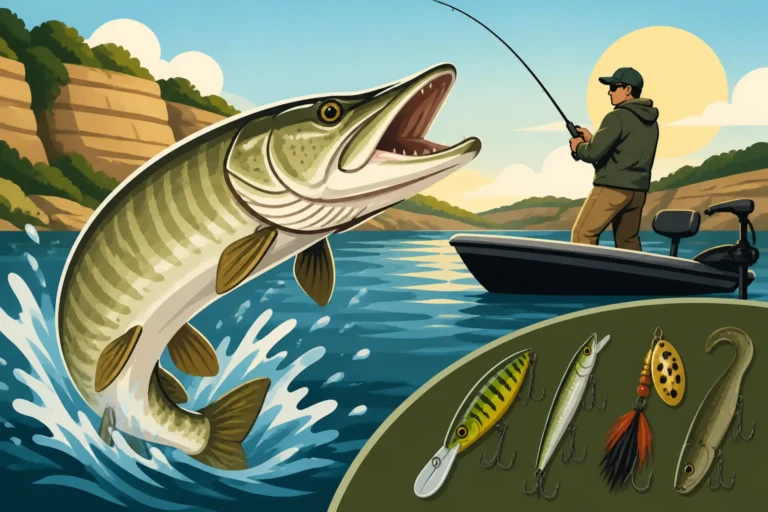
Southwest Omaha is home to another fantastic urban fishery: Zorinsky Lake. This much larger body of water, spanning over 255 acres, offers a more expansive feel while still being incredibly accessible. Zorinsky is known for its impressive populations of largemouth bass, channel catfish, crappie, bluegill, and even some muskie for the dedicated angler looking for a real challenge.
The lake's varied structure, including submerged humps, drop-offs, and plenty of shoreline cover, provides excellent habitat for a diverse range of species. Bass anglers often do well throwing spinnerbaits, crankbaits, or soft plastics around the numerous points and coves. Crappie schools can be found around brush piles and submerged trees, especially in spring and fall, often caught on small jigs or minnows. For those interested in this particular lake, dive deeper with our Zorinsky Lake Fishing in Omaha guide.
Zorinsky Lake has multiple boat ramps, allowing for both electric and gas motor boats, though there are speed limits. This makes it a great option for serious boat anglers who want to cover more water, as well as those preferring to fish from shore. There are also designated fishing piers that offer great vantage points. When planning a trip, consider checking the Nebraska Fishing Regulations Explained to ensure you're compliant with all local rules.
Cunningham Lake
Cunningham Lake, located in north Omaha, is a slightly smaller but equally appealing option, especially for families and those seeking a more relaxed experience. This 390-acre lake is managed for various recreational activities, with fishing being a major draw. It offers excellent opportunities for channel catfish, crappie, bluegill, and largemouth bass.
The lake boasts numerous accessible fishing spots along its shoreline, making it ideal for bank anglers. There are also several public fishing piers that extend into deeper water, increasing your chances of finding actively feeding fish. For a deeper look into this location, be sure to check out our specific article on Cunningham Lake Fishing in Omaha. Kids often have a blast here, reeling in bluegill on small hooks with bits of worm, which is a fantastic way to introduce them to the joys of fishing. Don’t forget, even young anglers might need a permit depending on their age, so always check Do Kids Need a Fishing License in Nebraska? before you head out.
Cunningham Lake also has a boat ramp for those with canoes, kayaks, or boats with electric motors. While not as large as Zorinsky, it offers enough open water for quiet cruising and targeting fish away from the shoreline crowds. The lake regularly receives stockings of channel catfish, ensuring a healthy population for anglers.
Short Drive, Big Rewards: Excellent Spots a Stone's Throw Away
Sometimes, a little bit of a drive can open up a whole new world of fishing possibilities without consuming your entire day. These spots, generally within a 30-60 minute drive from Omaha, offer larger waters, different habitat types, and often more diverse angling challenges.
Fremont Lakes State Recreation Area
Just a short drive northwest of Omaha, the Fremont Lakes State Recreation Area is a true paradise for anglers. This sprawling complex of over 20 sandpit lakes, covering more than 300 acres of water, provides an incredible array of fishing experiences. Each lake has its own character and fish populations, offering something for everyone.
You'll find fantastic fishing for largemouth bass, channel catfish, crappie, bluegill, and even some trout during the cooler months when Nebraska Game and Parks conducts seasonal stockings. The sheer number of lakes means you can easily spend a full day exploring different spots, targeting different species, or simply moving on if one lake isn't producing. Many of these lakes have excellent shore access, making them perfect for bank fishing, and several have boat ramps for small boats, kayaks, and canoes. Our guide on Fremont Lakes State Recreation Area Fishing offers more in-depth information.
The diverse structure in these sandpits, from deep drop-offs to abundant aquatic vegetation, creates prime habitat. For bass anglers, crankbaits and soft plastics can be very effective, while crappie often bite on minnows or small jigs around brush piles. If you're a fan of fly fishing, some of the clearer lakes are great for targeting bluegill. Remember that a Nebraska State Park permit might be required in addition to your fishing license to access these areas, so check the Nebraska State Park Fishing Permit Rules beforehand.
Pawnee Lake
A bit further west, near Lincoln (but still easily manageable for an Omaha day trip), Pawnee Lake is a consistent producer for many Nebraska anglers. This 740-acre reservoir is known for its strong populations of channel catfish, crappie, bluegill, and a respectable number of largemouth bass and walleye. It offers a larger, more open water experience compared to the urban lakes.
Pawnee Lake features several boat ramps, allowing access for all types of fishing boats, from small jon boats to larger bass boats. Shoreline access is good in many areas, particularly near the camping and day-use facilities. Catfish anglers often find great success fishing the deeper channels and submerged creek beds, using a variety of baits from cut bait to prepared dough baits. Crappie schools can be located using a fish finder or by targeting visible structure like standing timber or riprap. For those keen on visiting, our Pawnee Lake Fishing guide provides more specific strategies.
The lake also boasts decent numbers of white bass, which can offer exciting, fast-paced action, especially during their spring runs. When the white bass are schooling and feeding on baitfish, anglers can have a blast throwing small spoons or inline spinners. Always be mindful of specific regulations, and for general licensing requirements, check out the Nebraska Fishing License Guide.
Branched Oak Lake
As the largest lake in eastern Nebraska, Branched Oak Lake is an absolute must-visit for any serious angler near Omaha. Located northeast of Lincoln, this massive 1,800-acre reservoir offers an incredible diversity of fishing, often considered one of the Best Places to Fish in Nebraska. It’s a bit of a longer drive, but the potential for trophy fish across multiple species makes it well worth the trip.
Branched Oak is famous for its outstanding channel catfish and flathead catfish populations. Anglers frequently land catfish weighing well into the double digits here. It’s also an excellent spot for largemouth bass, white bass, crappie, bluegill, and a growing population of wipers (hybrid striped bass). The lake's vast expanse means there's always a new cove or structure to explore. For detailed tactics, consult our comprehensive Branched Oak Lake Fishing Guide.
With numerous boat ramps, extensive shore access, and even a marina, Branched Oak caters to all types of anglers. If you're targeting those big flatheads, live bait like bluegill or bullheads fished after dark is often the ticket. For wipers, look for schooling baitfish in open water, and be ready with fast-moving artificials like topwater lures or sassy shads. Before heading out, make sure your boat complies with Nebraska Boat Registration and Equipment Requirements, and don't forget your Nebraska Aquatic Habitat Stamp Explained, which is often required for fishing public waters.
Beyond the Horizon: Day Trip Destinations for Serious Anglers
For those days when you're craving a true angling adventure and are willing to put in a couple of hours of driving, Nebraska offers some exceptional larger reservoirs and rivers that are within a reasonable day-trip distance from Omaha. These spots often hold bigger fish and offer a more immersive outdoor experience.
Harlan County Reservoir
While it's a bit of a drive (about 2.5-3 hours southwest of Omaha), Harlan County Reservoir near Republican City is a legendary Nebraska fishery, often considered one of the state's premier destinations for walleye and white bass. Covering over 13,000 acres, it's one of Nebraska's largest reservoirs and provides truly expansive fishing opportunities.
Harlan County is a walleye factory, with anglers consistently pulling in good numbers of eater-sized fish and the occasional trophy. Trolling crankbaits or pulling spinner rigs over the lake's numerous submerged humps and points are popular and effective techniques. It's also famous for its incredible white bass runs, particularly in spring, when thousands of these hard-fighting fish invade the shallows and tributary mouths. Catching a limit of white bass during these runs is a common and exhilarating experience. Our dedicated guide to Harlan County Reservoir Fishing offers detailed insights into this fantastic spot.
Beyond walleye and white bass, Harlan also boasts strong populations of channel catfish, crappie, and even some largemouth bass. Its sheer size means it can handle a lot of fishing pressure without feeling crowded, and there are multiple boat ramps and camping areas available. If you're planning a trip, consider looking into a local guide service through platforms like FishingBooker to maximize your chances of success, especially for walleye.
Lewis and Clark Lake
Stretching along Nebraska's border with South Dakota, Lewis and Clark Lake is a vast, beautiful body of water on the Missouri River, about a 2-hour drive north of Omaha. This massive reservoir (around 25,000 acres of water) offers incredible fishing diversity and a stunning natural backdrop. It’s a popular spot for both Nebraska and South Dakota anglers, thanks to reciprocal agreements in certain areas.
Lewis and Clark Lake is a multi-species angler's dream. It's renowned for its walleye, sauger, and channel catfish fishing. The confluence of the Niobrara and Missouri Rivers creates rich, fertile waters that support robust fish populations. Anglers frequently target walleye and sauger by trolling crankbaits along contours or jigging near structure, especially around the dam and along current seams. The channel catfish fishing here can be phenomenal, with plenty of opportunities for big cats using traditional bottom fishing techniques. Check out our in-depth Lewis and Clark Lake Fishing Guide for more information.
The lake's size requires a sturdy boat, and there are numerous access points and boat ramps along both the Nebraska and South Dakota sides. Beyond the main game fish, you'll also find crappie, white bass, and northern pike. When planning your visit, be sure to understand the specific border water regulations, as they can differ slightly from inland Nebraska rules.
Platte River (Lower Sections)
For those who prefer the dynamic challenge of river fishing, the lower sections of the Platte River, easily accessible west of Omaha, offer a completely different experience. While not a lake, the Platte is a significant waterway that provides excellent opportunities, especially for catfish.
The Platte River, particularly below the confluence with the Elkhorn River, is known for its abundant channel catfish and flathead catfish. Anglers often fish from the banks at various public access points or launch smaller boats, canoes, or kayaks to drift fish. The river's constantly changing currents, snags, and sandbars create a dynamic environment that requires a different approach than lake fishing. Our guide on Platte River Fishing Guide gives you all the details you need for success.
Live bait, like shad, sunfish, or large nightcrawlers, are particularly effective for flatheads, while cut bait, stink bait, or chicken liver works wonders for channel cats. The river also holds carp, drum, and various panfish species. Remember to exercise caution when wading or boating in river currents, and always check the flow rates before heading out. Fishing from shore is a common and rewarding experience here, but always ensure you have legal access.
Targeting Specific Species: Where to Find Your Favorite Fish Near Omaha
Every angler has their preferred quarry. Whether you're obsessed with the elusive walleye, the hard-fighting catfish, or the feisty bass and panfish, knowing where to focus your efforts near Omaha can make all the difference.
Walleye Hotspots
Walleye are a prized catch in Nebraska, known for their delicious fillets and challenging nature. While Lake McConaughy gets all the glory, there are closer options for Omaha anglers.
For a reliable chance at walleye without a long drive, Branched Oak Lake stands out. Its expansive, often turbid waters and varied structure provide excellent walleye habitat. Trolling crankbaits along contours, especially during low light conditions or at night, is a popular and effective method. You'll want to focus on main lake points, submerged humps, and the edges of creek channels. Another urban spot that occasionally produces walleye is Standing Bear Lake, particularly in the deeper areas near the dam. While not as abundant as other species, dedicated anglers can find success with jigs tipped with minnows or soft plastics. For those willing to travel a bit further, Harlan County Reservoir is a true walleye mecca, boasting some of the best walleye fishing in the state. Understanding the Nebraska Walleye Daily Bag Limit is crucial before you keep any of these tasty fish.
Catfish Havens
If you love the thrill of a strong, bottom-dwelling fight and the promise of a delicious fish fry, Omaha-area waters are fantastic for catfish. Both channel catfish and impressive flathead catfish call these lakes and rivers home.
Branched Oak Lake is arguably the king of catfish near Omaha, offering incredible opportunities for both channel and flathead catfish. The numerous creek channels, submerged timber, and riprap shorelines provide perfect ambush points for these whiskered predators. Using cut bait, live bait (for flatheads), or stink bait fished on the bottom with a sturdy Best Rod Setup for Nebraska Catfish will yield results. The Platte River is another top-tier destination, especially for those seeking large flatheads. Fishing near log jams, deep holes, or current seams with a large live baitfish after dark can lead to truly memorable catches. Closer to home, Zorinsky Lake and Cunningham Lake are regularly stocked with channel catfish and offer consistent action, especially in the evenings. Always be aware of the Nebraska Channel Catfish Daily Limit.
Bass & Panfish Paradise
For sheer numbers, consistent action, and family-friendly fishing, bass and panfish (crappie and bluegill) are hard to beat. Luckily, the Omaha area is teeming with great spots for these popular species.
Almost all the urban lakes around Omaha are excellent for bass and panfish. Zorinsky Lake and Standing Bear Lake are top choices for largemouth bass, with plenty of cover, structure, and baitfish to support healthy populations. Throwing soft plastics, spinnerbaits, or topwater lures early in the morning can be very productive. For panfish, Cunningham Lake and the numerous small lakes within Fremont Lakes State Recreation Area are ideal. Bluegill and crappie are abundant, providing constant action for anglers of all ages. Small jigs, minnows, or a simple worm under a bobber are usually all you need. You can find out more about catching these species in our guides like Largemouth Bass Fishing in Nebraska and Crappie Fishing in Nebraska. Remember that crappie can be found around brush piles and submerged structure, while bluegill are often closer to shore around docks and weed beds.
Essential Tips for Fishing Near Omaha
Knowing where to go is just the first step. To truly have a successful and enjoyable outing, you need to understand the local nuances, rules, and best practices.
Understanding Local Regulations
Nebraska has specific fishing regulations that apply statewide, but individual water bodies can also have unique rules, especially regarding length limits or special seasons. Always consult the current Nebraska Fishing Guide published by the Game and Parks Commission. You can usually pick up a physical copy at bait shops or download it from the GoOutdoorsNE website.
For example, a lake might have a slot limit for bass, meaning fish within a certain size range must be immediately released, while others outside that range can be kept. Similarly, walleye and catfish often have specific daily bag and possession limits that vary by water. Getting your Nebraska Fishing License Guide is the absolute first step before heading out. Moreover, understanding the Nebraska Fishing Regulations Explained will save you potential headaches and fines. Ignoring these rules isn't just illegal, it also negatively impacts fish populations that we all want to enjoy for years to come.
Best Time of Year and Day
Fishing success in Nebraska is heavily influenced by the seasons and time of day. While you can catch fish year-round, certain periods are undeniably better for specific species.
- Spring Fishing in Nebraska: This is prime time! As ice recedes and water temperatures rise, fish become incredibly active. Walleye move to shallower spawning grounds, crappie gather in brush piles, and bass start to emerge from their winter slumber. The white bass runs in larger reservoirs are legendary in spring. Early morning and late evening are almost always best as fish feed actively and avoid bright sunlight.
- Summer Fishing in Nebraska: Hot summer days often mean fish move to deeper, cooler water or become more active during low-light periods. Night fishing for catfish becomes incredibly popular and productive. Bass will often hit topwater lures at dawn and dusk. Targeting thermoclines in deeper lakes can be key for walleye and crappie.
- Fall Fishing in Nebraska: As temperatures drop, fish enter a feeding frenzy to bulk up for winter. This is another fantastic time for aggressive bites from bass, walleye, and crappie. Many species can be found shallower than in summer, making them easier to target.
- Winter Fishing in Nebraska: For the brave, ice fishing offers unique opportunities. Species like crappie, bluegill, perch, and even walleye can be caught through the ice. Always prioritize safety and know the How Thick Ice Needs to Be to Fish Safely in Nebraska.
Gear for Omaha Waters
You don't need a boatload of expensive gear to catch fish near Omaha, but having the right tools for the job certainly helps.
For panfish and smaller bass, a light to medium-light spinning rod and reel combo with 4-8 pound monofilament line is perfect. A simple bobber, a few hooks (size 6-10), and some nightcrawlers or wax worms will get you started. If you're targeting larger bass or walleye, a medium-action spinning or baitcasting setup with 8-12 pound fluorocarbon or braided line is more appropriate. For catfish, especially those Platte River monsters, you'll want a heavy-action rod, a robust spinning or baitcasting reel, and 20-30 pound mono or braided line, often paired with a sturdy circle hook and a heavy sinker for bottom fishing. Read more about specific setups in Best Rod Setup for Nebraska Walleye and Best Rod Setup for Nebraska Catfish.
When it comes to bait, live bait such as nightcrawlers, minnows, and shad are universally effective. Artificial lures like crankbaits, spinnerbaits, soft plastics (worms and creature baits), and jigs are essential for targeting predatory species like bass and walleye. Always have a variety of options, as fish preferences can change throughout the day.
Planning Your Omaha Area Fishing Adventure
A little preparation goes a long way in ensuring a successful and enjoyable fishing trip. From where you get your information to how you access the water, thoughtful planning makes a difference.
Utilizing Online Resources
In today's digital age, information is readily available if you know where to look. The Nebraska Game and Parks Commission website (GoOutdoorsNE) is an invaluable resource. Here you can buy your How to Buy a Nebraska Fishing License Online, check regulations, view stocking reports, and find maps of public access areas. Many local bait and tackle shops, like Cabela's or smaller independent shops, also have websites or social media pages where they post local fishing reports and provide advice. Don't underestimate the power of a quick chat with the folks behind the counter at your local bait shop; they often have the most up-to-date intel on what's biting where.
Hiring a Guide
For those looking to accelerate their learning curve, target a specific trophy fish, or simply maximize their chances of success on a new body of water, hiring a local fishing guide can be an excellent investment. Guides typically have years of experience on specific lakes or rivers, intimately understand fish patterns, and possess all the necessary gear. They can teach you local techniques, show you hidden hotspots, and even help you identify the Best Time of Year for a Nebraska Fishing Trip.
Platforms like FishingBooker make it easy to find and book reputable fishing guides in the Omaha area and across Nebraska. You can read reviews, compare prices, and see what species different guides specialize in. It’s a fantastic way to turn a good day of fishing into a truly exceptional one, especially if you're targeting a tricky species like walleye on a large reservoir or flathead catfish on the Platte River. A guide's knowledge can be the difference between a few nibbles and a truly memorable catch.
Boat vs. Shore Fishing
The type of access you have can significantly impact your fishing experience near Omaha. Both boat fishing and shore fishing have their distinct advantages.
- Shore Fishing: Most urban lakes like Standing Bear, Zorinsky, and Cunningham offer excellent shore access with plenty of bank space and fishing piers. This is ideal for beginners, families, or anyone who enjoys the simplicity of casting from solid ground. Many of the Fremont Lakes also provide fantastic shore opportunities. You don't need to worry about launching a boat, fuel, or complex electronics. It’s a great way to enjoy nature with minimal fuss. For more tips, check out How to Fish From Shore in Nebraska.
- Boat Fishing: For larger lakes like Branched Oak, Harlan County, or Lewis and Clark, a boat (whether a kayak, canoe, jon boat, or full bass boat) allows you to cover much more water, access deeper structure, and reach areas inaccessible from shore. This can be critical for targeting suspended fish or those holding on offshore humps. Many public lakes have boat ramps, but always check if there are motor restrictions (e.g., electric motors only). Kayaks, in particular, have gained immense popularity for their versatility and ability to access skinny water where larger boats can't go. Consider a Best Kayak for Fishing Moving River Water if river fishing is your passion.
Omaha Area Fishing Spot Comparison
Here’s a quick overview of some of the best fishing spots near Omaha, helping you choose your next destination based on what you’re looking for.
| Lake Name | Location (Approx. from Omaha) | Primary Species Target | Best Access Type | Key Features |
|---|---|---|---|---|
| Standing Bear Lake | Northwest Omaha (15-20 min) | Catfish, Bass, Panfish | Shore, Kayak, Electric Boat | Urban, accessible piers, regularly stocked |
| Zorinsky Lake | Southwest Omaha (20-25 min) | Bass, Catfish, Crappie, Muskie | Shore, Boat (gas/electric) | Larger urban lake, diverse structure, multiple ramps |
| Cunningham Lake | North Omaha (15-20 min) | Catfish, Panfish, Bass | Shore, Kayak, Electric Boat | Family-friendly, good panfish action, stocked catfish |
| Fremont Lakes SRA | Fremont (40-50 min) | Bass, Catfish, Panfish, Trout (seasonal) | Shore, Kayak, Small Boat | Multi-lake complex, diverse fishing, quiet sandpits |
| Pawnee Lake | Near Lincoln (1 hr) | Catfish, Crappie, Walleye, White Bass | Shore, Boat (gas/electric) | Large reservoir, good for many species, ample amenities |
| Branched Oak Lake | Near Lincoln (1 hr) | Catfish (trophy), Bass, Wipers, Walleye | Shore, Boat (gas/electric) | Largest in Eastern NE, trophy potential, diverse opportunities |
| Harlan County Reservoir | Republican City (2.5-3 hrs) | Walleye, White Bass (trophy potential) | Boat (gas/electric) | Huge water, premier walleye fishery, serious angling destination |
| Lewis and Clark Lake | Yankton (2 hrs) | Walleye, Sauger, Catfish | Boat (gas/electric) | Border water, stunning scenery, Missouri River fishing, diverse species |
| Platte River (Lower) | West of Omaha (30-60 min) | Catfish (Channel/Flathead), Carp | Shore, Wading, Kayak, Jon Boat | Dynamic river fishing, great for big catfish, unique challenge |
Conservation and Responsible Angling
As stewards of our natural resources, it's every angler's responsibility to practice conservation and ethical angling. Our actions today directly impact the quality of fishing for tomorrow.
Practicing Catch and Release
While there's certainly nothing wrong with keeping a legal limit of fish for the dinner table, practicing selective harvest and catch and release, especially for larger breeding-sized fish, helps maintain healthy fish populations. Larger, older fish are often the best spawners, contributing significantly to future generations. If you're targeting a species known for slow growth or where trophy potential is high (like muskie or large bass), consider releasing them unharmed.
When releasing fish, minimize their time out of water, handle them gently with wet hands, and use proper de-hooking tools to reduce stress and injury. Fish are resilient, but careful handling greatly increases their survival rate. This is particularly important for species like walleye, where careful handling is encouraged to preserve larger broodstock.
Preventing Aquatic Invasive Species
Aquatic invasive species (AIS) like zebra mussels and various carp species pose a severe threat to Nebraska's ecosystems. They can outcompete native species, disrupt food webs, and damage recreational equipment. It's crucial for every angler and boater to do their part to prevent their spread.
The "Clean, Drain, Dry" protocol is simple but incredibly effective:
- Clean: Inspect your boat, trailer, and all fishing gear (nets, waders, buckets, anchor ropes) for any visible plants, animals, or mud. Remove them before leaving the boat ramp.
- Drain: Pull your drain plug and drain all water from your boat, livewell, baitwell, and bilge before leaving the boat ramp.
- Dry: Allow all equipment to dry completely before using it in another body of water. If drying isn't possible, wipe down everything with a towel.
Always be vigilant about the Nebraska Aquatic Invasive Species Stamp Cost and associated regulations for boats. If you catch an invasive species, learn how to identify it and report it to the Nebraska Game and Parks Commission.
Respecting the Environment and Fellow Anglers
Fishing is often a peaceful pursuit, and it's up to all of us to ensure that tranquil experience for everyone. Always dispose of trash properly, including fishing line, bait containers, and food wrappers. Pack out everything you pack in. Leaving litter not only spoils the natural beauty of our fishing spots but can also be harmful to wildlife.
Be mindful of other anglers, especially when launching a boat or fishing from a busy bank. Maintain a respectful distance, avoid loud noises, and be courteous. We all share these precious resources, and a little common courtesy goes a long way in making everyone's day on the water enjoyable. Let's keep Nebraska's fishing spots beautiful, productive, and welcoming for generations to come.
Disclaimer
The information provided in this guide is for general informational purposes only and is subject to change. Always consult the official Nebraska Game and Parks Commission regulations and local advisories before engaging in any fishing activities. Fishing conditions, regulations, and fish populations can vary.