How to Catch Smallmouth Bass on the Niobrara River
There’s nothing quite like the thrill of chasing smallmouth bass in a river, but if you’ve ever tried to target these feisty fish in Nebraska, you know it can sometimes feel like finding a needle in a haystack. Many of our state’s waterways are known for catfish or crappie, leaving anglers wondering where to find those bronzeback beauties. This comprehensive guide is dedicated to unlocking the secrets of catching smallmouth bass specifically on the Niobrara River, giving you the insights and techniques to make your next trip a successful one.
Understanding Smallmouth Bass and the Niobrara River Habitat
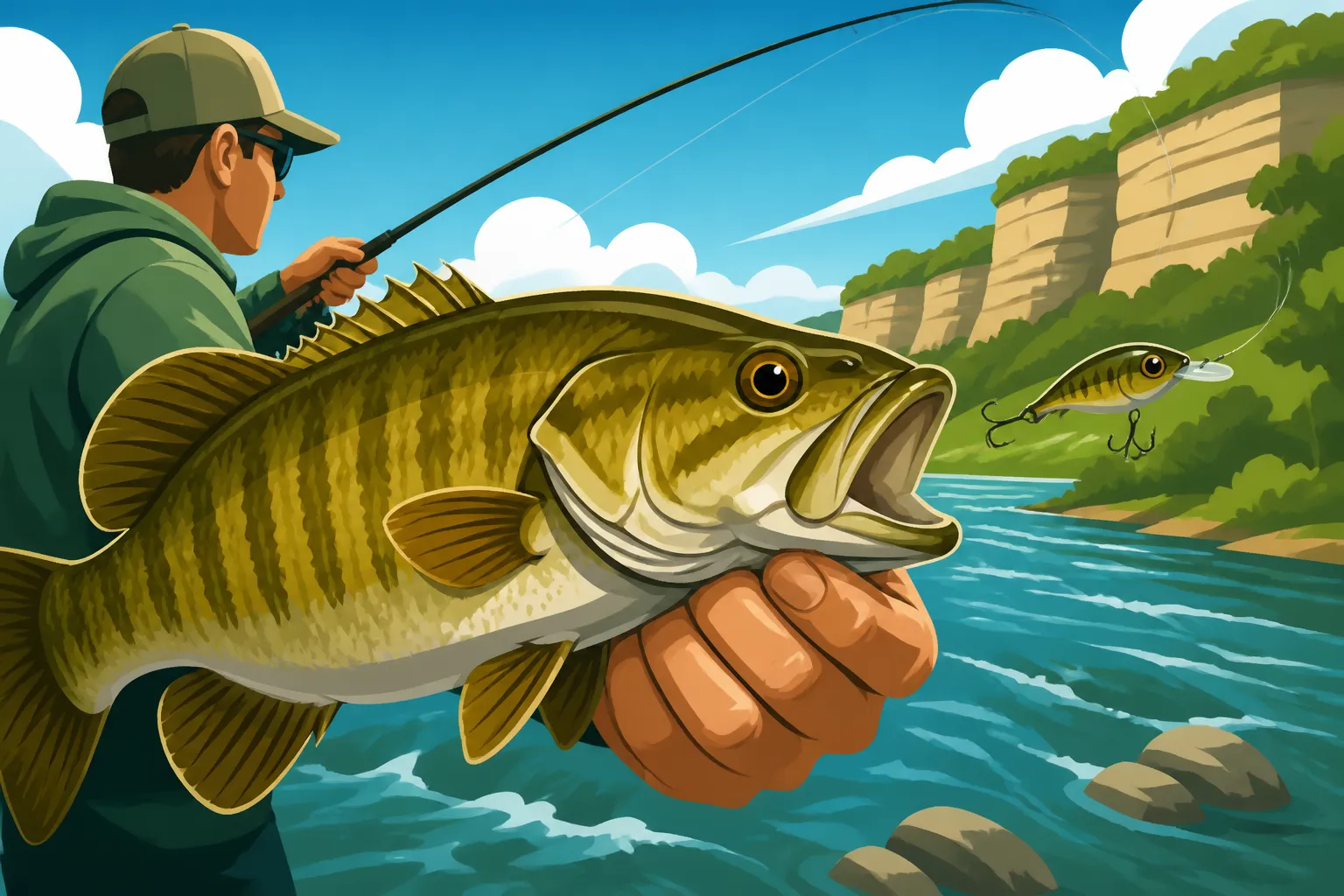
Smallmouth bass, often called "bronzebacks" for their distinctive coloration, are some of the most exciting game fish to pursue. Unlike their largemouth cousins, smallmouth thrive in cooler, clearer waters with plenty of rocky structure and current. This makes river environments, particularly the unique Niobrara, an absolute paradise for them. They're aggressive, acrobatic fighters, and once you hook into one, you'll quickly understand their appeal.
Why the Niobrara is Perfect for Smallies
The Niobrara River is truly a gem in Nebraska, cutting through diverse landscapes that create perfect smallmouth habitat. From its spring-fed headwaters to its confluence with the Missouri, the river offers a remarkable combination of characteristics that smallmouth bass adore. You'll find long stretches of relatively clear water, especially compared to some of Nebraska's more turbid rivers. The riverbed itself is a mosaic of gravel, sand, and crucially, an abundance of rocky outcroppings, boulders, and ledges. These aren't just pretty scenery; they're essential ambush points and current breaks that smallmouth use to conserve energy and surprise prey.
The steady, moderate current also plays a significant role. It brings a constant supply of food, from crayfish and aquatic insects to small baitfish. Smallmouth are opportunistic predators, and the Niobrara’s flow ensures a consistent buffet. The water temperature, often cooler than many other Nebraska rivers due to numerous spring inputs, further solidifies its status as prime smallmouth territory. For more general information on this fantastic waterway, check out our guide on Niobrara River Fishing. It truly stands out as one of the Best Nebraska Rivers for Fishing.
Smallmouth Behavior in River Environments
River smallmouth behave a bit differently than their lake-dwelling relatives. Their lives are dictated by current and structure. They’re constantly looking for places to hide from the main flow, conserving energy while keeping an eye out for an easy meal. This means you'll typically find them in "current breaks" – areas where the main force of the water is disrupted. Think about the downstream side of large boulders, eddies behind logs or submerged trees, or even subtle depressions in the riverbed. They’ll also congregate around rock piles, ledges, and steep bank drop-offs where they can quickly dart out to grab passing food.
Their feeding patterns are often tied to these areas. They might hold just outside a seam of current, waiting for a crayfish to drift by, or position themselves behind a log to ambush a minnow. They are keen sight feeders in clearer water, so presentation can be crucial. Unlike largemouth that often hide deep within thick cover, smallmouth prefer to relate to hard structure, using it as both cover and a hunting ground. Understanding these nuances of Nebraska Smallmouth Bass Habitat is fundamental to consistently catching them.
Essential Gear for Niobrara Smallmouth
Having the right tools for the job can make all the difference, especially when you're wading a river for aggressive smallmouth. You don't need a boatload of specialized equipment, but a few key items will significantly boost your success and comfort.
Rods, Reels, and Line Choices
When it comes to rods, a medium-light to medium power spinning rod, anywhere from 6'6" to 7'6" in length, is a fantastic choice for the Niobrara. This length gives you good casting distance for covering water and enough backbone to handle a fighting smallmouth in current, while still being maneuverable for accurate casts. A moderate-fast to fast action tip will help with sensitivity for detecting subtle bites and provide quick hook sets. For those who prefer baitcasting, a medium power rod with a fast action is equally effective, particularly for slightly heavier lures or when fishing in denser cover. Many anglers find quality rods from brands like Ugly Stik or St. Croix accessible and effective.
Pair your rod with a reliable spinning reel in the 2000-3000 size range, or a baitcasting reel with a decent gear ratio (around 6.x:1 or 7.x:1) for quick line pickup. You want a smooth drag system, as Niobrara smallmouth can make powerful runs. When considering your setup, don't overlook resources like our guide on Best Rods and Reels for Nebraska Fishing or even specifics like Best Baitcasting Reels for Bass Fishing.
Line choice is critical. For spinning setups, 6-10 lb test fluorocarbon or monofilament is excellent. Fluorocarbon offers low stretch, good abrasion resistance (key around rocks!), and is nearly invisible underwater. Monofilament is a bit more forgiving with stretch and floats, which can be beneficial for topwater lures. If you opt for braided line, which offers superior sensitivity and strength, consider a 10-20 lb test main line with a 6-10 lb fluorocarbon leader. This combination gives you the best of both worlds: casting distance and sensitivity from the braid, and stealth from the fluorocarbon. You can find a great selection of all these lines and tackle essentials on platforms like Amazon.
Lures and Baits That Get Bites
Smallmouth bass are notorious for hitting a wide variety of lures, and the Niobrara is no exception. Having a diverse selection will allow you to adapt to different conditions and fish moods.
- Jigs: Arguably one of the most versatile smallmouth lures. A 1/8 to 1/4 ounce jig head paired with a grub, tube, or creature bait imitation in natural colors like green pumpkin, brown, or black can be deadly. Fish them by bouncing them along the bottom or swimming them through current breaks.
- Crankbaits: Small, shallow-diving crankbaits (1.5-3 inches) in crayfish patterns, silver, or natural baitfish colors are fantastic for covering water and deflecting off rocks. Medium-diving crankbaits can also be effective in deeper pools or along ledges.
- Soft Plastics: These are staples for a reason. Wacky-rigged or Texas-rigged worms, small finesse worms, and even tiny swimbaits on a jig head can entice bites, especially when the fish are finicky.
- Topwater Lures: When conditions are right (low light, calm water, aggressive fish), poppers, walking baits, and small prop baits can provide explosive strikes. These are incredibly fun to fish!
- Jerkbaits: Suspended jerkbaits in clear water can be irresistible to smallmouth. Twitch them and let them pause, mimicking a dying baitfish.
- Spinners and Spinnerbaits: Small inline spinners (like a Mepps or Rooster Tail) or compact spinnerbaits (1/4 oz) with willow or Colorado blades are great search baits, especially in slightly stained water or when covering larger areas.
Remember, crayfish are a primary food source for smallmouth in the Niobrara, so any lure that imitates one, either in color or action, is usually a good bet. For a broader look at what works for bronzebacks, consult our Best Lures for Nebraska Bass guide. You can build up a solid collection of these lures and baits quite easily through online retailers like Amazon, ensuring you’re ready for anything the river throws at you.
Wading Gear and Safety Considerations
Fishing the Niobrara often involves a lot of wading, and proper gear here is paramount, not just for comfort but for safety. The river bottom can be uneven, rocky, and slippery, with varying depths and currents.
- Waders: Breathable chest waders are essential for staying dry and comfortable. In warmer months, you might get away with wet wading, but full waders offer more protection and warmth for early mornings or cooler days.
- Wading Boots: This is where you absolutely should not skimp. Felt-soled wading boots offer excellent grip on slick rocks, though rubber soles with studs can also be effective. Make sure they fit well and provide good ankle support.
- Wading Belt: Always wear a wading belt tightly. In the event of a fall, it can help prevent your waders from filling completely with water, which can be extremely dangerous.
- Wading Staff: A collapsible wading staff is an invaluable safety tool. It helps you probe the bottom for depth and stability, giving you a third point of contact and preventing unexpected plunges.
- PFD (Personal Flotation Device): If you plan on floating sections of the river in a kayak or canoe, or if you're wading in areas with strong current or deep holes, wearing a PFD is a wise precaution. Safety is always paramount when river fishing; for more tips on staying safe, especially in moving water, check out How to Wade Fish the Platte River Safely.
Proven Techniques for Niobrara Smallmouth
Catching smallmouth bass on the Niobrara isn't just about having the right gear; it's about understanding the river and presenting your lures effectively. These fish are smart, and while aggressive, they can also be finicky.
Reading the River: Where to Cast
The Niobrara, with its ever-changing currents and structure, requires you to "read the water" constantly. Smallmouth bass are energy conservators, so they'll position themselves in places where they can rest while still being close to a food source.
- Current Seams and Eddies: Look for areas where faster current meets slower current, creating a seam or an eddy. Smallmouth will often sit just inside the slower water, waiting for food to be swept past. Cast your lure into the faster current upstream and let it drift into the seam.
- Boulders and Submerged Wood: Any large piece of structure that breaks the current is a prime holding spot. Cast upstream of the structure and let your lure tumble naturally past it, or work a crankbait directly parallel to it. Smallmouth will dart out from behind the cover to strike.
- Deep Pools and Ledges: The Niobrara has numerous deeper sections and undercut banks or rock ledges. These offer both cover and cooler water, especially during the heat of summer. Jigs and suspending jerkbaits are excellent choices for probing these deeper areas.
- Riffles and Runs: While the deepest holes often hold fish, don't overlook shallower riffles or medium-depth runs. These oxygenated areas can be feeding grounds, particularly during low light. Small crankbaits and inline spinners often excel here.
- Bank Irregularities: Any deviation in the riverbank, such as a small point, a pocket, or a submerged tree, can create a current break and attract smallmouth. Pay attention to how the water flows around these features.
Remember that smallmouth can be anywhere, but they're most likely to be in these high-percentage areas. Moving stealthily and making accurate casts to these spots will greatly increase your chances. Planning your fishing trips around environmental factors can also be helpful; consider reviewing our Nebraska Fishing Weather and Barometric Pressure Tips to maximize your outings.
Presentation is Key: Working Your Lures
Once you’ve identified a likely spot, how you present your lure makes all the difference. Smallmouth are often reacting to movement, but sometimes a subtle presentation is needed.
- Upstream Casts: A common and effective technique is to cast slightly upstream and across the current, letting your lure drift naturally downstream while reeling just fast enough to maintain slack out of your line. This "swing" allows your lure to appear as if it's naturally drifting with the current, an easy meal for an ambushing smallmouth.
- Targeting Structure: For specific pieces of structure like a large boulder or log, cast directly to the upstream side or slightly past it. Let your lure drift into the "strike zone" behind the object. For crankbaits, try to make them deflect off the structure – this often triggers a reaction strike.
- Jigging and Bouncing: When fishing jigs or soft plastics on the bottom, a slow, controlled retrieve with small hops and pauses is usually best. Mimic a crayfish scurrying along the riverbed. In current, a lighter jig head might allow for a more natural drift.
- Topwater Action: For topwater lures, vary your retrieve. Some days, a steady "walk-the-dog" retrieve with a walking bait is effective. Other days, a pop-and-pause with a popper is what they want. Let the fish tell you what they prefer.
- Patience with Jerkbaits: Jerkbaits are all about the pause. Twitch, twitch, pause… often, the strike will come during that pause, so be ready to set the hook!
Adaptability is key. If one presentation isn't working, don't be afraid to change your lure, color, or retrieve style. Sometimes, a subtle change can completely alter your luck. Knowing How to Catch Smallmouth Bass on the Niobrara River is about a dynamic approach.
Best Times and Conditions
Just like any fishing, timing and conditions can play a huge role in your success on the Niobrara.
- Seasons: Spring (post-spawn) and fall are often considered the prime seasons for Niobrara smallmouth. In spring, as water temperatures rise, fish become very active and hungry after spawning. Fall offers cooler water and aggressive feeding as smallmouth prepare for winter. However, smallmouth can be caught year-round. Our Nebraska Fishing Calendar Month by Month can help you plan your trips.
- Time of Day: Early mornings and late evenings, when light levels are lower, are often the most productive. Smallmouth are visually oriented predators, and reduced light can make them more comfortable moving into shallower feeding areas. Overcast days can also extend this prime feeding window throughout the day.
- Water Levels and Clarity: Ideal conditions usually involve stable or slightly falling water levels after a rain, with good clarity. Extremely high, muddy water can make fishing very challenging as fish scatter and visibility drops. Conversely, very low, clear water can make fish spooky, requiring more finesse and longer casts.
- Current: Smallmouth prefer moderate current. Too much current makes it difficult for them to hold position, and too little can make them less active. Look for those sweet spots where the current is just right.
- Temperature: Smallmouth generally prefer water temperatures between 55-70°F. During the hottest parts of summer, they might retreat to deeper, cooler pools or seek out spring-fed sections of the river.
Staying updated on river conditions before your trip is always a good idea. Local bait shops or online resources often provide current flow rates and clarity reports, which can save you a lot of time and frustration. Remember to always have your Nebraska Fishing License Guide in order and review the Nebraska Fishing Regulations Explained before heading out.
Niobrara Smallmouth Lure Quick Reference
| Lure Type | Best Conditions / Use | Retrieval Notes |
|---|---|---|
| Jigs (Tube/Grub) | All-around, especially good for bottom fishing, structure | Slow hops, drags, or steady retrieve near bottom; mimic crayfish. |
| Crankbaits | Covering water, bouncing off rocks, targeting current seams | Steady retrieve; twitch to deflect off structure; vary speed. |
| Soft Plastics | Finesse situations, specific structure, various depths | Wacky rig for slow fall, Texas rig for cover, dropshot for vertical presentation. |
| Topwater Lures | Low light, calm water, active fish, shallow areas | Walk-the-dog, pop-and-pause, steady chug; vary for reaction. |
| Jerkbaits | Clear water, suspended fish, targeting specific spots | Twitch-twitch-pause; allow long pauses for fish to strike. |
| Inline Spinners | General search, active fish, slightly stained water | Steady retrieve; vary speed for blade flash; cast upstream and reel. |
For those looking to explore more of Nebraska's diverse fishing opportunities, including possible Nebraska Rivers for Float Fishing Trips, the Niobrara offers a fantastic experience for smallmouth enthusiasts. Whether you're a seasoned angler or just starting out, the thrill of a Niobrara smallmouth on the line is an experience you won't soon forget.
Disclaimer
Fishing regulations can change. It is always the angler's responsibility to check the most current Nebraska Game and Parks Commission regulations before heading out. This guide is for informational purposes only and should not replace official sources.