How to Fish Points and Humps for Walleye
Fishing for walleye in Nebraska can feel like a game of hide-and-seek, especially when they're tucked away on subtle underwater structures. Many anglers get frustrated trying to pinpoint these elusive fish on points and humps, wondering if they're even there or if their presentation is just all wrong. It’s a common challenge to translate those faint sonar readings into actual fish in the boat. This guide is here to unravel the mystery, providing you with practical strategies and insights to confidently target walleye holding to these prime locations across Nebraska's diverse waters, helping you turn those frustrating days into successful outings.
Understanding Walleye Behavior on Points and Humps
Walleye are masters of camouflage and efficiency, always looking for places that offer both ambush opportunities and a comfortable environment. Points and humps are like underwater magnets for them, drawing in baitfish and providing ideal conditions. Knowing why they choose these spots is the first step in figuring out how to catch them.
Why Walleye Love Points and Humps
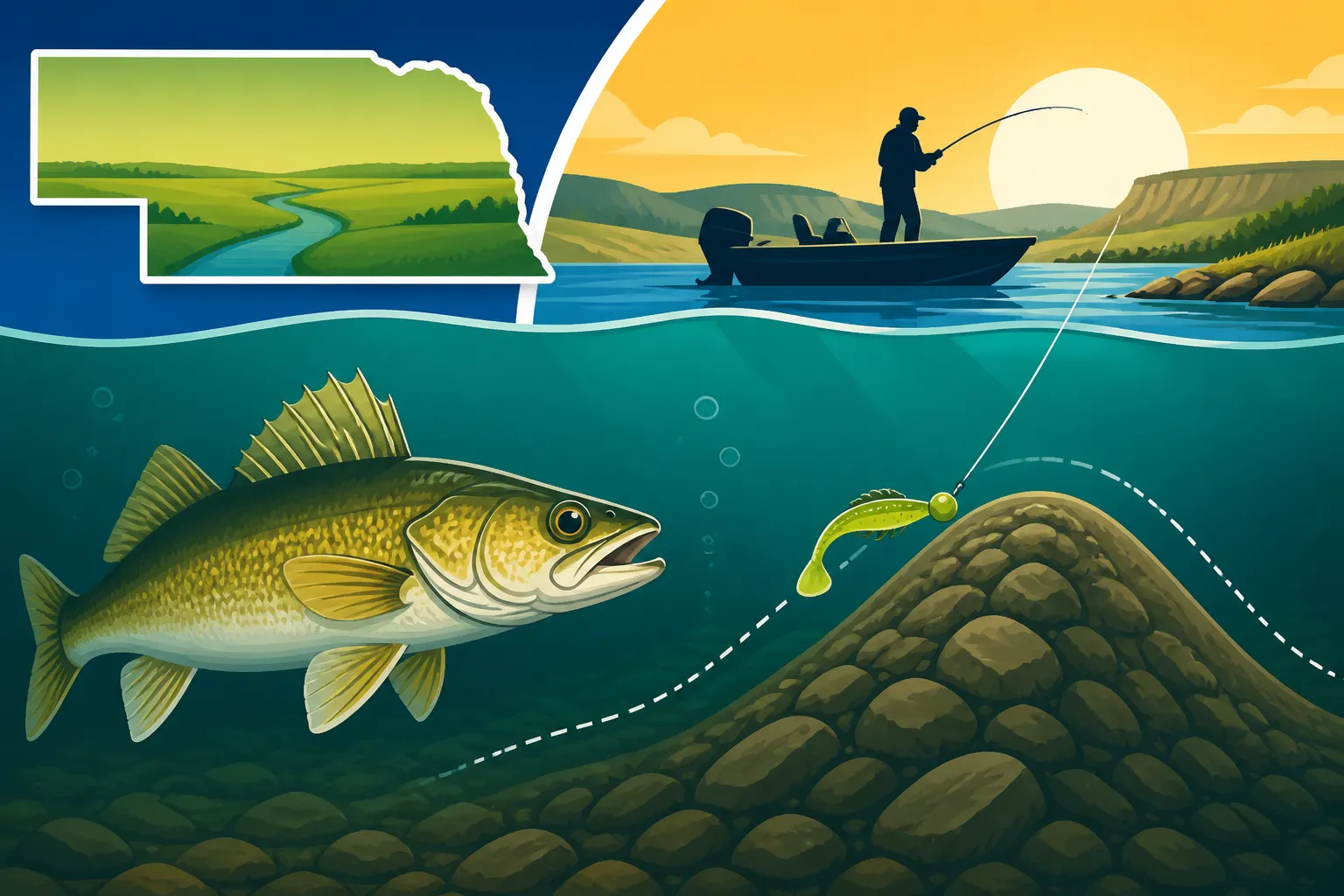
Think of points and humps as underwater highways and diners for walleye. A point, extending out from the shoreline into deeper water, acts as a natural funnel. Baitfish moving along the shore, or migrating between different depth zones, will inevitably cross these points. For a walleye, it's like sitting at a toll booth, waiting for dinner to come by. They can quickly dart out, grab a meal, and retreat back to the safety of the structure.
Humps, on the other hand, are isolated underwater islands. They might be entirely submerged or just break the surface, but either way, they represent a break in the otherwise flat bottom. These structures often hold diverse forage, from insect larvae to crayfish, which in turn attracts smaller baitfish. Walleye will position themselves on top of the hump, along its edges, or even suspended just off its sides, waiting for unsuspecting prey. They offer a comfortable current break, access to food, and often different depth options depending on their mood.
Reading the Structure: Hard Versus Soft Bottoms
Not all points and humps are created equal. The bottom composition plays a huge role in whether walleye decide to call a spot home. Walleye generally prefer a harder bottom – think rock, gravel, or even clam beds – over soft, silty mud. Hard bottom areas retain heat better, provide places for crayfish to hide, and are often cleaner, making it easier for walleye to spot prey. Your fish finder will be your best friend here, showing you distinct returns for hard bottoms versus the softer, fuzzier returns of mud.
However, don't completely discount soft bottom areas adjacent to hard structure. Sometimes, baitfish will feed over softer mud flats, and walleye might stage on a nearby rocky point or hump, making short forays into the softer areas to feed. The key is to look for transitions – where rock meets mud, or where a gravelly point drops off into a silty flat. These transition zones are often hotspots, as they offer the best of both worlds and concentrate fish. Understanding How to Read a Fish Finder for Walleye can really help you differentiate these bottom types and pinpoint prime locations.
Factors Influencing Walleye Location on Structure
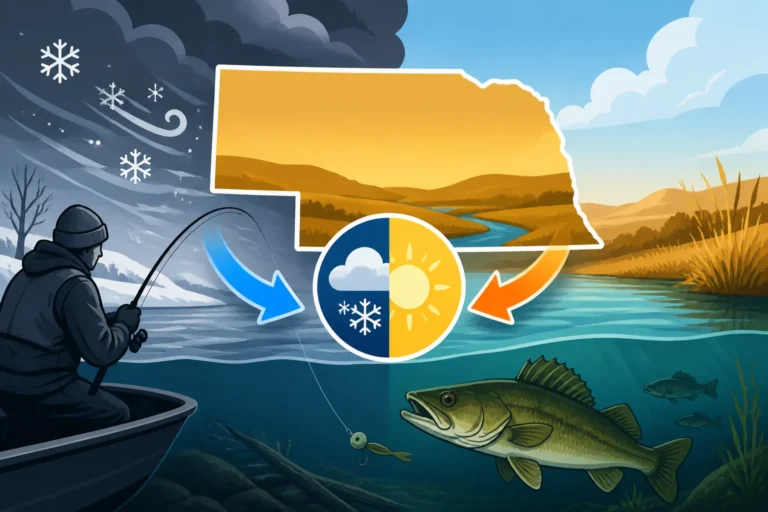
Walleye are incredibly sensitive to their environment. Things like light penetration, water temperature, and current all dictate exactly where they’ll position themselves on a point or hump. On bright, sunny days, walleye tend to move deeper or hug the shadiest, steepest side of a point, trying to avoid direct sunlight. Conversely, on cloudy days or during low-light periods like dawn and dusk, they might move shallower or position themselves right on top of the hump, actively feeding.
Water temperature also plays a huge role; understanding What Water Temperature Walleye Prefer is crucial. During cooler seasons, they might seek out slightly warmer water on the sunny side of a point, or deeper areas where temperatures are more stable. In the heat of summer, they'll often be found in the cooler, deeper sections or near the thermocline if one is present. Current, especially in rivers or large reservoirs like Lake McConaughy, can position walleye on the "up-current" side of a hump or point, using the structure as a break while they ambush food being washed downstream. Paying attention to these subtle shifts can significantly increase your success rate.
Essential Gear and Electronics for Structure Walleye
Having the right tools for the job is non-negotiable when you're targeting walleye on underwater structure. From the rod in your hand to the screen on your dash, every piece of equipment plays a vital role in finding and catching these fish. Don't let inadequate gear be the reason you miss out on a great bite!
Rods, Reels, and Line for Precision Casting and Trolling
When it comes to rods, versatility is key, but specialization helps. For jigging or casting soft plastics on points and humps, a medium-light to medium power spinning rod, around 6'6" to 7' long, with a fast action tip, is perfect. This setup offers the sensitivity to feel subtle bites and the backbone to set the hook firmly. If you're going to be doing a lot of trolling, especially with heavier baits or planer boards, a dedicated trolling rod with a softer tip and more backbone, typically 7' to 9' in length, will make your life a lot easier. Check out guides on Best Walleye Rods for Nebraska Reservoirs for more specific recommendations.
For reels, a quality spinning reel in the 2500-3000 size range will balance well with your casting rod. For trolling, a baitcasting reel with a line counter is incredibly helpful for replicating successful depths and presentations. As for line, many anglers swear by braided line for its sensitivity and lack of stretch, especially when jigging or casting. A 10-15 lb test braid is common. However, always tie on a fluorocarbon leader (6-10 lb test) for invisibility, as walleye are notoriously line-shy. If you prefer monofilament for trolling, a good quality 10-12 lb test will do the trick.
Must-Have Lures and Baits for Different Presentations
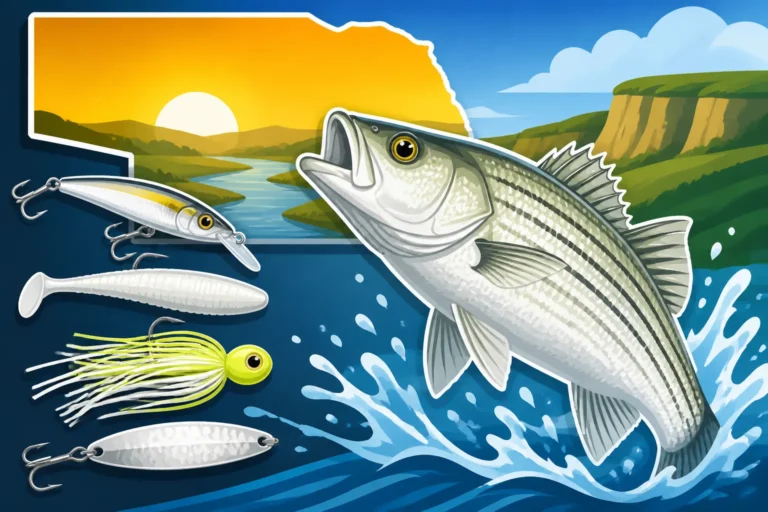
The walleye's diet and mood will dictate your lure choice. When jigging on points and humps, you can't go wrong with classic lead head jigs tipped with live bait like a minnow, nightcrawler, or leech. Soft plastic paddle tails or grub bodies on a jig head are also incredibly effective, especially when walleye are aggressive. Blade baits and jigging spoons can shine when fish are holding tight to the bottom in deeper water.
For trolling, crankbaits are king. Depending on the depth of the point or hump, you'll want a variety of diving crankbaits that can reach specific depths, from shallow runners to deep divers. Color can make a huge difference, so carry a selection of natural baitfish patterns, chartreuse, and bright, flashy colors. Don't forget spinner rigs or crawler harnesses, especially effective when walleye are spread out or suspended just off the structure. These are particularly popular when you’re trying to figure out Best Bait for Nebraska Walleye. Many of these versatile lures can be found readily on platforms like Amazon, making it easy to stock your tackle box.
The Critical Role of Fish Finders and Mapping
Trying to fish points and humps without a reliable fish finder is like driving blindfolded. Your fish finder is your eyes underwater, showing you the contours of the structure, changes in bottom composition, and most importantly, the presence of fish and baitfish. Modern units with GPS mapping are invaluable. They allow you to mark specific spots on a point or hump where you found fish, return to them precisely, and see how the structure lays out beneath you.
Side imaging and down imaging technologies take it a step further. How to Use Side Imaging Sonar for Structure can reveal walleye lurking off to the sides of your boat, not directly underneath, giving you a wider picture of fish location. High-definition mapping chips often highlight specific depth contours, rock piles, and submerged timber on points and humps that might otherwise go unnoticed. Investing in a good fish finder isn't just a luxury; it's an absolute necessity for consistent walleye success on structure. Without it, you're just guessing.
Proven Techniques for Fishing Points and Humps
Once you've located a promising point or hump, the next challenge is presenting your bait in a way that entices a bite. Walleye can be finicky, so having a repertoire of techniques and knowing when to use them is crucial.
Jigging and Casting: Vertical Presentation is Key
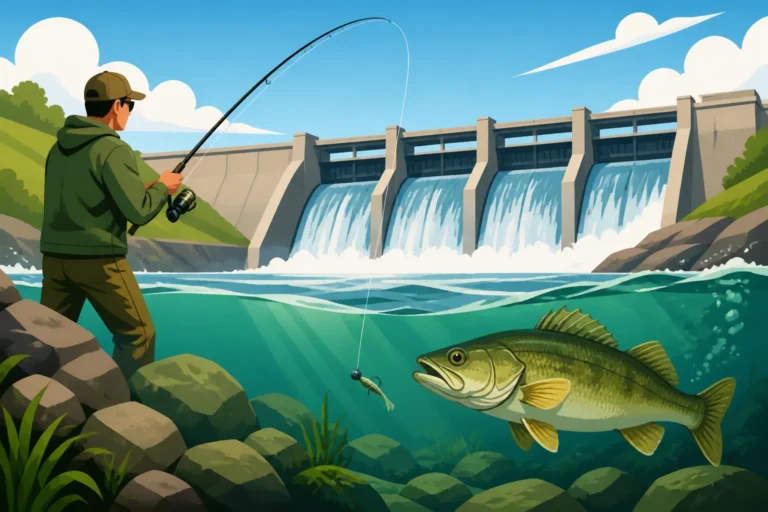
Jigging is one of the most effective ways to target walleye holding tight to the bottom on points and humps. The beauty of jigging is that it allows for a very precise, vertical presentation, keeping your bait in the strike zone longer. When you locate walleye on your fish finder, either on top of the hump or along its breakline, position your boat directly over them. Drop your jig straight down, making sure you feel it hit the bottom. Then, impart a lifting and dropping motion – a short, sharp snap followed by a controlled fall, allowing the jig to flutter back down. Many anglers find success using a simple 1/4 to 1/2 ounce jig head tipped with a minnow or a soft plastic grub, adjusting the weight to maintain bottom contact in varying depths or current. Learning How to Jig for Walleye in Nebraska is a fundamental skill for this type of fishing.
Casting jigs or crankbaits to points is also very productive, especially when walleye are shallower or spread out along the top. Position your boat off the edge of the point and cast your lure onto the top of the structure, then retrieve it, allowing it to bump and grind along the bottom as it comes down the slope. This "feel" for the bottom is critical. Pay close attention to any changes in retrieve speed or any sudden taps, as walleye often hit on the pause or when the lure changes direction. Experiment with different retrieve speeds and pauses until you find what triggers a strike.
Trolling: Covering Water and Finding the Edge
Trolling is an excellent strategy for covering large points and expansive humps, especially when you're unsure exactly where the walleye are holding. It allows you to systematically dissect the structure, presenting your lures at specific depths and speeds until you locate active fish. When trolling, focus on the edges and breaklines of the points and humps. These are the highways walleye often use. Set your crankbaits or spinner rigs to run at the depth where you expect the walleye to be, often just above the bottom or suspended in the water column if baitfish are present. The guide on How to Troll for Walleye in Nebraska offers more specific advice.
Pay close attention to your speed and direction. Often, a slight turn or a change in speed can trigger a bite. If you get a fish on one pass, immediately mark that spot on your GPS and try to replicate that exact line. Don't be afraid to experiment with different lure colors and sizes until you find the hot ticket. Using line counter reels is a huge advantage here, allowing you to consistently reproduce the productive lead lengths. Remember, the goal of trolling isn't just to catch fish, but to find fish and then fine-tune your approach to maximize your catch.
Slip Bobber Fishing: A Stealthy Approach
When walleye are particularly spooky, suspended off the bottom, or just generally finicky, slip bobber fishing can be a game-changer on points and humps. This technique allows you to present live bait (like a leech or a minnow) at a precise depth without spooking the fish with heavy weights or a constant retrieve. You can effectively fish the edges of a hump or point, letting your bait slowly drift or suspend right in their strike zone.
The setup is simple: a slip bobber threaded onto your main line, followed by a bobber stop set to your desired depth, a small weight (split shot or a small bullet sinker) to get your bait down, and a hook. The key is to find the depth where the walleye are holding, which your fish finder will help you determine. Cast your bait upwind or upcurrent of the point/hump and let it drift naturally over the structure. This natural presentation is often irresistible to even the most wary walleye. It's a fantastic tactic for a calm evening, providing a relaxing yet productive way to fish these structures.
Adapting to Seasonal Changes on Structure
Walleye behavior on points and humps isn't static; it changes dramatically with the seasons. A technique that worked wonders in spring might be completely ineffective in summer. Understanding these seasonal shifts is paramount to consistent success. This means adjusting your approach based on water temperature, food availability, and spawning cycles. For a broader overview, check out Nebraska Fishing Seasons Explained.
Spring: Pre-Spawn and Post-Spawn Movements
Spring is a dynamic time for walleye on points and humps. In the early pre-spawn period, as ice recedes and water temperatures slowly climb (often reaching 40-50 degrees Fahrenheit), walleye will begin to stage on points adjacent to their spawning grounds. These might be rocky points in large reservoirs like Lake McConaughy, or gravelly stretches in rivers. They're looking for stable temperatures and access to deeper water nearby. Jigging with minnows or slow trolling with shallow-diving crankbaits can be very effective as they move in.
After the spawn, which typically happens when water temperatures are in the mid-40s to low 50s, walleye disperse and become very hungry. The post-spawn period sees them recovering and aggressively feeding. They'll often spread out over shallower humps and points, especially those with good access to new hatches of baitfish. This is a great time for casting jigs and soft plastics, or trolling crankbaits across the top and down the sides of these structures. Don't overlook the importance of baitfish schools; find the food, and you'll find the walleye. Knowing When Walleye Spawn in Nebraska helps you pinpoint these critical windows.
Summer: Deep Water Relocation and Thermocline
As Nebraska’s waters warm significantly in summer, walleye often retreat to deeper, cooler water. This is when main lake points and deep humps become prime real estate. They’ll gravitate towards structure that offers access to the thermocline – the layer of water where temperature changes rapidly – or where cool, oxygenated water is plentiful. They'll use these deep structures for ambush points, especially during low-light conditions, venturing shallower to feed during dusk and dawn.
Deep trolling with large crankbaits, spoons, or bottom bouncers with crawler harnesses is a go-to tactic for summer walleye on deep humps and points. Look for fish suspended off the sides of these structures or holding tight to deep contours. Vertical jigging with heavy spoons or blade baits can also be deadly when you mark a tight school of fish. Don't be afraid to fish depths of 20, 30, or even 40 feet. Your fish finder's ability to show you the thermocline and pinpoint fish at specific depths becomes absolutely indispensable during these warmer months. If you're heading to a popular spot like Lake McConaughy, understanding Best Time of Year to Fish Lake McConaughy for Walleye can really dial you in.
Fall: Feeding Frenzy and Migration Patterns
Fall fishing for walleye on points and humps can be phenomenal, as walleye sense the approaching winter and embark on a serious feeding spree. As water temperatures cool down, they often become more aggressive and move into shallower water than they occupied in summer, but still relating heavily to structure. They'll follow baitfish that are also moving shallower, congregating on prominent points and humps that offer easy access to deep water sanctuaries.
During this period, a wide array of techniques can work. Trolling crankbaits that imitate baitfish can be very effective along the contours of points, especially as walleye begin to stage for winter. Jigging with larger minnows or casting aggressive soft plastics on jig heads can also yield excellent results, particularly during windy days when wave action stirs up bait. Focus on points and humps that offer diverse depths and bottom compositions, as walleye will utilize different parts of the structure depending on conditions. This is often the time for some of the biggest walleye of the year as they bulk up. Just be mindful of Nebraska Walleye Bag Limits and Nebraska Walleye Minimum Length Limit as you enjoy the fall bite.
Disclaimer
This article is for general informational purposes only and does not constitute professional advice. Laws, prices and regulations vary by location and change over time. Consult a qualified professional for guidance on your specific situation.