How to Pattern Fish on an Unfamiliar Lake
There's nothing quite like the excitement of exploring a new lake in Nebraska, but let's be honest, that thrill often comes with a hefty dose of "where do I even start?" You pull up to a body of water you've never fished before, and it can feel overwhelming, like staring at a blank canvas with a tackle box full of paint. This guide is here to walk you through a strategic, step-by-step approach to pattern fish on an unfamiliar lake, turning that blank canvas into a masterpiece of successful angling.
Understanding the Initial Reconnaissance Mission
When you're faced with an unfamiliar lake, the first step isn't to haphazardly cast in every direction. Think of yourself as an intelligence agent gathering crucial information. You wouldn't go into a mission blind, right? Fishing a new lake is no different. You need to understand the environment, the lay of the land (or, in this case, the lakebed), and what might be influencing the fish.
Gathering Intel Before You Go
Before your boots even hit the shore or your boat touches the water, there's a treasure trove of information available. This pre-trip research can save you hours of unproductive casting and frustration.
The absolute best place to start is with maps. Topographical maps can show you the surrounding land features, which often give clues to what's underwater. Steep banks on shore often mean steep drops or bluffs below the surface. Gently sloping land might indicate long, shallow flats or gradual points. More importantly, seek out bathymetric maps, sometimes called contour maps or lake charts. These are gold! They detail the depth contours, revealing submerged creek channels, humps, points, islands, and old roadbeds. These underwater structures are critical fish habitats. A deep channel winding through a shallow flat is like a highway for fish, offering both travel routes and ambush points. Humps rising from deep water can be magnets for schooling fish like walleye or white bass. Understanding these features allows you to identify potential holding spots before you even wet a line.
Beyond maps, tap into the local knowledge base. The internet is a fantastic resource, but be discerning. Look for local fishing forums or Facebook groups dedicated to fishing in Nebraska. Anglers love to share stories (sometimes exaggerated, but often with kernels of truth!). Even better, stop by a local bait shop near the lake you plan to visit. These folks are on the water, or hear from those who are, every single day. They know what's biting, on what bait, and generally where. They can tell you if the crappie are stacked on brush piles, if the walleye are still deep, or if the catfish are active in the evenings. Don't underestimate the power of a friendly chat and a purchase of a few local favorites. Lastly, check historical weather patterns and recent fishing reports if available. A sudden cold front can put fish into a funk, while a stable weather pattern might keep them in predictable locations. Understanding these variables sets you up for success.
First Impressions on Arrival
Once you actually arrive at the lake, before launching your boat or casting your first line from shore, take a moment to simply observe. Your eyes are your first set of sonar. Look at the water itself. What's the clarity like? Is it crystal clear, stained, or muddy? This will immediately inform your lure color choices and presentation speeds. Clear water often calls for more natural colors and subtle presentations, while stained or muddy water might require brighter colors, more vibration, or scent. Note the water color; greenish hues can indicate plankton blooms, which are food sources.
Next, actively look for visible structure. Are there standing dead trees in the water, indicating an old flooded timber area? These are classic crappie and bass hideouts. Are there docks, boat lifts, or marinas? These man-made structures provide shade, cover, and often hold baitfish, attracting predators. Observe any weed lines – are they lush and green, or sparse and dying? Healthy weeds produce oxygen and hold bait, making them excellent ambush points. Look for riprap along causeways or bridges, which can attract baitfish and offer shelter for predators.
Finally, pay close attention to the wind. The wind is often your best friend on a new lake. It pushes warm surface water, concentrates baitfish, and creates current, which can trigger feeding activity. Strong winds blowing into a particular bank can stack baitfish there, making it a prime location for walleye or white bass to ambush. Don't shy away from wind-blown points or shorelines; they can be incredibly productive, even if they're a little uncomfortable to fish.
Deciphering the Fish's Behavior
Fish aren't just swimming aimlessly; their movements and feeding patterns are highly influenced by environmental factors. To pattern fish, you need to understand these fundamental behaviors. It’s like learning their language!
Seasonal and Daily Patterns
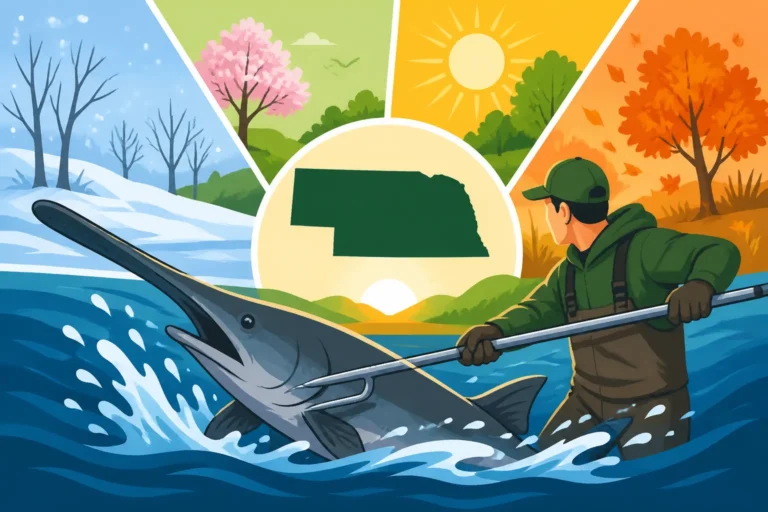
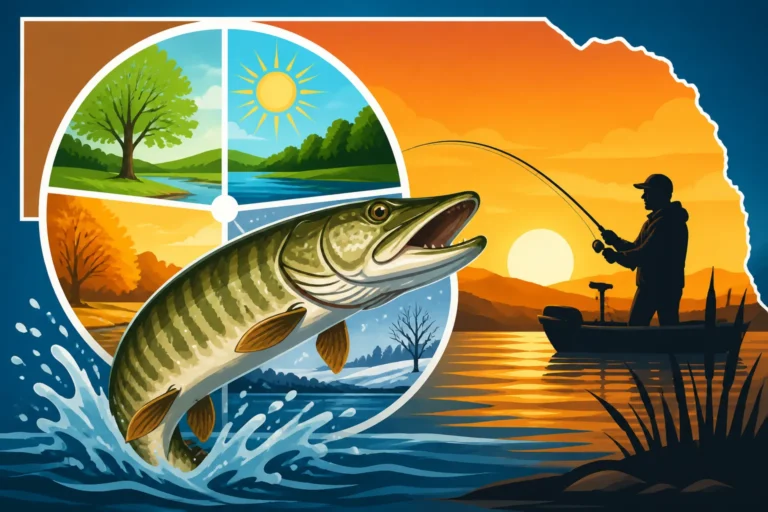
Fish are creatures of habit, largely driven by instinctual needs like feeding and spawning, which are tied to the changing seasons. In Nebraska, understanding these broad seasonal movements is key.
- Spring: This is often a time of transition. As water temperatures rise, fish like walleye and crappie move towards shallower areas to spawn. Post-spawn, they might remain somewhat shallow, recovering and feeding aggressively. Bass will also start their pre-spawn movements. This is a great time to target areas with emerging vegetation or warmer, north-facing banks that receive more sunlight. You might want to check out our Nebraska Fishing Seasons Explained guide for a deeper dive.
- Summer: When the dog days hit, fish often seek deeper, cooler water, or areas with dense cover and shade. Oxygen levels can become a factor in shallower areas. You'll find them around offshore humps, deep points, creek channels, or tucked under heavy mats of vegetation. Early mornings and late evenings often offer the best bites as water temperatures are cooler and light levels are lower.
- Fall: This is a fantastic time to fish in Nebraska! As water temperatures begin to drop, many species go on a feeding frenzy, bulking up for winter. Fish will often move back to shallower flats and points, actively chasing baitfish. The fall turnover, where surface and bottom waters mix, can temporarily disrupt fishing, but once it stabilizes, the bite can be phenomenal.
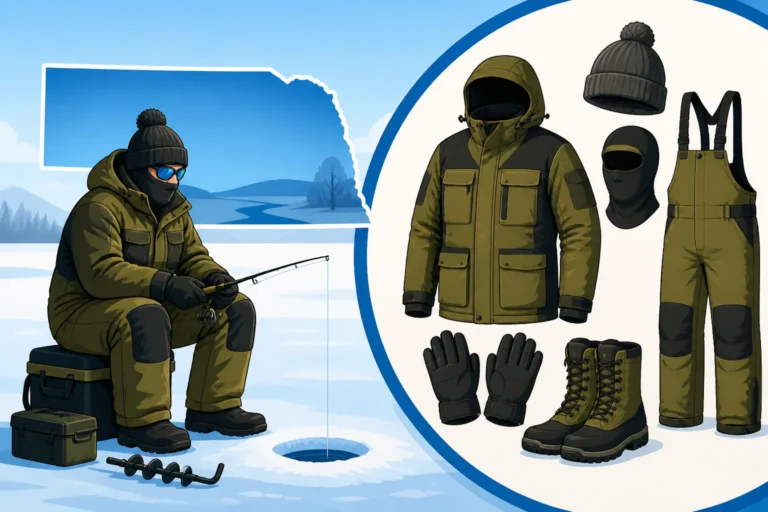
- Winter: For many, winter means ice fishing! Fish activity slows down, and they often school tightly in deeper basins or near prominent structures like humps or steep breaks. You'll need different techniques and a good understanding of their slower metabolism.
Beyond seasons, daily patterns also play a huge role. Dawn and dusk are universally recognized as prime feeding times due to lower light levels and cooler temperatures. Midday can be tougher, especially in clear, warm water, but fish can still be caught by targeting shaded areas, deeper water, or heavy cover. Think about the sun's position – is it high and bright, pushing fish deeper, or low and diffused, encouraging them to roam? Understanding these daily rhythms can help you decide when to fish certain areas. For more detailed seasonal approaches, take a look at Best Nebraska Fishing Techniques by Season.
The Influence of Weather and Water Conditions
Weather isn't just about comfort; it profoundly affects fish behavior. Being able to read the conditions and predict how fish might react is a huge part of patterning them.
- Barometric Pressure: This is often overlooked but incredibly important. A stable, high-pressure system generally means clear skies and calm weather, but it can also make fish less active and hold tight to cover. They might feel more vulnerable. Conversely, a falling barometric pressure, often preceding a storm, can trigger aggressive feeding as fish sense a change coming. After a storm, as pressure stabilizes, the bite can remain strong for a bit before settling back down. We have a great piece on How Barometric Pressure Affects Fishing in Nebraska that really digs into this.
- Wind: We touched on this earlier, but it bears repeating. Wind creates current, which stimulates baitfish and in turn, predatory fish. It also breaks up the water's surface, providing a natural camouflage for feeding fish, making them less wary. A consistent wind blowing into a bank for several hours can really concentrate bait and feeding fish. Pay attention to How Wind Direction Affects Walleye Fishing for species-specific insights.
- Water Temperature: This is arguably one of the most critical factors. Every fish species has an optimal temperature range for feeding and activity. Too cold, and they're sluggish; too hot, and they're stressed. A thermometer is an invaluable tool for a new lake. Finding water that's in the preferred temperature zone for your target species is often the first step to finding active fish. Even a one or two-degree difference can make a huge impact. For instance, in spring, if you find a cove that's just a few degrees warmer than the main lake, you've likely found a fish hotspot.
Developing Your Fishing Strategy (Putting the Pieces Together)
Once you've done your homework and observed the initial conditions, it's time to translate that knowledge into an actionable fishing plan. This isn't about guessing; it's about making educated decisions and then being flexible.
Starting Your Search: High-Percentage Areas
Based on your pre-trip research and initial observations, you should have some ideas about where fish should be. These are your "high-percentage" areas. Don't spread yourself too thin by trying to fish everywhere at once. Focus your efforts on these prime locations first.
Think about classic fish-holding structures:
- Points: Submerged points extending into the lake are always worth checking. They act as travel routes and ambush points. Fish can move up onto the point to feed and then retreat to deeper water quickly.
- Humps and Islands: Underwater humps or reefs, especially those with steep sides, are magnets for baitfish and predators. They provide vertical structure in an otherwise flat environment.
- Creek Channels and Riverbeds: If the lake was formed by damming a river or creek, those original channels are highways for fish, especially in deeper reservoirs. Fish often relate to the edges of these channels.
- Breaks: Any sudden change in depth, whether it's a weed line ending or a subtle contour change, creates a "break" that fish will utilize.
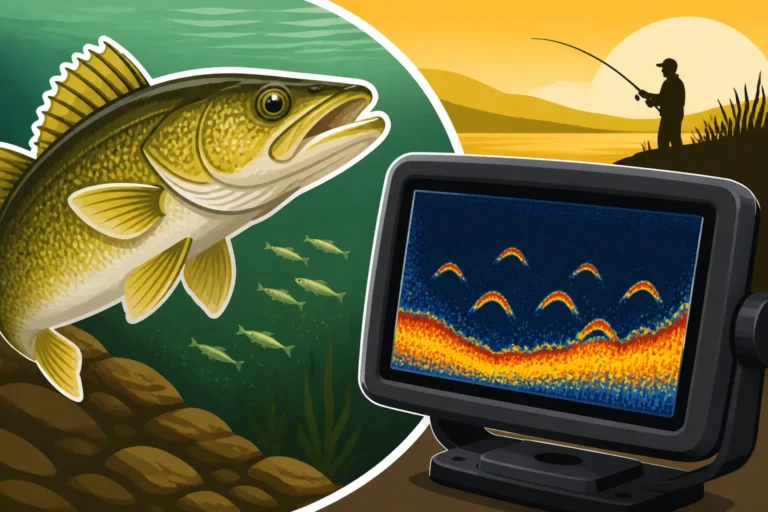
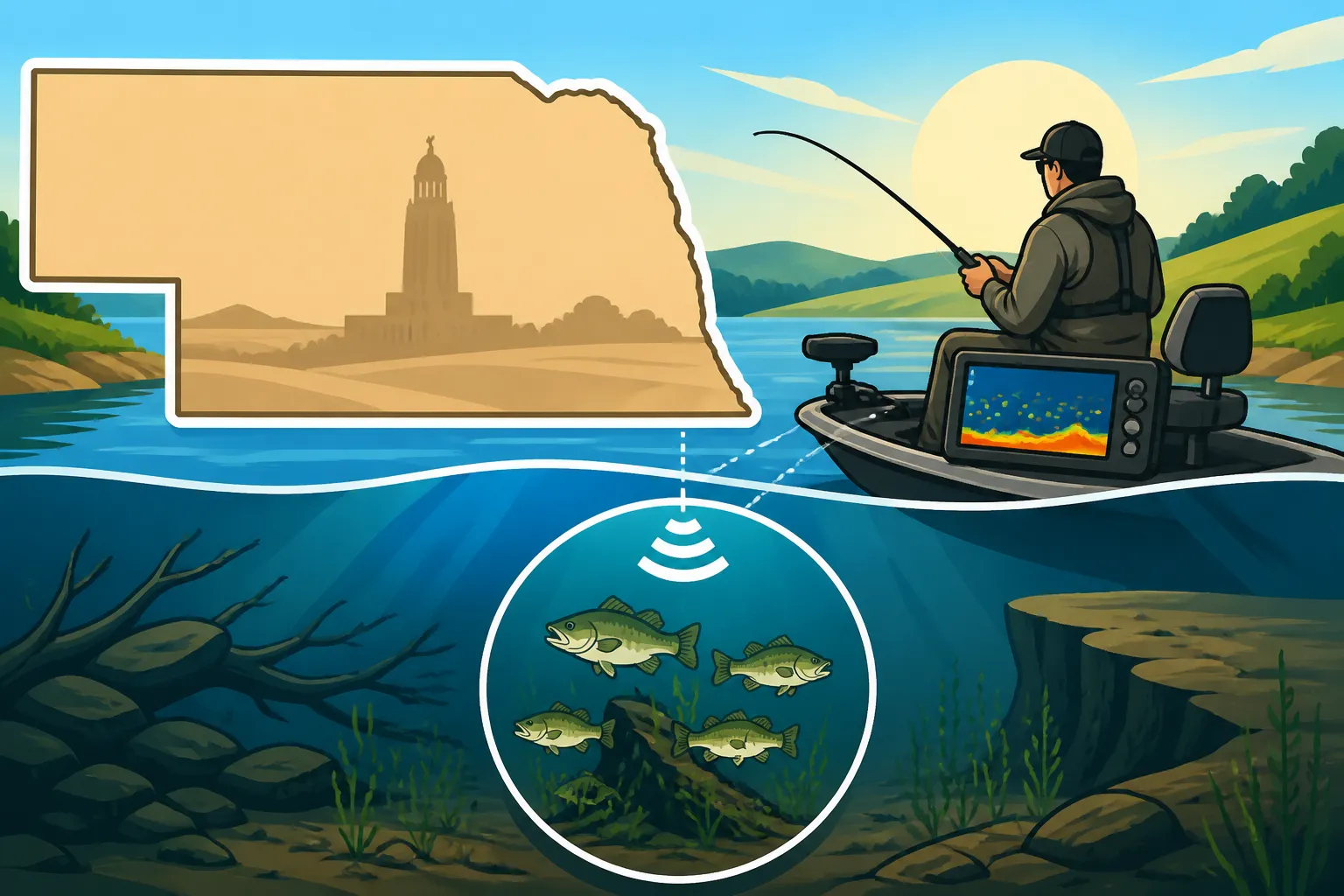
This is where technology really shines. If you have a fish finder, especially one with side imaging, use it! Instead of blindly casting, spend some time idling over these high-percentage areas, scanning for baitfish, arcs of larger fish, and detailed bottom contours. Modern fish finders can paint a picture of the underwater world, showing you exactly where those brush piles are or if fish are suspended over a hump. For specific tips on finding these spots, read How to Find Walleye on Deep Humps and Points. And if you're new to the tech, our guide on How to Read a Fish Finder for Walleye can help you interpret those sonar images.
Experimentation and Adaptation
You've got your target areas, now what? This is where the "fishing" really begins, and it requires a healthy dose of experimentation. No two days, or even hours, are exactly alike on the water.
Start with a presentation that aligns with the conditions and your target species. For example, if the water is murky, you might start with a noisy crankbait or a scented soft plastic. If it's clear, a more subtle jerkbait or a natural-colored jig might be better. The key is to not be afraid to change things up.
- Vary Your Baits: If your initial choice isn't working, switch it up. If you're using a worm, try a minnow or a different soft plastic. Carry a diverse selection. You can find an incredible variety of lures and baits on platforms like Amazon, making it easy to experiment. Check out our advice on Best Bait for Nebraska Walleye or Best Lures for Nebraska Bass for ideas.
- Change Presentations: How are you retrieving your lure? Slow and steady? Jerky? Fast? Try different speeds and actions. If you're jigging, vary your jigging motion. Sometimes a slight pause is all it takes to trigger a strike.
- Adjust Depth: Fish are often incredibly depth-sensitive. If you're fishing shallow, and not getting bites, move deeper. If deep isn't working, try shallower. Use a slip bobber to present your bait at precise depths or vary the weight of your jig head.
- Color Choices: As mentioned, water clarity dictates this a lot. If you start with a natural color in clear water and get no bites, try something with a bit more flash or contrast. In stained water, fluorescent colors or black/blue combinations can be very effective.
- Size Matters: Sometimes, fish are keyed in on a specific size of baitfish. If you're throwing a large crankbait and not getting bites, try a smaller one. Or vice-versa.
The fish will tell you what they want, but you have to offer them a menu of options. Be persistent, but don't be stubborn. If something isn't working after a reasonable amount of time, change something.
Tracking Your Success (or Lack Thereof)
One of the most valuable habits you can develop when patterning fish, especially on unfamiliar waters, is to keep track of your efforts. This doesn't have to be a complicated, scientific logbook (though it certainly can be!). Even a simple mental note or a quick jot on your phone can make a huge difference.
What should you track?
- Location: Where exactly did you get a bite? Mark it on your GPS or remember key landmarks.
- Depth: How deep was the fish?
- Time of Day: Was it early morning, midday, or late afternoon?
- Lure/Bait: What exactly were you using? (Color, size, type).
- Presentation: How were you retrieving it?
- Weather Conditions: What was the wind doing? Was it sunny or cloudy? What was the general temperature?
Even if you don't catch a fish, understanding why you didn't catch one can be just as important. For instance, if you spent an hour on a deep hump with a jig and got nothing, but then moved to a shallow weed line with a topwater and immediately got a bite, you've learned something valuable about fish location and activity on that day in that lake.
Don't be afraid to move if a spot isn't producing. Give an area a fair chance – maybe 15-30 minutes of varied casts and presentations – but if it's dead, move on. There's a fine line between patience and wasting time. On a new lake, your priority is to find active fish, so covering water and exploring different types of structure is essential.
Essential Gear and Mindset for Unfamiliar Waters
Approaching a new lake requires not only a strategic mind but also the right tools and a resilient attitude. Having versatile gear and a patient mindset can make all the difference.
Versatile Tackle Selection
When you're fishing an unfamiliar lake, you don't know exactly what to expect. You might stumble upon a hidden brush pile full of crappie, then move to a rocky point holding walleye, and then find a shallow cove with active bass. This means bringing a tackle selection that can cover a variety of situations.
Instead of dedicating all your tackle to one species or technique, pack a diverse range. Include various types of lures:
- Jigs: From small panfish jigs to heavier walleye jigs.
- Crankbaits: Different diving depths and color patterns.
- Soft Plastics: Worms, grubs, creature baits in various colors and sizes.
- Topwater Lures: Especially good for early morning or low-light bass action.
- Live Bait Rigs: A selection of hooks, weights, and bobbers to present live bait if needed.
Consider bringing a Best Multi-Species Rod for Nebraska Anglers that can handle a range of lure weights and fish sizes. You don't need a dozen different setups, but having a medium-power spinning rod and a medium-heavy baitcasting rod can cover most scenarios. Stock up on extra line, various hook sizes, and different weight sinkers. It's better to have it and not need it than to need it and not have it! Platforms like Amazon are fantastic for building out a versatile tackle box without breaking the bank, offering everything from basic hooks to advanced electronics.
The Importance of Patience and Persistence
Fishing a new lake is a puzzle, and sometimes it's a complicated one. It's rare that you'll pull up, make one cast, and immediately find the pattern. There will be frustrating stretches, periods of no bites, and moments where you question your entire approach. This is completely normal!
Embrace the learning process. Each cast, each move, each lure change is a piece of the puzzle. Even if you're not catching fish, you're gathering data. You're eliminating unproductive areas, learning what isn't working, and narrowing down the possibilities.
- Don't get discouraged: A slow start doesn't mean the lake is barren. It just means you haven't cracked the code yet. Stay positive and remind yourself that it's part of the challenge and reward of exploring new waters.
- Be willing to adapt: The fish aren't going to adapt to you; you have to adapt to them. If your initial plan isn't working, don't be afraid to scrap it and try something completely different. Maybe they're shallower than you thought, or deeper, or preferring a completely different presentation.
- Enjoy the process: Even when the fish aren't biting, take a moment to appreciate the beautiful Nebraska scenery, the tranquility of the water, and the simple joy of being out there. The fish will come.
By combining thorough preparation, careful observation, strategic experimentation, and a good dose of patience, you'll be well on your way to cracking the code on any unfamiliar lake in Nebraska.
Disclaimer
This article is for general informational purposes only and does not constitute professional advice. Laws, prices and regulations vary by location and change over time. Consult a qualified professional for guidance on your specific situation.