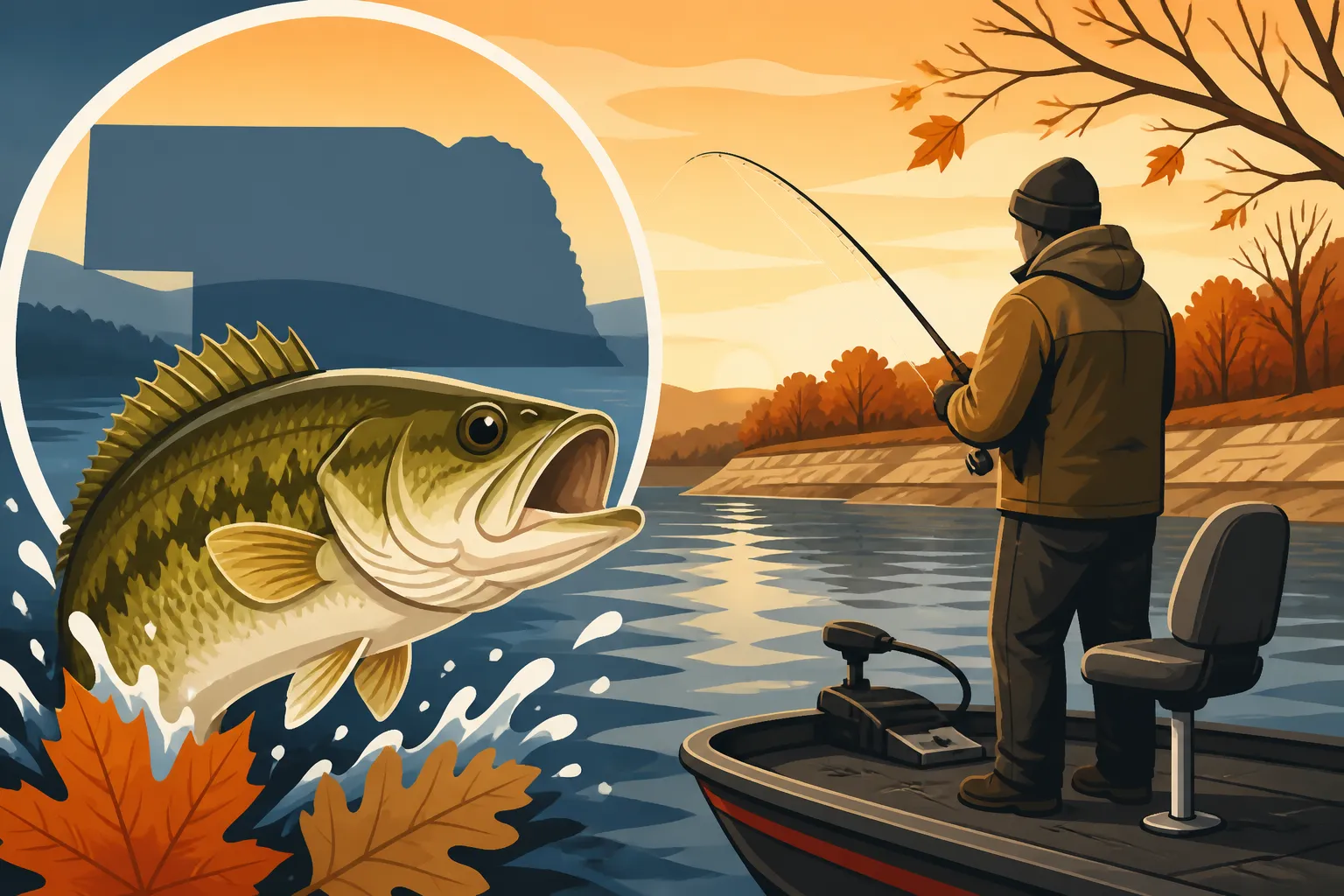
How to Fish Nebraska Reservoirs in Late Fall
Late fall fishing in Nebraska reservoirs can feel like a game of hide-and-seek, where the fish suddenly disappear from their summer haunts, leaving many anglers scratching their heads. The shift from mild autumn days to the biting cold of early winter brings a unique set of challenges and, frankly, frustrations. But don't let the dropping temperatures fool you; this can be one of the most rewarding times to be on the water, if you know how to adapt. This comprehensive guide will walk you through the subtle art of fishing Nebraska reservoirs when the leaves are gone and the air is crisp, helping you locate and land some truly memorable catches.
Decoding the Late Fall Reservoir Environment
As autumn gracefully bows out and late fall takes hold, Nebraska's reservoirs undergo a dramatic transformation. This isn't just about cooler air; it's about fundamental changes in the water column that dictate where fish will be, what they'll be eating, and how aggressively they'll bite. Understanding these environmental cues is your first and most crucial step toward success.
The Big Chill: Water Temperature and Fish Metabolism
The most significant factor in late fall reservoir fishing is the steadily declining water temperature. As the air gets colder, the surface water cools, becomes denser, and sinks, leading to what we call "fall turnover." This process essentially mixes the entire water column, breaking down the distinct thermocline that separated warm surface water from cold deep water during summer. What Fall Turnover Means for Fishing
Once turnover is complete, or well underway, water temperatures become much more uniform from top to bottom. This can initially scatter fish, as they lose their defined comfort zones, but eventually, they'll settle into areas that offer stable temperatures and abundant food. Fish metabolism slows down in colder water, meaning they might not be as eager to chase down a fast-moving lure. They're still feeding, often aggressively, but their strike zone can be much smaller, and their movements more deliberate. Anglers need to understand that this metabolic slowdown means slowing down their presentations, too.
Baitfish Movement and Concentration Points
As temperatures drop, the vast schools of baitfish—like gizzard shad, emerald shiners, and young panfish—that were scattered across shallow flats and open water in summer begin to consolidate. They're often seeking slightly warmer water, which might be deeper in the main lake basin, or congregating around large, stable structures where they feel secure.
This baitfish migration is a huge signal for predatory fish. If you can find the bait, you'll often find the predators. These concentrations might be suspended over deep water, particularly near channel bends, old creek beds, or submerged humps, or they might relate tightly to significant structure like standing timber, brush piles, or rocky drop-offs. Being able to locate these bait balls, often with the help of good electronics, is absolutely paramount to your late fall success. Without them, you're essentially fishing blind in a very big bathtub.
Top Target Species and Their Late Fall Habits
While many species are still catchable in late fall, some truly shine as the water cools, becoming more predictable and often more aggressive. Focusing on these particular fish can significantly boost your catch rates during this transitional period.
Walleye: The Late Season Feast
Walleye are perhaps the poster child for late fall fishing in Nebraska reservoirs. These toothy critters, known for their delectable fillets, go on a serious feeding binge as winter approaches. They know their metabolism will slow, and food will become scarcer, so they pack on the calories. This is why late fall can offer some of the best opportunities for trophy walleye. Walleye Fishing in Nebraska
You'll typically find walleye congregating on prominent main lake structures such as points, humps, deep rock piles, and the edges of old creek channels. They often stage on the deeper sides of these structures during the day, moving shallower onto the tops of humps or along contours during peak feeding windows, especially in low light conditions like dawn, dusk, or overcast days. Look for areas where baitfish are present, as walleye will be nearby, waiting for an easy meal. They might hold just off the bottom or suspend slightly above structure, making them prime targets for vertical presentations.
Crappie and Panfish: Schooling for Survival
Crappie, along with other panfish like bluegill and yellow perch, also provide excellent late fall action. As the water cools, these species form very large, dense schools, seeking out stable environments. If you find one crappie, you've likely found dozens, if not hundreds. Crappie Fishing in Nebraska
In reservoirs, crappie will often relate to deep submerged cover. Think standing timber, brush piles, flooded cedars, or deep docks. They might suspend over open water near these structures, or burrow right into the densest part of the cover. These fish are looking for thermal refuge and protection from predators. Perch will often be found tighter to the bottom, sometimes mixing with walleye on humps or flats, while bluegill will seek out the deepest brush or weed edges they can find. The key is to use your electronics to pinpoint these schools and then present small baits directly to them.
Predatory Pike and Muskie: Ambush in the Cold
For those seeking a serious fight, northern pike and muskellunge (muskie) remain incredibly active and aggressive through late fall. These apex predators don't seem to mind the colder water, and in fact, often thrive in it. They're built for cold water pursuit and ambush, making them fantastic targets when other species might be more lethargic. Northern Pike Fishing in Nebraska
In Nebraska reservoirs, you'll often find pike and muskie relating to the last remaining green weed beds, rocky points, or steep drop-offs into deeper water. They're looking for ambush points where they can surprise unsuspecting baitfish or even smaller game fish. They'll often lurk just outside the primary walleye or crappie zones, waiting for an opportunity. Don't be surprised to hook into a massive pike when targeting walleye, as they often share similar feeding grounds. Their feeding windows can be shorter, but when they decide to bite, it's usually with fierce intent. Muskellunge Fishing
Mastering Late Fall Techniques for Nebraska Reservoirs
Now that we understand where the fish might be and why, let's talk about the specific techniques that consistently produce bites in the late fall. This isn't the time for fast, erratic retrieves; it's about precision, patience, and presenting your bait effectively to often finicky, cold-water fish.
Slow and Deep: Vertical Jigging and Blade Baits
When fish are holding tight to deep structure or are suspended in deep water, vertical jigging is an absolute killer. This technique involves positioning your boat directly over the fish you see on your sonar and dropping a jigging spoon or a blade bait straight down.
The beauty of vertical jigging is its precision. You can keep your bait right in the strike zone, whether that's inches off the bottom or suspended at a specific depth. The retrieve is usually a lift-and-drop, mimicking a dying baitfish. For jigging spoons, a sharp 6-inch to 1-foot lift followed by a controlled fall can trigger powerful strikes. Blade baits, like those you can find on Amazon, offer excellent vibration on both the lift and the fall, which can call fish in from a distance, even in stained water. The key is to experiment with how high you lift and how long you pause on the fall. Sometimes, the fish want a hard snap; other times, a subtle quiver is all it takes.
Covering Water with Controlled Trolling
Trolling, especially slow trolling, is another highly effective method for covering larger areas of a reservoir and locating scattered fish or schools that are on the move. This technique allows you to present baits at a consistent depth and speed, which can be crucial when fish are particular about their presentation. How to Troll for Walleye in Nebraska
For walleye, slow trolling with crankbaits, often diving down to 15-30 feet, or bottom bouncers rigged with live minnows or nightcrawlers (check out some great options for live bait rigs on Amazon) along contours or over main lake flats can be deadly. Pay close attention to your speed; often, a speed of 1.0 to 1.5 mph is ideal in colder water, as it gives fish time to react. Using GPS and contour maps on your fish finder helps you stay precisely on productive breaks and structure. For crappie, slow trolling small jigs or minnows around deep timber can also yield excellent results.
Reaction Strikes: Jerkbaits and Swimbaits
Even though fish metabolism slows, triggering a reaction strike can still be very effective, especially for walleye, pike, and muskie. This is where jerkbaits and swimbaits come into play. These lures mimic injured baitfish and, with the right retrieve, can entice strikes from otherwise hesitant predators.
Jerkbaits, particularly suspending models, are fantastic in late fall. Cast them out, crank them down to their running depth, and then implement a long pause-and-twitch retrieve. The key is the pause—sometimes 5 to 10 seconds or even longer—allowing the lure to hang motionless in the water column, often right in a fish's face. This can be irresistible. Swimbaits, especially soft plastic versions rigged on a weighted swimbait hook, can be slowly reeled or "slow rolled" along the bottom or through suspended bait schools. The subtle tail action of a swimbait can be incredibly lifelike and effective in cold, clear water. Look for jerkbaits and swimbaits in natural baitfish patterns that are available on Amazon.
Essential Gear and Safety for Cold Weather Angling
Late fall fishing demands more than just skill; it requires the right gear to keep you safe and comfortable. The weather can be fickle in Nebraska during this time, swinging from mild to downright frigid in a single day. Preparing for the elements and ensuring your safety is just as important as choosing the right lure. Fall Fishing in Nebraska
Dressing for Success: Layering for Warmth and Protection
Staying warm on a cold Nebraska reservoir is not just about comfort; it's about safety. Hypothermia is a real danger. The best approach is layering. Start with a moisture-wicking base layer against your skin. Add an insulating mid-layer, like fleece or down, for warmth. Finally, your outer layer should be completely windproof and waterproof.
Don't forget the extremities! A warm hat, insulated gloves (or mittens that allow for dexterity when needed), and waterproof, insulated boots are non-negotiable. Cold feet and hands can quickly ruin a fishing trip. Having extra layers in a dry bag on the boat is always a smart move. When you're comfortable, you can focus on fishing, rather than shivering.
Electronics: Your Eyes Below the Surface
In late fall, when fish are often deep and relating to subtle structure, a quality fish finder is no longer a luxury—it's an absolute necessity. Modern units with down imaging and especially side imaging capabilities can be game-changers for locating those crucial bait balls and predatory fish schools. How to Read a Fish Finder for Walleye
Use your sonar to identify changes in bottom contour, submerged timber, rock piles, and, most importantly, schools of baitfish and the larger arches representing game fish. Pay attention to suspended fish, as well as those holding tight to the bottom. Mark waypoints on your GPS when you find promising areas or schools of fish. This allows you to return to them precisely. Don't skimp on learning how to use your electronics; investing time in understanding them will pay dividends in fish caught. Best Fishing Gear for Nebraska Anglers
Cold Water Safety Protocols
Fishing in cold weather and cold water brings inherent risks that you must take seriously. Water temperatures below 70 degrees Fahrenheit are considered dangerous, and late fall reservoir water will often be much colder than that. Falling into cold water can lead to hypothermia rapidly.
Always wear a US Coast Guard-approved life jacket, even if you're an experienced swimmer. Modern inflatable life jackets are comfortable and don't impede movement. Tell someone your float plan: where you're going, when you expect to return. Carry a fully charged cell phone in a waterproof bag. Have a throwable flotation device readily accessible. Ensure your boat's safety equipment is up to par, including working navigation lights, fire extinguisher, and sounding device. Being prepared can literally save your life. Nebraska Boat Safety Equipment Requirements
Remember, late fall fishing can be some of the best fishing of the year. The crowds are thinner, the scenery is stark but beautiful, and the fish are often big and hungry. Adapt your approach to the conditions, stay safe, and enjoy the peace and quiet of the season.
| Species | Typical Late Fall Location | Preferred Depth | Recommended Baits/Lures | Key Technique(s) |
|---|---|---|---|---|
| Walleye | Deep points, humps, channel edges, rock piles | 15-40 feet | Minnows, blade baits, jigging spoons, deep-diving crankbaits | Vertical jigging, slow trolling |
| Crappie | Deep brush piles, standing timber, docks, suspended over channels | 10-30 feet | Small minnows, tiny jigs, jigging spoons | Vertical jigging, slow trolling |
| Northern Pike | Weed edges, rocky points, steep drop-offs | 5-20 feet | Large jerkbaits, swimbaits, large spinnerbaits | Casting, slow trolling |
Disclaimer
This article is for general informational purposes only and does not constitute professional advice. Laws, prices and regulations vary by location and change over time. Consult a qualified professional for guidance on your specific situation.