Nebraska State Record Largemouth Bass Weight
Catching a largemouth bass is always a thrill, but landing a true monster, one that makes you question if you're dreaming, is an angler's ultimate goal. In Nebraska, where trophy fish often seem to hide in plain sight, pursuing a state record largemouth bass is a challenge that many dedicated anglers dream of. This guide will dive deep into the current Nebraska record, where these leviathans might be lurking, the tactics needed to entice them, and what to do if you're lucky enough to hook into a potential record-breaker.
The Current Nebraska State Record Largemouth Bass
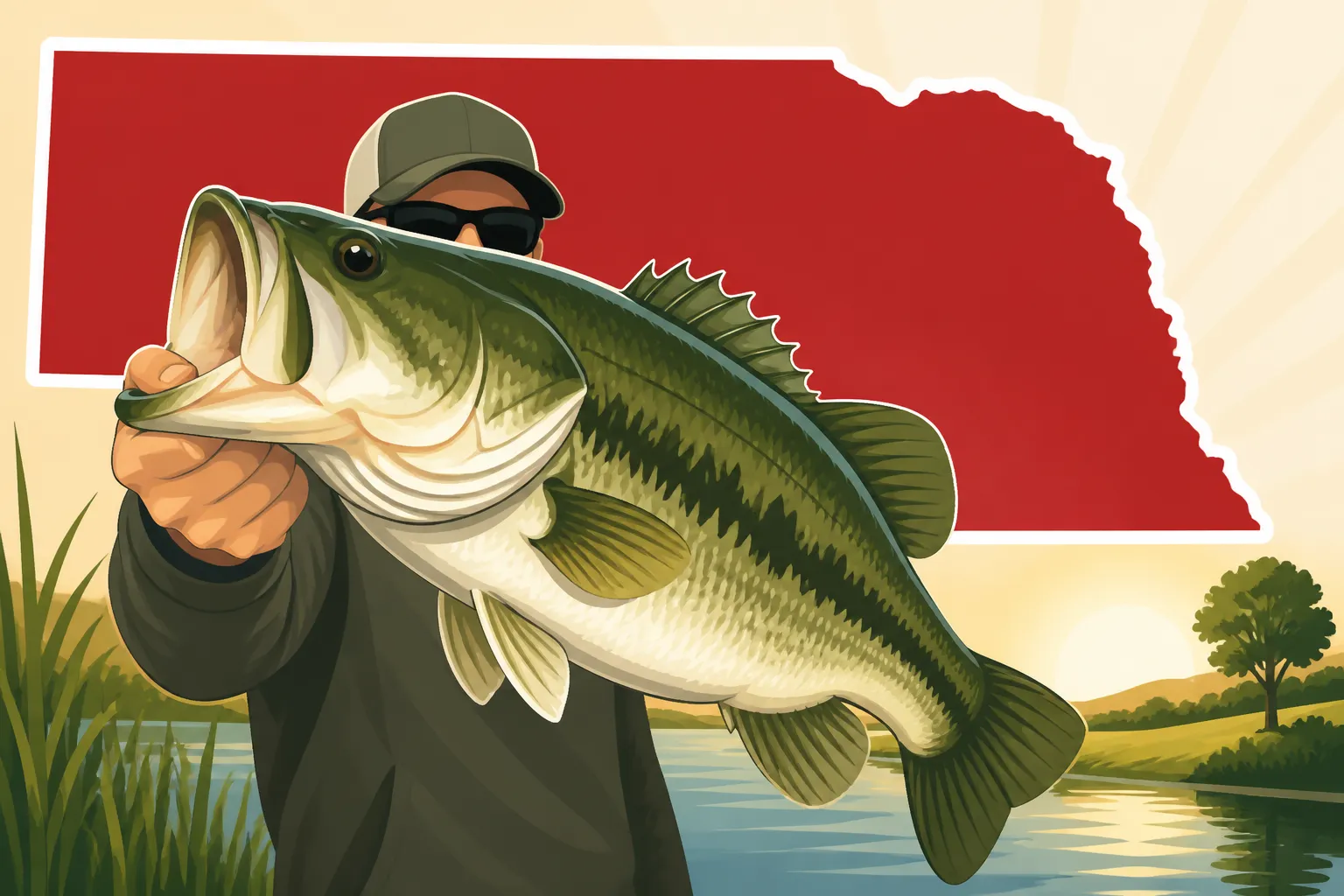
Let's cut right to the chase for those chasing greatness. The current Nebraska state record for largemouth bass stands at a truly impressive size, a testament to the growth potential within our waters. While sizes and exact figures can shift over time, the long-standing record is a fish that weighed in at 10 pounds, 11 ounces. This magnificent specimen was caught way back in 1965 from a private lake in the southern part of the state, showcasing that sometimes the biggest fish come from waters that aren't necessarily huge reservoirs.
What does it take for a largemouth to reach such a colossal size in Nebraska? It's a combination of factors: genetics, an abundant food supply, suitable habitat with plenty of cover, and, crucially, longevity. A bass needs to survive multiple seasons, avoiding anglers, predators, and environmental stresses, to pack on those extra pounds. Many anglers dream of breaking this record, and it serves as a benchmark for what's possible in Nebraska's diverse fishing environments. For more general information on this species, check out Largemouth Bass Fishing in Nebraska.
When we talk about a "trophy" largemouth bass in Nebraska, we're generally thinking of anything over 5 pounds. A 7 or 8-pound bass is considered exceptional, and anything approaching that double-digit mark is truly the fish of a lifetime. The fact that the record has stood for so many decades speaks volumes about how rare and special a 10-pound largemouth is in our state. It's not just about weight, either; the girth and length of such a fish are usually astounding, making for a truly memorable catch.
Where to Find Nebraska's Trophy Largemouth Bass
You might think that record-breaking largemouths only come from massive lakes, but Nebraska's story shows a different truth. While large reservoirs certainly hold big fish, private ponds and smaller, less pressured waters often produce some of the heaviest bass. These smaller, fertile bodies of water can offer consistent food sources and reduced angling pressure, allowing bass to grow old and large.
Key Habitats for Giant Largemouth
Largemouth bass are masters of ambush, and trophy-sized fish are no different. They gravitate towards areas offering ample cover, food, and a sense of security. In Nebraska, this means focusing on:
- Submerged Structure: Think old creek channels, flooded timber, rock piles, and artificial fish attractors. These spots provide ambush points and thermal refuge. Many larger reservoirs, like Branched Oak Lake or Pawnee Lake near Lincoln, have extensive underwater contours and structure that can hold giant bass.
- Aquatic Vegetation: Thick weed beds, lily pads, and cattails are prime real estate. They offer cover for both the bass and their prey, and they regulate water temperature. Look for transition zones where different types of vegetation meet, or where weeds meet open water, as these can be high-traffic areas.
- Docks and Man-made Structures: Boat docks, bridge pilings, and riprap can provide excellent shade and cover, especially during bright, sunny days. Bass will often position themselves in the shadows, waiting for an unsuspecting baitfish or frog to swim by.
- Deep Water Access: While bass often feed in shallower water, especially during dawn and dusk, larger bass will typically relate to deeper water where they can retreat when feeling pressured or when water temperatures fluctuate dramatically. This is particularly true in large reservoirs.
Some of the best places to consistently find larger bass, or at least the potential for them, include many of Nebraska's larger reservoirs like Branched Oak Lake, Pawnee Lake, and Wagon Train Lake in the eastern part of the state. These waters are well-managed and stocked, and offer the kind of diverse habitat that allows bass to thrive. Don't overlook the potential of farm ponds, though. If you can get permission, a well-managed private pond can often surprise you with a true lunker. For more details on specific locations, explore Best Nebraska Lakes for Trophy Bass and How to Catch Largemouth Bass in Farm Ponds.
The Importance of Forage and Water Quality
A bass won't get huge without a consistent and nutritious diet. Lakes with abundant populations of shad, bluegill, crappie, and even smaller carp provide the caloric intake necessary for rapid growth. Lakes that are consistently fertile and have good water quality also contribute to the overall health and growth rate of the bass population. Clear water often means healthier aquatic vegetation and better sight-hunting opportunities for bass, while slightly stained water can provide cover for them to ambush prey. Understanding the forage base in a particular lake can give you a significant advantage in selecting the right baits and techniques.
Strategies for Targeting Giant Largemouth Bass
Catching a true trophy largemouth isn't just about luck; it's about strategy, patience, and using the right tools for the job. You'll need to adapt your approach from everyday bass fishing to specifically target those older, wiser, and larger fish.
Bait Selection: Bigger Baits for Bigger Fish
It’s a common saying, and often true: big baits catch big fish. While a small worm might catch you a dozen eager smaller bass, a giant wants a substantial meal. Consider throwing:
- Large Swimbaits: These realistic lures mimic bigger baitfish and can be incredibly effective for enticing a trophy bass that's looking for a hefty meal. You can find a wide variety of excellent swimbaits on Amazon that replicate everything from shad to trout.
- Jigs with Large Trailers: A heavy jig pitched into thick cover or along a deep weed line can be irresistible. Pair it with a bulky creature bait or a large crawfish imitation to give it more profile and appeal.
- Big Spinnerbaits and Chatterbaits: When bass are aggressive, especially around cover, a large spinnerbait with big blades or a thumping chatterbait can draw vicious strikes.
- Topwater Frogs and Rats: Fishing heavy cover like lily pads or thick mats of vegetation calls for weedless topwater baits. A large frog or rat imitation can draw explosive strikes from bass hiding underneath.
- Live Bait: Don't discount live bait, especially large shiners, bluegill, or even small carp (where legal). A lively baitfish can often trigger a strike when artificial lures fail.
Remember, presentation is key. These larger baits need to be fished slowly and meticulously, often targeting very specific pieces of cover where a big bass might be holding. For more specific lure ideas, check out Best Lures for Nebraska Bass.
Rods, Reels, and Line: Gearing Up for the Battle
When you're trying to land a potential state record, your gear needs to be up to the task. You're not just fighting the fish; you're often fighting it out of heavy cover.
- Heavy Action Rods: A stout, heavy-action baitcasting rod (7' to 7'6" is a good starting point) provides the backbone needed to leverage a big fish out of weeds or timber. The extra length also aids in casting larger baits and controlling the fish.
- Robust Baitcasting Reels: Pair your heavy rod with a reliable baitcasting reel that has a strong drag system and a good retrieve ratio for moving a fish quickly if needed. Look for reels designed for heavy cover applications. Many anglers find great options on Amazon. More on this can be found at Best Baitcasting Reels for Bass Fishing.
- Heavy Braided Line: Forget monofilament or fluorocarbon for your main line when targeting giants in heavy cover. 50-80 lb braided line has zero stretch, incredible abrasion resistance, and the strength to pull a big bass and a wad of weeds out of the water. You can always add a fluorocarbon leader if you need more stealth in clear water.
Fishing for trophy bass requires patience. You might go hours without a bite, but when that strike comes, it could be the fish of a lifetime. Focus on high-percentage areas, make accurate casts, and pay attention to subtle changes in your line or rod tip. Understanding how to play a large fish is also crucial, as detailed in How to Fight a Big Fish on Light Tackle.
What to Do When You Catch a Potential State Record
So, you've done it. You've hooked, fought, and landed a largemouth bass that looks like it could challenge the state record. What now? The moments immediately after catching such a fish are critical for proper documentation and, ideally, for the fish's survival if you plan to release it.
Immediate Steps for a Potential Record
Acting quickly and calmly is paramount. Here's a step-by-step guide:
| Step | Action | Importance |
|---|---|---|
| 1. Secure the Fish | Keep the fish calm and in a livewell or a large, aerated cooler with plenty of fresh water. If immediate measurement is possible, do so quickly and get it back in water. Avoid excessive handling. | Minimizes stress on the fish, increasing its chances of survival if released, and keeps it in good condition for official measurement. |
| 2. Contact Nebraska Game & Parks | As soon as possible, contact the Nebraska Game & Parks Commission (NGPC). They will guide you through the official record verification process. They might have specific protocols or require a Game and Parks staff member to be present. | Essential for official recognition. They provide the certified resources and witnesses required. |
| 3. Locate a Certified Scale | The fish must be weighed on a certified scale, usually found at local grocery stores, meat markets, or feed stores. The scale needs to be verified by a certified official or inspector. Ensure the scale is zeroed out before weighing. | Guarantees the accuracy and legitimacy of the weight for record purposes. |
| 4. Witness & Documentation | Have at least one (preferably two) credible witnesses present during the weighing process. Take clear, well-lit photographs of the fish, showing its full length and girth. Include a recognizable object (like a ruler or a specific item of gear from your Best Tackle Box Setup for Nebraska Anglers) for scale, though an official measurement is critical. | Provides undeniable proof of the catch, the weight, and prevents any disputes or questions about the fish's authenticity. |
| 5. Complete the Application | The NGPC will provide a state record application form. Fill this out completely and accurately, including all required signatures, details of the catch (date, time, location, bait), and witness information. | Formalizes your claim and provides all necessary data for the record book. |
| 6. Consider Release | If you plan to release the fish, do so as quickly and gently as possible after all documentation is complete. Ensure it's strong enough to swim away on its own. | Promotes conservation and allows other anglers the chance to catch a trophy, while also potentially allowing the fish to spawn again. See Catch and Release Best Practices in Nebraska. |
Remember that adhering to all Nebraska Fishing Regulations Explained is critical not just for a record, but for ethical angling in general. Any violation could disqualify your catch.
The Role of Conservation
While the dream of a state record is thrilling, many anglers today prioritize conservation. If you catch a truly massive bass, consider practicing catch and release after you've completed the necessary documentation. Trophy fish are invaluable for the genetic health of a lake's population and can continue to grow and spawn, contributing to future generations of big bass. Keeping a fish simply for a record can sometimes feel conflicting, but the choice is ultimately yours.
The pursuit of a Nebraska state record largemouth bass is a journey filled with excitement, challenge, and the possibility of a truly memorable catch. Whether you break the record or just catch your personal best, the thrill of the hunt for these impressive fish is a reward in itself.
Disclaimer
This article is for general informational purposes only and does not constitute professional advice. Laws, prices and regulations vary by location and change over time. Consult a qualified professional for guidance on your specific situation.