Box Butte Reservoir Fishing
It's tough to find those truly special, often overlooked fishing spots that deliver consistent action and a real sense of escape from the crowds. Many anglers stick to the big, well-known reservoirs, sometimes missing out on smaller treasures that hold incredible potential. If you've been searching for a northwestern Nebraska gem that promises diverse fishing opportunities and a peaceful retreat, then Box Butte Reservoir is exactly what you need. This comprehensive guide will take you deep into this fantastic fishery, revealing its secrets for a successful and memorable fishing trip, helping you understand its unique characteristics and how to best approach its waters.
Unveiling Box Butte Reservoir: A Hidden Gem in the Panhandle
Box Butte Reservoir, nestled in the scenic Nebraska Panhandle roughly 10 miles north of Hemingford, is a true diamond in the rough for anglers. While it might not have the sheer size of a Lake McConaughy, its charm lies in its diverse fishery, tranquil atmosphere, and reputation for producing quality fish across several species. This reservoir is formed by the damming of Ash Creek, providing a sprawling body of water surrounded by high plains, giving it a distinct, rugged beauty that's perfect for those looking to connect with nature while reeling in some great catches.
Location and Unique Features
Situated in Dawes County, Box Butte Reservoir covers approximately 1,600 acres when at full conservation pool, although water levels can fluctuate, impacting accessible shoreline and boat ramp use. The reservoir's relatively shallow nature compared to some of Nebraska's deeper lakes means it warms up faster in spring, kickstarting fish activity earlier, but it can also experience summer thermoclines and winter ice conditions that require specific fishing approaches. The surrounding landscape, characterized by rolling grasslands and occasional rocky outcrops, offers a stunning backdrop to your fishing adventures. This serene environment often means less boat traffic and fewer distractions than larger, more popular destinations, making it an ideal spot for a relaxing day on the water or a multi-day camping and fishing excursion.
What really sets Box Butte apart is its structure. You’ll find a mix of submerged timber, rocky points, gradual sloping flats, and creek channels that provide excellent habitat for a variety of fish. Understanding these underwater features is crucial for successful fishing here. Many of these features are remnants of the original Ash Creek drainage and offer prime ambush points for predatory fish. The clearer water conditions often found in the reservoir, especially outside of heavy runoff periods, also mean that stealth and presentation can be key to enticing bites. Before heading out, ensure you're familiar with the general Nebraska Fishing Regulations Explained and have your current Nebraska Fishing License Guide in hand, as regulations can sometimes have specific nuances for smaller, more sensitive fisheries like Box Butte.
Water Levels and Their Impact on Fishing
Water levels at Box Butte Reservoir can fluctuate significantly, which, as any seasoned angler knows, plays a huge role in fish behavior and access. Heavy rains can bring the lake up, submerging new cover and expanding fish habitat, often triggering feeding frenzies as fish move into newly flooded areas. Conversely, drought conditions or irrigation demands can lower the water levels, concentrating fish in deeper channels or around remaining structure. This can make them easier to locate, but also potentially more stressed and less willing to bite.
When water levels are high, look for fish to move into newly flooded terrestrial vegetation or shallow, brushy areas, especially species like northern pike and largemouth bass. These areas provide excellent cover and new feeding grounds. When the water is low, focus your efforts on the main creek channel, deeper drop-offs, and isolated pockets of remaining structure. Boat ramp access can also be affected by extreme low water, so it's always a good idea to check the Nebraska Game and Parks Commission website or call a local bait shop in Hemingford or Alliance for the most up-to-date conditions before you make the drive. Adjusting your fishing strategy to match the current water levels is a hallmark of a successful Box Butte angler.
The Prized Catches of Box Butte: What's Biting?
Box Butte Reservoir is renowned for its diverse species, offering something for almost every type of angler. From toothy predators to hard-fighting bottom dwellers and delicious panfish, you'll find a healthy population of game fish thriving in its waters. Knowing what to target and where they typically hang out will significantly increase your chances of a memorable day.
Walleye: The Golden Opportunity
Walleye are undoubtedly one of the most sought-after species at Box Butte. These elusive, finicky fish offer a thrilling challenge and are prized for their delicate, flaky white meat. Box Butte walleye are known to grow to impressive sizes, with many anglers reporting catches in the 20-inch range, and even larger trophies caught annually. During the spring spawn, walleye move to shallower, rocky areas and points, making them more accessible to shore anglers and those trolling near the banks. As the water warms in summer, they retreat to deeper, cooler waters, often congregating around submerged humps, old creek channels, and the dam face.
Effective techniques for Box Butte walleye include trolling with crankbaits or spinner rigs tipped with nightcrawlers. For those who prefer a more active approach, jigging with minnows or soft plastics along contours and drop-offs can be incredibly productive, especially during low-light conditions or after dark. Understanding the subtle bite of a walleye is key, as they often just "tick" the line or feel like a slight weight, rather than a jarring strike. If you're passionate about Walleye Fishing in Nebraska, Box Butte Reservoir should definitely be on your list for its consistent action and potential for trophy fish.
Northern Pike: The Apex Predator
For those who love a fierce fight and a bit of toothy excitement, Box Butte's northern pike population is a major draw. These aggressive predators can grow quite large here, often exceeding 30 inches, and they put up an incredible battle. Pike are ambush predators, often found lurking in weed beds, submerged timber, or along sharp drop-offs, waiting for an unsuspecting meal to swim by. They are particularly active during cooler water periods in spring and fall, but can be caught year-round.
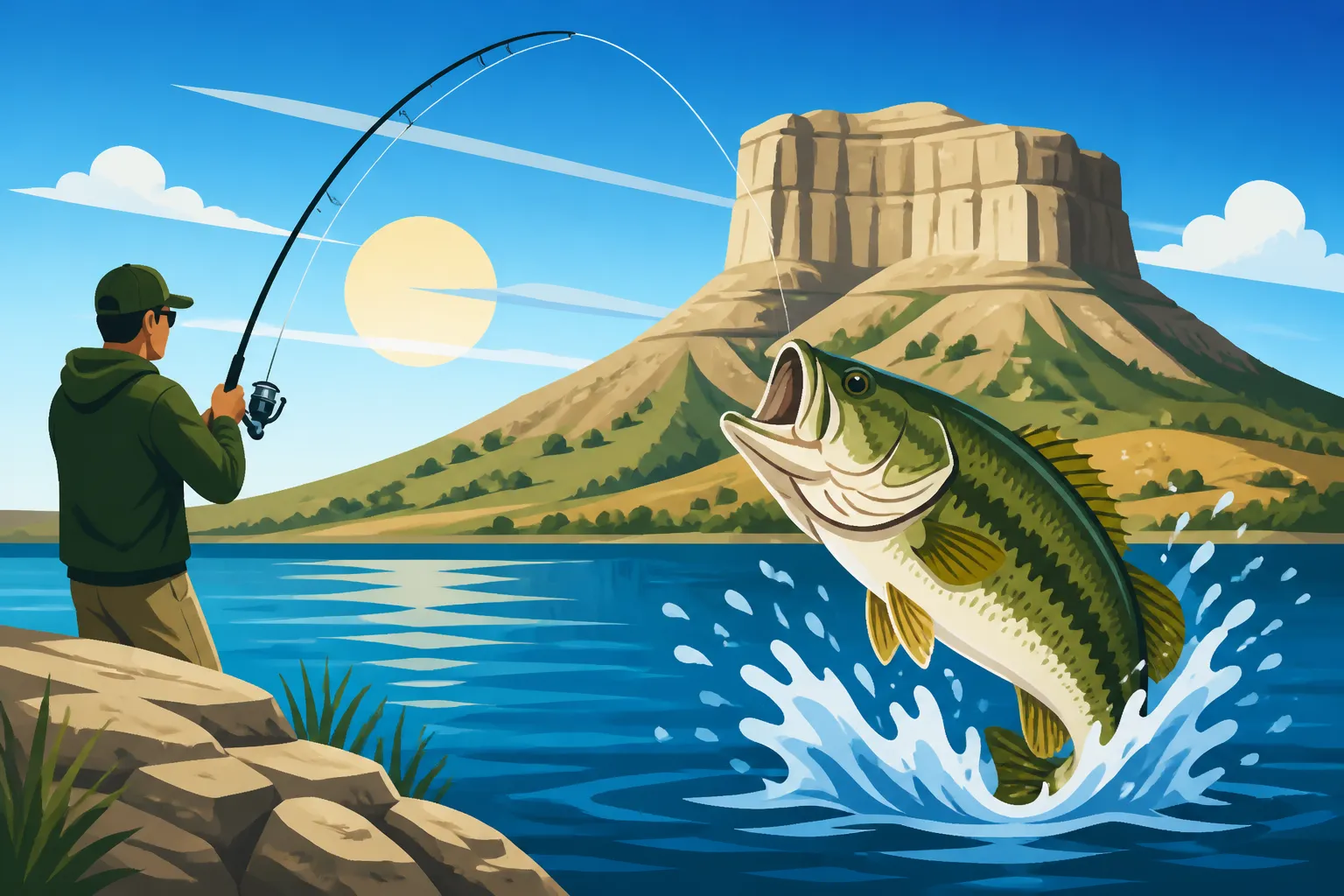
When targeting northern pike, be sure to use strong tackle, including wire leaders, to prevent their razor-sharp teeth from cutting your line. Large spoons, spinnerbaits, and big crankbaits in bright, flashy colors are excellent choices. Live bait, such as large minnows or suckers fished under a bobber or slowly trolled, can also be highly effective, especially for bigger fish. For those dreaming of a trophy pike, Box Butte offers some of the best Northern Pike Fishing in Nebraska, providing ample opportunities to hook into one of these freshwater giants. Just be ready for a fight, as they often make powerful runs and acrobatic leaps.
Channel Catfish and Bass: Diverse Opportunities
Beyond walleye and pike, Box Butte Reservoir also boasts a healthy population of channel catfish and both largemouth and smallmouth bass, offering diverse fishing experiences. Channel catfish thrive in the reservoir's nutrient-rich waters and are plentiful, providing excellent action for both seasoned and novice anglers. They are scavengers and will readily hit a variety of baits, making them a fun and reliable target, especially during the warmer months.
For channel cats, focus on the deeper channels, points, and any areas with significant current or structure. Classic baits like chicken liver, cut bait, shad, or even stink baits are incredibly effective. Fishing them on the bottom with a simple sinker rig is often all it takes. If you're new to the area or looking for guidance, remember that platforms like FishingBooker can connect you with local guides who specialize in Channel Catfish Fishing in Nebraska and can put you on the hot spots at Box Butte. They offer a fantastic fight, and much like walleye, are excellent table fare.
When it comes to bass, Box Butte holds both largemouth and smallmouth, though largemouth are generally more prevalent. Largemouth bass prefer the shallower, weedy coves and areas with submerged timber, where they can ambush prey. They respond well to soft plastics (worms, creature baits), spinnerbaits, and topwater lures fished during low light. Smallmouth bass, on the other hand, typically prefer rocky areas, points, and deeper, clearer water, often biting on small crankbaits, tubes, or finesse jigs. The presence of both species provides varied challenges and techniques, making Box Butte a versatile destination for bass enthusiasts.
Panfish: Crappie, Bluegill, and Perch
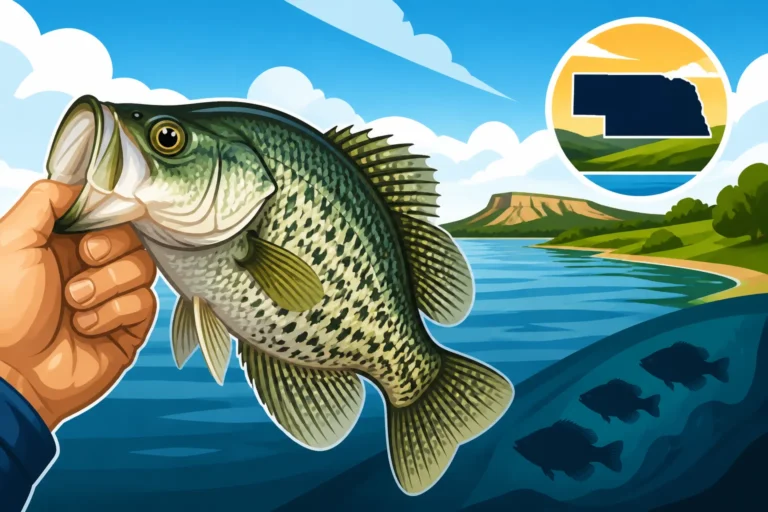
Don't overlook the panfish at Box Butte! Crappie, bluegill, and yellow perch provide consistent action, especially for families and anglers looking for a high-volume catch. These smaller species are delicious to eat and offer fantastic light-tackle fun. Crappie often congregate around submerged brush piles, timber, and the deeper edges of weed lines, particularly in spring and fall. Small jigs tipped with minnows or soft plastic bodies are usually irresistible to them.
Bluegill and yellow perch are commonly found in shallower, weedy areas and around docks or fallen trees. They readily bite on small worms, crickets, or tiny jigs fished under a bobber. These species are perfect for introducing kids to fishing, as they are often eager biters and plentiful. Check the Nebraska Fishing Daily Bag and Possession Limits before you go, as limits for panfish can be quite generous, allowing you to bring home a good mess for a fish fry.
| Species | Best Season(s) | Preferred Habitat | Recommended Baits/Lures | Special Notes |
|---|---|---|---|---|
| Walleye | Spring, Summer, Fall | Rocky points, humps, creek channels, dam face | Crankbaits, spinner rigs, jigs with minnows | Nocturnal feeders, subtle bite. |
| Northern Pike | Spring, Fall, Winter | Weed beds, submerged timber, drop-offs | Large spoons, spinnerbaits, large minnows | Aggressive, sharp teeth (use wire leader). |
| Channel Catfish | Summer, Fall | Deep channels, points, areas with current | Chicken liver, cut bait, stink bait, shad | Excellent table fare, active in warm water. |
| Largemouth Bass | Spring, Summer, Fall | Weedy coves, submerged timber, shallow cover | Soft plastics, spinnerbaits, topwater | Ambush predators, target cover. |
| Smallmouth Bass | Spring, Summer, Fall | Rocky areas, points, clear deeper water | Small crankbaits, tubes, finesse jigs | Hard fighters, often in current areas. |
| Crappie | Spring, Fall | Submerged brush, timber, deep weed edges | Small jigs (minnow or plastic), small minnows | Schooling fish, excellent eating. |
| Bluegill/Perch | Spring, Summer | Shallow weeds, docks, fallen trees | Worms, crickets, tiny jigs, small minnows | Great for kids, consistent action. |
Mastering the Waters: Effective Techniques for Box Butte
Box Butte Reservoir demands a versatile approach from its anglers. Given the variety of species and changing conditions, a one-size-fits-all method simply won't cut it. Understanding different techniques and when to deploy them will make you a much more successful angler here.
Trolling for Success
Trolling is a highly effective technique at Box Butte, especially for covering large areas and locating schools of walleye or active northern pike. For walleye, trolling crankbaits is a go-to method. Choose baits that dive to the depths where you're marking fish, or slightly above them to entice strikes from below. Popular colors often include natural baitfish patterns, firetiger, or chartreuse, depending on water clarity and sunlight. Using a GPS and depth finder is invaluable for identifying submerged humps, points, and old creek beds where walleye tend to congregate. Adjust your speed until you find what triggers bites, typically ranging from 1 to 2.5 mph.
Another powerful trolling method is using spinner rigs, often called "crawler harnesses," tipped with a fresh nightcrawler. These are especially effective in warmer water when walleye are more active. The combination of flash, vibration, and natural bait scent is hard for a walleye to resist. Vary your leader length and weight to present the bait at different depths. For northern pike, larger, deeper-diving crankbaits or spoons can be trolled along weed edges or over deeper flats where these aggressive predators might be cruising. Remember, consistency in depth and speed, combined with paying close attention to your electronics, will pay dividends when trolling Box Butte.
Casting and Jigging Strategies
For those who prefer a more hands-on approach, casting and jigging can be incredibly productive, particularly when targeting specific structures or individual fish you've marked on your sonar. Jigging with lead-head jigs tipped with minnows, grubs, or paddle-tail plastics is excellent for walleye, especially when they are holding tight to bottom structure or in deeper water. Work the jig with a lift-drop motion, letting it hit the bottom and puff up a little sediment, mimicking a wounded baitfish.
Casting is a versatile technique for both bass and pike. For largemouth bass, pitching spinnerbaits or soft plastic Texas-rigged worms into weed pockets, along submerged timber, or under overhanging brush can draw explosive strikes. Smallmouth bass, when present, will often hit small crankbaits or tube jigs cast around rocky points and breaks. Northern pike can be targeted by casting large spoons, inline spinners, or jerkbaits along the edges of weed beds or over open flats. The key with casting is to meticulously work promising areas, fan-casting to cover all angles, and paying attention to retrieve speed and action to find what the fish are reacting to on any given day.
Bank Fishing and Live Bait
You don't need a boat to have success at Box Butte Reservoir. Bank fishing can be highly rewarding, especially during certain seasons or when targeting specific species. The reservoir offers plenty of shoreline access, particularly around the public use areas. For channel catfish, bank fishing with a sturdy rod and reel, a simple bottom rig, and a bait like chicken liver or cut bait is incredibly effective, especially in the evenings and overnight during warmer months. Cast your bait out, let it settle on the bottom, and wait for that tell-tale tug.
Live bait is often the secret weapon for many species. For walleye, a lively minnow on a jig or under a slip bobber can be irresistible. For northern pike, larger shiners or suckers, again fished under a bobber or on a quick-strike rig, can entice those bigger, more cautious fish. Even panfish like crappie and bluegill will readily take a small minnow or a piece of worm. When bank fishing, look for points, drop-offs close to shore, or areas where current might create a natural food funnel. Setting up a comfortable chair, having a few rod holders, and being patient are the hallmarks of successful bank fishing at Box Butte. For those interested in improving their setup, checking out articles on Best Rods and Reels for Nebraska Fishing can offer great insights into ideal gear.
Year-Round Opportunities: Seasonal Strategies at Box Butte
Box Butte Reservoir offers exciting fishing opportunities throughout the year, but understanding how fish behavior changes with the seasons is critical to consistent success. Each season presents unique challenges and rewards.
Spring: The Awakening Bite
Spring at Box Butte is a time of renewed activity as the water temperatures begin to rise, signaling the start of the spawn for many species. This is often when walleye and northern pike become more accessible in shallower waters. As the ice melts and the water warms into the 40s and 50s Fahrenheit, walleye will move to traditional spawning grounds like rocky points, riprap along the dam, and shallower flats. Trolling shallow-running crankbaits or casting jigs tipped with minnows in these areas during low light can be incredibly productive.
Northern pike are also very active in spring, often found in the newly emerging weed beds and shallow, warmer bays. Large spinnerbaits and spoons cast into these areas can draw aggressive strikes. Largemouth bass will also begin to move shallow, staging for their spawn, and can be caught on spinnerbaits, jigs, and slow-rolled crankbaits. For panfish like crappie and bluegill, look for them to move into shallow, brushy cover as water temperatures reach the 60s. Spring is often a fantastic time for shore anglers, as many fish are concentrated closer to accessible banks.
Summer: Deep Water and Early/Late Action
As summer progresses and water temperatures climb, many species, especially walleye, will move to deeper, cooler water. This means focusing your efforts on submerged humps, the main creek channel, and the thermocline (if one develops and can be found with electronics). Trolling deep-diving crankbaits or bottom-bouncing spinner rigs with nightcrawlers over these deeper structures is a common and effective summer strategy for walleye. Early mornings and late evenings, or even night fishing, can be particularly productive as walleye move shallower to feed under the cover of darkness.
Northern pike will often retreat to deeper weed lines or around the coolest available structure, but they can still be caught by casting large lures into weed pockets or trolling over deeper flats. Channel catfish become incredibly active in summer's warm waters, making them a prime target. Focus on deeper channels, the dam area, and areas where wind might push baitfish. Both largemouth and smallmouth bass will typically hold to cover, seeking shade during the brightest parts of the day. Target them with Texas-rigged worms, jigs, or topwater lures during the twilight hours. Summer fishing at Box Butte requires patience and often a willingness to explore different depths to find active fish.
Fall: The Feeding Frenzy
Fall is a favorite season for many Box Butte anglers, and for good reason. As water temperatures begin to cool, fish sense the approaching winter and engage in a major feeding frenzy to fatten up. This "turnover" period can be fantastic, as many species become more active and less finicky. Walleye will often be found shallower again, moving from their summer haunts to points and flats, aggressively hitting crankbaits, jigs, and blade baits.
Northern pike are exceptionally active in the fall, often following schools of baitfish into shallower coves. Large spoons, spinnerbaits, and jerkbaits can produce monster pike catches. Bass will also be feeding heavily, often schooling up on baitfish. Casting crankbaits, jerkbaits, and lipless crankbaits can be highly effective. Fall is also a prime time for crappie, as they move to deeper brush piles and structure before winter. Vertical jigging or slow trolling with small minnows or jigs can fill a cooler. This season often offers some of the most consistent and exciting action of the year at Box Butte, as fish are focused on bulking up.
Winter: Ice Fishing Excitement
When the ice settles thick and safe, Box Butte Reservoir transforms into an ice angler's paradise. Box Butte Reservoir Ice Fishing is a popular winter activity, offering the chance to catch walleye, northern pike, crappie, and perch through the ice. As temperatures drop, ensure ice thickness is adequate for safety, generally at least 4 inches for foot traffic. Be sure to review Nebraska Ice Fishing Safety Tips before venturing out.
For ice fishing walleye, jigging spoons tipped with minnow heads or small tungsten jigs tipped with wax worms can be effective, especially during dawn and dusk. Northern pike can be caught using tip-ups rigged with large live minnows or dead bait, set in shallower bays or along weed edges. Crappie and perch will often school up over deeper humps or brush piles; small jigs or spoons sweetened with a wax worm or minnow will usually get their attention. Portable shelters and ice augers are essential gear for winter comfort and access. Box Butte provides a serene winter landscape, and the opportunity to pull a trophy fish through the ice is an experience not to be missed for the dedicated winter angler.
Beyond the Cast: Amenities, Access, and Important Regulations
A successful fishing trip isn't just about what you catch; it's also about having a comfortable, convenient experience and respecting the rules of the water. Box Butte Reservoir offers several amenities to make your visit enjoyable, but it's crucial to be aware of access points and local regulations.
Public Access and Facilities
Box Butte Reservoir is managed by the Nebraska Game and Parks Commission and offers several public access points. The primary boat ramp is located on the north side of the reservoir, providing concrete ramps suitable for launching most fishing boats. However, as mentioned, always check current water levels, especially if you have a larger boat, as low water can sometimes limit launch capabilities. There are also primitive camping areas available around the reservoir, offering a chance to extend your fishing adventure. These typically include basic amenities like vault toilets and picnic tables. For a more structured stay, nearby Hemingford offers limited lodging options, and the larger town of Alliance, about 25 miles south, provides more comprehensive services including hotels, restaurants, and bait shops.
Shoreline access is generally good, with plenty of areas suitable for bank fishing, particularly around the public use areas. Remember to practice Leave No Trace principles, packing out everything you pack in to keep Box Butte pristine for future generations. If you're bringing a boat, understanding Nebraska Boat Registration and Equipment Requirements is vital for a safe and legal outing.
Navigating Regulations and Permits
Like all public waters in Nebraska, fishing at Box Butte Reservoir requires a valid Nebraska fishing license for anyone 16 years of age or older. Non-resident anglers will need a Nebraska Nonresident Fishing License Guide, and specific permits for different durations are available, like the Nebraska 1-Day Fishing Permit or the Nebraska Annual Fishing Permit. Beyond the general license, it's essential to consult the current Nebraska Fishing Guide for specific regulations pertaining to Box Butte, including daily bag and possession limits, length limits for certain species (like walleye, northern pike, and bass), and any special restrictions.
Box Butte is a popular spot for a variety of species, and these regulations are in place to ensure sustainable fishing for everyone. For example, walleye often have specific length limits to protect the breeding stock, and pike may have daily harvest limits. Ignorance of the rules is not an excuse, and violating them can lead to significant penalties. Always know before you go!
Making the Most of Your Box Butte Fishing Adventure
Planning is key to any successful fishing trip, and Box Butte Reservoir is no exception. A little foresight can turn a good day into a fantastic one.
Essential Gear and Local Bait Shops
Before you hit the water, make sure your gear is up to snuff. For Box Butte, a versatile medium-heavy spinning or baitcasting rod and reel combo capable of handling lures for walleye and pike, yet sensitive enough for crappie, is a good start. Spool up with quality line, perhaps 8-12 lb fluorocarbon or monofilament, or a braided line with a fluorocarbon leader for abrasion resistance, especially when fishing around submerged timber or rocky areas. A tackle box stocked with a variety of jigs (1/8 to 1/2 oz), crankbaits (both shallow and deep diving), spinnerbaits, and spoons will cover most of your artificial lure needs. Don't forget live bait! Minnows, nightcrawlers, and chicken liver are often the best producers for various species.
While there might not be a large bait shop right on the reservoir, you can find bait and tackle in Hemingford or, more comprehensively, in Alliance. These local shops are also invaluable resources for up-to-date fishing reports and tips from local anglers. Don't hesitate to ask for advice – local knowledge is golden! They can tell you what's biting, what baits are working, and current water conditions. If you're unsure about what live bait to use, a quick look at Best Bait for Nebraska Walleye or Best Bait for Nebraska Catfish can give you a head start.
When to Visit and Finding Guides
The "best" time to visit Box Butte Reservoir really depends on what you're hoping to catch. Spring and fall are generally considered prime times for walleye and northern pike due to their active feeding patterns and more accessible locations. Summer offers fantastic catfish action and warmer weather for camping, though walleye often require more effort to find in deeper water. Winter is excellent for ice fishing enthusiasts looking for solitude and steady action. Consider what species you want to target and then align your visit with their peak activity periods, as outlined in the "Seasonal Strategies" section.
If you're new to the reservoir or simply want to maximize your chances of success, considering a guided fishing trip can be a game-changer. Local guides possess an intimate knowledge of the reservoir's structure, fish patterns, and current conditions. They can take you directly to the hot spots, teach you effective techniques, and provide all the necessary gear. If you're looking to book an experienced local fishing guide, platforms like FishingBooker are a great resource for finding reputable professionals who can tailor a trip to your preferences. They can often provide insights that might take years to gather on your own, making your Box Butte experience truly unforgettable. Whether you're a seasoned pro or a beginner looking to explore Best Places to Fish in Nebraska, Box Butte Reservoir truly offers a unique and rewarding angling experience.
Disclaimer
The information provided in this guide is for general informational purposes only. Fishing conditions, regulations, and access can change rapidly. Always consult the latest Nebraska Game and Parks Commission regulations and local advisories before planning your trip to Box Butte Reservoir. Safety should always be your top priority when on or near the water.