How to Fish From Shore in Nebraska
There’s a unique kind of joy that comes with fishing, but let’s be honest, not everyone has access to a fancy boat or a kayak to hit those prime open-water spots. The frustration of seeing anglers out on the lake while you're stuck on shore, wondering if you can even catch anything worthwhile, is a real feeling. But here's the good news: shore fishing in Nebraska isn't just possible, it's often incredibly rewarding, accessible, and can lead to some fantastic catches! This comprehensive guide is dedicated to equipping you with all the knowledge, tips, and tricks you need to become a successful Nebraska shore angler, no matter your experience level.
Why Shore Fishing is Awesome and Challenging in Nebraska
Shore fishing, also known as bank fishing, offers a distinct experience from fishing out of a boat. It's often more relaxed, connected to nature, and surprisingly effective if you know what you're doing. But it also comes with its own set of hurdles that, with the right approach, can be easily overcome.
Accessibility for All
One of the greatest advantages of shore fishing is its sheer accessibility. You don't need to worry about boat ramps, trailers, or expensive fuel. All you really need is a rod, reel, some tackle, and a desire to cast a line. This makes it perfect for families, beginners, or anyone looking for a spontaneous fishing trip after work or on a lazy weekend. Many Nebraska lakes, reservoirs, and rivers offer excellent public access points specifically designed for bank anglers, complete with parking, restrooms, and even fishing piers. This ease of access allows you to spend more time actually fishing and less time on logistics, which, let's face it, is a huge win when you just want to de-stress by the water.
Beyond just the physical aspect, shore fishing also levels the playing field. You’re relying on your knowledge of fish behavior, reading the water, and skillful presentation, rather than just covering vast amounts of water with expensive electronics. It forces you to become a more observant and patient angler, sharpening skills that will benefit you no matter where you fish. Whether you're targeting panfish for a family meal or hoping to land a trophy catfish, the bank offers countless opportunities right at your fingertips.
The Unique Challenges of Bank Fishing
Of course, fishing from shore isn't without its challenges. The most obvious is your limited reach. You can’t just motor out to that juicy-looking drop-off or weed line in the middle of the lake. This means you have to be smarter about selecting your spots and understanding how fish relate to shorelines. Often, the best structure might be just out of casting range, or the fish might be holding in deeper water that's inaccessible.
Another common frustration is dealing with snags. Shorelines, especially in natural settings, are often littered with submerged logs, rocks, weeds, and other debris that love to grab your hooks and sinkers. Losing tackle can get expensive and disheartening. Furthermore, you might encounter more recreational traffic like swimmers, kayakers, or dog walkers, depending on the popularity of your chosen spot. Weather conditions can also feel more pronounced when you’re fully exposed on the bank compared to the shelter of a boat. Wind can make casting a nightmare, and sudden storms mean a quick scramble for cover. But with the right strategies, gear, and a bit of local knowledge, these challenges become minor inconveniences, easily managed to ensure a great day out.
Essential Gear for Nebraska Shore Anglers
You don't need to break the bank to get started with shore fishing, but having the right tools for the job will definitely improve your success and enjoyment. Think of it as investing in your fun!
Rod, Reel, and Line Selection
For general Nebraska shore fishing, a versatile medium-action spinning rod between 6.5 to 7.5 feet long is an excellent choice. This length gives you good casting distance without being unwieldy, and the medium action provides enough backbone to fight larger fish like catfish or walleye, while still being sensitive enough to detect bites from panfish. Pair this with a reliable spinning reel in the 2500-3000 series size. Brands like Daiwa or Shimano offer great options that strike a balance between performance and affordability.
When it comes to fishing line, a good all-around choice is 8-10 lb test monofilament or fluorocarbon. Monofilament is forgiving, stretches a bit, and is easy to tie knots with, making it great for beginners. Fluorocarbon is less visible underwater and has less stretch, offering better sensitivity, but it can be a bit pricier and trickier to work with. If you're targeting larger species like big catfish, you might consider bumping up to 12-15 lb test braided line with a fluorocarbon leader for abrasion resistance and sensitivity. Many anglers find quality braided line on platforms like Amazon, offering a good balance of price and performance. Remember, fresh line every season or two can make a huge difference in casting distance and knot strength.
Must-Have Terminal Tackle and Baits
Your tackle box doesn't need to be massive, but it does need to be strategic. Here’s a rundown of the essentials:
- Hooks: A variety of sizes is key. Start with small Aberdeen or Octopus hooks (size 8-12) for panfish, medium baitholder hooks (size 4-1/0) for crappie, perch, and smaller bass, and larger circle hooks (size 2/0-5/0) for catfish. Circle hooks are fantastic for catfish because they often hook in the corner of the fish’s mouth, making release easier and reducing gut-hooking.
- Sinkers: Get an assortment of split shot, egg sinkers, and bell sinkers. Split shots are great for subtle presentations for panfish, while egg and bell sinkers (1/4 oz to 1 oz) are necessary for getting your bait to the bottom in deeper water or current for species like catfish or walleye.
- Bobbers/Floats: Slip bobbers are incredibly versatile for shore fishing, allowing you to present your bait at a specific depth far from the bank. Standard clip-on bobbers work fine for shallow water or when fishing close to shore.
- Swivels and Snaps: Barrel swivels help prevent line twist, especially when using live bait that spins. Snap swivels make it easy to quickly change lures or rigs.
- Baits:
- Live Bait: Nightcrawlers are the undisputed king for almost every freshwater species in Nebraska – panfish, bass, walleye, and especially catfish. Minnows are excellent for crappie, white bass, and walleye. If you're specifically targeting catfish, consider chicken livers or cut bait; these potent options are often discussed in guides like "How to Catch Channel Catfish From the Bank."
- Artificial Lures: Small jigs (1/16 oz to 1/8 oz) with grub tails or small soft plastics are deadly for crappie, bluegill, and even smaller bass. Spinnerbaits and crankbaits can entice bass and walleye, while spoons can work for trout in stocked waters. Don't forget small inline spinners for panfish and trout.
Packing a small, organized tackle box or a fishing backpack makes carrying these essentials much easier, especially if you're hiking to a remote spot.
Comfort and Safety Essentials
Beyond your fishing gear, comfort and safety should always be a priority, especially when you're exposed on the bank.
- Sun Protection: Nebraska summers can be brutal. A wide-brimmed hat, sunglasses (polarized ones help immensely with seeing through the water), and high-SPF sunscreen are non-negotiables.
- Hydration: Bring plenty of water, even on cooler days. Dehydration can sneak up on you.
- Footwear: Comfortable, sturdy shoes are important, especially if you'll be walking along rocky or uneven shorelines. If you anticipate wading, consider a good pair of waterproof boots or waders.
- First Aid Kit: Small cuts from hooks or minor scrapes happen. A basic first aid kit with band-aids, antiseptic wipes, and pain relievers is always a good idea.
- Multi-tool/Pliers: Essential for cutting line, crimping weights, and safely removing hooks from fish (and occasionally from yourself!).
- Bug Spray: Mosquitoes and other biting insects can quickly ruin an otherwise perfect evening bite.
- Chair/Bucket: A lightweight folding chair or a 5-gallon bucket (which doubles as storage) can make a long day of waiting much more comfortable.
- Landing Net: Especially if you're targeting larger fish, a sturdy landing net can prevent heartbreak at the water’s edge and is kinder to the fish if you plan on releasing it.
Having these items packed will ensure your focus stays on the fishing, not on discomfort or unexpected issues.
Scouting the Perfect Shore Fishing Spots
One of the biggest differences between successful and unsuccessful shore fishing often comes down to location. Since you can't move your "boat," you need to be smart about choosing where to cast your line.
Reading the Water and Structure
Fish are creatures of habit and structure. They seek out cover, food sources, and comfortable water temperatures. When you're shore fishing, your job is to identify these key features from your vantage point.
Look for:
- Submerged Vegetation: Weed beds, lily pads, and cattails provide excellent cover for baitfish and predators alike. Bass, crappie, and northern pike love to ambush prey from these hiding spots. Cast to the edges of these beds or look for pockets within them.
- Drop-offs and Depth Changes: While hard to see directly, steep banks often indicate deeper water close to shore. Fish will congregate where shallow feeding areas transition into deeper holding areas, especially during hotter parts of the day. Look for changes in water color or current patterns that might suggest these transitions.
- Fallen Trees and Logs: These are absolute magnets for fish. They offer shelter from current, shade from the sun, and a home for insects and baitfish. Approach these spots quietly and cast carefully to avoid snags, as the biggest fish are often buried deep within the branches.
- Rocky Areas and Riprap: Rock piles, riprap (rocks used to stabilize shorelines), and natural rocky banks attract baitfish and crawfish, which in turn attract predatory fish like walleye, bass, and catfish. These areas often hold warmth in cooler weather and can provide cooler water in hot conditions.
- Inflows and Outflows: Any culvert, small creek, or spillway where water enters or exits a lake or river can be a fantastic spot. These areas bring in fresh food and oxygen, drawing in hungry fish. Just be aware of potential current and safety around these areas.
Understanding how to interpret these subtle cues is paramount for effective shore fishing. It’s a skill that develops with time, but actively looking for these features will get you started on the right path.
Identifying Productive Shoreline Features
Beyond the general structure, certain man-made or natural shoreline features consistently hold fish.
- Fishing Piers and Docks: These are fantastic starting points, especially for beginners or those with limited mobility. Piers extend into deeper water, providing access to areas you couldn't reach otherwise. They often have lights that attract baitfish at night, making them prime spots for crappie and catfish. Docks on private property are usually off-limits, but public docks are fair game.
- Points and Peninsulas: Any piece of land that juts out into the water acts as a natural funnel for fish moving along the shoreline. Fish will often hold on either side of a point, depending on wind and current. These are classic ambush points for bass and walleye.
- Bridges and Causeways: Bridge pilings and the riprap surrounding causeways offer structure, shade, and current breaks. They can be excellent spots for a variety of species, from crappie schooling around the pilings to catfish lounging in the slack water.
- Marinas and Boat Ramps: While sometimes busy, the structure provided by docks, pilings, and even submerged debris around marinas can hold a lot of fish. Just be respectful of boaters and private property. Boat ramps can be surprising spots early or late in the season, as fish often cruise these areas.
- Seawalls and Retaining Walls: These vertical structures provide instant depth and shade. Bass and crappie will often patrol these walls looking for baitfish or insects.
When exploring new areas, keep an eye out for these tell-tale signs of fishy real estate. Many of the "Best Nebraska Lakes for Shore Fishing Without a Boat" will feature these types of productive shoreline structures.
Utilizing Online Resources and Local Knowledge
You don't have to go into a fishing trip blind! The internet is a treasure trove of information, and local knowledge is priceless.
- Nebraska Game and Parks Commission (NGPC) Website: The NGPC website is an invaluable resource. They provide detailed maps of public fishing areas, stocking reports, and even fishing forecasts. You can often find specific information about fish species present, depth contours, and access points for various lakes and rivers. This is also where you can find detailed information on the Nebraska Fishing Regulations Explained.
- Satellite Maps (Google Maps, etc.): Before you even leave home, use satellite imagery to scout potential spots. Look for points, coves, submerged features, and access roads. You can often identify areas of submerged vegetation or rocky bottoms that might be invisible from the road.
- Fishing Forums and Social Media Groups: Online communities dedicated to Nebraska fishing are fantastic for getting real-time reports, tips, and spot recommendations from experienced local anglers. Just remember to take everything with a grain of salt and be respectful of others' secret spots.
- Local Bait Shops: This is perhaps the best source of up-to-date information. The folks who run bait shops live and breathe local fishing. They can tell you what's biting, where, and what bait or lure to use. Support your local bait shop – they're a vital part of the fishing community! Don't hesitate to ask them where to buy a Nebraska Fishing License Guide or what stamp you might need, like the Nebraska Aquatic Habitat Stamp Explained.
Combining these resources will give you a significant advantage, helping you narrow down productive areas and increasing your chances of success.
Mastering Shore Fishing Techniques for Nebraska Species
Now that you know where to go and what to bring, let's talk about how to actually catch fish from shore in Nebraska. Different species require different approaches, but there are some fundamental techniques that will serve you well.
Targeting Panfish (Crappie, Bluegill, Perch)
Panfish are fantastic targets for shore anglers, especially for beginners and kids, because they are abundant, often willing biters, and excellent table fare.
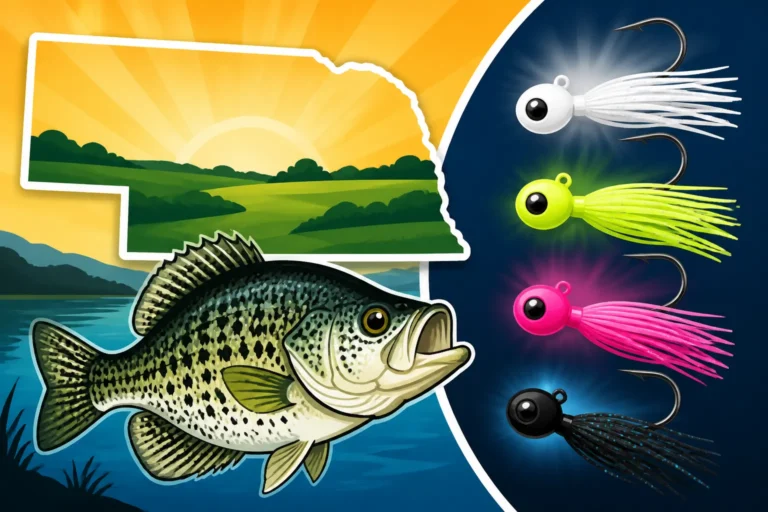
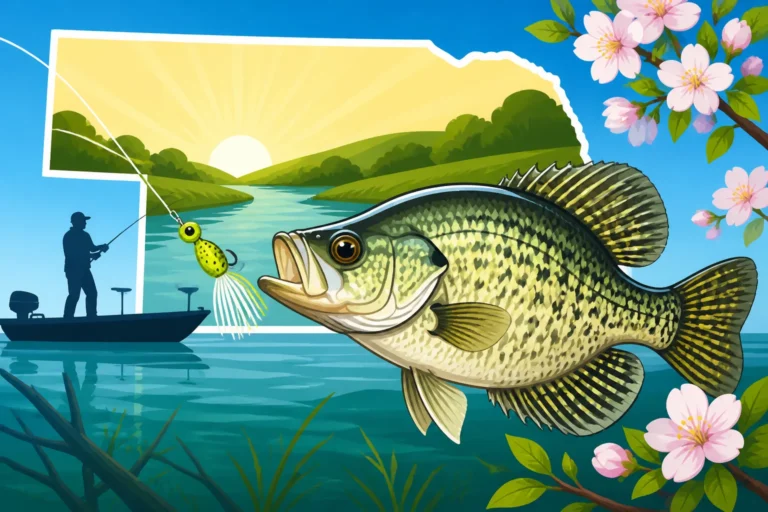
- Crappie: These schooling fish love structure. From shore, target brush piles, fallen trees, docks, and bridge pilings. The classic setup is a small jig (1/16 oz or 1/8 oz) tipped with a small minnow or a soft plastic grub, suspended under a slip bobber. Adjust the bobber stop to fish at various depths until you find where the crappie are holding. In spring, crappie move into shallow coves to spawn, making them very accessible from shore. This is when techniques from guides like "How to Catch Crappie in Spring" really shine. A slow retrieve with a vertical jigging motion can be incredibly effective.
- Bluegill & Sunfish: These smaller, feisty fish are often found in shallower water, especially around vegetation, docks, and over gravel bottoms. A tiny hook (size 10-12) baited with a piece of nightcrawler, a wax worm, or a small piece of corn, fished under a small bobber, is usually all it takes. They're often eager to bite, making them perfect for keeping kids engaged. Look for pockets in weed beds or shady spots near cover.
- Yellow Perch: Perch tend to prefer slightly cooler water and can be found in deeper areas or around weed lines. They respond well to small minnows, pieces of nightcrawler, or tiny jigs tipped with a grub. They often school, so if you catch one, there are likely more nearby.
Panfish are typically caught using lighter gear, which makes the fight more exciting. A simple ultralight or light action spinning combo with 4-6 lb test line is ideal for these species.
Chasing Walleye and Bass from Shore
While often associated with boat fishing, both walleye and bass can be caught consistently from shore if you understand their habits.
- Walleye: The "marble eyes" are prized for their delicious fillets and can be elusive. From shore, target them around rocky points, riprap banks, dam spillways, and areas where shallow water transitions quickly to deep water. Low light conditions (dawn, dusk, or cloudy days) and night fishing are often the most productive times. Cast long, slow retrieves with crankbaits, jigging spoons, or a jig-and-minnow combination. Bottom bouncing a crawler harness can also be effective if you can cast it out far enough. For specific lure recommendations, check out a guide on "Best Bait for Nebraska Walleye." Look for areas with current, as walleye often face into it, waiting to ambush prey. Lake McConaughy is famous for its walleye, and while boat access dominates, determined shore anglers can find success, especially in calmer coves or near dam areas.
- Largemouth Bass: Bass are aggressive predators that love cover. From shore, focus your efforts around dense vegetation (lily pads, weed beds), fallen trees, docks, and brush piles. Texas-rigged or wacky-rigged soft plastic worms, spinnerbaits, and topwater lures (early morning or late evening) are excellent choices. Cast as close to cover as possible and retrieve slowly, allowing your lure to mimic an injured baitfish or frog. Target shady spots during sunny days.
- Smallmouth Bass: If you're near a rocky river or reservoir with clear water, you might encounter smallmouth bass. These powerful fighters prefer rocky structure, current, and clean bottoms. Small crankbaits, tube jigs, and spinnerbaits cast parallel to rocky banks or into current breaks can be very effective.
For bass and walleye, a medium-action rod with 8-12 lb test line (or braided line with a fluorocarbon leader) is a good all-around setup. Patience and repetitive casting to high-potential areas are key.
Hooking into Catfish from the Bank
Catfish are arguably the most accessible large game fish for shore anglers in Nebraska. They are abundant, grow to impressive sizes, and are often very willing biters, especially during warmer months.
- Channel Catfish: These are the most common catfish in Nebraska and offer excellent fishing from shore. They thrive in lakes, reservoirs, and rivers. Look for them in deeper holes, along channel edges, near fallen trees, brush piles, and any current breaks. They are primarily scavengers with an incredible sense of smell, so smelly baits are king. Chicken livers, cut bait (like shad or perch), nightcrawlers, and prepared stink baits are all highly effective. Use a simple slip-sinker rig: an egg sinker above a swivel, tied to a 2-foot leader with a stout circle hook (2/0 to 5/0). Cast your bait out and let it sit on the bottom. Night fishing for channel cats can be particularly productive. Check out specific tactics in "How to Catch Channel Catfish From the Bank" for in-depth advice.
- Flathead Catfish: These are truly trophy fish and a different beast from channel cats. Flatheads are predatory, preferring live bait over smelly dead baits. From shore, target them in large rivers (like the Platte or Missouri), deep holes, log jams, and undercutting banks. You'll need heavier gear (medium-heavy to heavy rod, 20-50 lb test line) and large live baits like sunfish, suckers, or large minnows. This is not for the faint of heart, but the reward of landing a monster flathead from the bank is unparalleled.
- Blue Catfish: While less common than channel cats, blue cats are found in the Missouri River and offer similar fishing opportunities to channel cats, often growing even larger. Use similar heavy tackle and cut bait or live bait.
Catfish are powerful fighters, so make sure your knots are solid and your drag is set correctly. A good pair of heavy-duty pliers or fish grippers will help with handling these whiskered beasts.
Seasonal Strategies for Shore Success
Nebraska's seasons dictate fish behavior significantly. Understanding these patterns will help you adapt your shore fishing strategies for year-round success. Don't forget to consult the "Nebraska Fishing Season Dates and Limits" for specific regulations related to each species throughout the year.
Spring Spawning Frenzies
Spring is arguably the best time for shore fishing in Nebraska, as many species move into shallow, accessible areas for spawning.
- Pre-Spawn (March-April): As ice thaws and water temperatures begin to rise (40-50°F), fish become very active, feeding heavily to build energy for spawning. Walleye will stage near rocky points and riprap, often near river mouths or dam outflows. Bass move to transition areas, looking for warmer water. Crappie begin to school. This is a prime time for targeting them with jigs and minnows or slow-rolling crankbaits.
- Spawn (April-May): When water temperatures hit the mid-50s to low 60s°F, many species move into very shallow water. Crappie, bluegill, and bass will be right up against the bank in protected coves, around submerged brush, and over gravel beds. This is when sight fishing for beds can be productive (though some anglers choose to leave spawning fish undisturbed). Use small jigs, worms, or soft plastics. Catfish also become more active, feeding heavily as water warms.
- Post-Spawn (Late May-June): After spawning, fish can be a bit sluggish for a short period but then resume feeding aggressively. They'll often move slightly deeper but remain within easy casting range of shore. This is when the fishing can be consistently excellent across most species. Topwater lures for bass, crankbaits for walleye, and cut bait for catfish are all great choices.
Summer Heat Tactics
Summer (July-August) can be challenging for shore anglers due to high water temperatures and increased recreational traffic, but success is still very achievable with the right approach.
- Low Light Periods: The absolute best time to fish in summer is during dawn, dusk, and throughout the night. Fish move into shallower feeding areas when the sun isn't beating down and water temperatures are cooler. Night fishing for catfish is legendary, and walleye and bass will also actively feed after dark.
- Deep Water Access: Look for shorelines that offer quick access to deeper, cooler water. Steep drops, dam areas, and deep channels close to the bank are key. Fish will retreat to these areas during the heat of the day.
- Heavy Cover: Overhanging trees, dense weed beds, and submerged timber provide crucial shade and cooler water. Bass will bury themselves in this cover during midday. Using weedless rigs is essential here.
- Current: Rivers and areas with consistent current (like below dams or river confluences) offer more oxygen and cooler water, making them prime summer spots for catfish, walleye, and smallmouth bass.
Fall Feasting and Transition
Fall (September-November) is another fantastic time for shore fishing, as fish begin to feed aggressively in preparation for winter.
- Cooling Water: As water temperatures drop, fish become more active throughout the day. They move out of deep summer haunts and into shallower to mid-depth areas, often along the same points and structures they used in spring.
- The "Fall Turnover": In larger, deeper lakes, you might experience a "fall turnover" where the water column mixes. This can temporarily make fishing tough, but it usually lasts only a week or two. Once it settles, fishing can be exceptional.
- Aggressive Feeding: This is a prime time for throwing larger crankbaits, spinnerbaits, and even swimbaits for bass and walleye as they gorge on baitfish. Catfish remain active as long as water temperatures are above 50°F, and can be caught on traditional baits.
- Trout Stocking: Many Nebraska lakes receive their fall trout stockings during this period, offering excellent opportunities for shore anglers to catch rainbow and brown trout. Small spinners, spoons, or powerbait are highly effective for these newly stocked fish.
Winter Opportunities
While most people pack away their gear, determined shore anglers can still find success even in the colder months (December-February), especially before ice forms or during mild spells.
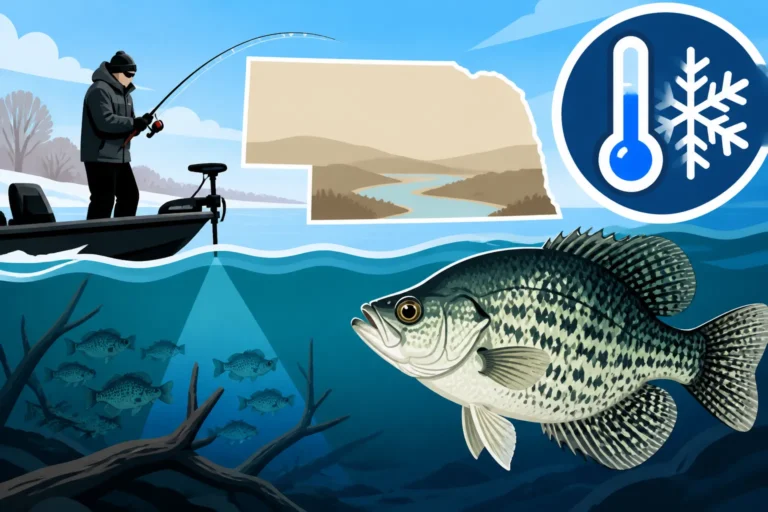
- Pre-Ice Fishing: Before the lakes completely freeze over, fish congregate in deeper holes and along distinct channel edges. Slower presentations are key. Vertical jigging with spoons or blade baits can entice walleye and perch. Catfish may still be caught in deeper river holes.
- Open Water in Rivers/Tailwaters: Rivers and tailwaters below dams often remain ice-free all winter. These areas concentrate fish, particularly walleye and sauger. Using jigs tipped with minnows or slow-rolling crankbaits can be very productive. Just be extra cautious of slippery banks and cold-water safety.
- Ice Fishing Transition: If you're willing to brave the cold, early ice fishing offers incredible opportunities as fish are still relatively active. This is a different discipline than open-water shore fishing, but many of the same principles of locating structure and using appropriate baits apply.
- Urban Pond Trout: Many urban ponds are stocked with trout throughout the winter, providing accessible shore fishing for rainbow trout, even when larger lakes are frozen.
Remember, dressing warmly in layers, including waterproof outer layers, is critical for winter fishing. Your local bait shop or the NGPC website will have current information on ice conditions and stocking reports.
Respecting the Environment and Regulations
Being a good angler means more than just catching fish; it means respecting the resource and the rules that protect it.
Understanding Nebraska Fishing Regulations
Ignorance of the law is no excuse, especially when it comes to fishing regulations. Nebraska has specific rules for a reason – to maintain healthy fish populations and ensure fair access for all.
- Permits and Stamps: Before you cast a line, ensure you have a valid Nebraska Fishing License Guide. Depending on your age and residency, you'll need the appropriate permit. You might also need specific stamps, like the Nebraska Aquatic Habitat Stamp Explained or a trout stamp if targeting trout in designated waters. All these are mandatory.
- Daily Bag and Possession Limits: Every species has a limit on how many you can keep per day and how many you can have in your possession. These limits vary by species and sometimes by specific waterbody. For example, understanding the "Nebraska Walleye Daily Bag Limit" is crucial if you're hoping to take some home for dinner.
- Length Limits: Many game fish have minimum or slot length limits to protect juvenile fish or trophy-sized breeders. Always measure your fish carefully before deciding to keep or release.
- Restricted Methods: Certain fishing methods might be prohibited in certain areas or for specific species (e.g., snagging, trotlines in certain waters). Always check the current regulations booklet, which you can usually pick up at any license vendor or view online.
- Border Waters: If you’re fishing on border rivers like the Missouri, there might be reciprocal agreements with neighboring states, but it’s always best to check the specific rules as they can be complex.
Getting caught violating regulations can result in hefty fines and the loss of your fishing privileges. It's simply not worth the risk. Take a few minutes to review the rules for the water you plan to fish.
Practicing Leave No Trace Principles
Our fishing spots are precious, and it’s up to all of us to keep them clean and healthy. Adopt the "Leave No Trace" ethos:
- Pack It In, Pack It Out: This is the golden rule. Every piece of trash you bring with you, take it back out. That includes old fishing line, bait containers, snack wrappers, and drink bottles. Fishing line can be especially harmful to wildlife.
- Respect Wildlife: Observe animals from a distance. Don't disturb nests or feeding areas. Dispose of fish entrails responsibly (away from the immediate bank, or bag them for disposal).
- Minimize Campfire Impacts: If you're having a fire, keep it small, use existing fire rings, and make sure it's completely out before you leave.
- Respect Private Property: Always be aware of property lines. If a spot is on private land, ensure you have explicit permission from the landowner before fishing. Trespassing is illegal and gives all anglers a bad name.
- Stay on Trails: Where possible, stick to established paths to prevent erosion and disturbance to sensitive ecosystems.
A clean fishing spot is a pleasant fishing spot, and by doing your part, you ensure that these beautiful areas remain enjoyable for future generations of anglers.
Responsible Fish Handling and Release
Whether you plan to keep your catch or release it, handling fish properly is crucial for its survival and for preserving the fishery.
- Minimize Stress: Get the fish in quickly. Don’t play a fish to exhaustion, especially in warm water when oxygen levels are lower.
- Wet Hands: Always wet your hands before touching a fish. Dry hands can remove the fish's protective slime coat, leaving it vulnerable to disease.
- Support the Fish: If you're handling a larger fish, support its weight horizontally, especially around its belly. Avoid holding large fish vertically by the jaw, as this can damage its internal organs.
- Quick Hook Removal: Use pliers or a dehooking tool to remove hooks quickly. If a fish is deeply gut-hooked and you intend to release it, it’s often best to cut the line as close to the hook as possible rather than trying to rip the hook out. Circle hooks significantly reduce gut-hooking.
- Revive If Necessary: For exhausted fish, especially in warm water, hold them gently in the water, facing into a gentle current, until they swim away under their own power. Don’t just toss them back; watch them swim off strongly.
- Conservation Mindset: Consider practicing catch and release for larger, breeding-size fish of certain species, especially trophy bass or walleye, to ensure future populations. While the "Nebraska Fish Consumption Advisory" might guide decisions on keeping fish, remember that selective harvest is a key part of sustainable fishing.
By treating the fish you catch with respect, you contribute to a healthy, thriving fishery for everyone.
Common Shore Fishing Mistakes and How to Avoid Them
Even seasoned anglers make mistakes, but being aware of common pitfalls can help you avoid unnecessary frustration and increase your catch rate.
Not Adapting to Conditions
One of the biggest blunders shore anglers make is sticking to a single plan or technique, regardless of what the fish are telling them.
- Ignoring Weather Changes: A sudden cold front, strong winds, or heavy rain will drastically alter fish behavior. If the bite slows, don't keep doing the same thing. Try moving to a more sheltered area, changing your retrieve speed, or switching to a different type of bait or lure that might appeal to less aggressive fish.
- Fixed Depth Mindset: Fish rarely stay at the same depth all day. If you're not getting bites, experiment. Adjust your bobber stop, try a different weight, or fish closer to the bottom or higher in the water column. Crappie, for instance, are notorious for suspending at specific depths.
- Sticking to One Bait: Just because nightcrawlers worked yesterday doesn't mean they'll be the best option today. Keep an assortment of baits and lures on hand. If live bait isn't producing, try artificials, and vice-versa. Sometimes, a subtle change in color or size can make all the difference. This is why having options from a trusted source like Amazon can be so beneficial.
- Too Much Noise/Movement: Fish are sensitive to vibrations and shadows. If you're stomping along the bank or casting a long shadow over a shallow feeding area, you could be spooking the fish. Approach your spot quietly and move deliberately.
Adaptability is a hallmark of successful anglers. Be willing to change your approach if what you're doing isn't working.
Ignoring the Small Details
Sometimes, the difference between catching and not catching lies in the little things that are easy to overlook.
- Dull Hooks: A sharp hook is paramount. Even expensive hooks can become dull after hitting rocks or fish teeth. Carry a small hook sharpener and use it regularly. A sharp hook means more solid hooksets and fewer lost fish.
- Old or Damaged Line: Fishing line degrades over time from UV exposure, abrasion, and simply being stretched. Old line breaks easily and has poor knot strength. Check your line regularly for nicks and abrasions, especially the last few feet. Re-tie knots often, especially after catching a fish or getting snagged. It's usually a good idea to refresh your main line annually.
- Poor Knot Tying: A weak knot is the weakest link in your entire setup. Learn a few reliable knots (like the improved clinch knot, Palomar knot, and uni knot) and practice them until they're second nature. Always moisten your line before tightening a knot to prevent friction damage.
- Incorrect Drag Setting: Your reel's drag system is designed to allow line to peel off when a fish pulls hard, preventing your line from breaking. If your drag is too tight, your line will snap. If it's too loose, you won't be able to effectively fight the fish. Test your drag by pulling on the line yourself – it should peel off smoothly with some resistance.
Paying attention to these details can prevent countless frustrations and lost fish.
Forgetting Safety First
While shore fishing is generally safe, complacency can lead to avoidable incidents.
- Slippery Banks: Riverbanks, dam spillways, and even lake edges can be incredibly slick, especially after rain or when covered in algae. Wear appropriate footwear with good grip and watch your footing. A sudden slip can lead to injury or even falling into cold water.
- Cold Water Immersion: Even on a warm day, falling into cold water can lead to hypothermia rapidly. Be extra cautious around water edges in cooler weather. If fishing near fast-moving water, consider wearing a life jacket, even from shore.
- Overhead Hazards: Before casting, always look up! Power lines, tree branches, and other overhead obstructions are not only frustrating but can be dangerous, especially with carbon fiber rods that conduct electricity.
- Sun and Heat Exposure: As mentioned before, sun protection and hydration are crucial. Sunburn, heat exhaustion, and heatstroke can quickly ruin a day on the water.
- Fishing Alone: While many prefer the solitude, it's always a good idea to let someone know where you're going and when you expect to return, especially if you're exploring a remote area.
- Wildlife Encounters: Nebraska has various wildlife, some of which can be dangerous (snakes, ticks, etc.). Be aware of your surroundings, wear insect repellent, and know how to identify potentially harmful critters.
Your safety is paramount. A great day of fishing is one where everyone comes home safe and sound.
Disclaimer
The information provided in this guide is for general informational purposes only and is not intended as legal advice. Fishing regulations and conditions in Nebraska can change frequently. Always consult the latest Nebraska Game and Parks Commission regulations booklet and official website before heading out to fish. Adherence to all local, state, and federal laws is the responsibility of the angler. Fishing carries inherent risks; always prioritize safety and exercise caution while on or near the water.