How to Catch Channel Catfish From the Bank
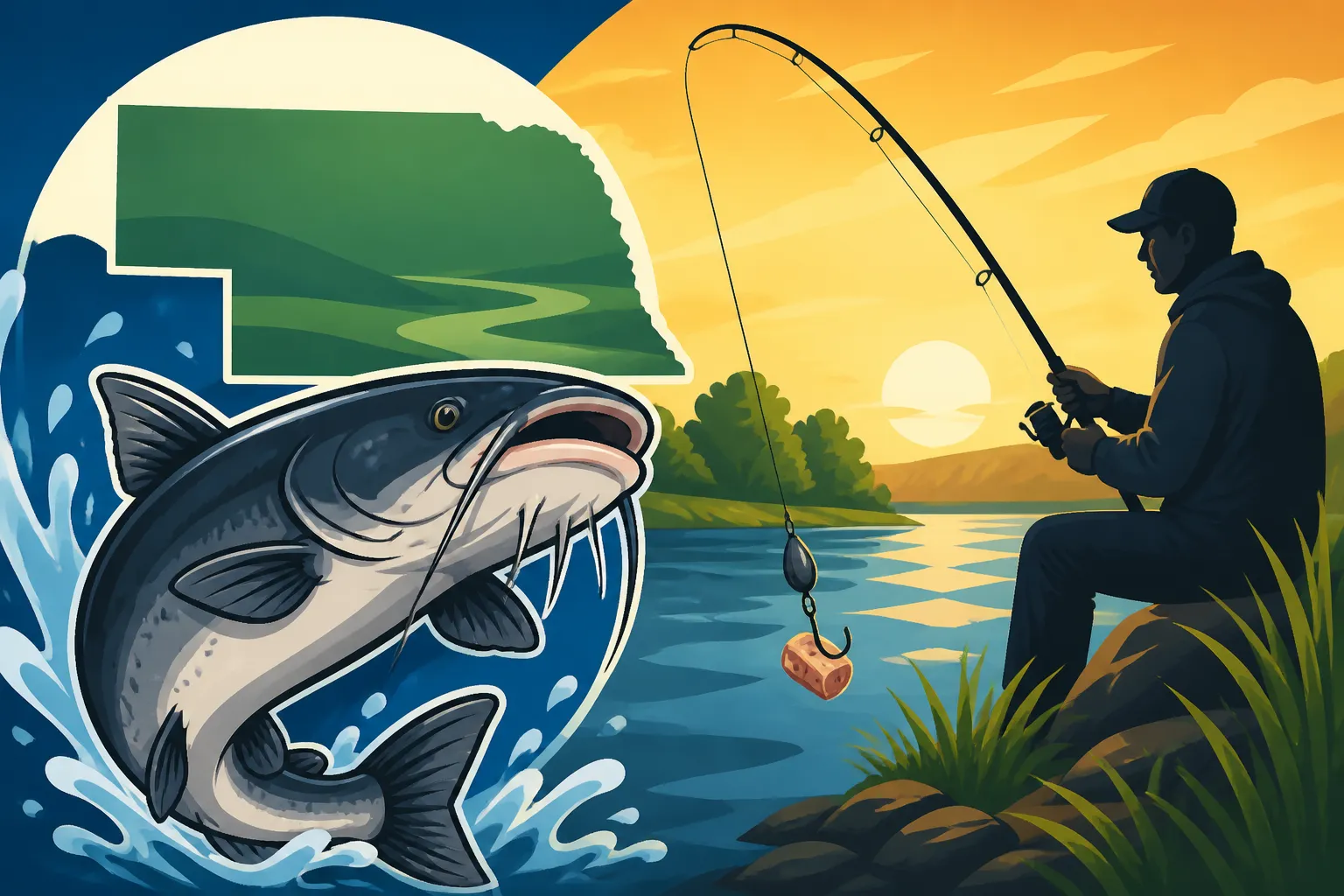
It's easy to feel like you need a fancy boat, expensive electronics, and years of experience to catch anything worthwhile in Nebraska's vast waters. But let me tell you, that simply isn't true, especially when it comes to the humble, yet incredibly exciting, channel catfish. This guide is all about empowering you to hit the banks, cast a line, and consistently reel in some fantastic channel cats without ever needing to step foot in a boat.
Why Channel Catfish Are Perfect for Bank Anglers
There's a reason channel catfish hold such a special place in the hearts of so many Nebraska anglers, and it's not just their delicious taste. For those of us who prefer to keep our feet on solid ground, these fish are an absolute dream. They're accessible, they fight hard, and they're just plain fun to catch.
Their Abundant Presence Across Nebraska Waters
One of the most comforting things about targeting channel catfish from the bank is knowing that they are literally everywhere. You don't need to scout out some secret, remote honey hole that only a few lucky boaters can access. From the sprawling reservoirs like Branched Oak Lake and Lewis and Clark Lake to the winding rivers and even the smaller, often overlooked urban ponds managed by the Nebraska Game and Parks Commission, channel cats are a dominant species. This means that no matter where you live in Nebraska, chances are good that there's a productive catfish spot within a short drive, or even walking distance.
Their ubiquity is a huge plus for bank anglers. You're not limited to a few specific locations; instead, a quick search for local public access points can often reveal fantastic opportunities. They thrive in a wide range of habitats, from slow-moving muddy rivers to clearer lake environments, making them incredibly adaptable and a reliable target for a day out.
This widespread presence removes a lot of the guesswork and intimidation that can sometimes come with trying to find fish. You can walk up to almost any suitable bank in the state with confidence, knowing that channel catfish are likely lurking in the vicinity, ready for a meal.
Aggressive Bites and Strong Fights from Shore
If you've never felt the tug of a channel catfish on the end of your line, you're in for a real treat. These aren't timid biters; they'll often hit your bait with conviction, giving you a clear signal that it's time to set the hook. This aggressive nature is fantastic for bank fishing because you're less likely to miss those subtle takes that often require specialized equipment or a keen boat-angler's eye.
Once hooked, channel catfish are renowned for their powerful, stubborn fights. They'll pull hard, make strong runs, and try to bury themselves in structure, testing your tackle and your angling skills. The thrill of battling a strong catfish from the bank is truly exhilarating, providing an intense experience that many anglers crave. You'll feel every head shake and every surge directly through your rod, a raw connection to the fish that's incredibly satisfying.
It’s a different kind of challenge compared to fighting a fish from a boat where you can often reposition. From the bank, you’re limited to your casting range and the terrain directly in front of you, forcing you to use technique and leverage to bring that feisty fish to shore. This adds an extra layer of accomplishment when you finally land a good one.
Excellent Table Fare for the Bank Fisherman
Let's be honest, for many of us, part of the joy of fishing is the prospect of a delicious meal at the end of the day. Channel catfish absolutely deliver on this front. Their firm, flaky, and mild-flavored white meat is incredibly versatile and makes for some of the best eating among freshwater fish. Whether you prefer them fried, baked, grilled, or smoked, a freshly caught channel cat is a culinary delight.
Harvesting a few channel cats from the bank provides a wonderful opportunity to enjoy the fruits of your labor without the added complexities of cleaning a boat or dealing with large quantities. A small cooler with ice, a sharp fillet knife, and a cutting board are often all you need to go from the water to the dinner table. This practicality makes them an ideal target for anglers who want to bring home a meal.
There's a unique satisfaction that comes from preparing and sharing a meal made with fish you caught yourself, especially when you consider the easy access and simple methods used to catch them from shore. Plus, most of Nebraska's channel catfish populations are robust, allowing for responsible harvest within daily bag limits, ensuring this resource remains healthy for years to come.
Essential Gear for Bank Catfishing in Nebraska
You don't need a massive investment to get started with bank fishing for channel catfish. The beauty of it is that a few key pieces of versatile gear will set you up for success. Thinking strategically about your rod, reel, line, and terminal tackle will significantly boost your chances of landing those big cats from shore.
Rods, Reels, and Line for Bank Success
When you're fishing from the bank, your rod length and action become even more critical than when you're in a boat. A longer rod, typically in the 7 to 9-foot range, with a medium-heavy or heavy action, is usually ideal. This extra length helps you cast your bait further out into deeper water or across to promising structure that might be otherwise unreachable. It also provides more leverage when you're fighting a strong fish, helping you steer it away from snags and navigate obstacles close to shore.
For reels, a sturdy spinning reel in the 4000 to 6000 size range is an excellent choice for most bank anglers, especially beginners. They're easy to cast, forgiving with backlashes, and have enough drag power for feisty catfish. Baitcasting reels can offer more power and precision for experienced anglers, but spinning reels are generally simpler to manage. As for line, consider a robust monofilament between 15-25 lb test, which offers good abrasion resistance against rough bottom and snags. Alternatively, braided line of similar strength (20-40 lb test) offers superior sensitivity and casting distance, which can be a huge advantage when you're trying to feel those subtle bites from far away. To learn more about selecting the right gear, check out our guide on Best Catfish Gear for Nebraska Rivers.
If you're using braided line, it’s often a good idea to tie on a monofilament or fluorocarbon leader of 1 to 3 feet. This leader provides an invisible section near your bait and adds a bit of stretch, which can prevent hooks from tearing out of a catfish's mouth during powerful head shakes. This setup provides the best of both worlds: the sensitivity and strength of braid with the subtle presentation of mono or fluoro. You can find quality rods, reels, and lines for these applications easily on platforms like Amazon, making it convenient to get geared up for your next outing.
Rigging Up for Channel Cats from Shore
The right rig can make all the difference when you're bank fishing for channel catfish, ensuring your bait stays put and is presented effectively. One of the most popular and effective setups is the classic Carolina Rig, or a variation of it. This rig involves threading an egg sinker (1/2 to 2 oz, depending on current and casting distance needed) onto your main line, followed by a bead (to protect your knot), and then tying on a barrel swivel. To the other end of the swivel, you attach a leader of about 12 to 24 inches, finishing with your hook. This allows your bait to move freely and naturally with the current, while the weight keeps it anchored on the bottom, right where catfish are often feeding.
A variation that some anglers swear by is the Santee Cooper Rig. It's essentially a Carolina Rig, but with a small float added to the leader just above the hook. This float lifts your bait slightly off the bottom, making it more visible to cruising catfish and keeping it out of snags like moss or silt. This can be particularly effective in softer bottom areas or where there’s a bit of underwater vegetation.
Other simple yet effective options include a basic slip sinker rig, where a weight slides directly on your main line above a swivel and leader, or even a simple three-way swivel rig for situations where you want your bait suspended off the bottom. When it comes to hooks, a strong, sharp circle hook in sizes from 2/0 to 6/0 is highly recommended. These hooks are designed to catch in the corner of the fish's mouth, minimizing harm and making unhooking easier. For more detailed insights into effective setups, explore our guide on Best Bank Fishing Rigs for Nebraska Reservoirs and Best Hook Size for Channel Catfish.
The Best Baits to Lure Them In
Channel catfish are renowned for their keen sense of smell, and they aren't particularly picky eaters, which is fantastic news for bank anglers. This allows for a wide array of bait choices, but some stand out as consistent producers. Cut bait is arguably king when it comes to tempting channel cats. Freshly cut pieces of oily fish like shad, bluegill, or even small chunks of carp can be incredibly effective. The scent trail they release in the water acts as a beacon, drawing in catfish from a distance. To get the most out of your cut bait, make sure to read up on How to Rig Cut Bait for Channel Catfish.
Beyond natural cut bait, a whole world of commercial stink baits, punch baits, and dough baits awaits. Brands like Sonny's Super Sticky Baits or CJ's Catfish Punch Bait are designed specifically to appeal to a catfish's olfactory senses, creating a powerful odor that's hard for them to resist. While these can be a bit messy to handle, their effectiveness, especially in stained or muddy waters, often makes it worth the effort. You can find a huge variety of these specialized baits, along with other fishing essentials, on Amazon.
Don't overlook the classics either. Nightcrawlers, shrimp, chicken livers, and even hot dogs can be highly productive on their own or in combination with other baits. Chicken livers, in particular, are a time-honored favorite, though they can be soft and challenging to keep on the hook. Experimentation is key; what works best can sometimes vary from one body of water to another, or even day to day. For a deeper dive into bait selection, be sure to consult our Best Live Bait for Nebraska Catfish guide.
| Bait Type | Pros | Cons | Best Use |
|---|---|---|---|
| Cut Bait | Strong natural scent, highly effective | Can be messy, needs refrigeration/freshness | All conditions, targeting larger cats |
| Stink/Punch Bait | Powerful scent, designed for catfish | Very messy, specific bait holders often needed | Stained/muddy water, hot weather |
| Chicken Livers | Strong scent, affordable, widely available | Very soft, hard to keep on hook, messy | Calm waters, good for consistent bites |
| Nightcrawlers | Versatile, easy to use, attracts many species | Less targeted for large catfish, smaller bites | All conditions, great for beginners/multi-species |
| Shrimp | Readily available, decent scent, easy to rig | Can be expensive, smaller pieces fall off easily | Clearer water, moderate current |
Bank Fishing Comfort and Convenience Items
While the focus is on catching fish, making your bank fishing experience enjoyable and comfortable is just as important. One of the most critical items for any serious bank catfisherman is a good set of rod holders. Whether they're simple spike-style holders you push into the ground or more elaborate tripod setups, these allow you to fish with multiple rods, covering more water and increasing your chances. More importantly, they take the strain off your arms and ensure your rod doesn't get dragged into the water by an aggressive catfish strike. For some great options, check out our recommendations for Best Rod Holders for Bank Fishing.
Next up, a sturdy bucket or a small cooler is indispensable. This serves multiple purposes: it can hold your bait, keep your drinks and snacks cool, and most importantly, keep any fish you decide to harvest fresh on ice. Keeping your catch on ice immediately after landing them is crucial for maintaining their quality as table fare. A 5-gallon bucket can also double as a makeshift seat if you forget your chair!
Finally, don't underestimate the power of comfort items like a foldable chair, a headlamp or lantern for those productive night fishing sessions (remember to check Nebraska Night Fishing Rules), and a good quality bug spray. A comfortable chair can make a long wait much more pleasant, and adequate lighting ensures safety and ease of re-baiting after dark. These small additions, many of which can be found readily available on Amazon, elevate the experience from a chore to a truly relaxing and productive outing.
Where to Find Channel Catfish from the Bank in Nebraska
Finding the right spot is half the battle when bank fishing for channel catfish. Luckily, their widespread nature means you have a lot of options across Nebraska. Knowing what to look for in different environments, from flowing rivers to vast reservoirs, will greatly improve your success.
Rivers and Streams: Current Seams and Structure
Nebraska's rivers and larger streams, like the Platte River and the Missouri River, are absolutely prime territory for channel catfish. When you're fishing these flowing waters from the bank, you need to think like a catfish: where can they ambush prey, get a break from the current, or find a deeper hole? Focus your efforts on current seams, which are the visible lines where fast-moving water meets slower water. Catfish will often sit just on the edge of the fast water, waiting for food to drift by.
Look for natural structure that creates these current breaks, such as downed trees, log jams, rock piles, or bridge pilings. These areas not only offer cover and ambush points but also often scour out deeper holes where catfish prefer to hold. Eddies, those swirling pockets of calmer water behind obstructions, are also excellent spots, as food tends to collect there. Our guide on Missouri River Fishing in Nebraska provides more specific information about targeting fish in these riverine environments.
Identifying these spots from shore often involves a bit of reading the water. Watch for changes in current speed, ripples indicating submerged structure, or areas where debris accumulates. Don't be afraid to walk the bank a bit, observing the river's flow and looking for natural signs of deeper water or fish habitat. Safety is always paramount when fishing river banks; be mindful of slippery banks, swift currents, and unstable ground.
Reservoirs and Lakes: Points, Inlets, and Deeper Water Access
Nebraska's numerous reservoirs and lakes, from Lake McConaughy to smaller impoundments, offer fantastic bank catfishing opportunities. Here, the strategy shifts from reading current to finding depth and structure. Key areas to target from the bank include points that extend out into the water, creek channels that feed into the lake (especially after a rain), and the rip-rap covered faces of dams or causeways. These locations often drop off into deeper water quickly or provide excellent cover, attracting catfish.
Focus on areas where you can cast into deeper water or near visible structure. For example, the rip-rap around the dam at Branched Oak Lake can be a hotspot for catfish, offering both food and shelter. Similarly, the inlets and deeper coves on Lewis and Clark Lake can hold significant numbers of channel cats, especially during warmer months. Understanding the specific characteristics of individual lakes, like those discussed in our Branched Oak Lake Catfish Fishing guide, can give you a significant advantage.
Many Nebraska state recreation areas and urban ponds are designed with bank anglers in mind, featuring accessible fishing piers and cleared shoreline access. These often provide easy access to deeper water or fish-attracting habitat that is regularly stocked. Don't discount these readily available spots; they can be incredibly productive and offer a relaxing experience. For those wondering where the biggest cats lurk, check out Best Lakes in Nebraska for Trophy Channel Catfish.
Using Local Resources and Reconnaissance
One of the best ways to pinpoint productive bank fishing spots for channel catfish is to tap into local knowledge and perform a little reconnaissance. Your local bait and tackle shops are invaluable resources; the folks working there often have their fingers on the pulse of what's biting where and what baits are working best. Don't hesitate to strike up a conversation! Online fishing forums specific to Nebraska or Facebook groups can also provide real-time reports and tips from fellow anglers.
The Nebraska Game and Parks Commission website is another treasure trove of information, providing lake maps, stocking reports, and access points for various bodies of water. These resources can help you identify areas with good public access and habitat that favors channel catfish. Take advantage of their detailed information, as it's specifically tailored to Nebraska's unique fisheries.
Finally, nothing beats good old-fashioned scouting. Visit potential fishing spots during different times of the day or even seasons, noting water levels, visible structure, and access points. A pair of polarized sunglasses can help you peer into the water to spot drop-offs or submerged cover. Sometimes, just observing where other anglers are successfully fishing can provide a great starting point.
Effective Bank Fishing Techniques for Channel Catfish
You've got your gear and you've found a promising spot, now it's time to talk tactics. While channel catfish are often eager eaters, employing effective techniques for casting, detecting bites, and fighting them from the bank will dramatically increase your catch rate.
Casting and Presenting Your Bait
When you're confined to the bank, casting accuracy and distance become paramount. You can't just motor over to that brush pile or deep channel, you have to hit it with your cast. Practice your casting technique to consistently reach those fish-holding areas. A good overhead cast with a long rod will get your bait further out. Pay attention to wind direction; casting with the wind can give you extra distance, while casting into it can make things challenging.
Once your bait is out there, it's all about presentation. If you're using a slip sinker or Carolina rig in a river, allow the current to subtly drift your bait downstream, covering more water naturally. In lakes or slower-moving water, cast to key spots like the edge of a drop-off, a submerged creek bed, or near any visible structure. Let your bait settle to the bottom, where catfish often feed.
Consider deploying multiple rods if regulations allow. Rig them with different baits or cast them to varying distances and depths to figure out what the fish prefer on that particular day. For instance, you might have one rod with cut bait cast to the main channel, and another with chicken liver cast closer to shore near a brush pile. This multi-pronged approach helps you quickly pattern the fish.
Reading Bites and Setting the Hook
Catfish bites can range from a gentle tap to a rod-bending yank that nearly pulls your rod out of its holder. Learning to distinguish a bite from other disturbances, like current or debris, comes with experience. Many bank anglers attach small bells to their rod tips, which provide an audible alert when a fish is mouthing the bait. Illuminated tip lights are also popular for night fishing. When you see your rod tip twitching or bowing, don't just react immediately.
With traditional J-hooks, it's often best to wait a few seconds after the initial bite, allowing the catfish to fully take the bait into its mouth. Then, reel up any slack line until you feel the fish, and set the hook with a firm, sweeping motion. However, if you're using circle hooks, the technique is different and much simpler. With a circle hook, you generally do not set the hook forcefully. Instead, when you feel the bite, simply begin reeling steadily. The design of the circle hook will cause it to rotate and embed itself in the corner of the fish's mouth as tension is applied, leading to more consistent and safer hookups.
Fighting a strong catfish from the bank requires a bit of finesse and strength. Keep your rod tip up to maintain tension, and use your reel's drag system to tire the fish out. If the fish runs towards a snag, try to subtly steer it away by turning your rod to apply pressure from a different angle. Remember, you can't chase it with a boat, so controlling the fight from a fixed position is key. This is where a medium-heavy rod with good backbone truly shines.
Night Fishing for Channel Cats
While channel catfish can be caught throughout the day, night fishing for them from the bank is often incredibly productive and many anglers consider it prime time. Channel cats are largely nocturnal feeders, using their highly developed senses of smell and touch (via their barbels) to hunt for food in the dark. As the sun sets and temperatures cool, they often move into shallower areas to forage, making them more accessible to bank anglers. Our article on Nebraska Night Fishing Rules offers essential guidance for those planning a nighttime outing.
To make night fishing safe and effective, you'll need some essential gear. A good headlamp is non-negotiable, allowing you to see to tie knots, bait hooks, and navigate the bank. Hands-free illumination is crucial. Consider using glow sticks or reflective tape on your rod tips to help you see bites in the dark. Many anglers also use lanterns to illuminate their immediate fishing area, creating a comfortable and visible base camp.
Planning is key for successful night fishing. Scout your chosen spot during the day to familiarize yourself with the terrain, potential hazards, and where you want to cast. Inform someone of your plans and expected return time. Bring extra batteries, plenty of bug spray, and dress in layers as temperatures can drop significantly overnight. The quiet solitude of night fishing, combined with the often-frequent action, makes it a truly unique and rewarding bank angling experience.
Seasonal Considerations for Bank Catfishing
Just like any other species, channel catfish behavior changes with the seasons. Understanding these shifts will help you adjust your bank fishing strategies to stay productive year-round in Nebraska.
Spring: Pre-Spawn and Spawning Frenzy
As Nebraska waters begin to warm up in early spring, channel catfish become increasingly active, moving out of their deep wintering holes. This is a fantastic time for bank anglers, as catfish will often push into shallower areas, especially those near creek mouths or sun-warmed coves, looking for food and preparing for the spawn. The pre-spawn period is characterized by aggressive feeding as they bulk up, making them very susceptible to a well-placed bait.
Once the water temperatures reach the high 60s to low 70s Fahrenheit, the spawning period begins, typically from late May through July in Nebraska. During this time, male catfish establish nests in secluded, dark areas like undercut banks, log jams, and rock crevices. While they might be focused on protecting their nests, they will still strike at baits, particularly larger offerings that they perceive as a threat to their territory.
Targeting areas with plenty of natural cover and access to slightly deeper water will increase your chances during the spring spawn. Don't be afraid to cast closer to shore or into tight pockets of structure where you suspect nests might be. Look for visual signs of activity, like mud trails or subtle disturbances in the water near cover, which can indicate the presence of bedding fish.
Summer: Prime Time for Big Cats
Summer is often considered prime time for channel catfish across Nebraska, and bank anglers are perfectly positioned to take advantage of it. With consistent warm water temperatures, catfish are highly active and feeding regularly. During the heat of the day, they will often retreat to deeper, cooler water, such as main lake channels, river bends, or deep holes in reservoirs. However, as evening approaches and into the night, they move back into shallower flats, humps, and along shorelines to forage.
This nocturnal movement makes summer nights exceptionally good for bank fishing. You can target them from dusk till dawn, often seeing a significant increase in bites once the sun goes down. Use robust baits like cut bait or strong stink baits to attract them in the warmer waters. Consider setting up camp for the night, as discussed in our Nebraska Summer Catfish Techniques guide, to truly maximize your opportunities.
Dealing with summer heat and bugs is part of the experience, so come prepared with plenty of water, sunscreen, and effective insect repellent. Focus your daytime efforts on areas with easy bank access to deeper water, such as dam faces, long points, or river channels. As evening approaches, move to more accessible shallow-water feeding grounds near cover.
Fall: Fattening Up Before Winter
As autumn brings cooler temperatures to Nebraska, channel catfish enter a transitional phase, often referred to as the "fall feed." Similar to the pre-spawn in spring, catfish become incredibly active and aggressive, trying to pack on as much weight as possible before winter's cold slows their metabolism. This makes fall a fantastic time for bank anglers to target large, healthy catfish.
You'll find catfish continuing to feed heavily throughout the fall, but as water temperatures drop, they'll gradually start to move into deeper water and more predictable wintering areas. Early fall might see them still on shallow flats, while late fall will have them congregating in river channels, deep reservoir basins, or large holes. Adjust your casting distance and focus on deeper sections of your chosen bank.
Fresh, natural baits tend to shine in the fall, as catfish are primarily interested in caloric intake. Fresh cut bait, large nightcrawlers, or chicken livers presented on the bottom are highly effective. Don't be surprised if you catch some of the biggest channel catfish of the year during this period, as they are actively seeking out substantial meals to sustain them through the upcoming cold months.
Winter: Challenging but Possible
While winter fishing in Nebraska often brings thoughts of ice fishing, bank fishing for channel catfish can still be a viable, albeit more challenging, option in open water. As water temperatures plummet, catfish become much more lethargic. Their metabolism slows down, and they'll typically congregate in the deepest, most stable water they can find, such as deep river bends, reservoir channels, or power plant discharges where water is slightly warmer.
The key to winter bank catfishing is patience and a subtle presentation. Fish slowly, using smaller pieces of bait or cut bait, and be prepared for very light bites. Catfish might just "mouth" the bait rather than aggressively striking it. Look for bank access points that allow you to cast directly into these deep wintering holes.
While the action might be slower, the rewards can be significant, as winter often produces some of the largest, healthiest catfish for dedicated anglers. Just remember to bundle up, bring warm drinks, and prioritize safety in the cold weather conditions. Don't forget your Nebraska Fishing License Guide is still essential, even in the depths of winter!
Safety, Regulations, and Ethical Bank Catfishing
Before you head out to chase those whiskered warriors from the bank, it's crucial to understand the rules of the game and practice responsible angling. This not only keeps you safe but also helps preserve Nebraska's fantastic fishing resources for everyone.
Understanding Nebraska Fishing Regulations
The first and most important step for any angler in Nebraska is to possess a valid fishing license. This isn't just a formality; it's a critical contribution to conservation efforts that help maintain healthy fish populations and habitats across the state. Whether you're a seasoned angler or just starting out, ensure you have the appropriate permit. You can find all the information you need, including where to purchase one, in our comprehensive Nebraska Fishing License Guide.
Beyond the license, it's essential to familiarize yourself with the specific daily bag and possession limits for channel catfish, as well as any length limits that might apply to certain bodies of water. These regulations are designed to prevent overharvesting and ensure sustainable fishing for generations to come. The Nebraska Game and Parks Commission publishes a detailed fishing guide annually, which outlines all the rules. It's available online and at license vendors. Staying informed about these regulations, which can change year to year, is your responsibility as an angler. For a quick reference, check out our guide on Nebraska Fishing Daily Bag and Possession Limits.
Violating fishing regulations, even unintentionally, can lead to fines and other penalties. Ignorance of the law is generally not considered an excuse, so taking a few minutes to read the current regulations before each season or before visiting a new body of water is a wise investment of your time. This ensures you're fishing legally and contributing to responsible resource management.
Bank Fishing Safety Tips
Fishing from the bank might seem inherently safer than being in a boat, but it still comes with its own set of precautions you should always keep in mind. First and foremost, always be aware of your surroundings. Riverbanks can be slippery, uneven, and prone to erosion, especially after rain. Watch your footing, and avoid steep, unstable ledges. Lakeshores might have submerged debris or drop-offs that aren't immediately visible.
Hydration and sun protection are crucial, especially during those long summer days or intense night fishing sessions. Bring plenty of water, wear a hat, sunglasses, and apply sunscreen regularly. If you're fishing in a remote area or planning a night trip, always inform someone of your plans, including your location and expected return time. Carrying a basic first-aid kit in your tackle bag is also a smart move, just in case of minor cuts or scrapes.
Consider your fellow anglers and other outdoor enthusiasts. If you're fishing near public trails or parks, be mindful of casting lines where others might walk. If you're fishing private land with permission, be extra respectful of the property owner's boundaries and rules. Always prioritize your safety and well-being, as well as the safety of those around you.
Practicing Catch and Release or Responsible Harvest
As anglers, we have a responsibility to be stewards of the environment and the fish we pursue. If you plan to release a channel catfish, handle it with care to maximize its chances of survival. Minimize the time the fish is out of the water, support its body weight horizontally, and use a net to safely land it if possible. Barbless hooks can also make unhooking easier and less stressful for the fish. Release it gently back into the water, allowing it to swim away under its own power.
If you decide to harvest fish for the table, do so responsibly and within the legal limits. Bring a cooler filled with ice to immediately put your catch on. This keeps the meat fresh and significantly improves its taste. Avoid stringing fish in warm water for extended periods, as this can degrade the meat quality and even stress the fish to the point of mortality.
Finally, always practice "leave no trace" ethics. Pack out everything you pack in, including bait containers, fishing line scraps, and any other trash. A clean fishing spot is a welcoming fishing spot for everyone, and it shows respect for both the environment and future anglers. By following these simple guidelines, you ensure that Nebraska's bank catfishing opportunities remain excellent for years to come.
Disclaimer
Please remember that fishing regulations, conditions, and best practices can change. Always consult the latest Nebraska Game and Parks Commission regulations before heading out. The information provided in this guide is for general informational purposes only and should not be considered legal advice. Stay safe and enjoy your time on the water!