Best Time of Day to Catch Crappie
Ever spent hours on the water, meticulously casting your favorite jig, only to realize the crappie just aren't biting? It's a common frustration for anglers across Nebraska. You know they're there, but getting them to cooperate can feel like solving a complex puzzle. This guide is here to unravel that mystery, diving deep into the best times of day to target crappie, helping you turn those slow days into memorable catches.
Understanding Crappie Behavior Throughout the Day
Crappie, whether black or white, are fascinating fish with distinct daily patterns that are heavily influenced by light, temperature, and their feeding cycles. Ignoring these patterns can lead to a lot of wasted time, but understanding them can dramatically increase your success. It’s not just about being on the water; it’s about being on the water when they’re most active.
Dawn Patrol: The Early Bird Catches the Crappie
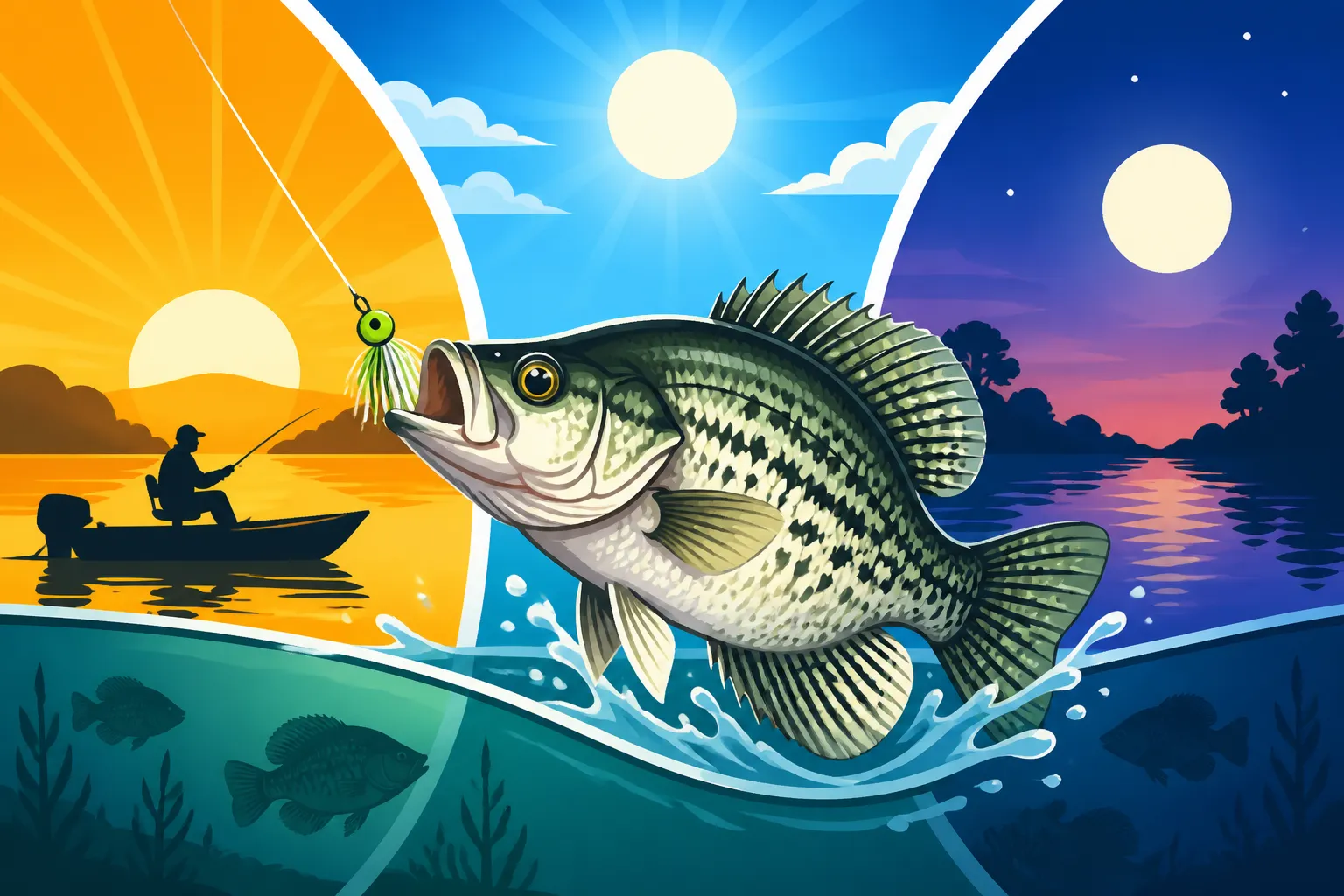
There’s a reason many dedicated anglers are up before the sun. The period just before and after sunrise often presents some of the most consistent crappie action. As the sky lightens, crappie, which are sight feeders, begin to move out of their deeper resting areas and closer to cover in shallower waters to ambush unsuspecting baitfish. The low light conditions give them an advantage, and the water temperatures are usually at their coolest and most stable point of the day, making them feel secure and ready to feed.
During this prime morning window, crappie are typically found congregated around submerged timber, brush piles, dock pilings, and weed lines that offer both cover and a buffet line. Using small jigs, like a 1/16 or 1/32 ounce, tipped with a small plastic grub or a live minnow, can be incredibly effective. Cast your offering near these structures and work it slowly, paying close attention to any subtle taps or pauses in your line. Many anglers find that these morning bites are aggressive, giving you a clear indication that it’s time to set the hook.
Imagine the mist rising off a quiet Nebraska lake like Branched Oak, the air still cool, and the first golden rays just kissing the horizon. You make a precise cast with a chartreuse jig right next to a fallen tree, and *thump!*—you’re instantly connected to a feisty crappie. These are the moments that make getting up early entirely worthwhile. Early morning is also a fantastic time for peaceful fishing before boat traffic picks up, allowing you to focus purely on the bite.
Midday Lulls: Adapting When the Sun is High
As the sun climbs higher in the sky and penetrates deeper into the water, crappie often retreat. The intense midday light can make them feel exposed and vulnerable to predators, prompting them to seek out deeper, shadier haunts. This doesn't mean they stop feeding entirely, but their activity level usually decreases significantly, and they become much pickier. If you continue fishing the same shallow spots where you found them at dawn, you’re likely to be disappointed.
During these midday lulls, you’ll need to adjust your strategy. Focus on finding crappie in deeper water, often suspending over ledges, channel bends, or tight to the densest parts of brush piles and submerged structures. This is where a good fish finder comes in handy, helping you locate schools that have moved down to escape the light and heat. If you're fishing from the bank, look for areas with steep drop-offs or deep water access near prominent cover. Sometimes, they'll simply move to the shadiest side of a dock or bridge, packing tightly under the densest overhead cover.
Presentations also need to change. Often, a slower retrieve is necessary, or even a dead-sticking approach where your bait simply hangs motionless in front of them. Consider using a heavier jig to get down faster, or a drop-shot rig to keep your bait at a specific depth without a lot of movement. Sometimes, the crappie just want an easy meal presented directly in their face during these periods of lower activity. Don't be afraid to experiment with slightly larger or smaller baits too, as their preferences can shift.
Afternoon Activation: The Evening Bite
Just as morning offers a surge of activity, the late afternoon and evening often provide a second wave of prime crappie fishing. As the sun begins to descend and the light intensity lessens, crappie tend to become more active again. This "evening bite" can be just as productive as the morning, especially if you understand how their behavior shifts. They’ll start to move away from their deep midday hideouts and push back towards shallower feeding grounds, mirroring their morning movements.
The hours leading up to sunset, and sometimes even a bit after, can be fantastic. The water temperature might be gradually cooling, and the diminishing light makes them feel more comfortable venturing out to feed. Look for them in similar areas to the morning: brush piles, weed edges, and any structure that creates shadows or offers an ambush point. On many Nebraska lakes, like Harlan County Reservoir or Merritt Reservoir, watching for these evening movements can be key to filling your livewell.
You can often use the same tackle and techniques that proved successful in the morning, focusing on a slow, methodical retrieve of small jigs or live minnows. If you're fishing into dusk, consider adding a glow-in-the-dark jig or a lighted bobber if regulations allow, especially when crappie are suspended just below the surface near baitfish. The evening bite offers a wonderful opportunity to enjoy the tranquility of the lake as the day winds down, often accompanied by beautiful sunsets over the water.
Seasonal Influences on Daily Crappie Patterns
While the general daily patterns of crappie hold true, each season in Nebraska brings its own unique set of conditions that significantly impact when and where crappie are most likely to bite. What works in spring might be completely ineffective in summer or winter. Understanding these seasonal shifts is crucial for consistent success.
Spring Crappie: Spawning Frenzy and Shallow Feasts
Spring is, without a doubt, a favorite time for many crappie anglers, and for good reason! As ice melts and water temperatures begin to rise, crappie move from deeper winter haunts into shallower waters for their annual spawn. This migration creates fantastic opportunities, but even within spring, the best time of day can vary. In early spring, when water is still cold, crappie might only be active for short windows during the warmest part of the day, usually late morning to mid-afternoon, as the sun has had a chance to warm the shallows.
However, as water temperatures climb into the mid-50s to low 60s Fahrenheit, crappie enter their pre-spawn and spawning phases. During this time, they become incredibly active and aggressive, feeding heavily to build energy for the spawn. They will stage in slightly deeper water adjacent to their spawning flats, then move onto the beds when conditions are just right. For a deeper dive, check out our guide on How to Catch Crappie in Spring. At this point, the bite can be strong all day, though early mornings and late afternoons are still often peak times. Look for them around shallow brush, submerged grass, and even old dock pilings. They'll be feeding and guarding nests, making them less wary.
Once the spawn is in full swing, you might find crappie so focused on reproduction that they become harder to tempt. The key then is to target them aggressively as they move off the beds, often still hanging around the immediate area to recover and feed. The post-spawn period sees them disperse a bit but remain relatively shallow for a while, still offering good morning and evening bites before summer heat pushes them deeper. You'll find that their diet changes a bit too; understanding What Crappie Eat in the Spring can give you an edge.
Summer Crappie: Deep Water and Nocturnal Habits
Summer in Nebraska can be a challenging time for crappie fishing, especially during the heat of the day. As water temperatures soar, crappie typically retreat to deeper, cooler waters to find thermal comfort and escape the intense sunlight. During the day, they will often suspend over thermoclines, which are layers of water where the temperature changes rapidly, or bury themselves in the thickest, deepest brush piles and timber. The traditional shallow morning and evening bites become much less pronounced.
For daytime summer crappie, your best bet is to target them vertically in deep water. This means using your electronics to locate schools that are suspended or holding tight to structure at depths of 15-30 feet or more. Techniques like spider rigging with multiple rods or vertical jigging directly over identified schools can be effective. The key is to get your bait precisely to their depth. Using heavier jigs or a slip bobber rig to present a minnow can be very productive. Check out our guide on How to Catch Crappie Around Brush Piles for more on summer tactics.
However, summer also opens up fantastic opportunities for night fishing. As the sun sets and temperatures cool, crappie will often move up into shallower water to feed under the cover of darkness, especially if you can attract baitfish with a submersible fishing light. The best time of day for summer crappie might just be from dusk until well into the night. On lakes like Johnson Lake or Sherman Reservoir, an evening session under lights can be incredibly rewarding, offering consistent action when the daytime bite has completely shut down.
Fall Crappie: Feeding Windows Before Winter
Fall is another fantastic season for crappie fishing, often rivaling spring in terms of productivity. As water temperatures gradually cool from the summer highs, crappie sense the approaching winter and begin to feed aggressively to fatten up. This "fall turnover" period can be a bit tricky initially as fish scatter, but once the water stabilizes, crappie will often congregate in predictable patterns. They'll move from deeper summer haunts back towards shallower flats and creek channels, chasing schools of baitfish.
During the fall, the best time of day for crappie often becomes more consistent throughout the day, particularly during overcast conditions. However, sunny, crisp fall days will still see a strong morning and evening bite, as the fish move with the light and warmth. You'll find them concentrating around creek channels, brush piles, and points that offer easy access to deeper water. They might start the day shallow, move slightly deeper during midday, and then return to the shallower edges in the late afternoon.
This is a great time to experiment with different presentations, including slow-trolling jigs or minnow-tipped jigs along contour lines. The crappie are usually quite active and willing to chase. The key is to find the baitfish—where the bait is, the crappie won't be far behind. Many anglers find success using a slightly faster retrieve than in summer, reflecting the crappie's increased metabolic rate and desire to feed. This pre-winter feeding frenzy can provide some of the biggest crappie of the year.
Winter Crappie: Slow and Steady Bites Under the Ice
When ice covers Nebraska’s lakes, crappie fishing shifts dramatically, and so do the best times of day. Under the ice, crappie activity slows considerably due to colder water temperatures and reduced light penetration. They become lethargic and their metabolism drops, meaning they don't need to feed as often or as aggressively. However, they are still catchable, and ice fishing for crappie can be incredibly rewarding for those willing to brave the cold. For a full guide on How to Catch Crappie Through the Ice, we've got you covered.
During winter, the best time of day for crappie often centers around midday, typically from late morning to mid-afternoon. This is when the sun is highest in the sky, providing maximum light penetration through the ice and perhaps a very slight warming effect. Even a small increase in light or temperature can trigger a short feeding window. Crappie will often suspend in specific depths, usually over deeper basins or near submerged brush piles, and they won't move much. You need to bring your bait right to them.
The bite in winter can be incredibly subtle, often just a slight twitch of the rod tip or a tiny resistance. You'll need ultra-light tackle, sensitive ice fishing rods, and tiny jigs or spoons tipped with a wax worm, minnow head, or a single grub. Pay close attention to your sonar if you have one; it's invaluable for identifying crappie that might be suspended just a few feet off the bottom. Remember to prioritize safety on the ice, checking ice thickness frequently and never fishing alone. Our article on How to Find Crappie in Cold Water offers more tips for these challenging conditions.
Factors Beyond Time of Day: The Crappie Puzzle
While timing your fishing trip to coincide with peak crappie activity is crucial, it's not the only piece of the puzzle. Crappie are influenced by a multitude of environmental factors, and a truly successful angler learns to consider them all. Think of the "best time of day" as a general guideline, which can be modified or even overridden by other conditions.
Weather, Water Temperature, and Clarity
These three factors are massive game-changers for crappie behavior. On a cloudy, overcast day, for instance, the low light conditions can extend the "prime time" crappie bite for much longer than on a bright, sunny day. The crappie feel less exposed and are more willing to venture into shallower feeding zones throughout the day. Conversely, a strong cold front after a period of warm weather can completely shut down the bite, regardless of the time of day. Fish often become lethargic and move deep, making them extremely difficult to tempt.
Water temperature is perhaps the most critical factor, dictating everything from spawning patterns to metabolic rates. Crappie have preferred temperature ranges for feeding and spawning, and staying within these ranges, even if it means adjusting your depth, is key. During a hot summer, you might find fish holding in a narrow band of cooler, oxygenated water deep in the lake. Likewise, in early spring, a few degrees of warmth in a shallow cove can draw fish in like a magnet.
Water clarity also plays a significant role. In clear water, crappie tend to be more skittish and light-sensitive. They'll often feed most aggressively during low light periods or seek out deeper, darker cover. In stained or muddy water, however, crappie might be active for longer periods during the day, as the reduced visibility provides a constant sense of cover. In these conditions, brighter jig colors, such as those recommended in Best Jig Color for Nebraska Crappie, or baits that produce more vibration might be more effective.
Structure and Cover: Crappie's Preferred Hangouts
Crappie are masters of camouflage and ambush, always preferring to relate to some form of structure or cover. This means that even if you're out during the "best time of day," you won't catch fish if you're not presenting your bait where they live. Understanding what types of structure and cover crappie prefer, and how they use it at different times of day and year, is fundamental.
Common crappie hangouts include submerged timber, brush piles (both natural and man-made), weed lines, rock piles, bridge pilings, and dock structures. In reservoirs like Lake McConaughy or Branched Oak, crappie will also use points, humps, and channel breaks. During low light or active feeding periods, they might be found on the shallower edges of this cover. During midday lulls or periods of inactivity, they'll often bury themselves deep within the densest part of the structure, seeking maximum protection.
A common mistake is to fish over or around the structure, rather than in it. Crappie often position themselves right in the thickest part of a brush pile, waiting for bait to swim by. This means you need to be prepared to lose a few jigs, but getting your bait right into their living room is often the difference between catching fish and getting skunked. Many anglers use inexpensive jigs for this reason, or even buy crappie jigs in bulk from retailers like Amazon to ensure they always have enough.
Bait and Presentation: Matching the Mood
Even with perfect timing and location, the wrong bait or an improper presentation can send crappie swimming away. Crappie can be incredibly finicky, and their mood often dictates what they'll strike. Live bait, particularly small minnows (understanding the Best Minnow Size for Crappie Fishing is key!), is almost always a reliable choice because it looks, smells, and acts like real food. However, artificial lures can also be highly effective, especially small jigs, soft plastics, and tiny crankbaits.
The presentation needs to match the crappie's activity level. When crappie are aggressive, like during a spring spawn or fall feeding frenzy, they might readily chase a jig retrieved at a moderate speed. But during a midday lull in summer or under the ice in winter, a much slower, more subtle presentation is often required. Sometimes, a jig barely moving, almost "dead-sticked," is what it takes to tempt a sluggish crappie. Experiment with jigging motions—short lifts, long pauses, subtle shakes—until you find what they prefer on that particular day.
The type of tackle you use also plays a role. Light line, typically 4-6 pound test monofilament or fluorocarbon, and a sensitive rod are crucial for detecting those subtle crappie bites. Many anglers prefer a good quality spinning reel for panfish. Our guide on Best Spinning Reels for Panfish can help you choose one. Don't forget that if you're fortunate enough to land a good number of crappie, knowing How to Clean and Fillet a Crappie properly will make preparing your delicious catch much easier!
Crappie fishing is a rewarding pursuit that combines timing, location, and the right touch. By paying attention to the time of day, factoring in seasonal changes, and adapting to the environmental conditions and the crappie's mood, you'll significantly increase your chances of success on any Nebraska waterway.
| Season | Best Time of Day | Typical Depths | Preferred Cover/Structure | Key Considerations |
|---|---|---|---|---|
| Spring | Early Morning, Late Afternoon (can be all day during spawn) | Shallow (2-10 ft) | Brush piles, submerged timber, weed lines, spawning beds | Warming water, pre-spawn/spawn aggression, baitfish movement |
| Summer | Early Morning, Late Evening/Night | Deeper (10-30+ ft) | Deep brush, thermoclines, bridge pilings, shade | High sun/heat, seek cool water/shade, nocturnal feeding |
| Fall | Consistent throughout day, strong Morning/Evening | Variable (5-20 ft) | Creek channels, points, brush piles, baitfish schools | Cooling water, feeding aggressively, fall turnover |
| Winter | Midday (late morning to mid-afternoon) | Deeper (15-40+ ft) | Deep basins, suspended over structure, brush piles | Ice fishing, lethargic fish, subtle bites, light penetration |
Disclaimer
The information provided in this guide is for general informational purposes only. Fishing regulations, license requirements, and local conditions can change frequently. Always consult the official Nebraska Game and Parks Commission regulations booklet or their website (OutdoorNebraska.gov) before heading out. Be aware of weather conditions, practice safe boating and fishing habits, and ensure you have all necessary permits, such as your Nebraska Fishing License Guide, and are adhering to all Nebraska Crappie Daily Limit regulations.