Nebraska’s State Fish
Many anglers and outdoor enthusiasts in Nebraska might know what fish they like to catch, but fewer know the story behind the state's official aquatic emblem. It's easy to just enjoy the sport without diving into the specifics of why one particular fish holds such an important place in our state's identity. This comprehensive guide will not only reveal Nebraska's state fish but also explore its characteristics, preferred habitats, and how you can best pursue it, ensuring you’re more connected to our Nebraskan waters.
What Exactly is Nebraska's State Fish?
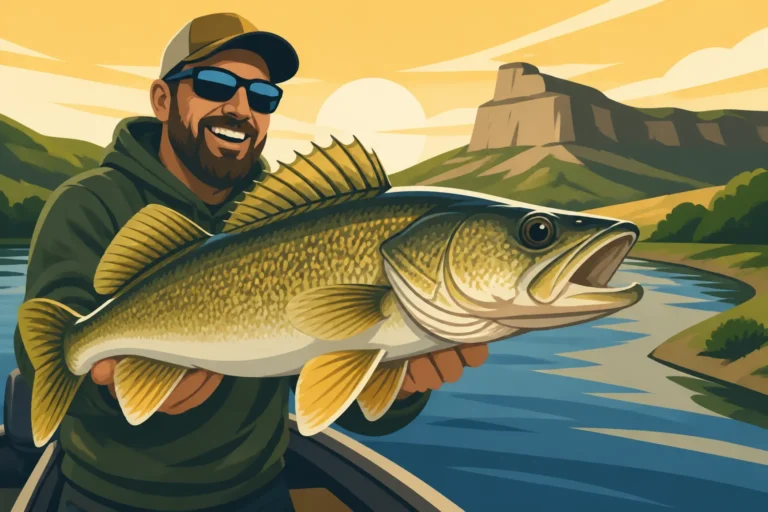
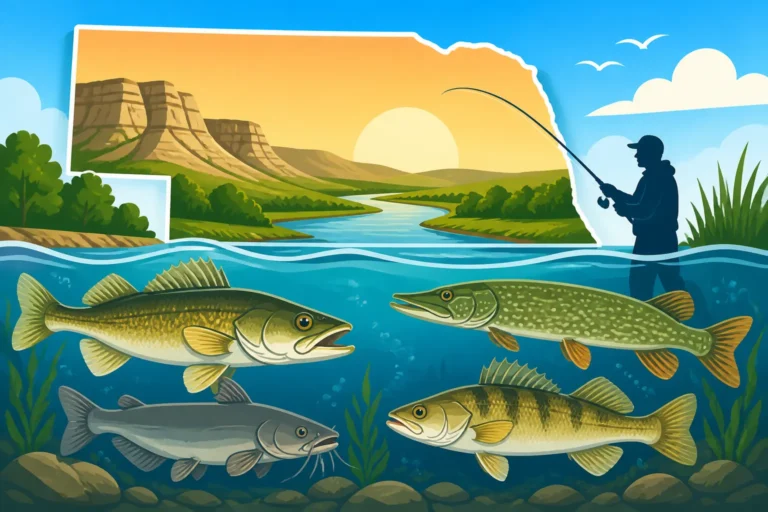
When you cast your line into one of Nebraska's beautiful lakes or rivers, there's a good chance you're hoping to hook into a specific species. For many, that target is the walleye, and for good reason! This prized game fish isn't just a local favorite; it holds the esteemed title of Nebraska's official state fish. Understanding why it earned this designation gives you a deeper appreciation for this incredible creature and its role in our state's natural heritage.
The Official Designation and Its History
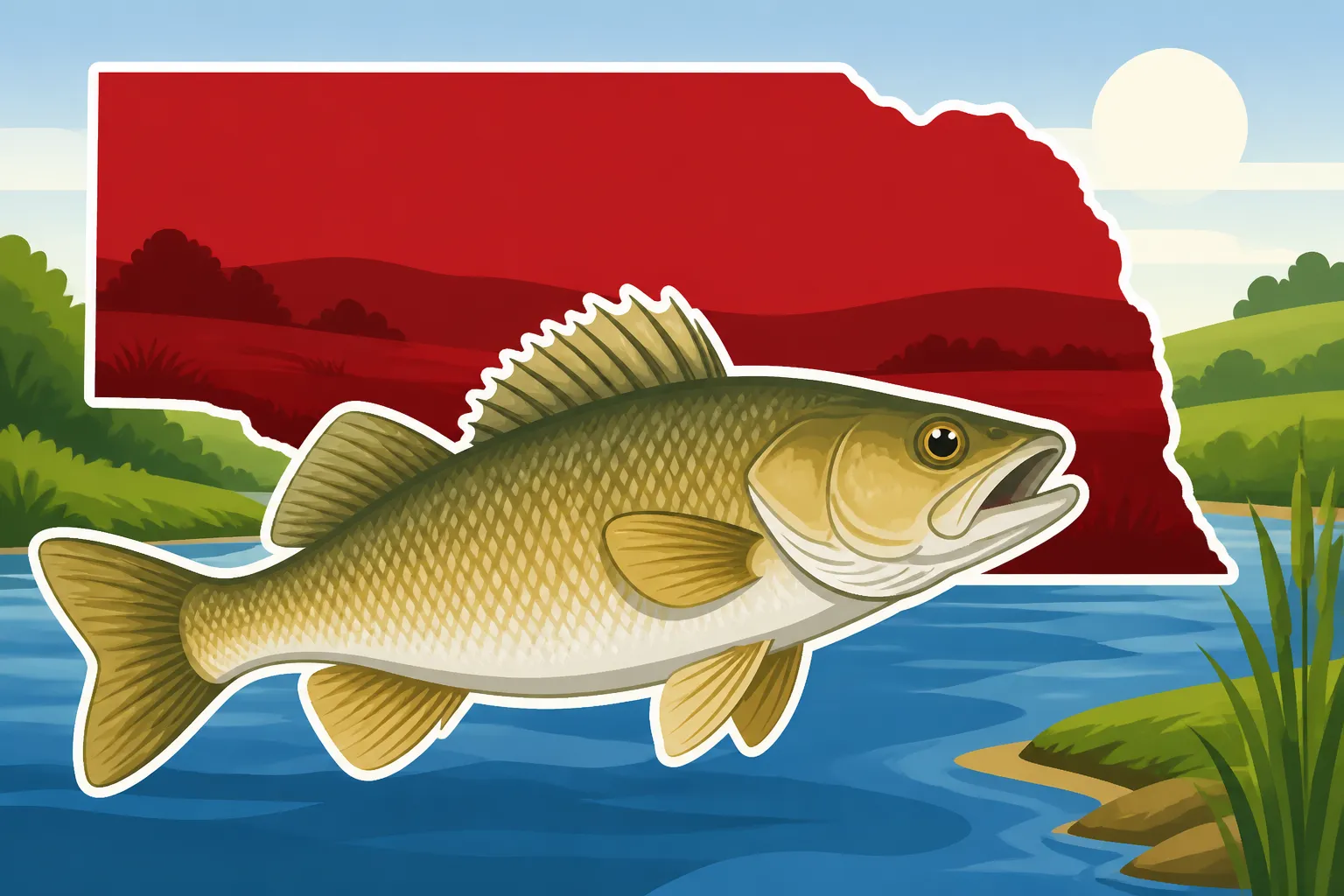
The walleye (Sander vitreus) officially became Nebraska's state fish on May 27, 1997, through legislative action. This wasn't a decision made lightly or without thought. The process involved recognizing a species that truly embodied the spirit of fishing and the aquatic resources within the state. It was a nod to its popularity, its challenging nature to catch, and its delicious flavor, all contributing to its iconic status among Nebraskan anglers. Before the walleye, Nebraska didn't have an official state fish, which left a gap in our state's natural symbols. The adoption of the walleye filled that void perfectly, selecting a fish that resonates deeply with our outdoor culture.
This designation wasn't just a ceremonial act; it highlighted the importance of this species to our state's recreational fishing industry and its ecological balance. It also helped raise awareness about the need for conservation efforts to protect and enhance walleye populations for future generations. When you see a walleye, you're not just looking at another fish; you're looking at a living symbol of Nebraska's angling passion and commitment to healthy aquatic environments.
Why the Walleye Holds Such Esteem in Nebraska
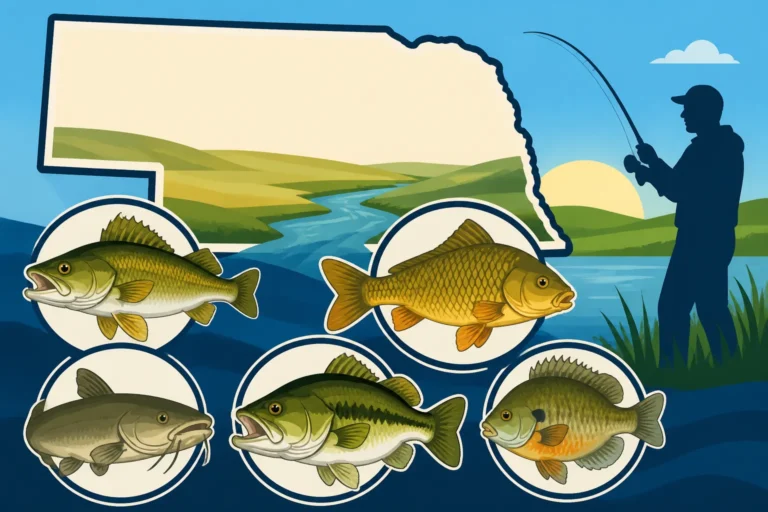
So, why the walleye? What makes it stand out among other popular species like catfish or bass? For starters, the walleye is renowned for its excellent table fare. Its firm, flaky, white meat is often considered one of the best-tasting freshwater fish available. This alone makes it a highly sought-after catch for those looking to fill their stringers and their dinner plates. There's nothing quite like a fresh walleye fillet after a day on the water.
Beyond its culinary appeal, the walleye is a formidable game fish. They are often challenging to locate and entice, demanding skill, patience, and a deep understanding of their habits. Many anglers consider catching a walleye a true accomplishment, a testament to their angling prowess. This challenge creates a rewarding experience, drawing dedicated fishermen back to our waters season after season. Furthermore, walleye are found in many of Nebraska's premier fishing destinations, from vast reservoirs like Lake McConaughy to smaller, well-managed lakes, providing ample opportunities for anglers across the state to pursue them. Their widespread presence and desirability cement their status as the rightful state fish.
Understanding the Walleye: Habitat, Characteristics, and Behavior
To successfully pursue Nebraska's state fish, you really need to get inside its head – or at least understand its world. The walleye is a fascinating creature with specific preferences for habitat, distinct physical traits, and predictable behaviors that change with the seasons. Knowing these details can dramatically improve your chances of finding and catching them, transforming a hopeful outing into a successful one.
Key Physical Traits of Nebraska Walleye
Walleye are distinctive fish, easily recognizable once you know what to look for. They typically have a long, slender body, often a dark olive or golden brown on their backs, fading to a lighter yellow or white on their bellies. One of their most striking features is their large, glassy, opaque eyes, which are highly reflective due to a light-gathering layer called the tapetum lucidum. This adaptation allows them to see exceptionally well in low-light conditions, giving them a significant advantage during dawn, dusk, and cloudy days, or in deeper, murkier waters. Their name, "walleye," comes directly from this characteristic.
Another key identifier is the sharp, prominent dorsal fin, which is typically spiny and separate from a softer second dorsal fin. They also possess sharp teeth, so handle them with care! The absence of spots on their dorsal fin, along with a white tip on the lower lobe of their tail fin, helps distinguish them from their close cousin, the sauger. These physical traits not only make them unique but also dictate how they interact with their environment and how you might best approach catching them.
Preferred Habitats and Prime Locations in Nebraska
Walleye are masters of their environment, and they thrive in specific types of water. In Nebraska, you'll primarily find them in large, relatively clear, cool lakes and reservoirs, as well as some larger rivers with moderate currents. They prefer areas with structural elements like submerged points, humps, drop-offs, rock piles, gravel beds, and standing timber. These structures provide ambush points for hunting prey and offer cover from brighter light conditions. They are rarely found in shallow, muddy, or heavily vegetated waters.
Some of Nebraska's top walleye waters include Lake McConaughy Fishing Guide, Harlan County Reservoir, Branched Oak Lake, and Merritt Reservoir. These larger bodies of water offer the depth, forage, and habitat complexity that walleye need to thrive. For example, at Lake McConaughy, walleye often relate to the deep main lake points and submerged islands, especially during the warmer months. Understanding these preferences means you're not just randomly casting; you're actively seeking out areas where walleye are most likely to be holding.
Walleye Diet and Seasonal Behavior Patterns
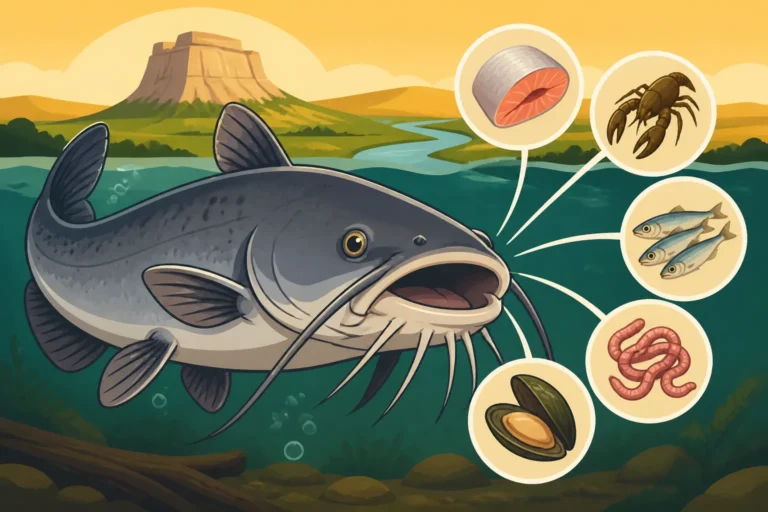
Walleye are opportunistic predators, and their diet primarily consists of smaller fish. Shad, alewives, yellow perch, and various minnow species are common items on their menu. They are also known to eat crayfish and insect larvae, especially when they are smaller. Their predatory nature, combined with their excellent low-light vision, makes them efficient hunters, particularly during twilight hours.
Their behavior patterns shift significantly with the seasons. In spring, as water temperatures rise, walleye move to shallower rocky or gravelly areas for spawning. This is often an excellent time to target them, especially post-spawn when they are actively feeding to recover. During summer, they typically retreat to deeper, cooler waters, often congregating around structures or thermoclines where baitfish are present. As fall approaches, they become more active again, feeding heavily in preparation for winter, often moving back to shallower flats and points. In winter, during ice fishing season, they can be found in deeper holes or suspended over structure, often requiring more subtle presentations. Understanding these seasonal movements is crucial for successful walleye fishing throughout the year.
Strategies for Successfully Fishing for Walleye in Nebraska
Now that you know all about Nebraska's state fish, it's time to talk about how to actually catch them! Walleye fishing can be incredibly rewarding, but it often requires a strategic approach. It's not just about luck; it's about understanding when, where, and how to present your bait or lure. Let's dive into some of the most effective ways to fill your cooler with these delicious fish.
Best Times and Prime Locations for Walleye Success
Timing and location are absolutely critical when it comes to walleye. As mentioned, their excellent low-light vision means they are most active during dawn, dusk, and cloudy days. Many experienced anglers swear by night fishing for walleye, especially during the warmer summer months when they move into shallower feeding areas under the cover of darkness. Don't overlook heavily overcast days or periods just before a storm rolls in – these conditions can trigger a strong bite.
When it comes to Best Places to Fish in Nebraska for walleye, our large reservoirs are often the go-to. Lake McConaughy is legendary for its walleye fishery, offering vast expanses of water and diverse structures. Other great options include Harlan County Reservoir, Sherman Reservoir, and Merritt Reservoir, each with its unique characteristics. Within these bodies of water, focus on areas like main lake points, submerged humps, rock piles, and drop-offs. If you're fishing a river, look for current breaks, deep pools, and eddy lines. Knowing the best time of year to catch walleye in Nebraska and where they are likely to be found during that specific season will give you a significant advantage.
Top Walleye Fishing Techniques and Baits
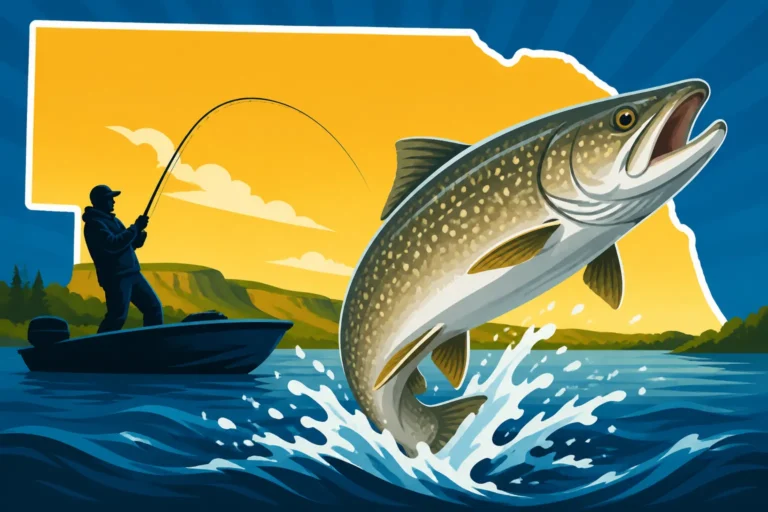
Walleye can be caught using a variety of techniques, but some prove more consistent than others. Trolling is a hugely popular and effective method, especially on larger reservoirs. Using crankbaits, spinner rigs (like a crawler harness), or even slow-trolling live bait can cover a lot of water and help you locate scattered fish. When trolling, experiment with different depths and speeds until you find what the fish are responding to.
Jigging is another classic walleye technique, particularly effective when fish are concentrated on structure or when ice fishing. You can use lead head jigs tipped with live minnows, soft plastics, or paddle-tail swimbaits. Vertical jigging directly over fish marked on your Best Fish Finders for Nebraska Lakes can be incredibly productive. For Best Bait for Nebraska Walleye, live bait like minnows, nightcrawlers (often on a spinner rig), and leeches are often irresistible. Don't shy away from artificial lures like crankbaits, jerkbaits, and various soft plastics, especially in colors that mimic local baitfish or provide a strong contrast.
| Technique | Preferred Conditions | Ideal Bait/Lure | Depth Range | Notes |
|---|---|---|---|---|
| Trolling | Open water, searching for scattered fish | Crankbaits, Crawler Harness, Swimbaits | Mid-depth to Deep | Covers large areas, varies speed/depth |
| Jigging | Over structure, concentrated fish, Ice Fishing | Jigs (tipped with minnow/plastic), Blade Baits | Any depth | Vertical presentation, excellent for targeting |
| Casting | Shore access, shallower flats, points | Jerkbaits, Lipless Crankbaits, Soft Plastics | Shallow to Mid | Active fishing, good for covering smaller areas |
| Slip Bobber | Calm conditions, precise depth control | Live minnows, Leeches, Nightcrawlers | Any depth | Ideal for suspended fish or specific structure |
Essential Gear for Your Nebraska Walleye Pursuits
Having the right gear makes a huge difference in walleye fishing success. First, a sensitive fishing rod and reel combo is paramount. Walleye bites can be subtle, and a medium-light to medium power spinning or baitcasting rod, about 6'6" to 7'6" in length, will allow you to feel those faint taps. Pair it with a smooth reel spooled with 6-10 lb test monofilament, fluorocarbon, or braided line with a fluorocarbon leader. You can find excellent options for Best Fishing Gear for Nebraska Anglers on platforms like Amazon, where many reputable brands offer tackle suitable for walleye.
Beyond rods and reels, you'll need a variety of terminal tackle. This includes an assortment of jigs (1/8 oz to 1 oz), crankbaits that dive to different depths, spinner rigs, swivels, and hooks. Don't forget a good pair of pliers for removing hooks, especially if you plan on catch and release. A quality fish finder is almost indispensable, particularly for boat anglers, as it helps locate structure and fish in deeper water. For shore anglers, a selection of longer rods for How to Cast Farther From Shore can be a game-changer. Carrying a net, like one you might find on Amazon with a rubberized mesh (better for fish health), is also a smart move for landing those bigger walleye cleanly and safely.
Protecting Our Walleye: Conservation and Responsible Angling
Catching walleye is a thrill, but ensuring there are plenty of them for future generations is just as important. Nebraska's walleye populations are a valuable resource, and active management and responsible angling practices are key to keeping them healthy and thriving. As anglers, we play a crucial role in conservation, making sure our state fish remains abundant in our waters.
Nebraska's Walleye Stocking and Management Efforts
The Nebraska Game and Parks Commission (NGPC) works tirelessly to manage and enhance walleye populations across the state. A significant part of this effort involves extensive stocking programs, particularly in reservoirs where natural reproduction might be limited or inconsistent. Millions of walleye fingerlings and fry are stocked annually into various lakes, replenishing populations and providing excellent fishing opportunities. This proactive management ensures that even in bodies of water with heavy fishing pressure, the walleye fishery remains robust.
Beyond stocking, the NGPC conducts surveys and research to monitor walleye health, growth rates, and population dynamics. They analyze factors like water quality, forage availability, and angler harvest to make informed decisions about regulations and habitat improvements. These scientific approaches are vital for maintaining a balanced ecosystem and a sustainable fishery. Nebraska Fishing Regulations Explained are designed with these management goals in mind.
Navigating Nebraska's Walleye Regulations and Limits
To ensure sustainable fishing, Nebraska has specific regulations for walleye, including daily bag and possession limits, as well as minimum length limits. These rules are in place to allow enough fish to reach reproductive maturity and to spread out the harvest among anglers. It’s absolutely essential for every angler to understand and adhere to these regulations. You can find detailed information in the annual Nebraska Fishing Guide, often available online or at permit vendors.
For instance, there are specific Nebraska Walleye Bag Limits and Nebraska Walleye Minimum Length Limit that vary by water body and sometimes by season. Failing to follow these rules not only risks penalties but also undermines the collective efforts to protect our fisheries. Always check the most current regulations before heading out, especially if you're fishing a new lake or reservoir, as rules can differ. When in doubt, a quick check on the GoOutdoorsNE platform or the official NGPC website will provide the most up-to-date information.
Tips for Sustainable Walleye Fishing
Beyond just following the rules, there are several things we can do as anglers to promote sustainable walleye fishing. One crucial practice is proper catch and release, especially for larger, older walleye which are often the most prolific spawners. If you plan to release a fish, handle it carefully, minimize its time out of the water, and use appropriate tools like a soft-mesh net and de-hooking tools. Learning How to Release a Fish Safely to Survive is a skill every angler should master.
Another way to contribute is by supporting conservation efforts, such as purchasing the Nebraska Aquatic Habitat Stamp Explained which funds projects to improve aquatic environments. Consider keeping smaller, slot-limit fish for the frying pan and releasing the larger ones, contributing to a healthier age structure in the population. Being mindful of invasive species by cleaning, draining, and drying your boat and gear after every outing is also critical to protecting walleye habitats. By practicing ethical and responsible angling, we can all help ensure that future generations can enjoy the thrill of catching Nebraska's state fish.
Disclaimer
This article is for general informational purposes only and does not constitute professional advice. Laws, prices and regulations vary by location and change over time. Consult a qualified professional for guidance on your specific situation.