How to Bowfish for Carp in Nebraska
One of the most thrilling and effective ways to tackle the abundance of common carp in Nebraska's waters, while also enjoying an incredibly active outdoor experience, is through bowfishing. It's not your typical rod-and-reel outing; it's a dynamic hunt that gets you closer to the action and directly contributes to managing populations of these often-maligned fish. This guide will walk you through everything you need to know to get started bowfishing for carp across the Cornhusker State.
Why Bowfish for Carp in Nebraska? The Thrill and the Purpose
If you've spent any time fishing Nebraska's lakes and rivers, you've likely seen common carp. They’re big, they’re powerful, and they’re often present in huge numbers. While some anglers target them with traditional methods, bowfishing offers a unique blend of hunting and fishing that many find incredibly engaging. It's a chance to actively participate in wildlife management while experiencing a high-octane outdoor adventure.
Environmental Impact and Sport
Common carp were introduced to North American waters centuries ago and have since become a dominant, and in many cases, invasive species. These bottom-feeding fish stir up sediment, reducing water clarity, uprooting aquatic vegetation crucial for native species, and competing with other fish for food resources. By targeting carp through bowfishing, you're doing more than just enjoying a sport; you're helping to mitigate their environmental impact, especially in sensitive ecosystems. It's a satisfying feeling to know your outdoor pursuit is also a conservation effort. For more on these fish, you might want to read about Nebraska Carp Fishing or delve into Invasive Fish Species in Nebraska. Understanding how to identify these species, particularly how to tell if you've caught How to Identify an Invasive Carp Species in Nebraska, is crucial for responsible bowfishing.
Adrenaline and Accessibility
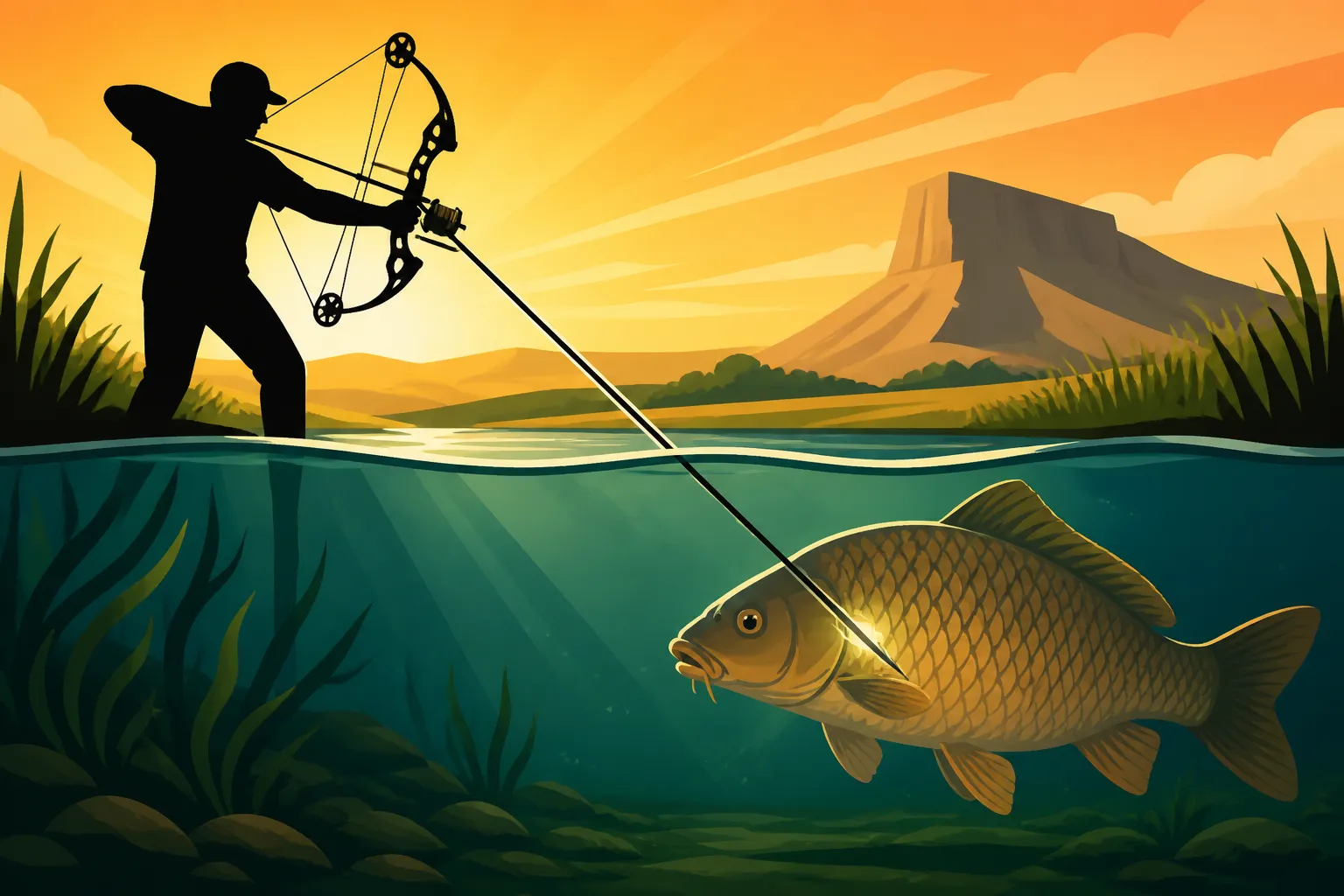
There's no denying the rush of bowfishing. It's a primal form of hunting on the water that requires stealth, precision, and quick reflexes. Imagine gliding silently along a shallow shoreline, spotting the dark shape of a carp in the murky water, drawing back your bow, and taking the shot. The fight is intense, and the satisfaction of a successful retrieve is immense. What’s great about bowfishing for carp is its accessibility. You don't always need a fancy boat; many productive carp spots can be bowfished from shore, especially in shallow backwaters or flooded grassy areas. Of course, having access to a boat, particularly one equipped for shallow water, can significantly expand your hunting grounds.
Essential Gear for Your Nebraska Bowfishing Adventure
Getting into bowfishing doesn't have to break the bank, but there are some specialized pieces of equipment you'll need. Think of it as investing in a new outdoor hobby – the right gear makes all the difference for safety and success.
The Bow and Reel Setup
The heart of your bowfishing setup is, of course, the bow. While many dedicated bowfishermen use older compound bows or specialized recurve bows, almost any bow can be adapted. The key is that it needs to be set up for quick shots and reel attachment.
- Bow Types:
- Recurve Bows: These are often favored for their simplicity, lightweight nature, and fast shooting. They don't have cams or complex sights, making them robust and less prone to issues when wet or muddy. Many entry-level recurves are perfect for bowfishing.
- Compound Bows: If you have an old hunting compound bow, you can convert it. You'll typically want a lower draw weight (30-50 lbs is common for carp) and often remove the sight, using instinctual aiming.
- Dedicated Bowfishing Bows: Some manufacturers produce bows specifically for bowfishing. These often have heavy-duty limbs, simple designs, and integrated reel mounts.
- Reel Systems: This is where bowfishing really diverges from traditional archery. Instead of an arrow rest, you'll mount a specialized reel to your bow.
- Spool-Style Reels (Bottle Reels): These are the most common and simplest. The line is manually wound onto an open spool. To shoot, you simply hold the line in one hand, shoot the arrow, and release the line. The best part? No drag system to mess with, you just fight the fish by hand-lining. You can find robust options on Amazon.
- Retriever Reels: These are similar to spinning reels but designed for heavy bowfishing line. They have a button to release the line, and a crank to reel it back in. They offer a bit more convenience but can be more prone to tangles if not managed properly.
Arrows, Line, and Safety
Your arrows for bowfishing are completely different from hunting or target arrows. They are built for durability and catching fish.
- Bowfishing Arrows: These are solid fiberglass or carbon-fiber, much heavier and stronger than typical arrows. They don't have fletchings, as they're shot into water, and instead have a heavy, barbed tip designed to hold fish securely. The barbs often pivot to allow for easy removal once the fish is landed.
- Bowfishing Line: You'll need strong, durable line, usually braided nylon or Dacron, ranging from 80 to 200 lb test. It needs to stand up to abrasion from fish scales, rocks, and submerged brush. Always ensure your line is securely tied to your arrow and your reel.
- Safety Equipment: This is paramount.
- Finger Savers/Gloves: Since you'll be shooting heavy line, finger savers on your string or a shooting glove can prevent discomfort and injury.
- Eye Protection: Always wear polarized sunglasses. They not only protect your eyes from errant arrows or lines but also help immensely with spotting fish by cutting glare on the water.
- Footwear: If wading, wear sturdy wading boots to protect your feet from submerged hazards.
- Float/Rest: A specialized arrow rest that contains your arrow and line is crucial to prevent the line from interfering with the bowstring, which can cause severe injury (known as "bowfishing wrap"). Make sure your chosen setup includes one.
For sourcing many of these components, particularly specialized reels, arrows, and safety gear, online retailers like Amazon offer a vast selection, often with good customer reviews to help you choose. Remember, while a high-end bow isn't strictly necessary, quality line, arrows, and safety gear are non-negotiable. If you're looking for general advice on fishing gear, check out our guide on Best Fishing Gear for Nebraska Anglers.
Here's a quick checklist for your basic bowfishing setup:
| Item | Description | Importance |
|---|---|---|
| Bow | Recurve, compound, or dedicated bowfishing bow (30-50 lb draw weight) | Essential |
| Bowfishing Reel | Spool-style (bottle) or Retriever reel | Essential |
| Bowfishing Arrows | Solid fiberglass/carbon with barbed points | Essential |
| Bowfishing Line | 80-200 lb braided nylon/Dacron | Essential |
| Arrow Rest/Safety Slide | Crucial for safe line management | Essential |
| Polarized Sunglasses | Eye protection & glare reduction for spotting fish | Essential |
| Finger Tab/Shooting Glove | Comfort & protection for fingers | Recommended |
| Sturdy Wading Boots | Foot protection for wading | Recommended |
Finding Your Carp Hotspots and Prime Times in Nebraska
Carp are widely distributed throughout Nebraska's waters, but finding the right carp in the right conditions is key to successful bowfishing. It's all about knowing their habits and preferred habitats.
Key Nebraska Waters
Carp prefer shallow, often murky water with soft bottoms and abundant vegetation or submerged cover. These are the areas where they feed, spawn, and seek refuge.
- Rivers: Nebraska's major rivers, like the Platte and Missouri, are absolute havens for carp. Look for backwaters, flooded timber, oxbow lakes, and slower-moving sections. During periods of higher water, carp will often move into flooded fields or shallow riparian zones, offering excellent opportunities. Our Platte River Fishing Guide and Missouri River Fishing in Nebraska can provide more localized insights. The Elkhorn and Loup Rivers also hold good populations.
- Reservoirs and Lakes: Many of Nebraska's large reservoirs and smaller lakes have healthy carp populations. Focus on shallow coves, bays with muddy or sandy bottoms, areas with submerged brush or weeds, and near inlets where warmer, nutrient-rich water might be flowing in. Lakes such as Branched Oak, Pawnee, and Wagon Train often have good shallow areas. For a broader overview of spots, refer to Best Places to Fish in Nebraska.
- Ponds and Pit Lakes: Don't overlook smaller public ponds or even private farm ponds (with permission!). These can often be overrun with carp, especially in warmer months, and offer fantastic close-quarters bowfishing action.
When scouting, look for visual signs: muddy streaks in the water, carp actively "rolling" or jumping on the surface, or subtle movements in shallow reeds. If the water has been muddy after heavy rain, carp are often more active, and learning How to Fish Muddy Water After Heavy Rain can apply to bowfishing as well.
Seasonal and Daily Strategies
Timing is everything in bowfishing, primarily because carp behavior is heavily influenced by water temperature and light conditions.
- Spring (Pre-Spawn and Spawn): This is often considered the prime bowfishing season. As water temperatures rise into the 50s and 60s Fahrenheit, carp move into extremely shallow water to spawn. They'll be visible in mere inches of water, congregating in large numbers in flooded grass, shallow bays, and warm coves. This is your best chance for consistent action during daylight hours. Check Nebraska Fishing Season Dates and Limits for general season information, though carp are generally open year-round for bowfishing.
- Summer: Carp remain active in summer, but they tend to be more nocturnal or stick to deeper water during the heat of the day. Early mornings, late evenings, and especially night bowfishing can be highly productive. For night fishing, a powerful light source is essential, mounted either on your boat or on your head if wading. Remember to be aware of Nebraska Night Fishing Rules if you venture out after dark.
- Fall and Winter: As water temperatures drop, carp become less active and move to deeper water. While it's possible to bowfish for them in fall, opportunities become much more limited, and winter bowfishing for carp is typically only feasible in very shallow, slow-moving rivers or specific warm water discharges, and only if ice hasn't formed.
Water clarity also plays a role. While carp tolerate murky water, it makes spotting them harder. Overcast days can sometimes offer better visibility than bright, sunny days with harsh glare, even with polarized sunglasses. Pay attention to Nebraska Fishing Weather and Barometric Pressure Tips as these factors can influence fish activity.
Mastering Nebraska Bowfishing Techniques and Regulations
Bowfishing isn't just about spotting a fish and shooting; there's a technique to it, especially concerning how light behaves in water. Plus, knowing the rules is non-negotiable.
Aiming and Stalking
The biggest challenge for new bowfishers is learning to compensate for refraction. Water bends light, making fish appear shallower than they actually are. If you aim directly at the fish, your arrow will fly over it.
- The "Aim Low" Principle: The general rule of thumb is to aim low. How low? It depends on the depth of the fish and your angle to it. The deeper the fish and the sharper your angle, the lower you need to aim. Practice is the only way to truly dial this in. Start by aiming at a visible spot below the fish's belly, perhaps at its pectoral fin or even further down.
- Stalking: Stealth is crucial. Move slowly and quietly, whether on foot or in a boat. Carp are surprisingly spooky, especially in shallow water. Wear muted colors, avoid sudden movements, and use the wind to your advantage to mask noise and scent. If bowfishing from a boat, a shallow-draft boat or even a kayak is ideal for getting into tight spots.
Retrieval and Handling
Once you've made a successful shot, the fight begins!
- The Fight: The arrow's barbs will hold the fish. Use your reel (or hand-line with a spool reel) to bring the fish in. Be prepared for a strong fight, especially from larger carp. Do not reel the line directly onto your bow hand or body, as this can cause severe injury if the fish makes a sudden run.
- Landing and Handling: Once the fish is at hand, secure it quickly. A large landing net can be helpful, especially for bigger fish, but many bowfishers simply grab the arrow shaft or the fish itself. Carp can be slimy and powerful, so be careful. Since carp are often considered rough fish and sometimes invasive, regulations in Nebraska typically encourage their removal from the water. It's generally advised not to release bowfished carp back into the water, even if they appear alive. For guidance on appropriate action after catching an invasive species, see What to Do If You Catch an Invasive Carp.
Understanding Nebraska's Regulations
Before you even string your bow, ensure you're compliant with all Nebraska Game and Parks Commission (NGPC) regulations.
- Fishing Permit: You will need a valid Nebraska fishing permit to bowfish. This typically means a standard annual, 3-day, or 1-day permit. Check out the Nebraska Fishing License Guide for different options, or our article on Nebraska Fishing License Costs and Types to understand current pricing.
- Species and Seasons: Common carp are generally considered "nongame" or "rough fish" and are open to bowfishing year-round in most public waters in Nebraska, with no bag or possession limits. However, always double-check the latest official regulations, as specific water bodies might have unique rules. The comprehensive Nebraska Fishing Regulations Explained is your best resource.
- Prohibited Methods: Ensure your bowfishing setup adheres to legal methods. Explosive arrows, poisoned arrows, or arrows with multiple points designed to snag are typically prohibited.
- Boating Regulations: If you plan to bowfish from a boat, your vessel must comply with all Nebraska boat registration and safety equipment requirements. This includes having proper registration, navigation lights if operating at night, and required personal flotation devices for all occupants. You can find detailed information in Nebraska Boat Registration and Fishing Rules and Nebraska Boat Safety Equipment Requirements. Additionally, if using a boat, you might also need a valid Nebraska Aquatic Invasive Species Stamp and must follow protocols to prevent the spread of invasive species.
- Reporting Violations: If you ever witness someone violating fishing or boating regulations, it's important to report it to the NGPC.
Bowfishing for carp in Nebraska offers an exciting and rewarding outdoor experience, combining the precision of archery with the thrill of the chase on the water. With the right gear, a bit of practice, and a solid understanding of carp behavior and state regulations, you'll be well on your way to enjoying this unique sport and contributing to the health of Nebraska's aquatic ecosystems.
Disclaimer
This article is for general informational purposes only and does not constitute professional advice. Laws, prices and regulations vary by location and change over time. Consult a qualified professional for guidance on your specific situation.