What Fish Live in the Platte River
Navigating the vast and iconic Platte River can feel like trying to solve a living puzzle. It's a waterway that changes character constantly, from wide, shallow braids to deeper, more defined channels, making it incredibly difficult to know just what kind of fish you might encounter on any given day. If you've ever cast a line into its flowing waters and wondered what unseen creatures lurk below, this comprehensive guide is for you. We're going to dive deep into the diverse aquatic life of the Platte, helping you understand what fish call it home and what makes them thrive in this unique Nebraska ecosystem.
Understanding the Platte River's Unique Ecosystem
The Platte River isn't just one river; it's a dynamic, ever-changing system that offers a fascinating array of habitats for different fish species. From its headwaters to where it meets the Missouri, its character shifts dramatically, influencing everything from water flow to the very structure of its bottom. This variability is precisely why it's such a rich, albeit sometimes challenging, fishing destination.
The Platte's Changing Character
Imagine standing on the bank of the Platte. In some areas, you might see a wide, shallow expanse of water, braided into countless small channels winding around sandy islands and gravel bars. These braided sections, particularly in the central and western parts of the state, are iconic, but they're also deceptively complex. While they might seem too shallow for much fish life, the deeper scour holes and depressions that form in the sand can hold surprising numbers of fish, especially during periods of lower flow. The moving water here, though often turbid, brings a constant supply of food and oxygen.
As you move downstream, especially closer to the Missouri River confluence, the Platte often deepens, consolidates into more defined channels, and can even feature more stable banks with woody debris. These deeper, slower stretches, particularly in the lower Platte, offer entirely different environments, attracting fish that prefer more cover and less current. Seasonal changes in flow, influenced by snowmelt upstream and rainfall, dramatically alter these habitats. A spring flood can reshape sandbars and scour new holes, while a dry summer can concentrate fish into the remaining deeper pools, making them both easier and harder to find. It's truly a river that keeps you on your toes.
Factors Influencing Fish Presence
The sheer diversity of fish species in the Platte River is a direct reflection of its varied environment and the forces that shape it. Water flow, for instance, is a massive factor. Fish that prefer strong currents, like some species of minnows or even game fish actively feeding, will gravitate to swifter channels. Conversely, species that prefer calmer waters, such as crappie, might seek out backwaters, oxbows, or areas behind large sandbars where the current lessens.
Water clarity also plays a role. The Platte is famously silty and turbid at times, especially after heavy rains or significant runoff. Many of the fish that thrive here, particularly catfish, are well-adapted to low visibility, relying on their sense of smell and touch rather than sight. However, in clearer stretches or during stable periods, you might find species that prefer to hunt by sight. The riverbed itself, with its mix of sand, gravel, and occasional rock formations or woody debris, provides crucial cover and spawning grounds. Human impacts, such as dams upstream and irrigation diversions, further influence flow patterns, water temperature, and nutrient cycling, all of which subtly, or not so subtly, dictate what fish can survive and thrive in a particular section of this magnificent river.
Common Game Fish Species in the Platte River
When most anglers think about fishing the Platte River, their minds often jump straight to a few tried-and-true game fish species. And for good reason! The river provides an excellent habitat for several popular catches, offering exciting opportunities for those willing to learn its secrets.
Channel Catfish: The Platte River Staple
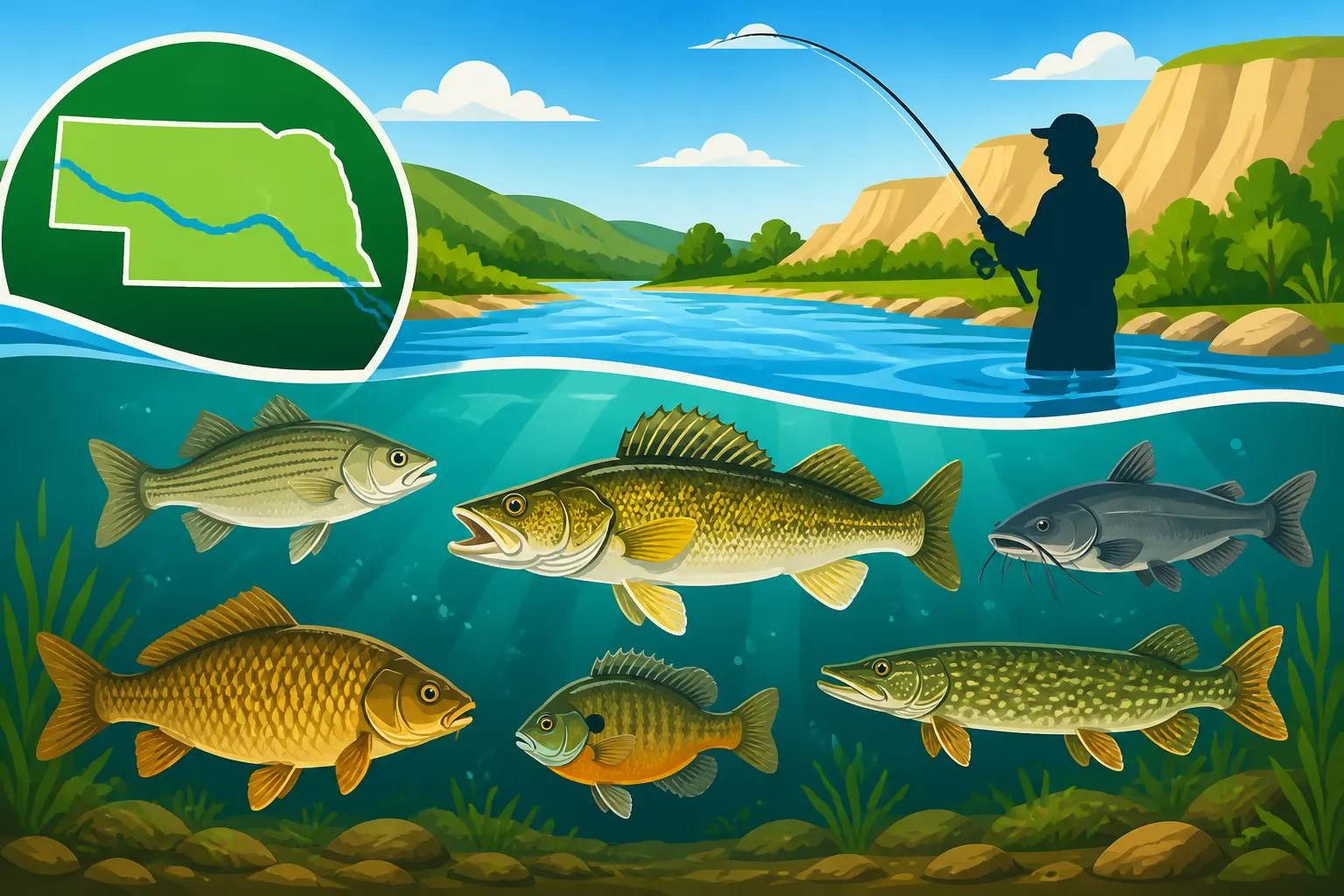
Ah, the channel cat! If there's one fish synonymous with the Platte River, it's probably the channel catfish. These whiskered warriors are incredibly abundant and resilient, perfectly suited to the river's dynamic and often turbid environment. You'll find them almost everywhere in the Platte, from the western stretches near North Platte down to the eastern reaches before it joins the Missouri.
Channel cats love structure and current breaks. They'll often hold in deeper holes, especially those scoured out on the outside bends of channels, behind log jams, or near submerged trees. Any place that offers a bit of shelter from the main current but still allows easy access to food washing downstream is prime real estate for a channel cat. They're opportunistic feeders, meaning they'll eat just about anything, which is why stink baits, cut bait, worms, and even prepared dough baits are so effective. A common setup involves a bottom rig with a sinker heavy enough to hold in the current, paired with a hook baited for success. Remember to always check the Nebraska Channel Catfish Daily Limit before you head out, and if you're lucky enough to land a truly impressive one, you might even be wondering about the Nebraska Channel Catfish Size and Weight Records.
Flathead Catfish: The River's Ambush Predator
While channel catfish are common and relatively easy to entice, the flathead catfish is a different beast entirely. These powerful, reclusive predators are also found in the Platte, but they prefer very specific habitats. Unlike their channel cat cousins who will scavenge, flatheads are pure ambush predators, preferring live bait and waiting patiently in cover for an unsuspecting meal to swim by.
You'll typically find flatheads in the deepest, slowest pools of the Platte, especially where there's significant woody debris, undercut banks, or large rock formations. Log jams are absolute magnets for flatheads. They’ll burrow into these submerged tangles, using them as their fortress from which to launch attacks. Catching a flathead requires a different approach: heavier gear, strong line, and most importantly, live bait like bluegill, sunfish, or large minnows. It's not a numbers game; it's a test of patience and persistence, often rewarded with a truly monumental fight. If you're serious about targeting these river giants, diving into resources like Nebraska Flathead Catfish Fishing will give you a tactical advantage. These fish are powerful and can be quite a challenge to bring to the bank, but the reward is certainly worth the effort.
White Bass: Schooling Action on the Platte
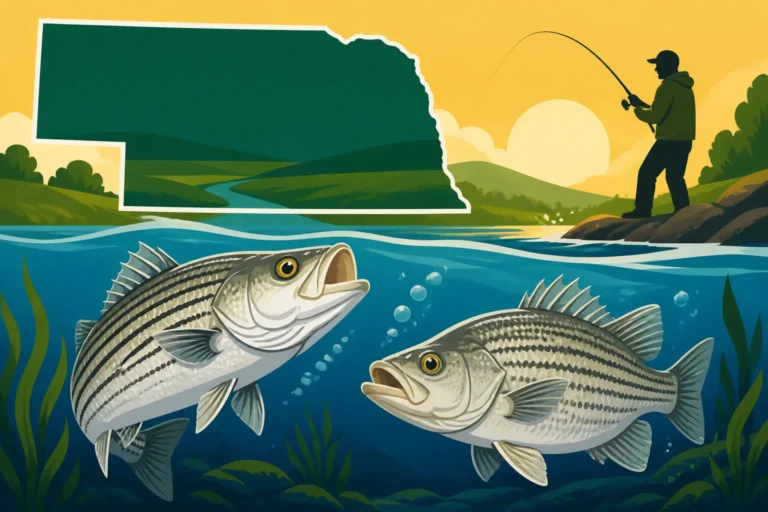
For those who love fast-paced action and the thrill of a schooling frenzy, white bass are a fantastic target in certain sections of the Platte River. While they are more commonly associated with larger reservoirs, white bass will move into river systems, especially during their spring spawning runs or when influenced by nearby impoundments.
You'll often find white bass in the lower Platte, particularly closer to the Missouri River, or in sections of the river that have some connection or influence from larger reservoirs like Lake McConaughy. During their spring run, they'll congregate in huge schools, chasing baitfish and providing exhilarating fishing. Look for them in areas with moderate current, around submerged structure, or busting bait on the surface during feeding frenzies. Small spinners, jigs, and flashy spoons are incredibly effective. When you hit a school, it's often non-stop action, making for a memorable day on the water. For more details on these exciting runs, check out Nebraska White Bass Spring Run.
Other Notable Game Fish
Beyond the dominant catfish and exciting white bass, the Platte River also hosts a supporting cast of other game fish that can surprise an angler.
Freshwater drum, often called "river drum" or "sheepshead," are another prevalent species that anglers often overlook. They are powerful fighters and are widespread throughout the Platte. They're bottom feeders, much like catfish, and will readily strike worms, crayfish, or small jigs. They provide excellent action, especially when other species are slow to bite.
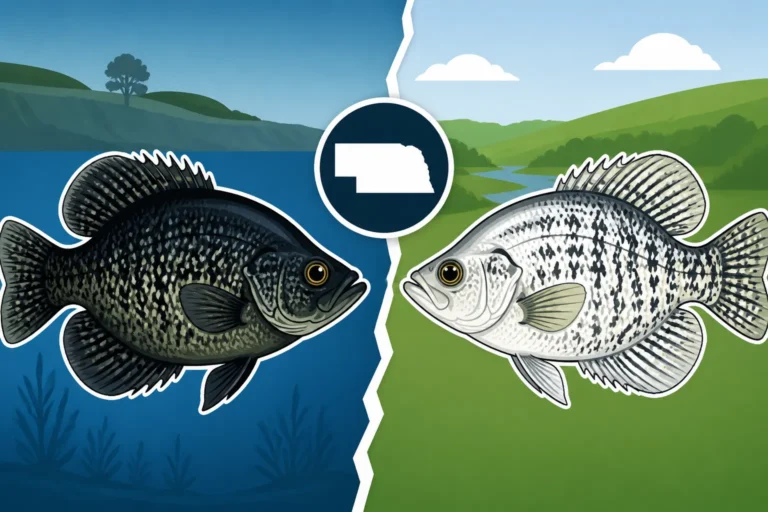
Crappie can also be found in the Platte, though they tend to prefer the slower moving backwaters, oxbows, or protected areas with submerged timber and brush piles. They are less common in the main, swift current but can be a delightful catch in the right conditions. Small jigs and minnows are the go-to baits.
Walleye, while primarily a lake fish in Nebraska, do make an appearance in the Platte, particularly in the lower river closer to the Missouri and in sections directly downstream from reservoirs that hold walleye populations. They prefer rocky bottoms and current breaks, and can be caught on jigs, crankbaits, or live bait rigs. While not as abundant as in lakes, catching a Platte River walleye is a special treat. The river's dynamic environment makes it a bit of a treasure hunt to find these, but knowing they're there adds to the excitement.
Non-Game and Rough Fish Species of the Platte
While many anglers focus on "game fish," the Platte River's ecosystem is also home to a robust population of non-game and rough fish species. These fish are just as vital to the river's health and can offer unique fishing experiences, even if they aren't always destined for the dinner table.
Common Carp: Abundant and Adaptable
The common carp is arguably one of the most widespread and recognizable fish in the Platte River. These incredibly adaptable fish thrive in a wide range of conditions, from clear, slow pools to turbid, fast-moving channels. They are robust, resilient, and can grow to impressive sizes, offering a powerful fight on rod and reel.
Carp are bottom feeders, often seen rooting around in the soft substrate for insects, crustaceans, and plant matter. They have excellent senses of smell and taste, which is why baits like corn, dough balls, and even flavored boilies are so effective. While not traditionally considered a "game fish" by everyone, carp fishing has a dedicated following due to their challenging fight and sheer abundance. They play a significant role in the river's food web, disturbing the bottom and making food available for other species. You'll find them in almost every stretch of the Platte, often in large schools, and they can provide non-stop action, especially for those looking to hone their angling skills. Many anglers enjoy the thrill of targeting them, and the strong pull they provide is undeniable.
Gar and Suckers: Unique River Inhabitants
The Platte River is also home to several unique species of fish, including various types of gar and suckers. These fish might not be on every angler's target list, but they are fascinating creatures that are integral to the river's biodiversity.
Gar species, primarily longnose and shortnose gar, are ancient-looking fish with long, toothy snouts. They are formidable predators, often seen lurking near the surface in calmer waters or slow-moving eddies, waiting to ambush smaller fish. Their hard, bony mouths make them a challenge to hook, and many anglers target them with specialized techniques like rope lures or heavy tackle. They're incredibly hardy and can tolerate a wide range of water conditions. Seeing a large gar roll on the surface is always a thrill, reminding you of the wildness of the river.
Suckers, including various species like river carpsucker, quillback, and white sucker, are common bottom dwellers throughout the Platte. They have distinctive downturned mouths adapted for vacuuming up detritus, insects, and small invertebrates from the riverbed. While not typically targeted for sport, suckers are a crucial forage base for larger predatory fish like flathead catfish. They are often caught incidentally by anglers targeting other bottom feeders. They contribute significantly to the river's ecological balance by consuming organic matter and acting as a food source for game fish.
Invasive Species Concerns
Unfortunately, the Platte River, like many large river systems, also faces challenges from invasive fish species. The most notable concerns are the bighead carp and silver carp, often collectively referred to as "Asian carp." These species were introduced to control algae in aquaculture facilities but have since escaped and established populations in many Midwestern rivers, including the Platte and its connection to the Missouri River.
These invasive carp are highly problematic because they are filter feeders that consume vast quantities of plankton, directly competing with native fish species (like paddlefish and gizzard shad) and larval game fish for food. Their rapid reproduction and growth can quickly dominate an ecosystem, disrupting the natural food web. Silver carp are also known for their tendency to leap out of the water when startled by boat engines, posing a physical danger to boaters and anglers.
It is crucial for anglers to be aware of these invasive species. If you catch a silver carp or bighead carp, it is generally recommended not to release it back into the water. Instead, harvest it or dispose of it properly. Identifying these fish correctly is important, and resources like How to Identify an Invasive Carp Species in Nebraska can be incredibly helpful. You might even find specific gear designed to help with handling or processing these larger fish on platforms like Amazon, ensuring safe removal from the ecosystem.
Fishing the Platte: Gear and Best Practices
Fishing the Platte River is an experience unique to Nebraska, offering diverse opportunities from tranquil bank fishing to more active wading or boating. To make the most of your time on this storied waterway, having the right gear and understanding responsible angling practices are key.
Essential Gear for Platte River Angling
Given the Platte's diverse fish population and varying conditions, having versatile gear is a huge advantage. For the common channel catfish and drum, a medium-heavy spinning or baitcasting rod, around 7 to 9 feet long, paired with a reel spooled with 12-20 lb monofilament or braided line, is a great all-around choice. This setup gives you enough backbone to fight strong fish in current and cast heavier weights. For targeting flatheads, you'll want to beef up your tackle considerably—think heavy-action rods, robust baitcasting reels, and 30-50 lb braided line, especially if you're dealing with heavy cover. Best Rod Setup for Nebraska Catfish offers excellent guidance on this.
When it comes to terminal tackle, a selection of sinkers (pyramid, bell, or no-roll weights) to hold your bait in current, sturdy circle hooks (sizes 2/0 to 7/0 depending on target species), and swivels are essential. As for bait, cut bait (shad, carp, perch), chicken liver, and nightcrawlers are channel cat magnets. Live minnows, bluegill, or sunfish are crucial for flatheads. For white bass, a variety of small spoons, spinners, and jigs can be deadly. You can often find great value packs of hooks, weights, or even specialized catfish rigs on Amazon, making it easy to stock up before your trip. Don't forget a sturdy pair of pliers for hook removal, a good headlamp for those twilight or night fishing excursions, and a reliable stringer or cooler to keep your catch fresh.
Navigating Regulations and Access
Before you even think about wetting a line in the Platte River, it's absolutely crucial to have a valid Nebraska fishing license. These licenses are required for most anglers and are a fundamental part of funding conservation efforts that keep our fisheries healthy. Beyond the general license, be aware that specific regulations—including daily bag limits, length limits, and season dates—can vary by species and even by particular sections of the river. For instance, species like walleye or some bass might have minimum length requirements. Ignorance of the rules isn't an excuse, so always check the latest Nebraska Fishing Regulations Explained booklet or online resources before you go.
Accessing the Platte River can sometimes be a challenge due to private land. However, there are numerous public access points, including state recreation areas, county parks, and bridge crossings that often provide decent bank fishing opportunities. For those looking to wade the river, understanding Platte River Wading Access Points is invaluable. Always respect private property signs and be mindful of your surroundings. Some stretches, particularly in the western Platte, are quite shallow and braided, making them ideal for wading or kayak fishing, while the deeper lower sections might require a boat for optimal access to prime spots. When navigating, pay attention to depth, currents, and hidden obstacles that the often-turbid water can conceal.
Respecting the River and Its Wildlife
As anglers, we have a responsibility to be stewards of the natural environment. This means practicing ethical fishing habits and respecting the Platte River ecosystem. Always dispose of your trash properly; nothing ruins a beautiful fishing spot faster than discarded fishing line, bait containers, or food wrappers. Consider practicing catch and release, especially for larger breeding fish, or if you've already met your bag limit. If you do release fish, handle them gently with wet hands and get them back into the water quickly to maximize their survival chances. A good rubberized landing net, easily found on Amazon, can also help minimize harm to fish during landing.
River safety is also paramount. The Platte River, while often appearing calm, can have unpredictable currents and shifting sandbars. Always be aware of your footing, especially if wading, and never underestimate the power of the current. If fishing from a boat, ensure you have all required safety equipment, including life jackets for everyone on board. Be mindful of others using the river for recreation, whether they are fellow anglers, kayakers, or wildlife observers. By following these best practices, we ensure that the Platte River remains a vibrant and productive fishery for generations to come, allowing everyone to enjoy the diverse aquatic life it supports, from the elusive Platte River Flathead Catfish Hotspots to the spirited Platte River Catfish Fishing. Learning How to Fish Fast Current on the Platte River and How to Wade Fish the Platte River Safely will keep you safe and successful.
Platte River Fish Species Overview
To give you a quick reference point for what you might encounter, here's a summary of some common fish species in the Platte River and their general preferences. This isn't an exhaustive list, but it covers the main players you're likely to interact with.
| Species | Common Habitat in Platte River | Primary Food Sources | Common Baits/Lures |
|---|---|---|---|
| Channel Catfish | Deeper holes, scour holes, woody debris, current breaks | Insects, crustaceans, smaller fish, detritus, dead bait | Stink bait, cut bait, worms, chicken liver |
| Flathead Catfish | Deep, slow pools with heavy log jams, undercut banks, rock formations | Live fish (bluegill, sunfish, minnows) | Live bait (large minnows, bluegill) |
| White Bass | Moderate current, near structure, open water (especially lower Platte or near reservoirs) | Baitfish, insects | Small spinners, jigs, spoons, shallow crankbaits |
| Common Carp | All sections, especially slower areas, soft bottoms, vegetated banks | Aquatic insects, plant matter, detritus, crustaceans | Corn, dough balls, boilies, worms |
| Freshwater Drum | Deeper pools, current breaks, varied bottoms | Insects, crustaceans, small fish, mollusks | Worms, crayfish, small jigs |
| Longnose Gar | Calm surface waters, eddies, backwaters, near structure | Smaller fish | Live minnows, rope lures |
| Suckers | Bottom dwellers, various habitats, often in schools | Detritus, aquatic insects, algae | Worms, small dough balls |
| Bighead/Silver Carp (Invasive) | Open water, surface to mid-depths | Plankton (zooplankton, phytoplankton) | Not typically caught by traditional angling; snagging occasionally |
The Platte River truly is a treasure trove for anglers, offering a diverse array of fish species for every preference, from the eager channel catfish to the elusive flathead, and even the schooling white bass. Understanding its dynamic ecosystem and the specific habitats within it can transform your fishing adventures from a guessing game into a rewarding pursuit. So, grab your gear, remember your regulations, and get out there to explore the incredible fishing opportunities the Platte has to offer.
Disclaimer
This article is for general informational purposes only and does not constitute professional advice. Laws, prices and regulations vary by location and change over time. Consult a qualified professional for guidance on your specific situation.