Best Fillet Knives for Cleaning Fish
You've just wrapped up a fantastic day on the water, maybe pulling in some beautiful walleye from Lake McConaughy or hefty channel cats from the Platte River, and now comes the moment of truth: cleaning your catch. There’s nothing quite as frustrating as trying to fillet a perfectly good fish with a dull, flimsy, or ill-suited knife, turning a rewarding task into a messy, aggravating chore. This comprehensive guide is here to walk you through everything you need to know about choosing the best fillet knives for cleaning fish, ensuring you can process your hard-earned catch with precision, ease, and safety, turning delicious fish into perfect fillets every time.
Why a Good Fillet Knife is Absolutely Essential
When you're dealing with a fresh catch, the right tools make all the difference, and a quality fillet knife is paramount. It’s not just about getting the meat off the bones; it’s about maximizing your yield, preserving the quality of the fillet, and doing it all safely and efficiently. Trying to use a dull kitchen knife or one not designed for filleting can lead to frustration, waste, and even injury.
Maximizing Yield and Quality with the Right Blade
Think about all the effort you put into catching that fish – scouting locations, waking up early, enduring the elements. You wouldn't want to waste a significant portion of that delicious meat due to an inadequate tool. A sharp, appropriately designed fillet knife allows you to make clean, precise cuts that hug the bone, minimizing waste and giving you more usable meat. This is especially true when you're working on prized species like a Nebraska walleye, where every ounce of that flaky white meat is precious. A precise cut means less tearing of the flesh, which helps maintain the quality and presentation of your fillets. It’s a subtle difference, but one that truly stands out when you're preparing dinner or showing off your catch.
Beyond just the quantity, the quality of the fillet is also impacted. A dull knife tears through muscle fibers rather than slicing them cleanly. This can lead to a mushier texture, a less appealing appearance, and potentially even affect how the fish cooks. Imagine trying to get a perfectly tender Nebraska Walleye Daily Bag Limit worth of fish ready for the pan after a long day – you want clean, beautiful fillets that cook evenly, not ragged pieces that remind you of a struggle. A good fillet knife makes this process almost meditative, allowing for smooth, fluid motions that leave you with perfectly portioned pieces ready for the grill or fryer.
Safety and Comfort for the Angler
Let's be real, handling slippery fish and sharp blades can be a recipe for disaster if you're not careful. This is where a well-designed fillet knife truly shines in terms of safety. A sharp blade, paradoxically, is a safer blade. It requires less force to cut, meaning you have more control and are less likely to slip and cut yourself. When you have to saw through flesh with a dull knife, you're exerting more pressure, increasing the risk of the knife glancing off a bone or slipping on a wet surface.
Comfort is another huge factor, especially if you're processing multiple fish. A knife with an ergonomic, non-slip handle reduces hand fatigue and provides a secure grip, even when your hands are wet and slimy. Picture yourself cleaning a big haul of Nebraska Channel Catfish Daily Limit – that's a lot of filleting! A comfortable handle prevents cramps and allows you to maintain control from the first fish to the last. Some knives even have textured handles or finger grooves designed to improve grip and prevent accidents. Investing in a knife that feels good in your hand is an investment in your safety and enjoyment of the entire fishing experience, right up to the plate.
Types of Fillet Knives for Every Angler
When you start looking for a fillet knife, you’ll quickly realize there’s a whole world of options out there. The primary distinction you'll encounter is between manual and electric knives. Both have their place in an angler's arsenal, and the "best" choice often comes down to personal preference, the type of fish you typically catch, and how many you usually clean at once.
Manual Fillet Knives: The Traditional Choice
Manual fillet knives are what most anglers picture when they think about cleaning fish. These are single-blade knives, operated by hand, that offer unparalleled control and precision. They come in a vast array of sizes, blade materials, and flexibilities, allowing you to tailor your choice to specific fishing scenarios. For many, there’s a certain satisfaction in the rhythmic, skilled movements of filleting a fish by hand, feeling the blade glide along the backbone.
One of the greatest advantages of manual knives is their portability and simplicity. You don't need an outlet or batteries, making them ideal for cleaning fish dockside, at a remote campsite, or really anywhere you can set up a cleaning station. They are also incredibly versatile, with different blade lengths and flexes perfect for everything from delicate panfish to robust salmon. A good quality manual fillet knife, properly maintained, can last a lifetime. The learning curve might be a little steeper than with an electric knife to achieve truly perfect fillets, but the control over angle and pressure it affords is unmatched for intricate work, like getting those last bits of meat off the ribs without damaging the fillet. You might want to consider a variety of blade options depending on whether you're working on delicate How to Clean and Fillet a Crappie or a larger specimen.
Electric Fillet Knives: Power and Speed
Electric fillet knives are the workhorses of the fish cleaning world. Featuring a motor that drives two reciprocating blades back and forth, they make quick work of even large, tough-skinned fish. If you're consistently catching your Nebraska Walleye Bag Limits or coming home with a cooler full of substantial fish, an electric knife can be a game-changer, significantly speeding up the filleting process and reducing physical effort.
The main draw of electric knives is their sheer power and efficiency. They can power through thick bones and tough scales that would give a manual knife a run for its money. This makes them particularly popular for species like large catfish, northern pike, or big walleye, where the sheer volume or toughness of the fish can be daunting with a manual knife alone. They are also excellent for anglers who might have hand strength issues or simply want to minimize fatigue after a long day of fishing. However, they do require a power source, either a corded outlet or a charged battery pack, which can limit their use in more remote locations. While they offer speed, some anglers feel they sacrifice a degree of precision compared to a skilled hand with a manual knife, particularly around intricate bone structures. For anglers looking to upgrade their cleaning station, exploring options at larger retailers like Bass Pro Shops or even online through Amazon will reveal a wide selection of both corded and cordless models.
Here's a quick comparison of the two types:
| Feature | Manual Fillet Knife | Electric Fillet Knife |
|---|---|---|
| Control/Precision | High; excellent for intricate cuts | Moderate; powerful, but less nuanced control |
| Speed | Dependent on skill; slower for high volume | Fast; ideal for large quantities of fish |
| Effort | Requires more physical effort | Significantly reduces physical effort |
| Portability | High; no power source needed | Moderate; requires outlet or battery |
| Blade Types | Wide variety of lengths, flexes, and materials | Limited blade options, often interchangeable |
| Cost | Generally lower initial cost for quality knife | Higher initial cost, especially for cordless models |
| Maintenance | Regular sharpening crucial | Blades can be replaced, less frequent sharpening needed |
| Ideal For | Anglers who value precision, smaller catches, remote cleaning | High volume cleaning, larger/tougher fish, minimizing fatigue |
Key Features to Look for in a Fillet Knife
Once you've decided between a manual or electric knife, or perhaps decided to have both, it's time to dive into the specifics of what makes a great fillet knife. Not all blades are created equal, and understanding the nuances of blade characteristics, handle design, and even the sheath can vastly improve your filleting experience.
Blade Characteristics: Length, Material, and Flexibility
The blade is, without a doubt, the heart of any fillet knife. Its characteristics will dictate how well it performs on different fish species and how easily it can be maintained.
Blade Length: This is perhaps the most obvious feature to consider. Shorter blades (around 6 inches or less) are perfect for smaller fish like crappie, bluegill, or even trout, allowing for delicate, precise cuts around small bones. They offer great control for finesse work. Medium blades (7-9 inches) are incredibly versatile, making them a popular choice for average-sized walleye, bass, and smaller salmon. They provide a good balance of reach and control. Longer blades (10-12+ inches) truly shine when you're tackling big, thick-bodied fish such as large catfish, northern pike, or paddlefish. The extra length allows for long, sweeping cuts that can go from head to tail in one smooth motion, minimizing breaks in the fillet. Having a range of blade lengths in your tackle box is a smart move for any serious angler who targets diverse species.
Blade Material: The most common materials you'll find are stainless steel and high-carbon stainless steel.
- Stainless Steel blades are known for their corrosion resistance, which is absolutely critical when you're constantly exposed to water, fish slime, and blood. They are relatively easy to maintain and sharpen, making them a great all-around choice. However, not all stainless steel is created equal; higher quality alloys will hold an edge longer.
- High-Carbon Stainless Steel blades combine the corrosion resistance of stainless steel with the superior edge retention and sharpness of carbon steel. These blades tend to be harder and hold a razor-sharp edge for longer periods, but they might require a bit more effort to sharpen when they do eventually dull. Regardless of the material, a good fillet knife will have a thin, sharp edge right out of the box, and you should make it a habit to keep it that way. You can learn more about proper care with our guide on Best Fillet Knife for Walleye and Catfish.
Flexibility: This is a crucial, yet often overlooked, feature. A blade's flexibility refers to how much it can bend without breaking.
- Flexible blades are ideal for delicate work, allowing you to easily conform the blade to the contours of the fish's backbone and ribs. This is perfect for yielding maximum meat from smaller, boney fish like crappie or walleye. The flexibility lets you "feel" the bones, guiding your cut with precision.
- Stiffer blades are better for larger, tougher fish where you need more force and less bending. They can power through thicker flesh and offer more leverage, especially when separating fillets from larger frames or tackling fish with very tough skins. Having both a flexible and a stiffer blade on hand ensures you're prepared for any species you might catch.
Handle Design and Ergonomics
The handle is your connection to the blade, and its design directly impacts your control, comfort, and safety. A poorly designed handle can lead to hand fatigue, slips, and even serious injury.
Material: Handles are typically made from rubber, plastic, or sometimes wood.
- Rubberized handles are incredibly popular for fillet knives because they offer superior grip, even when wet or slimy. They also tend to be more comfortable, absorbing some of the shock during prolonged use.
- Textured plastic handles also provide a good grip and are highly durable and easy to clean.
- Wood handles can be beautiful, but often lack the non-slip properties of rubber or textured plastic, especially when wet, and require more maintenance to prevent cracking or warping.
Ergonomics and Grip: Look for a handle that feels comfortable and secure in your hand. Many modern fillet knives feature ergonomic designs with finger grooves, non-slip textures, or contours that fit naturally into your palm. This significantly reduces hand fatigue and provides excellent control, which is essential for making precise cuts and preventing slips. A good handle will allow you to maintain a firm, confident grip throughout the entire filleting process, even when dealing with multiple fish after a successful outing. Remember, safety first, and a secure grip is your best defense against accidents. When considering fishing gear, don't overlook something as vital as a comfortable and safe handle; it's as important as the Best Fishing Gear for Nebraska Anglers you use to catch your fish.
Sheath and Protection
A fillet knife is a precision tool, and like any good tool, it needs proper protection and storage. A sheath serves multiple purposes: it protects the blade from dulling or damage, and more importantly, it protects you and your gear from the sharp edge.
Material and Design: Sheaths are commonly made from hard plastic or nylon, sometimes leather.
- Hard plastic sheaths are excellent because they offer rigid protection, are easy to clean, and often feature drainage holes to prevent moisture buildup (which can lead to rust). Many have a secure locking mechanism to keep the knife firmly in place, preventing accidental falls or slips.
- Nylon sheaths are lighter and often more flexible, but may not offer the same level of rigid protection as plastic.
- Leather sheaths are durable and classic but require more care to prevent moisture absorption and can be harder to clean.
Portability and Safety: Consider how you'll be transporting your knife. If you’re taking it out on the boat, a sheath with a belt loop or clip is convenient. For storage in a tackle box, make sure the sheath fully covers the blade and the tip to prevent accidental punctures or cuts when reaching into the box. A good sheath is not an accessory; it’s an integral part of the knife, ensuring its longevity and your safety.
Choosing the Right Knife for Your Nebraska Catch
Nebraska offers an incredible variety of fishing opportunities, from large reservoirs teeming with walleye to tranquil ponds holding crappie and bass, and the mighty rivers known for their catfish. Just as you wouldn't use the same lure for every species, you shouldn't expect one fillet knife to be perfect for every fish. Tailoring your knife choice to the specific fish you're targeting will make your post-fishing cleanup much more enjoyable and effective.
Walleye and Bass: Precision and Flexibility
Walleye are revered for their delicious, flaky white meat, but they can be a bit challenging to fillet if you're not equipped with the right knife. Their rib cages are relatively fine, and the goal is to get as much meat as possible without leaving a lot behind. Largemouth and smallmouth bass also have distinct bone structures that benefit from careful filleting.
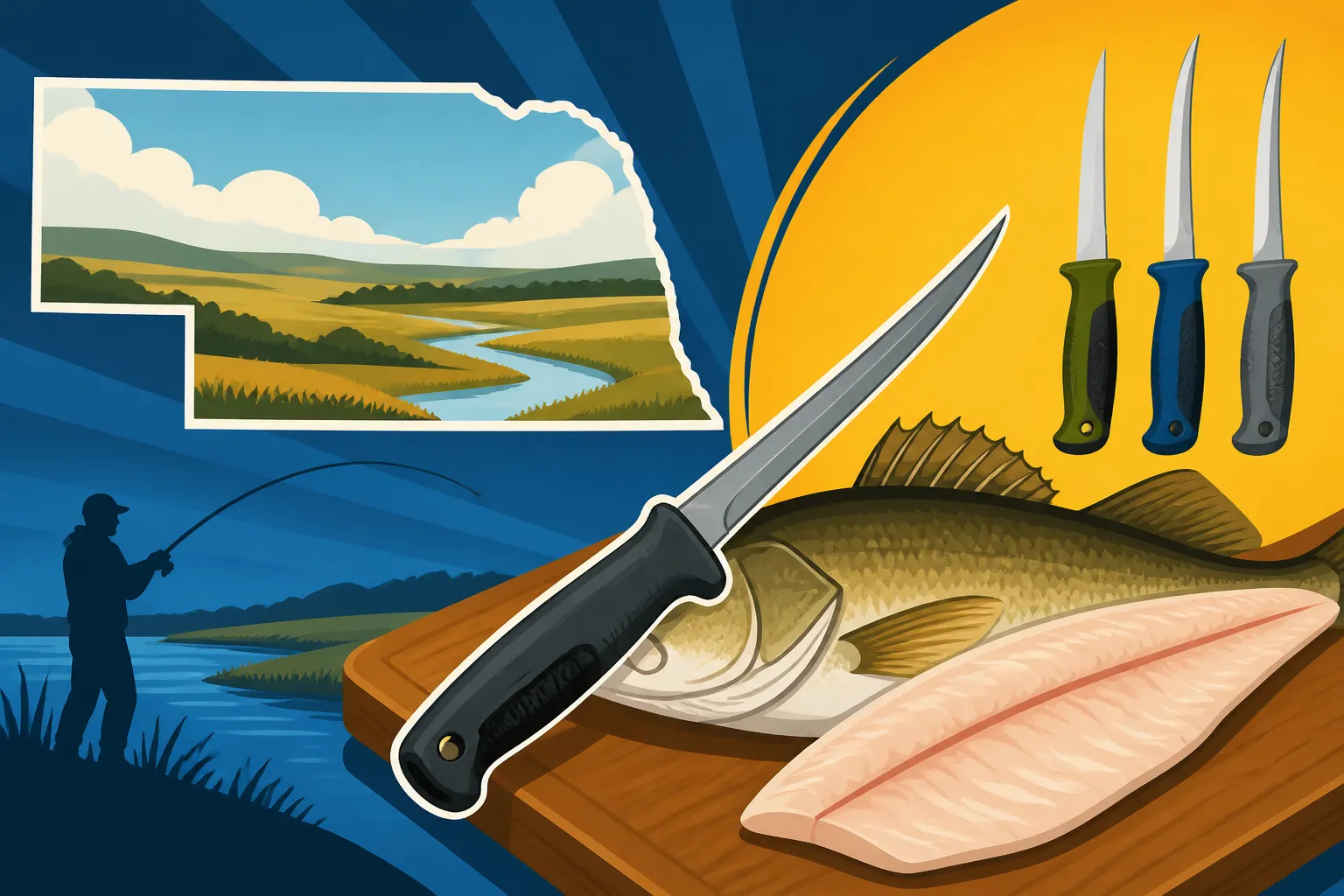
For walleye and bass, a flexible blade, typically 7 to 9 inches long, is often the sweet spot. The flexibility allows the blade to easily follow the contour of the backbone and glide over the ribs, yielding a clean, boneless fillet. A sharp, thin blade is crucial for making those initial cuts behind the head and down the lateral line with precision. The finesse of a manual knife usually shines here, allowing you to "feel" your way around the bones, maximizing your meat recovery. If you're consistently catching a good number of these fish, consider a knife that is easy to resharpen quickly, as a razor edge is paramount for efficiency. Many anglers swear by specific blade profiles for walleye, often opting for a slightly narrower blade that offers maximum maneuverability. To truly master cleaning these species, check out our guide on How to Clean and Fillet a Walleye.
Catfish: Power and Durability
Nebraska's rivers and reservoirs are home to some impressive catfish, from channel cats to flatheads. These fish are known for their tough skin, robust bone structure, and often thicker bodies, which require a different approach than the more delicate walleye.
When tackling catfish, you'll want a knife that offers more power and durability. An electric fillet knife can be a godsend for larger catfish due as they can power through tough skin and bones with ease, significantly reducing the physical effort involved. If you prefer a manual knife, opt for one with a stiffer blade, often 9 to 12 inches or longer, especially for those trophy-sized flatheads. The longer, stiffer blade provides the leverage and strength needed to make long, deep cuts through thick flesh and handle the tougher skin. Blade material that holds a good edge through repeated use is also important here, as catfish slime and tough skin can dull a lesser blade quickly. Many anglers also find that a wider blade at the base can help in initial cuts and when separating the fillet from the rib cage. For a deep dive into cleaning these formidable fish, our article How to Clean and Fillet a Channel Catfish is an excellent resource.
Crappie and Panfish: Finesse and Control
Sometimes, the most enjoyable days are spent filling a bucket with panfish – crappie, bluegill, and perch. While they may be small, they offer incredibly delicious fillets, provided you can get them off the bone efficiently. This is where finesse and precise control become absolutely essential.
For crappie and other panfish, a shorter, highly flexible blade, typically 4 to 6 inches long, is your best friend. The smaller size allows for incredibly delicate work, navigating the small, intricate bone structures of these fish. A manual knife is almost always preferred here, as the control it offers is unmatched for maximizing yield on such small fish. The thin, flexible blade should be able to bend easily to hug the tiny rib bones, ensuring you don't leave much meat behind. Keeping this knife razor-sharp is especially important, as dullness on such small fish will lead to frustration and wasted meat. Some anglers even prefer a "needle-nose" style blade for panfish, which is very narrow at the tip for ultimate precision. It truly takes a specialized tool to make quick, clean work of a pile of panfish, turning what could be a tedious task into a quick and rewarding one.
Maintaining Your Fillet Knife for Peak Performance
Even the best fillet knife in the world won't stay "best" for long if you neglect its care. Proper maintenance, including regular sharpening, thorough cleaning, and safe storage, is crucial for preserving your knife's edge, extending its lifespan, and ensuring it's always ready for your next big catch.
Keeping Your Edge: Sharpening Techniques
A sharp knife is a safe knife, and it's certainly a more effective knife. Unfortunately, blades will dull over time with use, no matter how high the quality. Learning how to sharpen your fillet knife properly is a fundamental skill for any angler.
There are several methods for sharpening, each with its own advantages:
- Whetstones (Sharpening Stones): These are perhaps the most traditional and versatile sharpening tools. They come in various grits, from coarse for repairing damaged edges to fine for honing a razor-sharp finish. Using a whetstone requires a bit of practice to maintain a consistent angle, but once mastered, it can produce an incredibly keen edge. Many experienced anglers find this method gives them the most control over the sharpening process.
- Pull-Through Sharpeners: These devices are popular for their ease of use. You simply pull the blade through a V-shaped slot, which contains sharpening rods or wheels set at a predetermined angle. While convenient for quick touch-ups and for beginners, they may not offer the same level of precision or edge refinement as whetstones, and can sometimes remove more material than necessary if not used carefully.
- Electric Sharpeners: These are automated versions of pull-through sharpeners, using powered abrasive wheels. They can quickly restore an edge, but like manual pull-throughs, consistency in angle can be an issue with some models, and they might not be suitable for very flexible fillet blades without practice.
Regardless of the method, consistency in maintaining the correct sharpening angle is key. Most fillet knives are sharpened at an angle between 15-20 degrees per side. Regular, light honing after each use or cleaning session will keep the edge keen and reduce the need for more intensive sharpening sessions. A dull knife is not just frustrating; it's dangerous, forcing you to exert more pressure and increasing the risk of slips. For more detailed advice, you might find our guide Electric Fillet Knife Versus Manual Fillet Knife helpful for understanding blade characteristics.
Cleaning and Rust Prevention
Fish guts, slime, and blood are highly corrosive and can quickly tarnish or even rust your blade if not properly cleaned. After every use, a thorough cleaning is non-negotiable.
Immediate Cleaning: As soon as you finish filleting, rinse your knife under running water to remove all fish residue. Use a mild dish soap and a sponge or brush to meticulously clean both the blade and the handle. Pay special attention to any crevices where grime might accumulate, especially on electric knife blades or around the handle rivets of a manual knife.
Drying: This is a critical step for rust prevention. Completely dry your knife with a clean towel immediately after washing. Air-drying might seem convenient, but it can leave water spots that lead to corrosion, especially on stainless steel blades over time. For an extra layer of protection, especially for high-carbon steel blades, you can apply a light coat of food-grade mineral oil to the blade before storing it.
Electric Knife Specifics: For electric knives, always detach the blades from the motor handle before cleaning. The blades can be washed and dried like manual blades. The motor handle itself should typically only be wiped down with a damp cloth, never submerged in water. Always check the manufacturer's instructions for specific cleaning guidelines for your model to prevent damage.
Safe Storage Practices
Proper storage is as important for your knife's longevity as it is for your safety. A loose, unprotected fillet knife in a tackle box or drawer is an accident waiting to happen.
Sheaths Are Essential: Always store your fillet knife in its dedicated sheath. This protects the blade from getting nicked or dulled by other tools and, more importantly, prevents accidental cuts to yourself or others. Ensure the sheath is clean and dry before inserting the knife.
Designated Storage: Keep your fillet knives in a designated, secure spot. This could be a knife block, a magnetic strip on the wall (if you have a dedicated cleaning station), or within your tackle box in a compartment where it won't shift around. Avoid simply tossing it into a drawer with other utensils, as this can damage the blade and poses a safety risk.
Consider a Cleaning Station: For serious anglers, setting up a dedicated Best Fish Cleaning Station Setup at Home can revolutionize your post-fishing routine. Such a station often includes proper knife storage, a sturdy surface, and easy access to water, making cleaning and storing your knives an integrated, efficient process. This helps ensure your valuable tools are always in top condition and ready for the next time you hit the water.
Where to Acquire Your Fillet Knife
So, you're convinced you need a quality fillet knife (or maybe an upgrade!), but where do you actually go to get one? Luckily, there are plenty of options, from local shops where you can get hands-on advice to vast online marketplaces with endless choices.
Local Sporting Goods Stores and Bait Shops
There's a lot to be said for buying your gear from a local business. Walking into a sporting goods store, like a Bass Pro Shops, or your neighborhood bait shop gives you the immediate advantage of being able to physically handle different knives. You can feel the grip of the handle, assess the balance, and get a real sense of the blade's length and flexibility. This hands-on experience is invaluable, especially when you're trying to find a knife that feels just right in your hand.
Beyond the tactile experience, local shops often have knowledgeable staff who are fellow anglers. They can offer personalized recommendations based on the types of fish common in Nebraska waters, local preferences, and even demonstrate proper sharpening techniques. You can ask about the durability of certain brands or specific features that might be beneficial for, say, processing a limit of Nebraska Crappie Daily Limit. Plus, supporting local businesses helps keep the fishing community vibrant. While you might not find every single model available, the ability to "try before you buy" and get expert advice can often outweigh the convenience of online shopping.
Online Retailers and Specialty Shops
The internet, of course, opens up a world of virtually limitless options. Major online retailers like Amazon offer an enormous selection of fillet knives from countless brands, often at competitive prices. You can browse through hundreds of models, read user reviews, and compare features side-by-side from the comfort of your home. This is particularly useful if you have a specific brand or model in mind, or if you're looking for specialized knives that might not be available in smaller local shops.
Online specialty fishing tackle shops are another fantastic resource. These sites often focus exclusively on fishing gear, providing detailed product descriptions, educational content, and sometimes even videos demonstrating the knives in action. While you miss out on the physical touch, the depth of information and the sheer variety can be incredibly beneficial. When shopping online, pay close attention to blade length, material descriptions, handle design details, and whether a sheath is included. Also, take advantage of customer reviews – real-world feedback from other anglers can provide valuable insights into a knife's performance and durability. Just remember to double-check return policies in case the knife doesn't meet your expectations once it arrives.
Disclaimer
This article is for general informational purposes only and does not constitute professional advice. Laws, prices and regulations vary by location and change over time. Consult a qualified professional for guidance on your specific situation.