Largemouth Bass Fishing in Nebraska
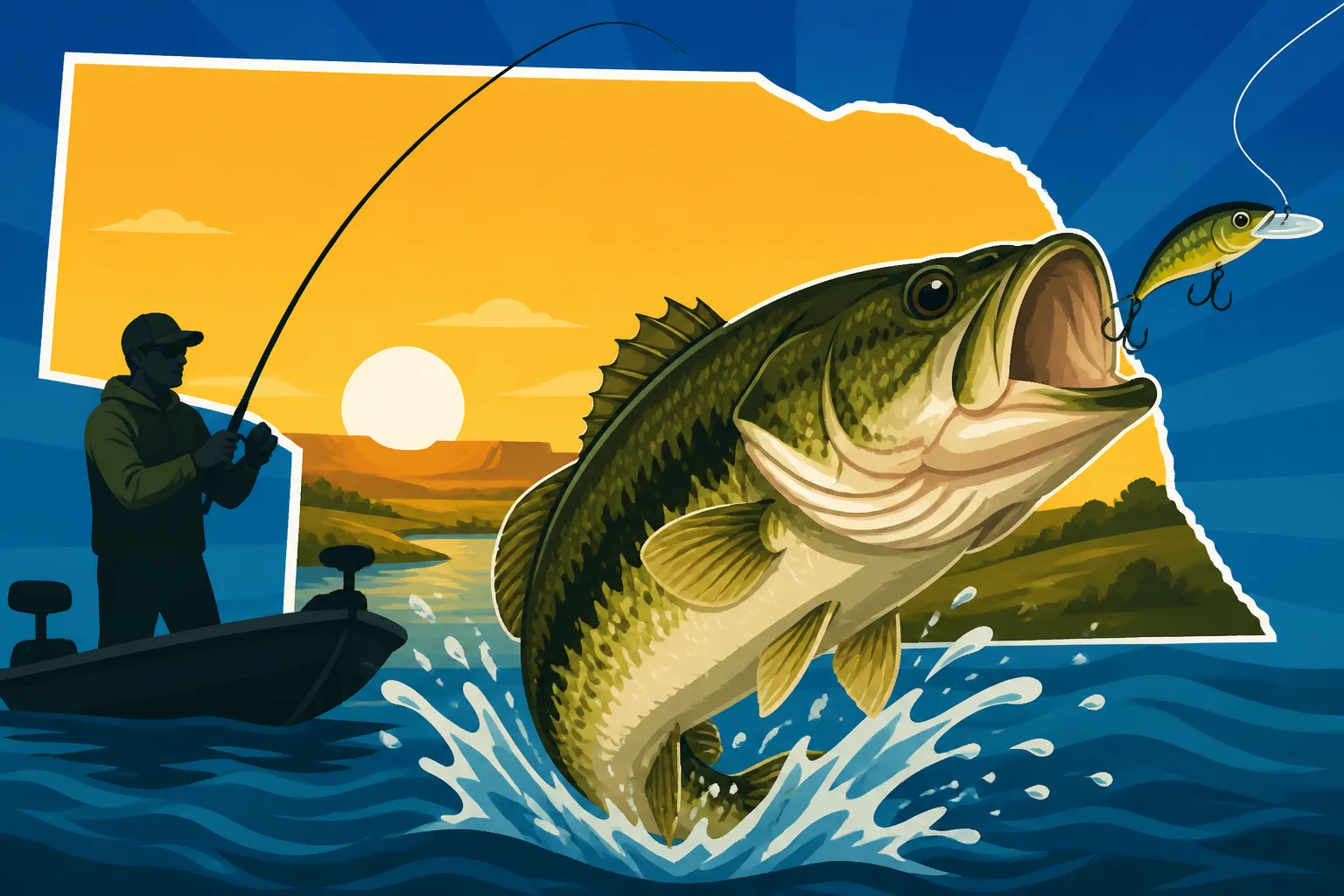
Few fish can get an angler's heart pounding quite like a largemouth bass. That explosive strike, the acrobatic jumps, the powerful dives into cover—it’s pure adrenaline. But if you’ve spent time trying to coax these elusive green fish out of Nebraska’s diverse waters, you know it can be a real head-scratcher. One day they're biting everything in sight, the next they vanish like ghosts. This comprehensive guide is here to unravel the mysteries of largemouth bass fishing in Nebraska, from understanding their habits to mastering techniques and finding the best spots, helping you turn those frustrating days into memorable catches.
Understanding Nebraska's Largemouth Bass
Before you can consistently catch largemouth bass, you need to understand the creature itself. Knowing their physical traits, preferred hangouts, and dinner preferences across the seasons is like having a secret weapon in your tackle box. It allows you to anticipate their moves rather than just reacting.
Physical Characteristics and Identification
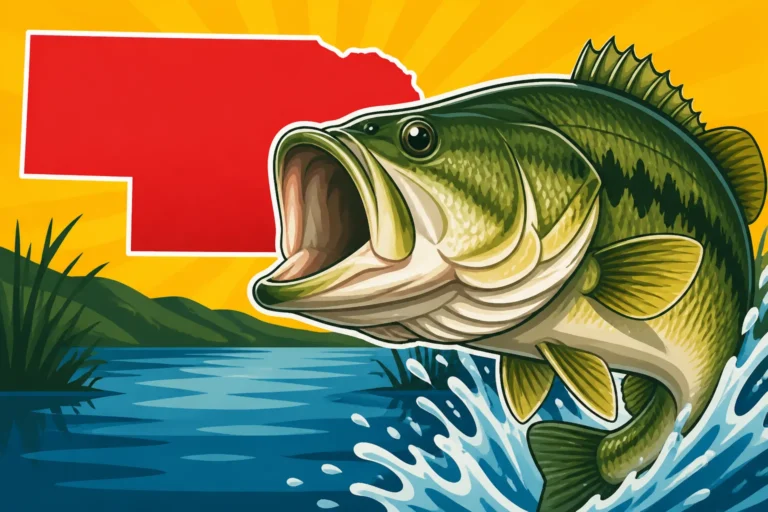
The largemouth bass ( Micropterus salmoides) is arguably the most iconic freshwater game fish in North America, and for good reason! In Nebraska, these fish are easily recognizable by their dark, irregular horizontal stripe or blotches running along their flanks. Their back is typically a darker green, fading to lighter green or white on their belly. The most defining characteristic, as the name suggests, is that large mouth. When closed, the corner of their jaw extends well beyond the back of their eye, a key identifier if you’re trying to distinguish them from their smallmouth cousins.
While Nebraska might not be known for world-record behemoths like some southern states, our waters consistently produce impressive largemouths. Many anglers regularly pull in bass weighing a few pounds, and trophy-sized fish pushing five to eight pounds are certainly not uncommon, especially in well-managed lakes and ponds. The Nebraska State Record Largemouth Bass Weight is a testament to the potential our waters hold. These fish have a robust, muscular build, designed for explosive short bursts of speed and incredible fighting power, making them a thrilling catch on any tackle. Their sleek, streamlined bodies allow them to navigate dense cover with ease, which is exactly where you’ll often find them ambushing prey.
Preferred Habitats in Nebraska
Largemouth bass are ambush predators, and their habitat choices reflect this. They love structure and cover – anything that provides shade, concealment, or a good ambush point. In Nebraska, this means you'll find them in a variety of places, depending on the type of water body.
In our larger reservoirs and lakes, like Branched Oak Lake or Pawnee Lake, you'll want to target areas with submerged timber, rock piles, old roadbeds, and especially healthy weed beds. Think about standing cedar trees or flooded brush along creek channels that once fed the lake; these are magnets for bass. Riprap along dam faces or bridge abutments also provides excellent rocky cover and attracts baitfish, making it a prime bass hangout. Docks, especially those with pontoons or thick pilings, cast shadows and offer overhead cover, making them excellent places to flip a jig or pitch a Texas-rigged worm. Bass also use changes in depth, known as contour lines, to their advantage, often relating to points, humps, or sharp drop-offs where they can move up to feed or retreat to deeper, cooler water.
Farm ponds and smaller community lakes are often bass factories. These smaller waters typically have an abundance of shoreline cover: overhanging trees, fallen logs, cattail edges, and patches of lily pads. Bass in these environments often cruise the entire perimeter, looking for easy meals. The shallower nature of many ponds means temperature and oxygen levels can fluctuate more rapidly, so bass might seek out deeper pockets or areas with groundwater springs during extreme heat or cold. Understanding How to Catch Largemouth Bass in Farm Ponds is a unique skill that can lead to some incredible fishing.
Even in our river systems, like the Platte River, you can find largemouth bass, particularly in slower-moving backwaters, oxbow lakes, and quiet sloughs off the main channel. These areas often have abundant woody debris, emergent vegetation, and softer bottoms where bass can thrive away from the stronger currents preferred by smallmouth bass or catfish. The key is to look for calmer water with plenty of places for them to hide and ambush baitfish.
Diet and Feeding Habits
Largemouth bass are opportunistic carnivores with a diverse palate. Their diet in Nebraska waters is heavily influenced by what’s available, and it changes throughout the year as different prey species become abundant or vulnerable. In general, they're looking for anything that fits in their mouths.
Their primary food source often includes various species of baitfish like shad, minnows, juvenile panfish (crappie, bluegill, perch), and even smaller bass. If you've ever seen a bass spit up a half-digested shad, you know just how much they love them. Crawfish are another huge staple, especially in rocky or hard-bottomed areas. These crustaceans are protein-packed and a favorite meal, particularly after a recent molt when their shells are soft. Frogs, lizards, snakes, and even small rodents or birds that fall into the water can become part of a bass's diet, especially for larger, more aggressive fish. In heavily vegetated areas, insects and their larvae can also play a role, though they’re typically less significant than larger prey.
Their feeding habits are highly seasonal. In spring, as water temperatures warm and bass prepare for the spawn, they become incredibly aggressive, trying to pack on calories. They’ll actively hunt in shallower water. During the heat of summer, their metabolism might slow down during the day, pushing them into deeper, cooler water, or causing them to feed primarily during low-light conditions like dawn, dusk, or even at night. In fall, a significant "feeding frenzy" often occurs as bass stock up for the lean winter months. They become very active, chasing schools of baitfish in preparation for a Winter Fishing in Nebraska slowdown. Understanding these changes in their diet and behavior is crucial for selecting the right lures and presentations at the right time of year.
Best Fishing Spots for Largemouth Bass in Nebraska
Nebraska might not have the sprawling natural lakes of Minnesota or the deep, clear impoundments of the Ozarks, but what we do have are incredibly productive waters for largemouth bass. From vast reservoirs to hidden farm ponds, there’s a bass haven waiting for you.
Major Reservoirs and Lakes
When most Nebraskans think about serious bass fishing, several large reservoirs come to mind. These bigger bodies of water offer diverse habitats and the potential for true trophy fish, but they also require a bit more strategy to pinpoint the bass.
Branched Oak Lake, located near Lincoln, is often considered one of Nebraska’s premier largemouth bass fisheries. It’s a large lake with a mix of submerged timber, rocky points, riprap, and extensive weed beds in its shallower arms. Anglers often find success working plastic worms and jigs around the numerous flooded trees and brush piles, especially in the creek channels that wind through the lake. During the spring, the northern coves and flats can be hot as bass move in to spawn. Later in the year, look for them holding tight to deeper timber or on main lake points. If you're looking for a detailed guide, check out Branched Oak Lake Fishing Guide.
Pawnee Lake, also near Lincoln, is another excellent choice, offering similar habitat to Branched Oak with plenty of cover. It's known for its consistent bass population, and anglers often do well with spinnerbaits and crankbaits covering water, or flipping jigs into the dense brush. Both of these lakes can be fantastic spots for a full day of targeting bass.
Further west, Harlan County Reservoir is mostly known for walleye, but its numerous coves, flooded timber, and rocky shorelines can hold some impressive largemouth bass, especially in the upper reaches of the lake where river flow creates more backwater areas.
Don't overlook the Fremont Lakes State Recreation Area Fishing. This complex of sandpit lakes offers clear water and abundant vegetation, making it a great spot for targeting bass with clear water techniques like drop-shotting or finesse worms. Each lake has its own unique characteristics, some with very deep pockets and others with extensive shallow weed flats, providing a variety of bass fishing opportunities.
Farm Ponds and Smaller Water Bodies
This is where Nebraska truly shines for many bass anglers! Our state is dotted with countless farm ponds and smaller community lakes, many of which are absolute gems for largemouth bass. These waters often receive less pressure than the big reservoirs and can hold surprisingly large fish.
The beauty of farm ponds is their accessibility and the sheer volume of fish they can produce. Bass in these ponds are often less wary and more predictable. Look for ponds with healthy aquatic vegetation, downed trees, old tires, or any other structure that provides cover. The entire perimeter of a pond is essentially "shoreline cover," so walking and casting to every nook and cranny is a highly effective strategy. Topwater lures like poppers and frogs can be incredibly exciting in these smaller, weed-filled waters, especially during early morning or late evening. Plastic worms, creature baits, and small spinnerbaits are also deadly.
Accessing farm ponds often requires asking permission from landowners, which is a common courtesy that can open up a world of fishing opportunities. A polite knock on the door or a phone call can often grant you access to incredible fishing that very few people experience. Remember to always respect private property and leave no trace behind. For more specific tactics, delve into How to Catch Largemouth Bass in Farm Ponds. These smaller waters are also fantastic for introducing kids to fishing, as the action can often be fast and furious, building confidence and excitement.
River Systems and Backwaters
While the fast-flowing main channels of rivers like the Platte or Missouri are more synonymous with catfish or smallmouth, largemouth bass definitely inhabit the quieter sections and associated backwater areas. Think of these as hidden pockets of bass potential.
On larger rivers, seek out oxbow lakes, stagnant sloughs, and protected coves where the current is minimal or nonexistent. These areas often feature abundant woody debris, submerged logs, and emergent vegetation like lily pads or cattails, creating perfect largemouth habitat. The bass here tend to be territorial and will hold tight to cover, ambushing anything that swims by. Flipping jigs, pitching Texas-rigged plastics, or working weedless frogs over mats of vegetation are highly effective tactics in these environments.
The Platte River, for example, has numerous side channels and backwaters that can be explored, particularly during periods of stable water levels. While you might need to do some walking or have a small jon boat or kayak to access them, the reward can be unpressured bass. Smaller tributaries or creek mouths that feed into larger rivers can also concentrate bass, especially after rains when new food sources wash into the main system. These riverine bass often fight with incredible strength dueos to living in moving water, adding an extra thrill to the catch.
Seasonal Strategies for Nebraska Largemouth Bass
Largemouth bass are highly tuned to their environment, especially water temperature and daylight. Understanding how their behavior shifts with the seasons is the absolute key to consistent success in Nebraska. What works in April will likely fall flat in August, and vice versa.
Spring (Pre-spawn and Spawn)
Ah, spring! This is arguably the most anticipated time of year for bass anglers in Nebraska. As the ice melts and water temperatures begin to climb, largemouth bass shake off their winter sluggishness and move into shallower water, preparing for the spawn. This period is often broken down into pre-spawn and spawn.
Pre-spawn (water temps 45-55°F) sees bass migrating from their deeper wintering holes towards shallower spawning flats, creek channels, and points. They are hungry and aggressive, trying to pack on calories before the energy-intensive spawning process. This is prime time for big bites! Target transition areas—where deep water meets shallow—using lipless crankbaits, spinnerbaits, and medium-diving crankbaits to cover water and locate active fish. Jigs and creature baits fished slowly along the bottom can also be deadly when bass are still a bit sluggish but starting to feed. Look for early season weeds, emerging grass, or dark bottom areas that warm up faster.
As temperatures push into the spawn range (55-70°F), male bass move into very shallow water to fan out nests, followed by the females. They become highly territorial and protective. Sight fishing for bass on beds can be very effective, though it requires stealth and polarized sunglasses. Soft plastics like lizards, tubes, or craws pitched onto the bed can provoke a strike from a protective bass. Remember, these fish are vulnerable during the spawn, so practice ethical catch and release. After the females drop their eggs, they often retreat to slightly deeper water to recover, while the males stay to guard the fry. For more in-depth spring tactics, refer to our Spring Fishing in Nebraska guide.
Summer (Post-spawn and Mid-summer)
Summer fishing for largemouth bass in Nebraska can be both incredibly rewarding and incredibly challenging. The post-spawn period and the heat of mid-summer require adapting your approach significantly.
The post-spawn (water temps 70-75°F) sees bass recuperating from spawning, and they can be a bit lethargic. Females might be found in slightly deeper, cooler water, while males continue to guard fry. Focus on secondary points, submerged brush piles, and the edges of spawning flats. Topwater lures can be effective during low-light hours as bass begin to chase baitfish schools. Spinnerbaits and buzzbaits can also draw strikes from active fish.
As mid-summer heat sets in (water temps 75°F+), bass often retreat to their deeper summer haunts. They seek thermal refuge in cooler, deeper water, or they bury themselves deep within dense overhead cover like thick mats of lily pads, submerged timber, or docks with heavy shade. Your best bites will often come during the cooler parts of the day—early morning, late evening, or even at night. During the day, slow down your presentation. Flipping and pitching heavy jigs or Texas-rigged creature baits into the heart of dense cover can draw reaction strikes. Deep-diving crankbaits, Carolina rigs, and drop-shot rigs are excellent for targeting bass on offshore structure like humps, ledges, or deep points. Understanding Best Time of Day to Catch Bass in Hot Weather is crucial during this period. For more tips, check out Summer Fishing in Nebraska.
Fall (Feeding Frenzy)
Fall is a favorite season for many Nebraska bass anglers, and for good reason: the "fall turnover" and cooler water temperatures often kick off an aggressive feeding frenzy. As water temperatures start to drop (60-45°F), bass sense the impending winter and begin to gorge themselves, building up fat reserves.
This is a time when bass often become more nomadic, chasing schools of baitfish that are also actively feeding and moving. Look for bass schooling up on main lake points, creek channel bends, and along steep drop-offs. Crankbaits, especially those that mimic shad or other baitfish, are incredibly effective for covering water and triggering strikes. Spinnerbaits, jerkbaits, and swimbaits can also be lights-out during this period. Bass will often move shallower during sunny days, soaking up warmth, then retreat to deeper water as temperatures fall overnight.
Late fall, as water temperatures drop further, bass will typically move to classic deep wintering areas, often associated with vertical structure or deep cover. The bite slows down, but the fish you find can often be big. Slow-rolling spinnerbaits or fishing jigs and plastic worms on deep ledges can still produce. Fall fishing requires adapting to changing weather patterns, but the reward of a chunky, aggressive bass is well worth it. Learn more about techniques in Fall Fishing in Nebraska.
Winter (Slow and Deep)
Winter bass fishing in Nebraska is not for the faint of heart, but it can be surprisingly rewarding for those willing to brave the cold. As water temperatures drop below 45°F, bass become sluggish, and their metabolism slows dramatically. They typically move to their deepest, most stable wintering locations.
Look for bass relating to deep structure: river channels, submerged humps, bridge pilings, or deep timber. They will often suspend in schools over these areas or hold tight to the bottom. The key here is a slow, methodical presentation. Vertical jigging spoons, blade baits, or slow-fished jigs with small trailers can entice a strike. Finesse techniques like a drop-shot rig or a small shaky head fished painstakingly slowly can also be effective. The bites will often be subtle—a slight tick, a spongy feel, or just added weight—rather than the aggressive strikes of warmer months.
Patience is paramount in winter. You might not get many bites, but the fish you do catch are often some of the biggest and healthiest. When fishing through the ice for species like crappie or walleye, don't be surprised to hook a lethargic largemouth that was simply sharing the same deep basin. Always be mindful of ice safety, and dress warmly in layers. While less popular, Winter Fishing in Nebraska can be a truly peaceful and productive time if you know where to look and how to fish.
Top Techniques for Catching Largemouth Bass in Nebraska
Successfully catching largemouth bass consistently in Nebraska means having a diverse arsenal of techniques at your disposal. No single method works all the time, everywhere. The best anglers are adaptable, choosing the right presentation for the conditions and the mood of the fish.
Flipping and Pitching
Flipping and pitching are essential techniques for targeting largemouth bass that are holding tight to dense cover. This is close-quarters combat, often involving dropping a lure into tight spaces where bass ambush prey.
Flipping involves using a long rod (typically 7-8 feet) to swing a short length of line, pendulum-style, to drop a bait silently into an extremely tight target. You hold the lure, pull line from the reel, and then swing the lure out, releasing the line to control its fall. This allows for pinpoint accuracy in heavy cover like thick cattails, submerged brush piles, or beneath boat docks.
Pitching is a bit more of a controlled cast, where you let out a little more line and make a short, underhand swing to send the bait a bit further, still with a quiet entry. Both techniques are about stealth, precision, and getting the bait into untouched areas.
For these techniques, heavy-action rods, baitcasting reels spooled with heavy braided line (30-65 lb test), and stout hooks are crucial. Common baits include Texas-rigged soft plastics (creature baits, worms, craws) with heavy tungsten weights, or jigs with bulky trailers. The idea is to make a silent entry, let the bait penetrate the cover, and then work it slowly, feeling for that subtle thump of a bass. This is often an effective strategy during warmer months when bass seek the shade and cover.
Cranking and Trolling
Cranking and trolling are all about covering water and enticing aggressive reaction strikes from active bass. These techniques are great for locating fish over broader areas or when bass are dispersed.
Crankbaits are hard-bodied lures designed to dive to specific depths, mimicking baitfish. Squarebill crankbaits, with their wide, flat bills, are excellent for bouncing off shallow cover like rocks and timber, creating erratic deflections that trigger strikes. Medium-diving crankbaits are versatile for exploring depths from 5-15 feet, especially effective on points, humps, and along creek channels. Deep-diving crankbaits are crucial for targeting bass in deeper water (15-25+ feet) during summer or late fall, often bounced along ledges or deep breaks. Color choice is key, often matching local forage like shad, bluegill, or crawfish.
Trolling, while less common for bass than for walleye, can be effective on larger reservoirs, especially for locating schools of suspended bass or covering vast deep flats. This involves using your boat to slowly pull crankbaits or other lures at a specific depth and speed. It's often used when bass are scattered or when you're trying to figure out their depth preference. Both cranking and trolling benefit from a good fish finder to identify structure and baitfish.
Topwater Fishing
For sheer excitement, nothing beats a topwater bite! Topwater fishing involves using lures that float and are worked on the surface of the water, creating commotion that draws explosive strikes. This technique is often most effective during low-light conditions—dawn, dusk, or on overcast days—and typically in warmer water temperatures (above 60°F).
There’s a wide variety of topwater lures, each with a unique action. Poppers have a cupped face that "pops" and sprays water when jerked, mimicking a struggling baitfish or frog. Walk-the-dog baits, like a Heddon Super Spook or a Zara Spook, are retrieved with a rhythmic slack-line twitch that makes them sashay back and forth across the surface. Buzzbaits feature a propeller blade that creates a gurgling, sputtering commotion as they're reeled in. Frogs are weedless soft plastic lures designed to be worked over dense vegetation like lily pads and thick grass mats, where bass love to hide.
The thrill of topwater fishing comes from seeing the strike—a sudden explosion on the surface as a bass lunges at your lure. It’s an incredibly visual and heart-stopping way to catch fish. The key is often patience; let the lure sit for a moment after casting, then initiate action, and be ready for that explosive take! You can find a wide selection of these lures on Amazon.
Finesse Techniques
When the bite gets tough, or when bass are pressured or in clear water, finesse techniques often save the day. These are subtle, natural presentations designed to entice wary fish that might ignore more aggressive offerings.
The Texas rig is a classic for fishing soft plastics in cover, but a lighter version with smaller weights and hooks can be used in a finesse application.
The Shaky Head involves a jig head with a screw-lock keeper for soft plastic worms. It's fished by shaking the rod tip, causing the worm to "dance" on the bottom, mimicking a feeding or injured creature. It's incredibly effective for bass holding on rocky bottoms or subtle structure.
The Drop Shot rig suspends a soft plastic bait above a weight, keeping the bait in the strike zone longer. This is particularly effective for targeting suspended bass, fish on vertical structure, or when bass are lethargic.
The Neko Rig is a variation of a wacky rig, where a nail weight is inserted into one end of a straight worm, causing it to sink head-first with a natural, undulating action. This is fantastic for bass holding close to the bottom or subtle transitions.
Finesse techniques often require lighter line (fluorocarbon is preferred for its invisibility and sensitivity), lighter rods with more moderate actions, and a keen sense of feel. The bites are often very subtle, so attention to detail is paramount. Mastering these subtle approaches can unlock tough bites and land fish when other methods fail.
Essential Gear for Nebraska Largemouth Bass Anglers
Having the right tools for the job can make a huge difference in your success. While you don't need to break the bank to get started, investing in quality gear tailored for Nebraska largemouth bass fishing will enhance your experience and increase your catch rate.
Rods and Reels
Choosing the right rod and reel setup is fundamental for effective bass fishing. It largely depends on the techniques you plan to employ.
For baitcasting reels, which are ideal for heavier lures and precise casting, especially when flipping, pitching, or throwing larger crankbaits, you'll want a reliable model. A good baitcasting setup offers superior power and control for fighting big bass out of heavy cover. Medium-heavy to heavy power rods (6'6" to 7'6" in length) with fast actions are typical for jigging, Texas rigging, and crankbait fishing. For those starting out or looking for good options, consider something like Best Baitcasting Reels for Bass Fishing.
Spinning reels are generally better for lighter lures, finesse techniques, and beginners due to their ease of use and less prone to backlashes. A medium power spinning rod (6'6" to 7'0") with a fast action, paired with a 2500-3000 size spinning reel, is a versatile choice for throwing lighter soft plastics, small crankbaits, and topwater lures.
It's wise to have at least two different setups if you're serious about bass fishing: one for heavier, cover-oriented techniques (baitcaster) and one for lighter, open-water or finesse presentations (spinning). This allows you to quickly switch techniques without re-tying, adapting to changing conditions.
Lure Selection
This is where the fun really begins! The world of bass lures is vast, but focusing on a few key categories will cover most situations in Nebraska.
- Soft Plastics: These are incredibly versatile. Plastic worms (Senkos, stick baits, ribbon tail worms) are staples, effective when Texas-rigged, wacky-rigged, or on a shaky head. Creature baits (flukes, craws, lizards) mimic various forage and are excellent for flipping, pitching, or as jig trailers. The specific color can be critical; having a selection of natural greens, browns, and black/blue is a good starting point. Best Soft Plastic Worm Colors for Nebraska Ponds can give you specific ideas.
- Crankbaits: As discussed, these are crucial for covering water and targeting different depths. Have a selection of squarebills for shallow cover, medium divers for points and channels, and deep divers for offshore structure. Colors should mimic local baitfish or crawfish.
- Spinnerbaits and Chatterbaits: These excel in windy conditions or stained water, creating flash and vibration to attract bass. Single or double Colorado blades for vibration, or willow leaf blades for flash and speed.
- Jigs: Flipping jigs, casting jigs, and football jigs are all effective. Pair them with a soft plastic trailer to add bulk and action. Jigs are incredibly versatile and can mimic crawfish or baitfish depending on the trailer.
- Topwater Lures: Poppers, walk-the-dog baits, buzzbaits, and weedless frogs are essential for those thrilling surface strikes.
Having a diverse range of Best Lures for Nebraska Bass will ensure you're ready for whatever conditions Nebraska throws your way.
Lines and Terminal Tackle
Your choice of fishing line and terminal tackle is just as important as your rod and reel. They are the connection between you and the fish, so don't skimp on quality.
- Fishing Line:
- Monofilament: Good all-around line, forgiving stretch, easy to cast. Great for topwater as it floats.
- Fluorocarbon: Nearly invisible underwater, excellent sensitivity, and sinks. Ideal for finesse techniques, crankbaits, and clear water.
- Braided Line: Extremely strong for its diameter, no stretch (incredible sensitivity), and great for cutting through vegetation. Perfect for flipping, pitching, and heavy cover situations. Often used with a fluorocarbon leader.
- Hooks: You'll need various types and sizes. EWG (Extra Wide Gap) hooks are popular for Texas rigging worms and creature baits. Offset hooks are also common. Straight shank hooks are good for flipping in heavy cover. Always match your hook size to your bait.
- Weights: Bullet weights (lead or tungsten) are essential for Texas rigging. Carolina rig weights and drop shot weights are also needed for their respective techniques. Tungsten is denser and more sensitive than lead but costs more.
- Swivels: Barrel swivels can prevent line twist, especially with crankbaits or spinnerbaits.
- Leaders: Many anglers use a fluorocarbon leader with braided mainline for the best of both worlds: strength and stealth.
Other Essential Equipment
Beyond the core fishing gear, a few other items will significantly improve your bass fishing experience and ensure you're prepared for a day on the water.
- Landing Net: A sturdy landing net, especially one with rubberized mesh to protect the fish's slime coat, is invaluable for safely landing larger bass and preventing lost fish at the boat or bank. You'll thank yourself when you land that five-pounder!
- Pliers/Hook Remover: Essential for safely removing hooks, especially treble hooks from crankbaits. A good pair of long-nose pliers can save your fingers from sharp hooks and a bass's toothy grin.
- Scale and Measuring Board: If you're tracking your catches or participating in local tournaments, a digital scale and a measuring board are necessary to accurately record your fish's weight and length.
- Tackle Management: A good tackle box, bag, or backpack is crucial for organizing your lures, hooks, weights, and tools. Having everything neatly organized means less time fumbling and more time fishing. You can find excellent tackle bags and boxes for every style of fishing on Amazon.
- Polarized Sunglasses: These are a game-changer! They cut glare on the water, allowing you to see submerged structure, weed lines, and even cruising bass, especially during the spawn.
- First Aid Kit: Always a good idea to have on hand for minor cuts or scrapes.
- Sun Protection: Sunscreen, a wide-brimmed hat, and protective clothing are vital for long days on the water under the Nebraska sun.
- Waders/Wading Boots: For accessing shallow river backwaters or walking the banks of ponds, good quality waders can keep you dry and comfortable. Consider Best Waders for River Fishing in Nebraska for serious bank or river anglers.
Nebraska Regulations and Conservation
As responsible anglers, it's our duty to not only enjoy the great fishing opportunities Nebraska provides but also to help conserve them for future generations. Understanding and adhering to regulations, practicing ethical handling, and being aware of environmental impacts are all part of the sport.
Size and Bag Limits
Nebraska, like all states, has specific regulations governing the harvest of game fish, including largemouth bass. These rules are put in place by the Nebraska Game and Parks Commission (NGPC) to ensure sustainable fish populations and quality fishing experiences.
While I can't give you exact numbers as they can change, you should always consult the most current Nebraska Fishing Guide or the NGPC website for the precise Nebraska Bass Length Limits and daily bag limits. Typically, these regulations might include a minimum length limit, meaning you must release any bass shorter than a certain size, or sometimes a slot limit, which allows you to keep fish below and above a certain size range but requires releasing fish within a "slot" to protect trophy-potential fish. Bag limits dictate the maximum number of bass you can keep in a single day. These rules often vary by water body, so what applies to a state recreation area lake might be different from a private pond or a specific reservoir. Ignorance of the law is never an excuse, so always be informed before you hit the water. You can find general information in Nebraska Fishing Regulations Explained.
Catch and Release Best Practices
Many bass anglers in Nebraska practice catch and release, especially for larger, older bass that are valuable spawners. If you choose to release your catch, doing so properly dramatically increases the fish's chances of survival.
Here are some best practices:
- Minimize Air Time: Keep the fish in the water as much as possible. If you must lift it for a photo, do so quickly and support its body horizontally. Avoid hanging large bass vertically by the jaw if possible, as this can damage their spine and internal organs.
- Wet Hands: Always wet your hands before handling a fish. Dry hands can remove the fish's protective slime coat, making it vulnerable to disease.
- Handle Gently: Grip the fish firmly but gently. If using a lip-grip, ensure it's not tearing the jaw. Avoid squeezing the belly area.
- Quick Hook Removal: Use pliers or a hook remover to quickly and carefully remove the hook. If the hook is deeply embedded, it might be better to cut the line as close to the hook as possible rather than tearing the fish's gills or throat. Circle hooks can often prevent deep hooking.
- Revive If Necessary: If the fish seems stressed or lethargic, hold it upright in the water, facing into a gentle current (if present), or move it back and forth to force water over its gills until it swims away strongly on its own.
- Avoid Hot Surfaces: Never lay a fish directly on hot boat decks or asphalt.
By following these simple steps, you're doing your part to ensure a healthy and thriving bass population. Learn more from Catch and Release Best Practices in Nebraska.
Aquatic Habitat and Invasive Species Awareness
Protecting Nebraska's aquatic ecosystems is crucial for the long-term health of our bass fisheries. This involves maintaining healthy habitats and preventing the spread of aquatic invasive species (AIS).
Healthy bass populations rely on clean water and robust habitats—things like submerged vegetation, woody debris, and stable shorelines. When fishing, be mindful of your impact: avoid littering, don't damage vegetation unnecessarily, and respect private property.
Aquatic invasive species, such as zebra mussels, Eurasian watermilfoil, or Asian carp, pose a significant threat to Nebraska's waters. These species can outcompete native fish for food, degrade habitat, and disrupt the entire food web. Preventing their spread is paramount. Always remember the "Clean, Drain, Dry" mantra for your boats, trailers, and fishing gear:
- Clean: Remove all visible aquatic plants, animals, and mud from your boat, trailer, and gear before leaving the water access.
- Drain: Drain all water from your boat, including the bilge, livewells, and motor, before leaving the access area.
- Dry: Allow your boat and gear to thoroughly dry before using it in another water body. If drying isn't possible, consider high-pressure washing.
You can learn more about specific threats and actions to take by looking into the Nebraska Aquatic Invasive Species Stamp requirements and general awareness efforts. By being diligent, we can all help protect the fantastic largemouth bass fishing Nebraska offers.
Disclaimer
This article is for general informational purposes only and does not constitute professional advice. Laws, prices and regulations vary by location and change over time. Consult a qualified professional for guidance on your specific situation.