Lewis and Clark Lake Fishing Guide
Lewis and Clark Lake presents a fantastic, yet sometimes daunting, opportunity for anglers. Its sheer size and the fact that it straddles two states can leave even seasoned fishermen wondering where to start, what regulations apply, and how to best tackle its diverse waters. This comprehensive guide is designed to cut through that confusion, providing you with everything you need to know to make your next fishing trip to Lewis and Clark Lake a resounding success.
Understanding Lewis and Clark Lake: A True Gem on the Border
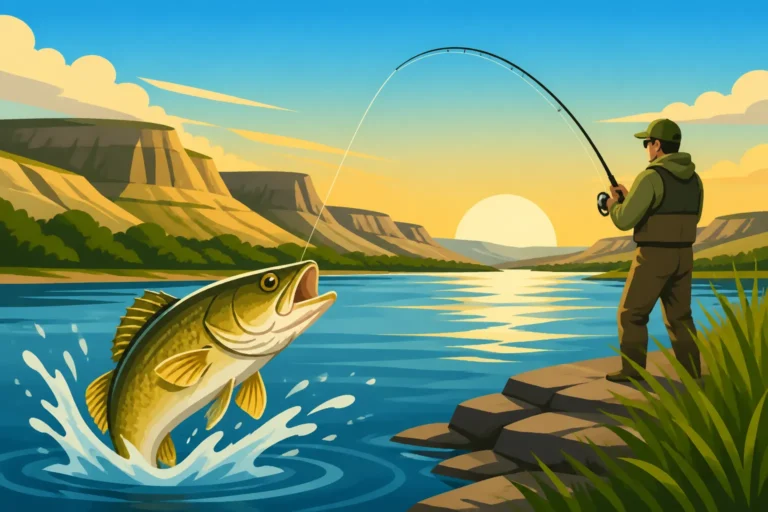
Nestled on the border between Nebraska and South Dakota, Lewis and Clark Lake isn't just a body of water; it's an experience. Formed by the Gavins Point Dam on the Missouri River, this sprawling reservoir offers over 25 miles of navigable water and boasts a surface area of approximately 31,400 acres. Its unique geography, with dramatic bluffs rising from the water on the Nebraska side and more gradual slopes on the South Dakota shore, creates a varied underwater landscape that appeals to a wide range of fish species. The lake's connection to the powerful Missouri River means it benefits from a robust ecosystem, ensuring a healthy and diverse fish population. It's a place where you can truly escape the hustle and bustle, whether you're chasing trophy walleye or just enjoying a peaceful day with a bobber and a worm.
Geographical Overview and Unique Features
Lewis and Clark Lake is a massive impoundment, stretching from the Gavins Point Dam near Yankton, South Dakota, upstream toward the community of Niobrara, Nebraska. The lake's depth varies significantly, from shallow bays and feeder creeks to deep main channels carved by the Missouri River. You'll find plenty of underwater structure, including old river channels, submerged timber, rock piles, and steep drop-offs, all of which provide excellent habitat for fish. The iconic chalkstone bluffs on the Nebraska side, particularly around Weigand-Burbach Recreation Area, are not only beautiful but also create interesting current breaks and cooler water pockets that can hold fish. These features make it a truly dynamic fishery, constantly offering new challenges and rewards to those willing to explore.
The lake itself is part of the Missouri National Recreational River, highlighting its significance beyond just fishing. This designation underscores the need for responsible recreation, ensuring that its natural beauty and ecological integrity are preserved for future generations. The inflows from the Niobrara and James Rivers, along with numerous smaller creeks, contribute nutrients and baitfish, further enriching the lake's productivity. Understanding these geographical nuances is key to unlocking the lake's fishing potential, as different species will congregate in different areas based on depth, current, and structure.
The Border Water Dynamic
One of the most crucial aspects of fishing Lewis and Clark Lake is understanding its unique border water regulations. Since the lake lies directly between Nebraska and South Dakota, both states have jurisdiction. However, they've established a reciprocal agreement that greatly simplifies things for anglers. If you possess a valid fishing license from either Nebraska or South Dakota, you are legally permitted to fish anywhere on the main body of Lewis and Clark Lake, regardless of which side you launch from or where you are on the water. This means no more worries about accidentally drifting into another state's waters and needing a separate permit.
This reciprocity extends to ice fishing as well, allowing for seamless angling throughout the year. However, it's vital to remember that this agreement typically only applies to the main lake. If you venture into tributary streams or rivers that are wholly within one state's boundary, or any areas upstream of the Highway 81 bridge near Yankton, you must possess the license for that specific state. For instance, fishing far up the Niobrara River strictly within Nebraska would require a Nebraska license, even if you launched from Lewis and Clark. Always double-check the latest regulations from the Nebraska Game and Parks Commission or South Dakota Game, Fish and Parks to ensure you're compliant. You can learn more about these specific rules in our detailed guide on the Missouri River Border Water Fishing License Rules and Lewis and Clark Lake License Reciprocity With South Dakota.
Top Fish Species to Target at Lewis and Clark Lake
Lewis and Clark Lake is a multi-species angler's paradise. While some lakes might be known for one dominant species, this reservoir boasts healthy populations of several highly sought-after game fish, ensuring there's always something biting. From the elusive walleye to the hard-fighting catfish and the prolific crappie, the lake truly offers something for everyone, whether you're a seasoned pro or taking the kids out for their first fishing adventure.
Walleye: The King of Lewis and Clark
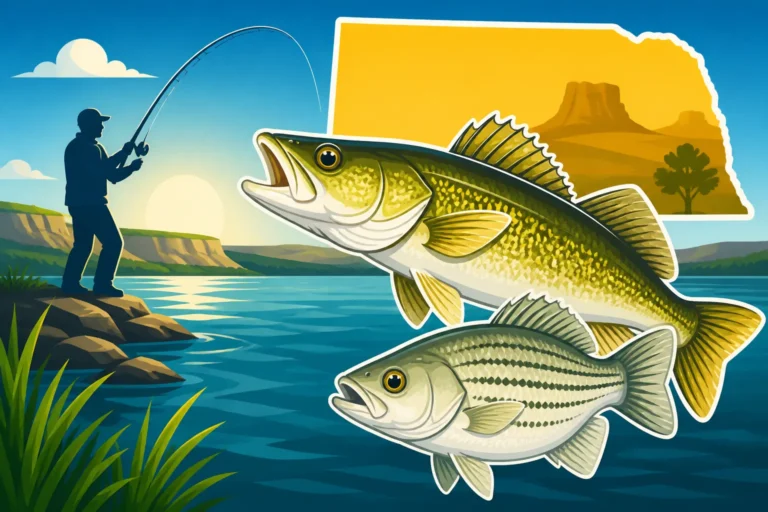
Without a doubt, walleye are the reigning kings of Lewis and Clark Lake. This highly prized game fish draws anglers from across the Midwest, and for good reason. The lake consistently produces good numbers of keeper-sized walleye, with plenty of opportunities to hook into a true trophy. They thrive in the lake's diverse environment, utilizing everything from deep main lake channels and submerged humps to rocky points and expansive flats. The health of the walleye population is a testament to the robust forage base, including gizzard shad, emerald shiners, and various perch species.
Successful walleye fishing on Lewis and Clark often involves a mix of techniques depending on the season and water conditions. During the spring, post-spawn walleye can be found shallower, often near rocky points and rip-rap, eager to feed. As summer progresses, they tend to move deeper, congregating around structure in the main river channel or on offshore humps. Trolling with crankbaits, jigging with live bait (like nightcrawlers or minnows), or using bottom bouncers with crawler harnesses are all highly effective methods. If you're really serious about these toothy critters, check out our guide on Lewis and Clark Lake Walleye Fishing for more in-depth strategies.
Catfish: Channel, Blue, and Flathead Opportunities
If you love the thrill of a powerful fight and the promise of a delicious meal, Lewis and Clark Lake's catfish population won't disappoint. The lake is home to three main species: channel catfish, flathead catfish, and occasionally, blue catfish. Channel cats are by far the most abundant and are found throughout the lake, from shallow bays to the main river channel. They're opportunistic feeders, readily biting on a variety of baits, making them a fantastic target for anglers of all skill levels. They provide consistent action and are excellent table fare.
Flathead catfish, the true heavyweights of the catfishing world, prefer live bait and can be found in deeper holes, around submerged timber, and along the main river channel. They're much more elusive but offer an incredible fight. While not as common as channels or flatheads, blue catfish are also present, especially closer to the Gavins Point Dam where the Missouri River's current is more pronounced. They can grow to immense sizes, offering the ultimate challenge. Whether you're casting chicken livers or stink bait from the bank for channels or drifting live sunfish for flatheads, Lewis and Clark provides ample opportunities for a fantastic catfishing experience. For a deeper dive into these powerful fish, don't miss our guide on Lewis and Clark Lake Catfish Fishing.
Crappie and Panfish: Family Fun and Frying Pan Delights
For those seeking consistent action and fantastic eating, Lewis and Clark Lake's crappie and panfish fishery is exceptional. Both black crappie and white crappie are present, with white crappie typically being more abundant. They love structure and can be found schooling around submerged brush piles, standing timber, and along rocky shorelines. Crappie are particularly active in the spring when they move into shallower waters to spawn, making them an easy target for shore anglers and boaters alike. Small jigs, minnows, or even tiny crankbaits are usually all it takes to fill a cooler.
Beyond crappie, the lake teems with other panfish species like bluegill, sunfish, and yellow perch. These smaller, but no less fun, fish are perfect for introducing kids to fishing. They bite readily on worms, small pieces of corn, or micro jigs under a bobber. Early mornings and evenings often provide the best panfish action. Look for them in calmer bays, around docks, and areas with submerged vegetation. They are a fantastic way to ensure everyone in the boat gets to experience the thrill of a bite, making for memorable family outings.
Sauger and White Bass: Other Exciting Catches
While walleye and catfish often steal the spotlight, Lewis and Clark Lake also offers exciting opportunities for sauger and white bass. Sauger, often mistaken for walleye due to their similar appearance, thrive in the lake's murkier, deeper sections, particularly near the main river channel and below the dam. They prefer current and can often be caught using similar techniques to walleye, such as jigging or trolling with crankbaits. They are excellent eating and provide a good fight. Anglers specifically targeting sauger often focus on the deeper, current-swept areas. You can learn more about these intriguing fish in our dedicated article on Lewis and Clark Lake Sauger Fishing.
White bass are another highly aggressive and hard-fighting species that provide incredible action, especially during their spring and summer runs. These schooling fish will often chase baitfish to the surface, creating spectacular feeding frenzies known as "boils." When you spot a boil, cast almost any fast-moving lure – Kastmasters, spoons, or small crankbaits – into the commotion, and you're almost guaranteed a strike. White bass are prolific and offer a fantastic opportunity for high-volume catches, making them a favorite for many anglers. They are also quite tasty, especially when prepared fresh.
| Fish Species | Prime Season | Typical Size Range | Preferred Bait/Lure (General) |
|---|---|---|---|
| Walleye | Spring, Fall, Ice | 15-25 inches, 2-8 lbs | Jigs, Crankbaits, Crawler Harnesses |
| Channel Catfish | Summer, Fall | 12-24 inches, 1-10 lbs | Stink Bait, Cut Bait, Worms |
| Flathead Catfish | Summer | 20-40+ inches, 10-50+ lbs | Live Sunfish, Large Minnows |
| Crappie | Spring, Fall | 8-12 inches, 0.5-1.5 lbs | Small Jigs, Minnows |
| Bluegill/Sunfish | Spring, Summer | 4-8 inches | Worms, Micro Jigs |
| Sauger | Spring, Fall, Ice | 12-18 inches, 1-3 lbs | Jigs, Small Crankbaits |
| White Bass | Spring, Summer | 10-15 inches, 0.5-2 lbs | Spoons, Spinners, Small Crankbaits |
Prime Fishing Spots and Access Points
Lewis and Clark Lake, with its impressive length and diverse shoreline, offers countless fishing opportunities. Knowing where to launch your boat, which areas are accessible from shore, and what kind of structure to look for can significantly improve your chances of success. It's not just about getting on the water; it's about getting to the right part of the water.
Popular Boat Ramps and Marinas
For boaters, Lewis and Clark Lake offers numerous well-maintained boat ramps and several marinas. On the Nebraska side, the Weigand-Burbach Recreation Area is a perennial favorite. It boasts multiple concrete ramps, ample parking, and easy access to excellent walleye and crappie habitat, particularly around the bluffs and points nearby. It's often busy, especially on weekends, but for good reason – it puts you right in the heart of some of the best fishing. Another great Nebraska option is the South Shore Recreation Area, offering more ramps and facilities, and providing access to different sections of the lake.
Over on the South Dakota side, the Gavins Point Recreation Area below the dam and the Miller Creek Recreation Area are popular choices. Gavins Point offers access to the tailwaters and the main lake, while Miller Creek provides good access to the eastern portion of the lake. These areas are strategic for targeting fish that prefer stronger currents or deeper water. Keep in mind that during peak seasons, boat ramps can get crowded, so arriving early, especially on weekends, is always a good strategy. Ensuring your boat is clean, drained, and dry before launching is also critical to prevent the spread of aquatic invasive species, a serious concern in the region. You can find more information about this in our guide on the Nebraska Aquatic Invasive Species Stamp Explained.
Shoreline Fishing Hotspots
Not everyone has a boat, and thankfully, Lewis and Clark Lake offers plenty of fantastic shore fishing opportunities. The jetties, public access areas, and state park shorelines are often teeming with anglers, especially in spring and fall. The jetties at Weigand-Burbach are legendary for walleye, crappie, and catfish, particularly during peak seasons. Anglers cast jigs, drift live bait, or set up with cut bait for catfish. The currents around these structures can be strong, drawing in baitfish and, subsequently, predators. You can dive deeper into specific bank fishing strategies at these locations with our article on Lewis and Clark Lake Jetty Fishing Spots.
Other excellent shoreline spots include the various day-use areas within the state recreation areas on both sides of the lake. These often have designated fishing piers, accessible banks, and picnic facilities, making them ideal for family outings. The calmer bays and coves can be excellent for panfish, while points extending into deeper water can hold walleye and bass. Even below the Gavins Point Dam, there are shore access points that can be fantastic for a variety of species, though currents can be very strong there.
Targeting Specific Structures
The key to consistent success on Lewis and Clark Lake, especially for walleye and larger catfish, is understanding and targeting specific underwater structures. The old Missouri River channel, which snakes its way through the lake, is a prime location. Fish often hold along the edges of this channel, especially where it meets humps or points. Submerged timber, particularly in the western parts of the lake where old trees were flooded, creates fantastic cover for crappie, bass, and flathead catfish.
Rocky points and rip-rap shorelines are magnets for baitfish and, consequently, walleye and smallmouth bass, especially during colder water periods. As water temperatures rise in summer, look for fish on deeper humps, ledges, and transition areas where hard bottom meets soft. Using modern electronics like a good fish finder is invaluable for identifying these structures. If you're focusing on walleye, learning How to Find Walleye on Deep Humps and Points can drastically improve your catch rate. Pay attention to changes in depth, bottom composition, and the presence of baitfish schools on your sonar. These details will guide you to where the fish are holding.
Effective Fishing Techniques for Each Season
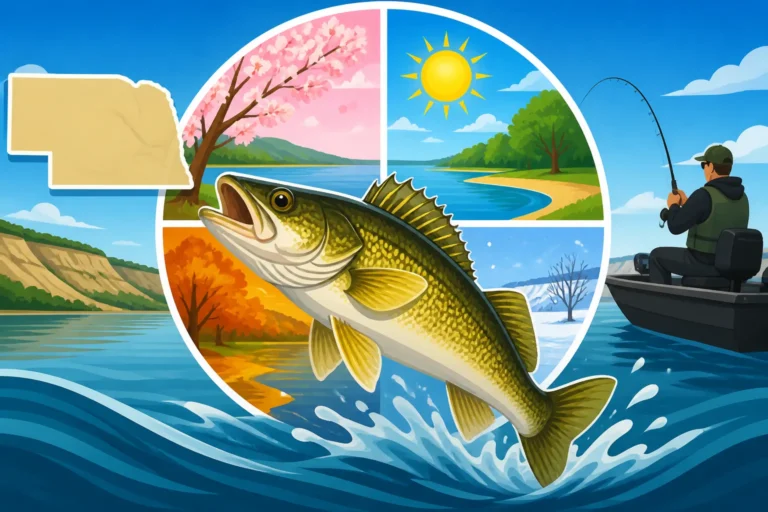
Lewis and Clark Lake is a year-round fishery, but successful angling hinges on adapting your techniques to the changing seasons. What works in the spring might be completely ineffective in the heat of summer, and vice-versa. Understanding fish behavior throughout the year is paramount to filling your livewell.
Spring Fling: Post-Spawn Action
Spring on Lewis and Clark Lake is an exciting time, especially after the ice has melted and water temperatures begin to rise. As the walleye complete their spawn, typically in late March to early April, they become incredibly active feeders. They'll move from deeper spawning grounds to shallower, warmer waters in search of an easy meal to recover their energy. Look for them around rocky points, rip-rap causeways, and the mouths of feeder creeks. Jigging with bucktail jigs tipped with a minnow or a plastic grub can be highly effective. Casting shallow-running crankbaits parallel to shorelines and over submerged rocks is another popular and productive method.
Crappie also become very active in the spring, moving into shallow bays and around brush piles to spawn. A small jig or a live minnow under a bobber fished near submerged timber or brush can lead to fast and furious action. Catfish, too, start to wake up as the water warms, making this a great time for bank fishing with stink baits or cut bait in slower-moving currents or warmer coves. The key in spring is to focus on shallower depths and areas with warming water, as these will hold the most active fish. For more on general springtime approaches, see our article on Spring Fishing in Nebraska.
Summer Sizzle: Deep Water Strategies
When the Nebraska summer really kicks in and water temperatures climb, many species, especially walleye, will retreat to deeper, cooler waters. This is the time for deep-water strategies. Walleye will often suspend over or near the main river channel, around offshore humps, and along steep breaklines. Trolling with deep-diving crankbaits or using bottom bouncers with long snells and crawler harnesses becomes incredibly effective. Covering water and finding those schools is key. Pay close attention to your fish finder to locate schools of baitfish, as predator fish will likely be nearby.
Catfish remain very active in the summer, and night fishing for them can be particularly productive. Large flatheads will be hunting in the deeper holes and around heavy timber in the main channel, while channel catfish will be found almost everywhere, from shallow flats at night to deeper structure during the day. Live bait like sunfish or large suckers are essential for flatheads, while cut bait, chicken livers, or prepared baits work wonders for channels. Early mornings and late evenings can also offer good shallow-water action for bass and panfish before the heat of the day drives them deeper.
Fall Colors, Hot Bites
Fall is arguably one of the best times to fish Lewis and Clark Lake. As water temperatures start to drop, many fish species enter a "feeding frenzy" mode, aggressively bulking up for the long winter ahead. Walleye fishing can be phenomenal, with fish moving back shallower in the mornings and evenings, and often suspending in deeper water during the day. Trolling with crankbaits, jigging, or using vertical presentations over structure are all excellent techniques. The bite can be less predictable than spring, but when you find them, the action can be intense.
Crappie fishing also experiences a resurgence in the fall, as they school up in larger numbers around submerged cover and deep brush piles. Small jigs or minnows remain effective. Catfish remain active, often schooling in deeper holes before the really cold weather sets in. This is a great time to target larger channel cats and flatheads with hearty baits. The lake is often less crowded than in summer, and the stunning fall foliage adds to the overall experience. Understanding the nuances of this season can lead to some truly memorable catches, as detailed in our guide on Fall Fishing in Nebraska.
Winter Chill: Ice Fishing Opportunities
When the harsh Nebraska winter descends, Lewis and Clark Lake transforms into a prime ice fishing destination. While the entire lake doesn't always freeze completely or safely, many bays and shallower areas, particularly on the Nebraska side, offer excellent hard-water opportunities. Walleye, crappie, perch, and even sauger are common targets through the ice. Small jigs tipped with minnows or waxworms, fished vertically, are the go-to technique. Using a flasher or a portable fish finder is highly recommended to locate schools and determine the depth they're holding at.
Safety is paramount when ice fishing. Always check ice thickness before venturing out, and be aware of areas with current, which can create thin spots. A minimum of four inches of clear, solid ice is generally recommended for safe foot travel. Investing in proper ice fishing gear, including an auger, a warm shelter, and safety equipment like ice picks, is essential. While the conditions can be challenging, the rewards of pulling a plump walleye or a stringer of crappie through the ice can be incredibly gratifying. For comprehensive information, consult our article on Nebraska Ice Fishing Safety Tips.
Essential Gear and Boat Considerations for Lewis and Clark Lake
Having the right gear is crucial for a successful and enjoyable fishing trip on Lewis and Clark Lake. Given its size and the variety of fish species, a versatile approach to your equipment is often best. From rods and reels to the type of boat you bring, thoughtful preparation can make all the difference.
Rods, Reels, and Line for Multi-Species Success
For most anglers targeting walleye, crappie, and even smaller catfish, a medium-light to medium power spinning rod, about 6 to 7 feet long, paired with a reliable spinning reel (size 2500-3000) is a great all-around setup. Spooling it with 6-10 lb test monofilament or braided line with a fluorocarbon leader will cover most situations. This combo offers enough sensitivity for delicate bites and sufficient backbone for handling decent-sized fish. You can easily switch between jigging for crappie, casting for walleye, or bobber fishing for panfish with this setup.
If you're specifically targeting larger catfish, especially flatheads or big channel cats in the current, you'll want to step up your gear significantly. A heavy-action baitcasting or spinning rod (7-9 feet) with a robust reel (size 4000-6000 for spinning, or a heavy-duty baitcaster) spooled with 20-50 lb braided line is advisable. This allows you to effectively cast heavy weights, absorb powerful runs, and muscle big fish out of cover. When considering your setup, remember that Lewis and Clark can produce some true giants, so don't skimp on quality. Our guide on Best Rod Setup for Nebraska Catfish offers more specific advice for heavy-duty angling.
Lures and Baits: Matching the Hatch
The vastness of Lewis and Clark Lake means a wide array of forage, and therefore, a wide variety of effective baits and lures. For walleye, common staples include jig-and-minnow combinations, plastic grubs on jig heads (particularly in bright colors for stained water), and a variety of crankbaits in different diving depths and colors. Shad patterns, perch patterns, and firetiger are often solid choices. When using a crawler harness, bright beads and a fresh nightcrawler are irresistible to walleye. You can learn a lot more about these choices in our guide to Best Bait for Nebraska Walleye.
Catfish anglers will find success with everything from prepared stink baits and chicken livers for channel catfish to fresh cut bait (shad or carp) for larger channels and blues. For trophy flatheads, live bait is almost always king – healthy sunfish, chub, or suckers are tough to beat. Crappie and panfish will readily hit small jig-and-plastic combinations, tiny spoons, or, perhaps most reliably, a small fathead minnow under a bobber. Having a diverse tackle box that includes a range of colors, sizes, and bait types will ensure you're prepared for whatever the fish are biting on any given day.
Boat Types and Features for Big Water
Lewis and Clark Lake is a large reservoir, and its exposed nature can mean challenging conditions, especially when the wind picks up. A sturdy, deep-V hull boat is highly recommended for navigating the sometimes choppy waters safely and comfortably. Walleye boats, multi-species boats, or even larger bass boats with good freeboard are popular choices. A reliable, powerful outboard motor is essential for covering distance and getting back to safety quickly if weather turns.
Beyond the engine, a quality trolling motor with GPS Spot-Lock capabilities can be a game-changer, especially for holding position over productive structure in windy conditions. Modern fish finders with side imaging and down imaging are invaluable for locating underwater structure and schools of fish. Given the expansive nature of the lake, having detailed mapping capabilities on your electronics will help you navigate and find those hidden gems. Don't forget all the necessary safety equipment; our article on Nebraska Boat Safety Equipment Requirements details what you need to have onboard. While smaller boats like jon boats can be used in calmer conditions or in protected bays, they might not be suitable for the main lake when the wind is blowing.
Regulations and Permits: Staying Legal on the Water
Navigating the rules and regulations of fishing can sometimes feel like a maze, especially on a border water like Lewis and Clark Lake. However, being informed is the first step to ensuring a worry-free and legal fishing experience. Nebraska has clear guidelines, and understanding them is essential.
Nebraska Fishing License Guide and Border Water Rules
The cornerstone of legal fishing in Nebraska is a valid fishing license. For residents and nonresidents alike, this permit allows you to cast your line in public waters across the state. As mentioned earlier, Lewis and Clark Lake has a special reciprocity agreement with South Dakota, meaning a valid license from either state is sufficient to fish the main body of the lake. However, you'll still need to ensure you've purchased the correct type of license for your residency status and duration. For example, a Nebraska 1-Day Fishing Permit might suit a short visit, while an Nebraska Annual Fishing Permit is better for regular anglers.
It’s always a good idea to carry your physical license or digital proof of purchase on your phone, as conservation officers can and do check. Additionally, specific stamps might be required depending on what you're targeting. For example, the Nebraska Aquatic Habitat Stamp Explained is required for most anglers and supports vital conservation efforts. Make sure you understand the nuances of these requirements by visiting the Nebraska Game and Parks Commission website or checking out our comprehensive Nebraska Fishing License Guide.
Daily Bag and Possession Limits
Beyond the license, adhering to daily bag and possession limits is critical for sustainable fishing and avoiding penalties. These limits are set for each species to ensure healthy fish populations for years to come. For popular species like walleye, crappie, and catfish, there are specific numbers of fish you can keep per day, and sometimes minimum or maximum length limits. For instance, there might be a slot limit on walleye, meaning fish within a certain size range must be immediately released.
These regulations can vary by lake and change periodically, so always consult the most current Nebraska Fishing Guide or the Nebraska Game and Parks Commission website before your trip. Knowing the Nebraska Walleye Daily Bag Limit or the Nebraska Channel Catfish Daily Limit for Lewis and Clark Lake is crucial. Misidentifying a fish or exceeding a limit, even unintentionally, can lead to significant fines. Always measure your fish carefully and release any that don't meet the legal requirements promptly and safely.
Aquatic Invasive Species Prevention
Lewis and Clark Lake, like many waters in the Midwest, is constantly under threat from aquatic invasive species (AIS) such as zebra mussels and Eurasian watermilfoil. These invaders can severely damage the ecosystem, impact fishing, and even clog waterways. Preventing their spread is a collective responsibility of every angler and boater. The mantra "Clean, Drain, Dry" is critical and legally enforced in Nebraska.
- Clean: Inspect your boat, trailer, and all fishing gear (nets, waders, lines) and remove any visible aquatic plants, animals, or mud before leaving the launch area.
- Drain: Pull your boat's drain plug and drain all water from your boat, livewell, bilge, and motor before leaving the ramp.
- Dry: Allow all equipment to thoroughly dry for at least five days before launching in another body of water. If drying isn't possible, wash with hot, high-pressure water.
Ignoring these steps can lead to severe penalties and, more importantly, irreversible damage to our precious fisheries. There are specific inspection stations, especially for boats coming from other states or certain high-risk waters, which may be required.
Planning Your Trip: Accommodation, Guides, and Local Tips
A successful fishing trip to Lewis and Clark Lake involves more than just knowing where to cast your line. Thoughtful planning regarding where you'll stay, whether to enlist expert help, and understanding local nuances can significantly enhance your experience.
Lodging and Camping Options
Lewis and Clark Lake is surrounded by excellent accommodation choices, ranging from rustic camping to comfortable cabins and motels in nearby towns. On the Nebraska side, the Weigand-Burbach Recreation Area offers numerous campsites, including those with electrical hookups, as well as several modern cabins that can be reserved in advance. The South Shore Recreation Area also provides camping facilities and easy access to the lake. These state recreation areas are fantastic for anglers who want to be right on the water and immerse themselves in the outdoor experience.
If you prefer a motel or hotel, the town of Yankton, South Dakota, just east of the dam, offers a wide range of options, from budget-friendly stays to more upscale accommodations. Yankton also has various restaurants, bait shops, and grocery stores, making it a convenient base camp. Further west on the Nebraska side, the small communities of Crofton and Niobrara offer more limited but often charming lodging options, perfect for those seeking a quieter retreat. During peak fishing seasons or major holidays, it's always wise to book your accommodations well in advance, especially for cabins or prime camping spots.
Hiring a Local Fishing Guide
For those looking to maximize their time on the water, especially if it's your first time fishing Lewis and Clark Lake, hiring a local fishing guide can be an invaluable investment. A professional guide possesses intimate knowledge of the lake's ever-changing conditions, fish patterns, and hot spots. They often provide all the necessary gear, bait, and tackle, taking the guesswork out of your trip. More importantly, they can teach you effective techniques and help you understand the nuances of this specific fishery, which can accelerate your learning curve for future solo trips.
You can find reputable guides specializing in walleye, catfish, or multi-species trips. Websites like FishingBooker are an excellent resource for finding experienced, licensed guides in the Lewis and Clark Lake area. They allow you to browse profiles, read reviews from other anglers, and book trips directly, ensuring you find a guide that matches your preferences and target species. Whether you're a beginner needing basic instruction or an experienced angler looking for an edge, a guide can turn a good day into a fantastic one. You'll often find guides ready to share tips and tricks, making for a truly educational experience. This is especially true when trying to figure out how to fish for a specific species like walleye, for which you can find more tips in our How to Fish for Walleye in Nebraska guide.
Best Times to Visit and Local Resources
While Lewis and Clark Lake offers year-round fishing, the "best" time to visit often depends on your target species and preferences. Spring (April-May) and Fall (September-October) are generally considered prime times for walleye, crappie, and often good for catfish, with moderate weather. Summer (June-August) is excellent for catfish, white bass, and recreational boating, though walleye fishing can be more challenging due to heat and depth. Winter (December-March) offers unique ice fishing opportunities, weather permitting.
Before you head out, always check the local weather forecast, as conditions on such a large body of water can change rapidly. Strong winds can quickly make the lake unsafe for smaller boats. Local bait and tackle shops in Yankton, Crofton, or Springfield (South Dakota) are fantastic resources for up-to-the-minute fishing reports, bait recommendations, and friendly advice. Don't be shy about asking the folks behind the counter; they're usually happy to share their knowledge. Websites for the Nebraska Game and Parks Commission and South Dakota Game, Fish and Parks also often provide current fishing reports and regulations specific to Lewis and Clark Lake.
Safety on the Water: Navigating Lewis and Clark Lake
Safety on any large body of water is paramount, and Lewis and Clark Lake is no exception. Its vastness and exposure to weather elements, combined with river currents, mean that anglers and boaters need to be prepared and vigilant. A fun day can turn dangerous quickly if precautions are overlooked.
Weather Awareness and Boating Safety
The most significant safety concern on Lewis and Clark Lake is often the weather. Being a large, open body of water, it's susceptible to strong winds that can quickly whip up dangerous waves, making navigation challenging, even for larger boats. Thunderstorms can develop rapidly, bringing lightning and heavy rain. Always check the forecast before heading out, and keep an eye on the sky and weather radar while on the water. If you see dark clouds, hear thunder, or feel a significant change in wind direction or speed, it's best to head back to shore.
Beyond weather, general boating safety is non-negotiable. Ensure you have enough Coast Guard-approved life jackets for everyone on board, and wear them, especially when underway or if conditions are rough. Children under 13 are required to wear a life jacket at all times while on a moving vessel in Nebraska waters. Have working navigation lights if you'll be out at dusk or dawn, a sounding device (horn or whistle), and a fully charged cell phone. File a float plan with someone on shore, letting them know where you're going and when you expect to return. Our guide on Nebraska Boat Registration and Fishing Rules further elaborates on these important safety items.
Navigational Hazards and River Currents
While Lewis and Clark Lake is generally deep and navigable, it's important to be aware of potential hazards, especially in areas closer to the Missouri River channel or in fluctuating water levels. Submerged sandbars, particularly around the mouths of feeder creeks or in shallower sections, can emerge or shift, posing a risk to propellers and lower units. Always consult up-to-date navigational charts and pay attention to marker buoys. If you're unfamiliar with an area, proceed with caution and keep your trim up.
The Missouri River currents, especially near the Gavins Point Dam, can be very strong. Boaters should exercise extreme caution in these areas, as the current can quickly push you into dangerous situations. Even in the main lake, currents can affect boat control and how fish position themselves. When fishing, be mindful of how the current is affecting your drift or lure presentation. Always maintain a safe distance from the dam structure itself, as there are restricted zones for boater safety.
Cold Water Safety and Ice Fishing Precautions
During the colder months, Lewis and Clark Lake presents specific safety challenges. Cold water immersion can lead to hypothermia rapidly, even in mild air temperatures. Always wear a life jacket when boating in cold water, as it provides flotation and some insulation. If fishing from shore, be aware of slippery banks and potential ice formation near the waterline.
For ice anglers, the risks are even more pronounced. Never assume the ice is safe. Factors like current, springs, sun exposure, and variable air temperatures can create vastly different ice thicknesses across the lake. Always go with a buddy, carry ice picks, and tell someone your plans. Avoid fishing alone, especially on first ice or late ice. A spud bar can be used to test ice thickness as you walk. Stay clear of river channels and areas with noticeable current. While ice fishing is a fantastic way to enjoy winter, prioritizing safety ensures you'll be back to tell your fish tales.
Disclaimer
Please remember that fishing regulations, conditions, and fish populations can change. Always consult the most current official Nebraska Game and Parks Commission and South Dakota Game, Fish and Parks regulations before heading out on Lewis and Clark Lake. This guide is for informational purposes only and should not be considered a substitute for official legal advice or personal judgment regarding safety.