White Bass Fishing in Nebraska
Many anglers in Nebraska find themselves in a bit of a rut, targeting the same familiar species year after year, perhaps missing out on one of the most exciting and accessible fishing opportunities our state has to offer. White bass, often overlooked, provide an incredible angling experience, known for their aggressive strikes and spirited fights. If you've ever felt frustrated by slow days or wished for more consistent action, this comprehensive guide will unlock the secrets to successful white bass fishing across Nebraska, from identifying these feisty fish to mastering the techniques that will have you reeling them in.
Why White Bass Are a Nebraska Angler's Dream Fish
Let's be honest, sometimes you just want to catch fish, and a lot of them! That's where white bass truly shine. They're not just a "filler" species; they're an incredibly fun and rewarding fish to target. Many seasoned anglers will tell you that few things compare to hooking into a hard-fighting white bass when the bite is on. They’re a fantastic resource, offering fast-paced action that can make even a slow day feel like a tournament.
The Thrill of the Fight and Schooling Behavior
There's something uniquely exhilarating about white bass. When you hook one, it's not just a subtle tug; it's often a solid thump, followed by a determined, head-shaking fight. These fish are known for their strong runs and refusal to give up easily, even on light tackle. What makes them even more thrilling is their schooling behavior. Unlike some solitary predators, white bass almost always travel in large groups. This means if you find one, you've likely found dozens, if not hundreds. This creates what anglers affectionately call a "white bass frenzy" or "blitz," where the water boils with feeding fish, and nearly every cast can result in a hook-up. Imagine a peaceful morning suddenly erupting into a flurry of activity as a massive school pushes baitfish to the surface – it's an unforgettable experience.
White Bass as Table Fare
Beyond the fight, white bass are excellent eating. Their firm, flaky white meat holds up wonderfully to various cooking methods. Many anglers consider them a top-tier panfish, right up there with crappie or walleye. Freshly caught white bass, quickly filleted and prepared, makes for a delicious meal, whether you prefer them fried, baked, or grilled. The abundance of white bass also means you can often keep a generous limit without feeling like you're impacting the population, providing plenty for a fish fry with family and friends. Just be sure to check the current Nebraska Fishing Daily Bag and Possession Limits before you head out, as these regulations are in place to ensure healthy fish populations for everyone.
Accessibility for All Anglers
One of the greatest appeals of white bass fishing in Nebraska is its accessibility. You don't necessarily need a fancy boat or expensive electronics to get in on the action. While boats certainly open up more opportunities, white bass are frequently caught from shore, especially during their spring spawning runs up rivers and creeks. They inhabit a wide range of waters, from large reservoirs to smaller lakes and major river systems. This makes them a fantastic target for beginners, families with kids, or experienced anglers looking for consistent action without a major investment in specialized gear. Just make sure you have your Nebraska Fishing License Guide sorted before your first cast!
Identifying White Bass: Know Your Target
Before you hit the water, it's crucial to confidently identify white bass. Nebraska waters are home to a few species that look similar, and knowing the difference isn't just about bragging rights; it's essential for complying with regulations, especially concerning hybrid striped bass (wipers) which often have different length and bag limits.
Key Distinguishing Features
White bass are members of the temperate bass family, and they share some common characteristics with their larger cousins, the striped bass. However, there are distinct features that will help you tell them apart:
- Body Shape: White bass typically have a deeper, more compressed body profile compared to the more torpedo-shaped striped bass or the beefier wiper. They are generally smaller, rarely exceeding 16-18 inches in Nebraska.
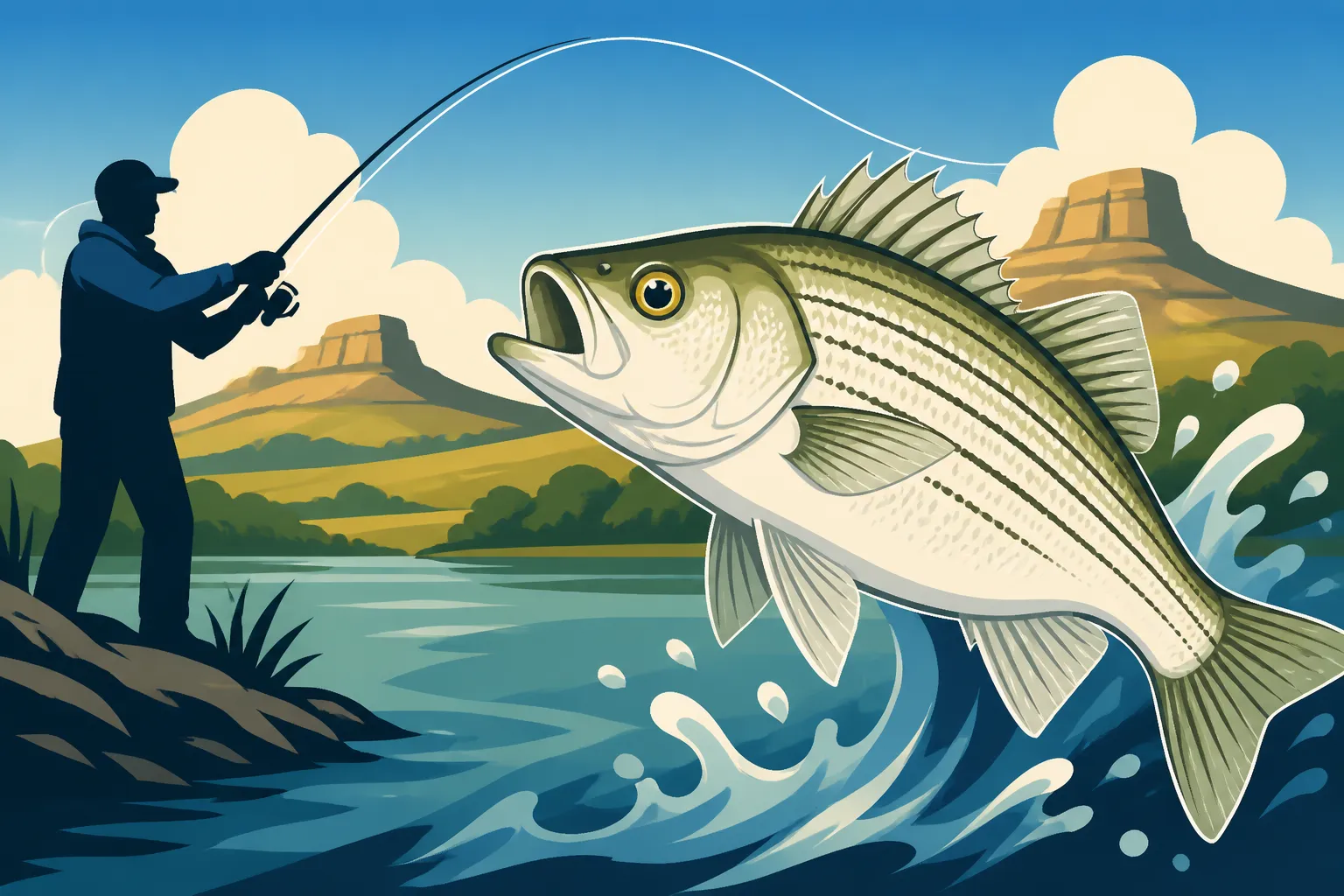
- Stripe Pattern: This is your primary identifier. White bass have several dark, horizontal stripes running along their silver-white sides. The key characteristic is that only one stripe on each side is continuous to the tail. All other stripes will be broken or faded, especially towards the rear of the fish.
- Dorsal Fins: They have two distinct dorsal fins, which is characteristic of the temperate bass family.
- Tongue Patch: If you're still unsure, gently open the fish's mouth and check its tongue. White bass typically have no tooth patch on their tongue, or at most, a very faint, single patch. This is a definitive way to tell them apart from wipers or pure striped bass, which will have distinct double tooth patches.
Knowing these features will help you quickly and accurately identify your catch, ensuring you're compliant with all Nebraska Fishing Regulations Explained.
Similar Species to Watch Out For (Wipers, Stripers)
It's common for anglers to confuse white bass with hybrid striped bass (also known as wipers) or, less commonly, pure striped bass, especially when the fish are smaller. Here's how to differentiate them:
- Wipers (Hybrid Striped Bass): These are a cross between a striped bass and a white bass, and they are incredibly popular in Nebraska, particularly in larger reservoirs. Wipers grow much larger than white bass and are notorious for their incredible fighting power. The main visual difference is their stripes: wipers will have multiple continuous, unbroken stripes running from head to tail. The stripes will often appear more defined and sometimes broken towards the tail, but not nearly as consistently broken as on a true white bass. Their body shape is also more robust and football-like than a white bass. You can learn more about these powerful fish in our guide on The Nebraska Wiper Hybrid Fish Explained and How to Catch Striped Bass and Wipers.
- Striped Bass: While present in some waters, pure striped bass are much less common in Nebraska than wipers. They are typically even more elongated and streamlined than wipers, with very distinct, unbroken horizontal stripes. They also grow to much larger sizes than either white bass or wipers. Again, the tooth patch on the tongue is a key differentiator – pure stripers will have two distinct patches.
When in doubt, it's always best to consult the official Nebraska Game and Parks regulations guide or a local expert.
| Feature | White Bass | Hybrid Striped Bass (Wiper) | Pure Striped Bass |
|---|---|---|---|
| Body Shape | Deeper, more compressed | Robust, football-like | Elongated, torpedo-shaped |
| Stripe Pattern | Only one continuous stripe per side; others broken/faded towards rear | Multiple continuous stripes per side; sometimes broken near tail but generally distinct | Multiple continuous, dark stripes per side; very distinct |
| Size | Smaller, generally under 18 inches | Larger, often 5-15+ pounds | Largest, can reach 20-50+ pounds |
| Tongue Patch | None or a very faint, single patch | Two distinct tooth patches | Two distinct tooth patches |
Top Nebraska Waters for White Bass Action
Nebraska might be landlocked, but it's far from short on incredible white bass fishing opportunities. From massive reservoirs to winding rivers, these feisty fish have found a home in many of our best angling destinations. Knowing where to go is half the battle, and some spots consistently produce exceptional white bass action.
Major Reservoirs and Lakes
Our larger reservoirs are often ground zero for incredible white bass fishing. These expansive bodies of water provide the open-water habitat, abundant baitfish, and depth that white bass thrive in.
- Lake McConaughy: Affectionately known as "Big Mac," this massive reservoir in western Nebraska is a legendary white bass fishery. The sheer size and amount of open water mean that schools can be vast. During the summer, they often roam the main lake basin, chasing shad. In spring, they push into bays and upstream areas. Lake McConaughy White Bass Fishing is an experience every angler should have. The key here is often to cover water and watch for surface activity.
- Harlan County Reservoir: Located in south-central Nebraska, Harlan is another powerhouse for white bass. This reservoir consistently produces large numbers of fish, especially during the spring and early summer months. The white bass here are aggressive and respond well to a variety of lures. Harlan County Reservoir Fishing offers great opportunities not just for white bass, but also for walleye and catfish, making it a truly multi-species destination.
- Sherman Reservoir: Nestled in the Loup River drainage, Sherman Reservoir is known for its excellent wiper and white bass populations. The many coves, points, and river channels provide excellent habitat. Anglers here often find success trolling or casting to schools that show up on their electronics. If you're looking for action, Sherman Reservoir Fishing is a strong contender.
- Lewis and Clark Lake: Straddling the Nebraska-South Dakota border, this Missouri River impoundment is a huge body of water offering fantastic white bass fishing. The diverse structure, from rocky points to submerged timber and expansive flats, provides ample opportunity. While famous for walleye, don't overlook the white bass, which can be found mixed in with other species.
- Branched Oak Lake: Near Lincoln, Branched Oak is one of the largest reservoirs in eastern Nebraska and offers solid white bass action, particularly during the warmer months. Look for them around main lake points, humps, and submerged timber.
- Johnson Lake: This central Nebraska powerhouse is another excellent white bass spot, with good numbers and often larger-than-average fish. It’s a favorite for many local anglers.
River Systems and Tributaries
While reservoirs get a lot of attention, Nebraska's rivers also offer phenomenal white bass fishing, especially during their annual spawning migrations.
- Platte River: During the spring, the Platte River system and its tributaries become magnets for spawning white bass. These fish move upstream from larger reservoirs and the Missouri River, seeking shallower, flowing water. Access points along the Platte can offer incredible bank fishing opportunities. Knowing How to Catch White Bass During the Spring Run is crucial here, as timing is everything. Our comprehensive Platte River Fishing Guide can help you find excellent access points.
- Missouri River: The "Big Muddy" itself holds a robust population of white bass, particularly in the slack water areas, wing dams, and confluence points with tributaries. The white bass here often relate to current breaks and structure. Missouri River Fishing in Nebraska offers a variety of species, and white bass are a consistent catch.
- Elkhorn River, Loup River: These tributaries of the Platte and Missouri can also see significant white bass runs in the spring, offering smaller, more intimate fishing experiences.
When planning your trip, consider checking local fishing reports or talking to bait shop owners, as white bass movements can be quite dynamic depending on water temperatures and flows.
Understanding White Bass Behavior: The Key to Consistent Catches
Catching white bass consistently isn't just about throwing a lure in the water; it's about understanding their habits, movements, and feeding patterns. These fish are highly adaptable but also predictable once you grasp their seasonal cycles and schooling tendencies. Think of them as nomadic predators, always on the hunt.
Seasonal Movements and Spawning Runs
White bass are highly migratory, with their movements dictated largely by water temperature and the urge to spawn.
- Spring (March-May): This is arguably the most anticipated time for white bass anglers in Nebraska. As water temperatures rise into the mid-50s to low 60s Fahrenheit, white bass stage for their spawning run. They migrate en masse from deeper main lake areas into tributary rivers, creeks, and shallow bays. This is the prime time for a "white bass run," where they congregate in incredible numbers in flowing water or shallow, hard-bottom areas. This is when anglers can experience truly epic fishing, often referred to as the Nebraska White Bass Spring Run.
- Summer (June-August): After spawning, white bass retreat to deeper, cooler, and more oxygenated waters in the main lake basins of reservoirs. They form massive schools and spend their days roaming open water, relentlessly chasing large schools of baitfish, primarily shad. This is when you'll often see them breaking the surface in feeding frenzies, particularly in the mornings and evenings.
- Fall (September-November): As water temperatures begin to drop in the autumn, white bass enter a major feeding period to build up fat reserves for winter. They become incredibly active, often chasing baitfish into shallow coves and creek arms. This "fall feeding blitz" can be just as intense, if not more so, than the spring run, as the fish are larger and even more aggressive.
- Winter (December-February): During the colder months, white bass move to deeper sections of reservoirs, congregating near main lake channels, humps, and points. Their metabolism slows down, and they become less active, but they can still be caught by anglers employing slow, vertical presentations, particularly through the ice in suitable conditions.
Schooling Dynamics and Feeding Habits
The schooling nature of white bass is central to their behavior. They are highly social fish, traveling and hunting in large groups. This strategy allows them to efficiently herd and ambush baitfish.
- Predatory Nature: White bass are aggressive predators with excellent eyesight. They primarily feed on small baitfish like shad, shiners, and juvenile panfish. When they find a school of bait, they'll often work together to corral it, pushing the baitfish to the surface or against a natural barrier, then exploding through the school in a feeding frenzy.
- Followers: When you catch one white bass, it's highly likely that many of its schoolmates are right there with it. This is why multi-hook rigs or dropping a second line quickly can be so effective. They compete for food, and the splash of a hooked fish can actually attract more attention from the school.
- Nomadic Hunters: White bass are constantly on the move, especially in open water. They don't typically "hold" in one spot for long, instead roaming vast areas in search of their next meal. This means anglers need to be willing to move and actively search for them.
Impact of Weather and Water Conditions
Like all fish, white bass are influenced by environmental factors.
- Water Temperature: As mentioned, temperature is a primary driver for their seasonal movements, especially for spawning. Rapid temperature drops can slow their activity.
- Barometric Pressure: A stable or slowly falling barometric pressure often corresponds with good feeding activity, while rapidly rising pressure can sometimes put the fish off. However, white bass are often so aggressive that they'll bite even in less-than-ideal conditions, particularly during a blitz.
- Wind: Wind can be your friend when white bass fishing. A chop on the water surface breaks up light penetration, making the fish feel more secure and often pushing baitfish into predictable areas, concentrating the white bass. Fishing the wind-blown side of a lake or reservoir can be very productive.
- Current: In river systems or below dams, current is a critical factor. White bass will position themselves in current breaks, ambush points, or areas where the current concentrates bait.
Understanding these behaviors and environmental triggers will empower you to predict where white bass are likely to be and how they might be feeding, dramatically increasing your chances of success.
Essential Gear and Tackle for White Bass
You don't need a boatload of specialized, expensive gear to catch white bass, but having the right tools for the job will certainly make your experience more enjoyable and productive. White bass are hard fighters, so while light tackle is fun, a setup with a bit of backbone will help you land them efficiently.
Rods, Reels, and Line Selection
The key here is balance and responsiveness.
- Rods: A good white bass rod should be sensitive enough to detect subtle bites but have enough power to handle a feisty fish and throw moderate-sized lures. A 6' to 7' medium-light to medium power spinning rod with a fast action tip is ideal. The fast action allows for quick hook sets and better feel. For spring river fishing, a slightly shorter, more sensitive rod can be beneficial for casting into tight spots, while a longer rod is great for covering water from a boat.
- Reels: Pair your rod with a 2000 or 2500 size spinning reel. These sizes offer a good balance of line capacity, retrieve speed, and cranking power without being overly heavy. Look for a smooth drag system, as these fish can make unexpected runs, especially when you've got two or three on at once!
- Line: For white bass, a 6-10 lb test monofilament or fluorocarbon line is a solid choice, offering good knot strength and shock absorption. If you prefer braided line, which offers superior sensitivity and casting distance, a 10-15 lb test braid is excellent. If using braid, always add a 2-3 foot fluorocarbon leader (6-10 lb test) tied with an FG or Albright knot. This leader provides invisibility in clear water and abrasion resistance. Choosing the right line is important, as discussed in our Best Fishing Line for Nebraska Walleye article, and many of those principles apply here too!
Lure and Bait Recommendations
White bass are aggressive and not overly picky, but certain lures consistently outperform others. The key is often to "match the hatch" (imitate the local baitfish) and present something flashy or vibrating.
- Jigs: Jigs are arguably the most versatile and effective white bass lures.
- Small Bucktail Jigs: White, chartreuse, or yellow bucktail jigs in 1/8 to 1/4 oz are deadly, especially when fish are chasing smaller bait.
- Plastic Grubs/Swim Baits: Pair a 1/8 to 1/4 oz jig head with a 2-3 inch white, pearl, chartreuse, or smoke-colored curly tail grub or paddle tail swim bait. These are incredibly effective for mimicking small baitfish. You can find a huge variety of these on Amazon.
- Jigging Spoons: Metal jigging spoons (1/4 to 1/2 oz) are fantastic for vertical jigging over deeper schools or when fish are holding near the bottom. Silver, gold, or white are great colors.
- Crankbaits: Smaller lipless crankbaits (1/4 to 1/2 oz) or shallow-diving crankbaits in shad patterns (chrome/blue, silver/black, chartreuse) are excellent for covering water and triggering strikes. They imitate fleeing baitfish.
- Spinnerbaits & In-line Spinners: Small spinnerbaits (1/4 oz) with single Colorado or willow blades, or classic in-line spinners like Mepps or Rooster Tails, are incredibly effective, especially in rivers or when fish are active near the surface. White, chartreuse, and silver are top colors. Many anglers swear by these for the spring run.
- Topwater Lures: During intense surface feeding frenzies, small poppers, walking baits, or prop baits can create exhilarating topwater explosions.
- Live Bait: While artificials are often preferred for their efficiency and action, live minnows (shiners, fatheads) can be highly effective, especially when fished under a bobber or on a small jig head.
Don't be afraid to experiment with color and size based on water clarity and the size of the baitfish present. Often, a Best Lures for the White Bass Run in Nebraska article or similar resource will give you the local favorites.
Electronics and Accessories
While not strictly essential for bank fishing during a run, having some key accessories can significantly improve your white bass success, especially from a boat.
- Fish Finder/Sonar: For boat anglers, a good fish finder is invaluable. White bass schools can be massive, and seeing them on your screen allows you to pinpoint their depth and location. Look for units with down imaging and side imaging to scan wide areas.
- Trolling Motor: A bow-mounted electric trolling motor with GPS capabilities (like spot-lock) is a game-changer for staying on schools once you find them, or for precise trolling patterns.
- Landing Net: A medium-sized, rubberized landing net is highly recommended. White bass can thrash quite a bit, and a net helps protect both you and the fish, especially if you plan on releasing some. Rubberized nets are gentler on fish and less prone to tangles.
- Pliers/Forceps: Essential for safely removing hooks, especially when fish are deeply hooked or you're using treble hooks.
- Cooler with Ice: If you plan on keeping fish for the table, a cooler with plenty of ice is a must to keep your catch fresh.
Remember, the goal is to be prepared without being overloaded. A simple tackle box with a good selection of jigs, grubs, and a few crankbaits, along with a reliable rod and reel, will get you started on a fantastic white bass adventure! You can find a wide selection of these items on Amazon.
Mastering White Bass Fishing Techniques
White bass are aggressive, but they're also schooling fish that are often on the move. To consistently catch them, you need techniques that help you locate schools, present your lure effectively, and maximize your hook-ups once you find them. This isn't just about casting; it's about strategy.
Locating Schools: The Search Begins
Finding white bass is often the biggest challenge and the most rewarding part of the hunt. They rarely stay in one place for long.
- Watch for Surface Activity: This is the most exciting way to find white bass. Look for nervous baitfish skipping on the surface, or even better, for white bass violently breaking the surface as they feed on baitfish. This is often called a "fishing blitz" or "jumpers." When you see this, motor or paddle quickly and quietly to the area, but stay far enough away to avoid spooking the school.
- Use Your Electronics (Boat Anglers): Your fish finder is your best friend. Look for large, dense schools of fish, often shaped like a "christmas tree" or a cloud, suspended in the water column or hugging bottom structure like humps or points. White bass often relate to depths where baitfish are abundant.
- Look for Birds: Diving birds, especially gulls and terns, are often a dead giveaway for schooling white bass. They'll swoop down to pick up stunned or injured baitfish driven to the surface by the feeding frenzy below. If you see birds diving consistently, there's a good chance white bass are below them.
- Target Structure and Current Breaks (Shore & River Anglers): In rivers or reservoirs with strong current, look for eddies, seams where fast water meets slow water, wing dams, or submerged rock piles. White bass will hold in these areas to ambush bait. From shore, focus on points, causeways, or areas where current naturally concentrates.
- Probe Suspected Areas: If you're not seeing surface activity or marking fish, systematically cast your chosen lure to likely areas like main lake points, submerged humps, and creek channels. Vary your retrieve speed and depth until you get a strike.
Productive Presentation Methods (Casting, Trolling, Jigging)
Once you've located a school, the next step is presenting your lure effectively to trigger strikes.
- Casting and Retrieving: This is the most common and often most effective method, especially when fish are on the surface or near shore.
- Fast Retrieve: White bass love a fast, erratic retrieve. Cast past the schooling fish, and reel quickly, imparting twitches and pauses with your rod tip. This mimics a fleeing baitfish.
- "Run and Gun": When fish are surfacing, cast quickly into the thick of the activity. If you don't get a bite within a few casts, move to the next visible school.
- Fan Casting: If you don't see fish, make long casts, covering a wide fan-shaped area. Vary your retrieve and depth until you find the fish.
- Trolling: This is highly effective for covering large areas of open water in reservoirs, especially when white bass are suspended deep or scattered.
- Speed: Troll at speeds ranging from 1.5 to 3 mph, sometimes faster, to cover water and trigger reaction strikes.
- Lures: Small crankbaits (diving to various depths), spoons, or even bucktail jigs can be trolled. Use multiple rods with different lures and depths to find what works.
- Contour Trolling: Follow contour lines or target specific depths where you're marking fish or bait.
- Jigging (Vertical Presentation): Ideal for when white bass are holding tight to structure or suspended in deeper water, and you're directly over them.
- Spoons or Jigs: Drop a jigging spoon or a heavy jig (like those on Amazon) straight down to the depth where you're marking fish.
- Action: Lift your rod tip sharply a foot or two, then let the lure flutter back down on a semi-slack line. Most strikes occur on the fall. Experiment with the height of your lifts and the speed of your drops.
- Dead Sticking: Sometimes, simply holding a jig or live minnow motionless at the depth of the fish can be effective, especially in colder water.
Shore Fishing and Boat Fishing Strategies
Your approach will vary significantly depending on whether you're on the bank or in a boat.
- Shore Fishing:
- Spring Runs: This is your prime time. Focus on the mouths of creeks, rivers, and shallow bays where white bass funnel in to spawn. Look for current breaks, eddies, and points where fish might stage. A long casting rod will help you reach productive water.
- Reservoir Banks: Look for main lake points, rip-rap banks, or areas with submerged structure that extend from the shore. Mornings and evenings, especially on windy days, can bring fish close to shore.
- Bait & Lures: Small jigs, in-line spinners, and shallow-diving crankbaits are excellent for shore anglers. If legal, a live minnow under a slip bobber can also be deadly.
- Boat Fishing:
- Mobility is Key: Boats allow you to quickly move to surfacing schools or troll vast expanses of water. Be prepared to cover ground.
- Electronics Dominance: Maximize your fish finder to locate schools. Once found, use your trolling motor to stay on top of them.
- Drifting: If conditions allow, drift over suspected areas while casting or vertical jigging. Let the wind or current do some of the work.
- Anchoring: If you find a particularly dense school holding on a hump or point, anchoring upwind/upcurrent and casting to them can be very effective, especially with a boat that has a strong anchoring system.
Regardless of your platform, be observant. Pay attention to what's working (lure, color, retrieve, depth) and what's not. White bass can be particular one day and ravenous the next. Adaptability is the ultimate technique. Don't forget to review your Nebraska Fishing Regulations Explained to ensure you're compliant with any specific rules for your chosen body of water.
Conservation and Best Practices for Nebraska White Bass
While white bass are abundant and often managed with liberal limits, practicing good conservation habits and adhering to regulations ensures that these exciting fisheries remain healthy for future generations of anglers. It's about being a responsible steward of our natural resources.
Understanding Bag and Possession Limits
The Nebraska Game and Parks Commission sets specific regulations for white bass, including daily bag limits and possession limits. These limits are designed to prevent overharvesting and maintain a sustainable population.
- Daily Bag Limit: This is the maximum number of white bass you can keep in a single day.
- Possession Limit: This is the maximum number of white bass you can have in your possession at any given time, including those at your home or cleaned and stored. It's often twice the daily bag limit.
It's absolutely crucial to check the most current Nebraska fishing guide, available online through the Nebraska Game and Parks Commission or at most bait shops, before each fishing season. Regulations can change, and ignorance of the law is never an excuse. Our guide on Nebraska Fishing Daily Bag and Possession Limits provides more general information, but always verify specific white bass limits for your target waters.
Responsible Catch and Release Practices
Even if you plan to keep a limit, you'll likely catch many more white bass than you intend to harvest. Practicing responsible catch and release techniques for those fish you don't keep is vital for their survival.
- Minimize Handling Time: The less time a fish spends out of water, the better its chances of survival.
- Wet Your Hands: Always wet your hands before handling a fish. Dry hands can remove the fish's protective slime coat, making it vulnerable to disease.
- Support the Fish: If you need to handle the fish for a photo, support its body horizontally, especially if it's a larger fish. Avoid holding it vertically by the jaw alone, as this can damage internal organs and its spine.
- Use Barbless Hooks (or Crimp Barbs): Barbless hooks make removal much quicker and cause less trauma to the fish. If your lures have barbed hooks, consider using a pair of pliers to crimp down the barbs.
- Use Proper Release Tools: Pliers or hemostats are invaluable for quickly and safely removing hooks. Avoid tearing at the fish's mouth.
- Revive the Fish: If a fish appears lethargic, hold it gently in the water, facing into a mild current, or move it back and forth to force water over its gills until it regains strength and can swim away on its own.
Preventing the Spread of Aquatic Invasive Species
Nebraska's waters are constantly under threat from aquatic invasive species (AIS) like zebra mussels and Asian carp. Anglers play a critical role in preventing their spread. Always follow the "Clean, Drain, Dry" protocol:
- Clean: Inspect your boat, trailer, waders, and all fishing gear. Remove any visible mud, plants, or foreign organisms.
- Drain: Drain all water from your boat (livewells, bilge, transom wells), motor, and any water-holding equipment before leaving the boat ramp.
- Dry: Allow all equipment to thoroughly dry for at least 5 days, or longer if possible, before using it in another body of water. If you can't dry it, consider rinsing with hot (140°F) or high-pressure water.
These simple steps, alongside understanding Nebraska Aquatic Invasive Species Stamp requirements for your boat, can make a huge difference in protecting our precious fisheries from irreversible damage. By being mindful anglers, we can ensure that Nebraska's white bass population continues to thrive, providing enjoyment for generations to come.
Seasonal White Bass Fishing Strategies
Understanding how white bass behave throughout the year is paramount to consistent success. Their movements and feeding patterns shift dramatically with the seasons, requiring you to adapt your approach to stay on the fish.
Spring Run Frenzy
Spring is the time many Nebraska anglers eagerly await, as white bass embark on their annual spawning migration. This is when the fishing can be truly phenomenal, with large schools congregating in predictable areas.
- Timing is Key: The spring run typically begins when water temperatures in the main lake reach the low to mid-50s Fahrenheit, usually from late March through May, depending on the year and location. Fish will move into rivers, creeks, and shallow, hard-bottomed bays to spawn.
- Where to Look: Focus on current. River mouths, tributary creeks flowing into reservoirs, and even significant culverts can hold massive numbers of fish. In larger river systems like the Platte or Missouri, target eddies, current breaks behind islands or sandbars, and shallow riffles. For reservoir anglers, look for shallow flats with good current flow near creek channels.
- Shore Angler Heaven: This is often the best time for shore anglers, as the fish move within casting distance. Position yourself downstream of current breaks or where migrating fish are likely to bottleneck.
- Lure & Technique: Small jigs (1/8 to 1/4 oz) tipped with curly tail grubs in white, chartreuse, or yellow are absolute killers. Cast upstream and let them drift naturally with the current, retrieving just fast enough to keep the line taut. In-line spinners and small shallow-diving crankbaits are also incredibly effective. Many anglers find Best Lures for the White Bass Run in Nebraska guides helpful for local favorites. When you hook one, keep casting in the same spot! There are almost certainly more.
Summer Deep Water Tactics
After the spawn, white bass disperse and seek out cooler, deeper water in the main basins of reservoirs. While they can be harder to locate, when you find them, the action can be just as intense.
- Open Water Roamers: White bass in summer become nomadic, following baitfish schools (primarily shad) in open water. They will relate to main lake humps, points that drop into deep water, and creek channels.
- Watch for Surface Activity (Early & Late Day): The most exciting summer fishing occurs when schools push bait to the surface, creating a feeding frenzy. This is most common during low-light conditions – early morning, late evening, or on cloudy, windy days. Be ready to move quickly to these "jumpers."
- Trolling and Power Fishing: When fish aren't on the surface, trolling is a highly effective way to cover vast areas and locate suspended schools. Use small diving crankbaits (shad patterns) or jigging spoons. Pay close attention to your fish finder to mark schools and their depth. Once a school is located, you can switch to casting jigs or spoons.
- Vertical Jigging: If you mark a dense school holding deep on a hump or structure, position your boat directly over them and vertically jig spoons or heavy jigs. A good depth finder is invaluable here to stay on the fish.
Fall Feeding Blitz
As summer transitions into fall and water temperatures cool, white bass enter a furious feeding period to pack on calories for the upcoming winter. This can be one of the best times to target larger, more robust white bass.
- Aggressive & Shallow: White bass become incredibly aggressive in the fall, often chasing baitfish into shallow coves, creek arms, and even near shorelines, similar to spring. However, they are generally larger and stronger now.
- Follow the Bait: Their movements are entirely dictated by baitfish. Look for large schools of shad in the backs of bays or main lake flats. White bass will be right there with them.
- Similar to Summer, but Shallower: Many of the summer techniques like casting to surface activity, trolling, and jigging remain effective, but often in shallower water and closer to shore or identifiable structure.
- Lure & Technique: Don't be afraid to throw slightly larger lures now. Bigger crankbaits, swimbaits, and even topwater lures can be deadly. Spinnerbaits are also excellent for covering water efficiently. Work areas with cover like submerged timber or rocky points, as baitfish will often try to hide there.
- Late Fall Deep Water: As temperatures continue to drop into late fall, white bass will eventually move back to deeper main lake areas, much like their winter patterns, albeit with higher activity levels.
Regardless of the season, remember that white bass are constantly on the hunt. Stay mobile, pay attention to environmental cues, and be ready for fast and furious action! And don't forget to understand Nebraska Fishing License Costs and Types to make sure you're properly equipped before you hit the water.
Disclaimer
This article is for general informational purposes only and does not constitute professional advice. Laws, prices and regulations vary by location and change over time. Consult a qualified professional for guidance on your specific situation.